The world’s oceans teem with life, and among the most spectacular avian predators are gannets. These magnificent seabirds are renowned for their dramatic plunge diving technique and their vital role in marine ecosystems. This comprehensive guide explores the fascinating world of gannets, from their evolutionary history to their current conservation status, providing insights for students, animal enthusiasts, and anyone curious about these incredible birds.
What is a Gannet?
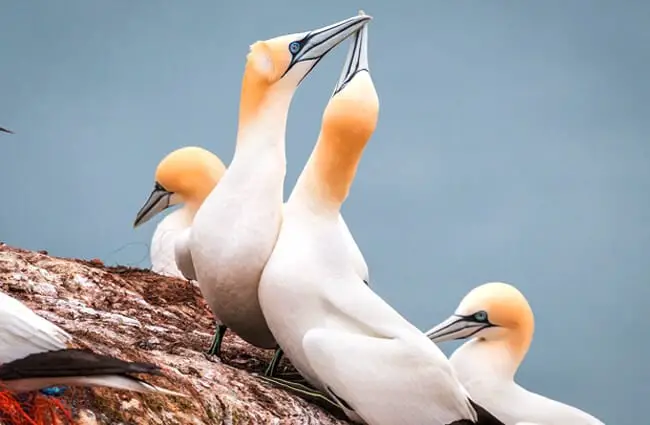
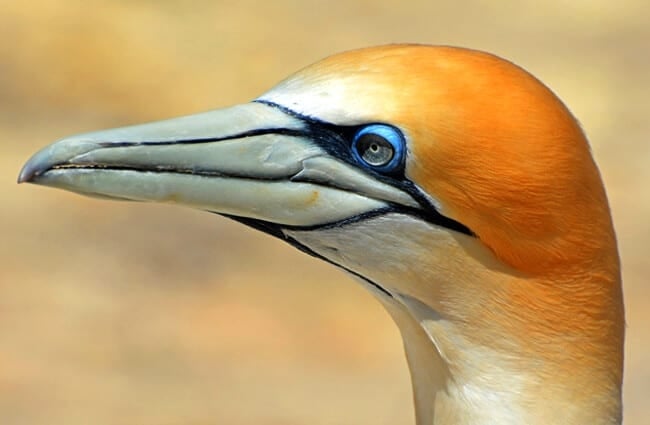
Gannets are large, white seabirds belonging to the family Sulidae, which also includes boobies and tropicbirds. Characterized by their long wings, pointed bills, and streamlined bodies, gannets are superbly adapted for aerial pursuit and high speed dives. There are several species of gannet, with the Northern Gannet being the most widespread and familiar in the North Atlantic. Other species include the Cape Gannet, Australian Gannet, and the Nazca Gannet.
Gannet Habitat and Distribution
Gannets exhibit a broad distribution across the temperate and subtropical regions of the world’s oceans. Northern Gannets primarily inhabit the North Atlantic, breeding colonially on islands and coastal cliffs from Canada and Iceland to the British Isles and Norway. Other species have more localized ranges, like the Cape Gannet of southern Africa and the Australian Gannet found along the coasts of Australia and New Zealand. They prefer relatively shallow waters where fish are abundant.
Evolutionary History
The evolutionary origins of gannets can be traced back to the Paleogene period, roughly 66 to 23 million years ago. Fossil evidence suggests that early members of the Sulidae family were likely more diverse, with adaptations for both surface feeding and plunge diving. Over time, gannets specialized in the latter, developing the unique skeletal and muscular features necessary for high speed dives. Their closest relatives are boobies and tropicbirds, sharing similar hunting techniques and nesting behaviors. The evolutionary success of gannets is linked to their efficient foraging strategy and ability to exploit abundant marine resources.
Diet and Foraging Behavior
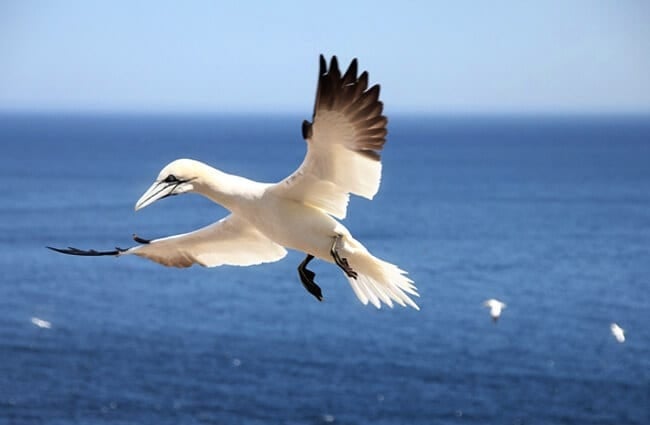
Gannets are primarily piscivorous, meaning their diet consists mainly of fish. They favor schooling fish such as herring, mackerel, and sand lance. Their hunting technique is truly remarkable. Gannets soar high above the water, scanning for schools of fish. Once a school is located, they fold their wings and plunge dive into the water at speeds exceeding 60 miles per hour. This impact is cushioned by air sacs within their bodies and a streamlined head shape. They can dive to depths of over 30 feet to capture their prey. Gannets are also opportunistic feeders and may occasionally consume squid or crustaceans. The efficiency of their foraging is crucial for fueling their energetic lifestyle.
Reproduction and Life Cycle
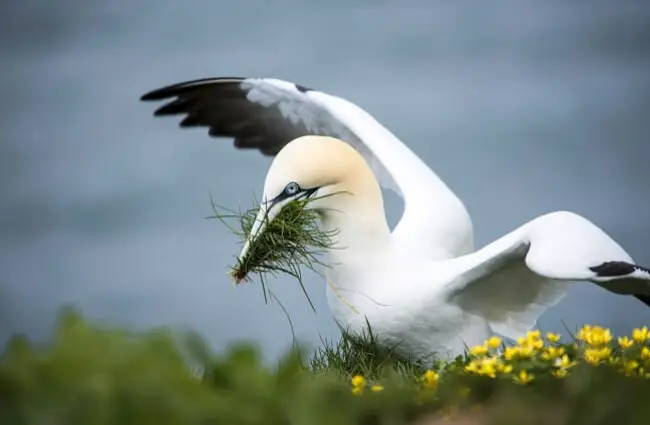
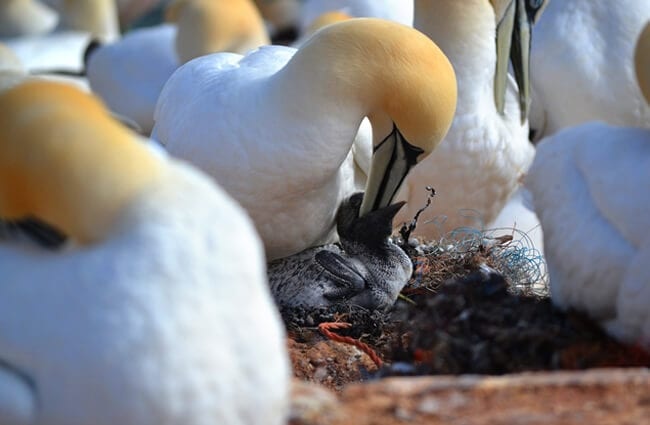
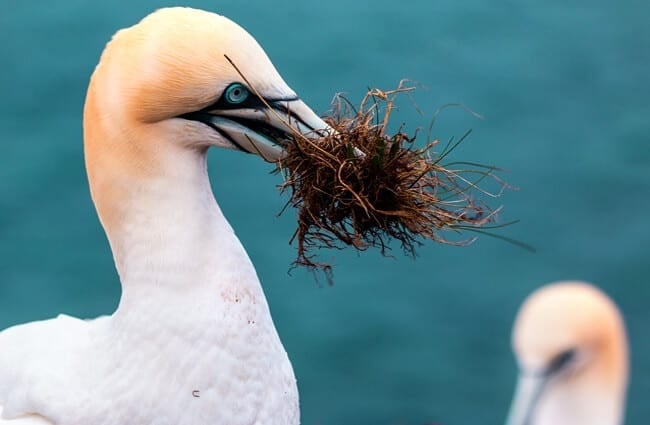
Gannets are colonial breeders, forming large, densely packed colonies known as “gannetries”. They typically return to the same breeding sites year after year. Pair bonds are strong and often last for life. The breeding season varies depending on the species and location, but generally occurs in the spring and summer months. Gannets build nests from seaweed, grass, and other available materials. They lay a single egg, which is incubated by both parents for approximately 45 to 50 days. Chicks are altricial, meaning they are born helpless and require constant parental care. Young gannets fledge after about 85 to 90 days, but it takes several years for them to reach full maturity.
Ecological Role and Interactions
Gannets play a vital role in marine ecosystems as both predators and prey. They help regulate populations of schooling fish, preventing overgrazing of plankton and maintaining the health of marine food webs. Their guano (droppings) also provides nutrients for coastal vegetation. Gannets interact with other seabirds, often competing for food and nesting sites. They may also be preyed upon by larger birds of prey, such as skuas and gulls, particularly when nesting. Their presence can indicate the overall health and productivity of the marine environment.
Gannets and Human Culture
Throughout history, gannets have held cultural significance for coastal communities. Historically, their eggs and chicks were harvested for food. In some cultures, gannet feathers were used for decoration and bedding. Gannets also feature in folklore and mythology, often symbolizing strength, resilience, and connection to the sea. Today, gannets are popular subjects for birdwatchers and nature photographers, contributing to ecotourism and conservation efforts.
Gannet Conservation Status and Threats
The conservation status of gannets varies depending on the species. The Northern Gannet, while locally abundant, experienced significant declines in the past due to overfishing and habitat loss. However, populations have been recovering in recent years thanks to conservation efforts. Other species, such as the Cape Gannet, remain vulnerable due to ongoing threats such as oil spills, entanglement in fishing gear, and climate change. Protecting critical breeding colonies and managing fisheries sustainably are crucial for ensuring the long‑term survival of these magnificent birds.
Encountering Gannets in the Wild
If you are fortunate enough to encounter gannets in the wild, observe them from a respectful distance. Avoid disturbing nesting colonies, as this can cause stress and disrupt breeding. Use binoculars or a spotting scope for a closer view. Be mindful of the environment and avoid leaving any trash behind. Remember that gannets are wild animals and should be treated with respect.
Caring for Gannets in Captivity
Caring for gannets in captivity requires specialized knowledge and facilities. They need large enclosures that mimic their natural habitat, including access to a deep pool for diving. Their diet should consist of fresh fish, provided in sufficient quantities to meet their energetic needs. Regular veterinary care is essential to monitor their health and prevent disease. Enrichment activities, such as providing nesting materials and simulating foraging opportunities, are important for their psychological well‑being. It’s crucial to avoid overcrowding and minimize stress, as these can compromise their immune system.
Fascinating Gannet Facts
- Gannets have a unique skeletal structure that allows them to withstand the high impact forces of plunge diving.
- They can see up to eight times farther than humans.
- Gannets have specialized nasal passages that help them equalize pressure during dives.
- Their wingspan can reach up to 6 feet.
- Gannets can live for over 30 years in the wild.
- They are highly social birds and often form large flocks.
- Gannets are monogamous and maintain pair bonds for life.
- Their guano is highly prized as a fertilizer.
Gannets are truly remarkable birds, perfectly adapted to their marine environment. From their spectacular plunge diving technique to their vital role in marine ecosystems, they deserve our admiration and protection. By learning more about these magnificent creatures, we can contribute to their conservation and ensure that they continue to thrive for generations to come.
![Closeup of a beautiful Red Angus cowPhoto by: U.S. Department of Agriculture [pubic domain]https://creativecommons.org/licenses/by/2.0/](https://animals.net/wp-content/uploads/2020/03/Red-Angus-4-238x178.jpg "Red Angus")
![Closeup of a beautiful Red Angus cowPhoto by: U.S. Department of Agriculture [pubic domain]https://creativecommons.org/licenses/by/2.0/](https://animals.net/wp-content/uploads/2020/03/Red-Angus-4-100x75.jpg "Red Angus")