The Australian frilled lizard, a reptile of striking appearance and fascinating behavior, has captivated naturalists and the public alike. This guide delves into the world of Chlamydosaurus kingii, exploring its biology, habitat, behavior, and its place within the Australian ecosystem.
A Portrait of the Frilled Lizard
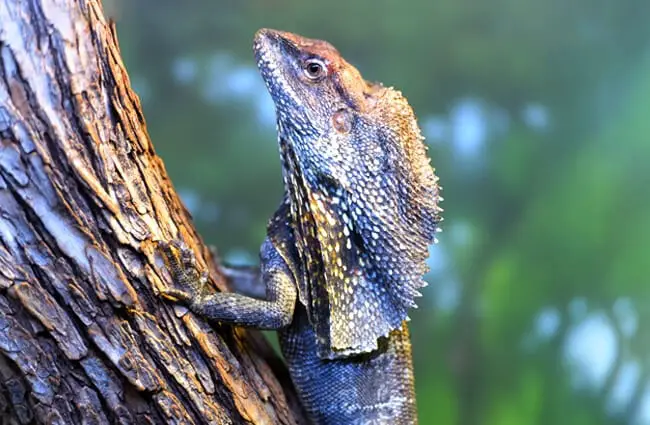
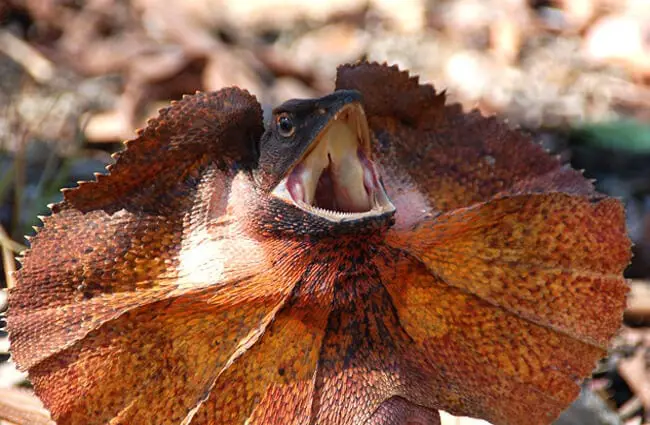
The frilled lizard is instantly recognizable thanks to the large, prominent frill around its neck. This is not a crest, but an extension of skin supported by elongated ribs. When threatened, the lizard dramatically expands the frill, making itself appear larger and more intimidating to potential predators. This display, coupled with a gaping mouth and an upright stance, is a classic example of defensive mimicry. The frill is also used during mating season, where it can be vibrated rapidly. Beyond the frill, these lizards have a relatively slender body, reaching lengths of up to 45 centimeters, with the tail accounting for roughly two thirds of this total length.
Habitat and Distribution
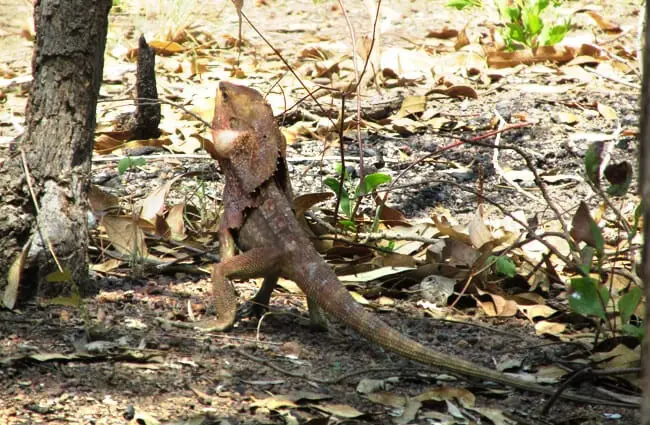
Frilled lizards are endemic to northern Australia and parts of New Guinea. They inhabit a variety of woodlands, open forests, and scrublands, typically favoring areas with eucalyptus trees. These trees provide both food and refuge, and the lizards are adept climbers, spending much of their time in the branches. They are most commonly found in the Kimberley region of Western Australia, the Northern Territory, and in some parts of Queensland. Their distribution is largely dictated by the availability of suitable habitat and a warm climate.
Diet and Foraging
These lizards are primarily insectivores, feeding largely on termites, cicadas, ants, and other invertebrates. They are opportunistic feeders and will also consume small vertebrates such as lizards and eggs when available. Frilled lizards are ambush predators, patiently waiting for prey to come within striking distance. They have a remarkable ability to track moving insects with their eyes and accurately launch themselves to intercept them. Termites make up a significant portion of their diet, and these lizards are often seen foraging in termite mounds.
Behavior and Social Interactions
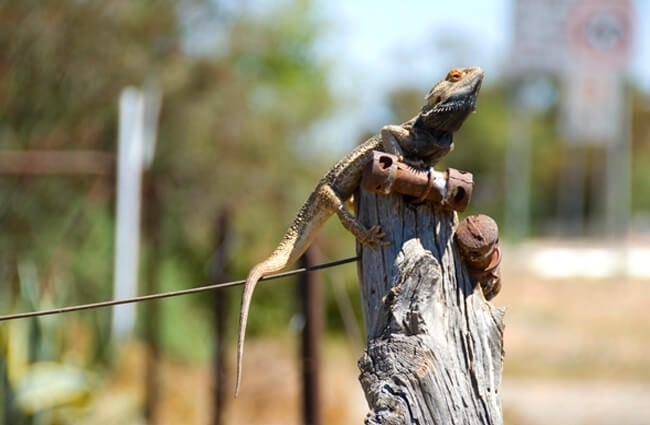
Frilled lizards are generally solitary creatures, except during the breeding season. They are diurnal, meaning they are active during the day. Much of their time is spent basking in the sun to regulate their body temperature. When threatened, they employ a range of defensive tactics, including the dramatic frill display, hissing, and a swift sprint. Despite their impressive display, they are not aggressive and will generally flee if given the opportunity. They are capable of running on their hind legs for short distances, gaining a better view of their surroundings and increasing their speed.
Reproduction and Life Cycle
The breeding season for frilled lizards typically occurs during the Australian wet season, from September to December. Males perform elaborate displays to attract females, including head bobs, frill extensions, and push‑ups. After mating, the female lays a clutch of 10 to 20 eggs in a burrow dug into the soil or a decaying tree stump. The eggs incubate for about 80 to 90 days, and the hatchlings are miniature versions of the adults. Young frilled lizards are vulnerable to predators and must quickly learn to forage and avoid danger. They reach sexual maturity at around three to four years of age.
Ecological Role and Interactions
Frilled lizards play an important role in the Australian ecosystem as both predators and prey. They help control insect populations and serve as a food source for larger predators such as birds of prey, snakes, and goannas. They also contribute to nutrient cycling through their waste products. They often coexist with other lizard species, sharing the same habitat and resources. The impact of introduced species, such as feral cats and foxes, on frilled lizard populations is a growing concern.
Frilled Lizards and Humans
Frilled lizards are not typically dangerous to humans and pose no significant threat. Encounters are infrequent, given their remote habitat and shy nature. However, it is important to observe them from a distance and avoid disturbing their natural behavior. In some Indigenous Australian cultures, the frilled lizard holds cultural significance, appearing in dreamtime stories and artwork. Habitat loss and fragmentation due to land clearing and development are the primary threats to their survival. Conservation efforts focus on protecting their habitat and raising awareness about the importance of preserving this unique species.
A Deeper Dive: Evolutionary History and Adaptations
The evolutionary history of the frilled lizard is a fascinating area of study. They belong to the family Agamidae, a diverse group of lizards found across Australia, Asia, and Africa. Fossil evidence suggests that the ancestors of modern frilled lizards were smaller, less ornate lizards that lived in the forests of northern Australia. Over millions of years, they evolved the distinctive frill and other adaptations that allow them to thrive in their current habitat. The frill itself is believed to have evolved first as a display structure for attracting mates and establishing dominance. Over time, it also became an effective deterrent against predators.
Caring for Frilled Lizards in Captivity
For zookeepers and reptile enthusiasts, caring for frilled lizards requires a commitment to providing a suitable environment and diet. A large enclosure is essential, with plenty of climbing branches and basking spots. The temperature should be maintained between 28 and 32 degrees Celsius during the day, with a slightly cooler temperature at night. Humidity should be moderate, around 60 to 70 percent. A varied diet consisting of insects, greens, and occasional small vertebrates is crucial for maintaining their health. Regular veterinary check‑ups are also important to ensure they are free from parasites and diseases. Avoid overcrowding, as this can lead to stress and aggression. Providing enrichment, such as puzzle feeders and new climbing structures, can help keep them mentally stimulated.
Interesting Facts About Frilled Lizards
- They can change the colour of their skin, though not as dramatically as chameleons.
- The frill is supported by elongated ribs that can be extended or retracted.
- They are excellent climbers and can navigate through trees with ease.
- They can survive for extended periods without water, obtaining moisture from their food.
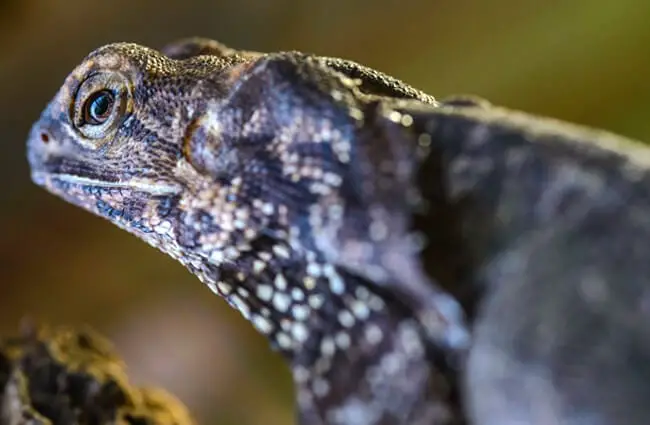
- They have a third eye on top of their head, known as the parietal eye, which helps them detect light and shadows.
- Their scales are covered in microscopic structures that help them shed water.
The frilled lizard remains a captivating symbol of the Australian outback, embodying the unique beauty and resilience of this remarkable continent. Their striking appearance and fascinating behaviours continue to inspire awe and wonder in all who encounter them. Protecting their habitat and ensuring their long‑term survival is a responsibility we all share.
![Closeup of a beautiful Red Angus cowPhoto by: U.S. Department of Agriculture [pubic domain]https://creativecommons.org/licenses/by/2.0/](https://animals.net/wp-content/uploads/2020/03/Red-Angus-4-238x178.jpg "Red Angus")
![Closeup of a beautiful Red Angus cowPhoto by: U.S. Department of Agriculture [pubic domain]https://creativecommons.org/licenses/by/2.0/](https://animals.net/wp-content/uploads/2020/03/Red-Angus-4-100x75.jpg "Red Angus")