
A World of Finches: Exploring These Remarkable Birds
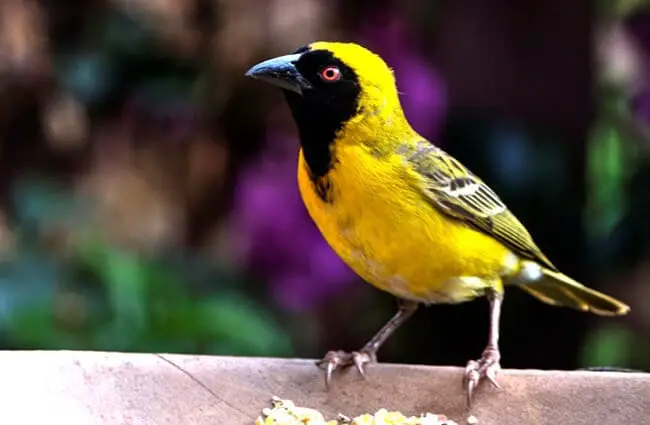
Finches represent a vibrant and diverse group of birds, captivating observers with their cheerful songs, colorful plumage, and fascinating behaviors. Belonging to the family Fringillidae, these small seed‑eating birds are found across the globe, inhabiting a wide range of ecosystems. This comprehensive guide delves into the world of finches, exploring their habitats, evolution, diet, reproduction, ecological roles, and even their cultural significance.
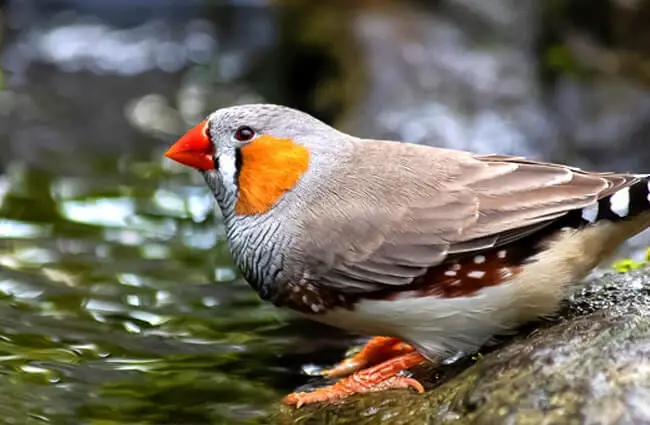
Understanding Finch Habitats and Distribution
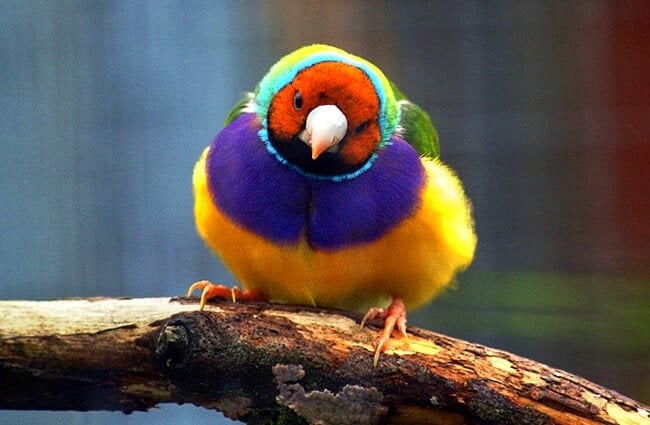
Finches are remarkably adaptable, colonizing diverse habitats including forests, grasslands, deserts, and even urban areas. Their distribution spans continents, with notable populations in North and South America, Europe, Africa, Asia, and Australia. Specific species exhibit preferences for particular environments. For instance, the Purple Finch thrives in open woodland and prairie edges of North America, while the Gouldian Finch is endemic to the open woodlands and savannas of northern Australia. Understanding habitat preferences is crucial for conservation efforts and for birdwatchers hoping to spot these beautiful creatures in the wild.
The Evolutionary Story of Finches
The evolutionary history of finches is a compelling tale of adaptation and diversification. Perhaps the most famous example comes from the Galápagos Islands, where Charles Darwin observed a variety of finch species with beaks uniquely suited to their specific food sources. These Darwin’s finches demonstrated how natural selection can drive rapid evolution in response to environmental pressures. The different beak shapes—some designed for cracking seeds, others for probing flowers, and still others for eating insects—highlight the power of adaptation. This principle extends to finches worldwide, with each species exhibiting traits optimized for its niche.
What Do Finches Eat? A Detailed Look at Their Diet
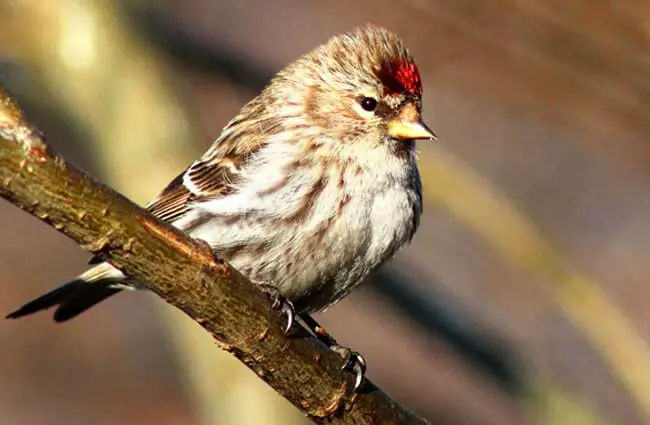
As seed‑eaters, finches primarily consume seeds, supplemented by buds, fruits, and insects, particularly during the breeding season. Their diet is directly linked to their beak morphology. Finches with strong, conical beaks are adept at cracking open tough seeds, while those with more delicate beaks feed on smaller seeds or pluck seeds from flowers. Some species, such as the Common Redpoll, even cache seeds for later consumption, storing them in crevices or under snow. Providing a consistent source of seeds, such as nyjer or sunflower seeds, can attract finches to backyard feeders, offering a delightful opportunity for observation.
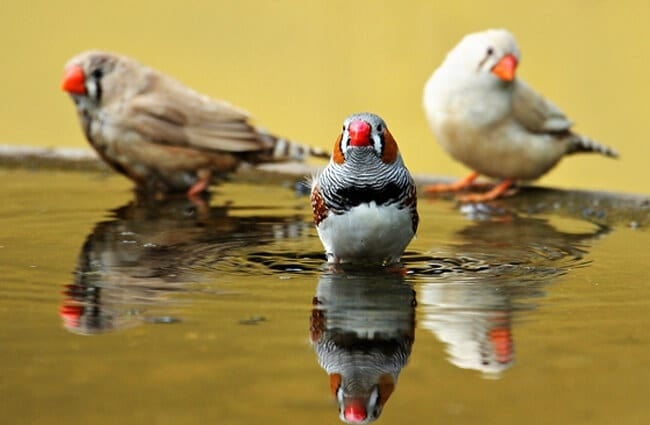
Finch Reproduction and Life Cycle
Finches typically form monogamous pairs, often for life. The breeding season varies depending on the species and geographic location. Males attract females through elaborate songs and displays of plumage. Nests are meticulously constructed from grasses, mosses, and other plant materials, often hidden in dense vegetation or cavities. The female lays a clutch of eggs, usually three to six, which she incubates for about two weeks. Both parents participate in feeding the chicks, which fledge after about two to three weeks. Young finches continue to depend on their parents for several weeks after leaving the nest.
Ecological Roles and Interactions
Finches play a crucial role in their ecosystems. As seed dispersers, they contribute to plant propagation by carrying seeds to new locations. They also serve as a food source for predators such as hawks, owls, and cats. Finches interact with other bird species, competing for resources or engaging in mixed‑species flocks. Their presence or absence can indicate the health of an ecosystem, making them valuable indicators of environmental change.
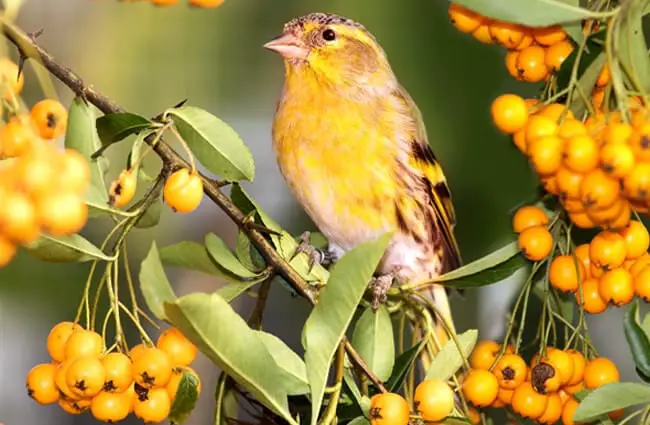
Finches and Human Culture
Finches have long captivated human imagination, appearing in folklore, art, and literature. Canary finches, known for their melodious songs, were once used in coal mines as early warning systems for dangerous gases. Today, finches are popular pets, prized for their beauty and cheerful disposition. Their images adorn postcards, paintings, and other forms of artistic expression. The very word “finch” evokes a sense of natural beauty and tranquility.
Encountering Finches in the Wild
If you encounter a finch in the wild, observe it from a respectful distance. Avoid approaching the bird or its nest, as this can cause stress and disrupt its natural behavior. If you find a wounded or orphaned finch, contact a local wildlife rehabilitation center for assistance. Remember that finches are wild animals and should be treated with respect and care.
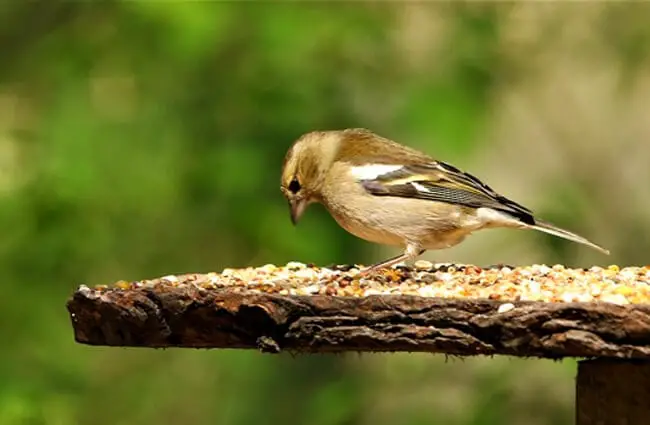
Caring for Finches in Captivity
For zookeepers or bird enthusiasts caring for finches in captivity, providing a stimulating and enriching environment is essential. A spacious cage with plenty of perches, toys, and nesting materials is crucial. A varied diet of seeds, fruits, vegetables, and insects should be offered. Regular cleaning and disinfection of the cage are necessary to prevent disease. Social interaction with other finches is important for their well‑being. Avoid exposing finches to drafts, extreme temperatures, or toxic substances.
Fascinating Finch Facts
Here are some intriguing facts about finches:
- A few finch species can imitate sounds, although they are not as renowned for mimicry as parrots.
- The Purple Finch is known for its reddish‑tinged plumage, particularly in males.
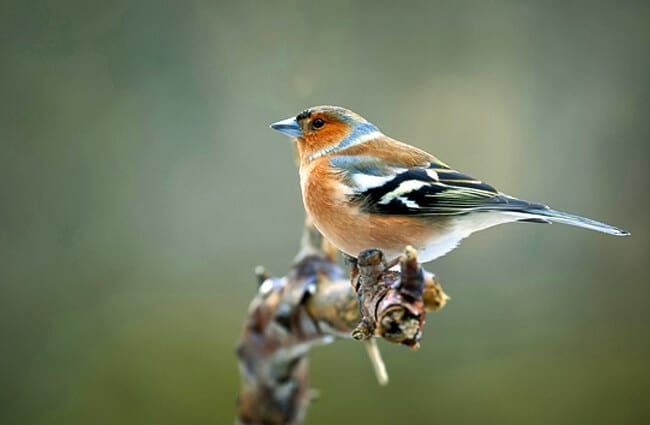
- The Common Chaffinch is a popular subject for bird ringers, helping scientists track migration patterns.
- The Gouldian Finch is renowned for its vibrant and colorful plumage.
- Certain finch species help control insect populations.
- Some finch species are capable of long‑distance migration.
From their captivating songs to their remarkable evolutionary adaptations, finches continue to fascinate and inspire. By understanding their biology, ecology, and cultural significance, we can better appreciate these remarkable birds and ensure their survival for generations to come.
![Closeup of a beautiful Red Angus cowPhoto by: U.S. Department of Agriculture [pubic domain]https://creativecommons.org/licenses/by/2.0/](https://animals.net/wp-content/uploads/2020/03/Red-Angus-4-238x178.jpg "Red Angus")
![Closeup of a beautiful Red Angus cowPhoto by: U.S. Department of Agriculture [pubic domain]https://creativecommons.org/licenses/by/2.0/](https://animals.net/wp-content/uploads/2020/03/Red-Angus-4-100x75.jpg "Red Angus")


