The Enchanting World of Fallow Deer
Fallow deer, with their distinctive spotted coats and graceful demeanor, are a captivating sight in woodlands and parks across Europe and beyond. More than just aesthetically pleasing, these animals boast a rich history, complex behaviours, and a significant role in the ecosystems they inhabit. This guide delves into the fascinating life of the fallow deer, exploring everything from their evolutionary origins to their interactions with humans and the environments around them.
Origins and Evolution
A Journey Through Time
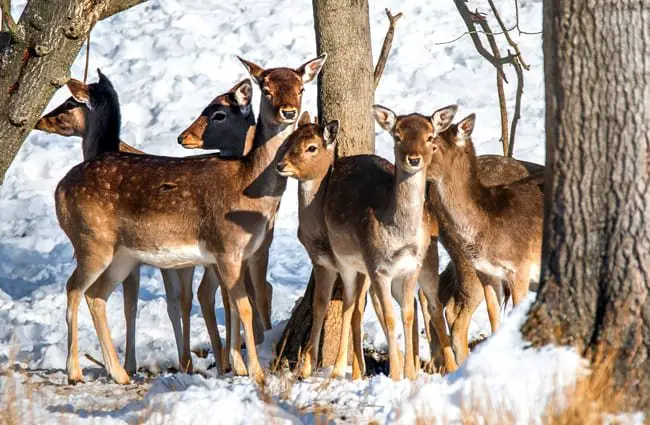
The story of the fallow deer begins not in Europe, but in the Middle East. Dama dama, as they are scientifically known, originated in Persia and the surrounding regions. Their spread westward is a testament to human influence, specifically through introductions during the Neolithic period and later by the Romans. These deer were highly prized for both their meat and as symbols of status in hunting parks.
Fossil evidence suggests that the fallow deer’s ancestors were more widespread, ranging across much of Europe during warmer interglacial periods. However, their range contracted during the ice ages, leaving Persia as a key refuge. Modern populations in Europe are largely derived from these reintroduced or surviving remnant populations.
Physical Characteristics and Habitat
A Deer of Many Colours
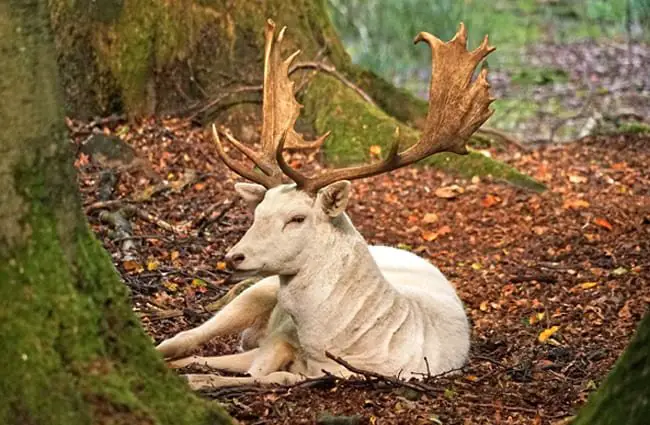
Fallow deer are medium sized deer, typically standing between 1.4 and 1.9 meters in height and weighing between 60 and 100 kilograms. Their most recognisable feature is their coat, which varies considerably. The most common form is a reddish brown coat with white spots that are more pronounced in summer and fade in winter. Significant colour variations occur, including melanistic (all black), leucistic (pale cream or white) and a striped variant known as “menil”. These colour morphs are genetically determined and add to the species’ visual diversity.
Preferred Habitats
Fallow deer are adaptable animals, but they demonstrate a preference for mixed woodlands with open glades. They thrive in habitats that offer both cover for protection from predators and accessible grazing areas. Beech and oak woodlands are particularly favoured, as they provide palatable foliage and nutritious mast such as acorns and beechnuts. They can also be found in parklands and agricultural landscapes, but are less common in dense coniferous forests or high mountainous regions. Their distribution is influenced by climate, with populations being more widespread in temperate regions of Europe.
Diet and Feeding Habits
A Varied Menu
Fallow deer are herbivores, with a diet that changes seasonally. In spring and summer, they focus on leafy browse, grasses, and herbaceous plants. During autumn and winter, their diet shifts towards mast such as acorns, beechnuts, tree bark, and evergreen foliage. They are also known to consume fruits, fungi, and even agricultural crops when available. Fallow deer are selective feeders, choosing nutritious plants and avoiding those with high levels of toxins or low digestibility.
Foraging Strategies
Fallow deer are crepuscular feeders, meaning they are most active during dawn and dusk. They spend a significant portion of their day foraging, travelling several kilometres in search of food. They utilise a combination of grazing and browsing techniques, adjusting their feeding strategy based on the availability and quality of food resources. Their strong teeth and digestive system are well adapted to processing a wide variety of plant material.
Mating and Reproduction
The Rut and Mating Rituals
Fallow deer are polygynous, meaning that dominant males mate with multiple females. The mating season, or rut, typically occurs in the autumn months from September to November. During the rut, males engage in fierce competition for mating rights, involving vocalisations such as roaring, displays of aggression and physical combat. The victorious males establish a harem of females, which they guard jealously.
Gestation and Fawn Care
Following a gestation period of approximately seven to eight months, females typically give birth to a single fawn in late spring or early summer. Fawns are born with a spotted coat that provides camouflage in the woodland environment. The mother provides intensive care, nursing the fawn for several months and protecting it from predators. The fawn remains with its mother for around six to eight months, learning essential survival skills. Females reach sexual maturity at around one and a half to two years of age.
Ecological Role and Interactions
Shaping the Landscape
Fallow deer play an important role in maintaining the health and diversity of woodland ecosystems. Their browsing activity can help control the growth of certain plant species, creating space for other plants to thrive. They also contribute to seed dispersal through their droppings. As prey animals, fallow deer provide food for a variety of predators, including wolves, lynx and wildcats. Their presence supports a complex web of life.
Coexistence and Competition
Fallow deer often coexist with other deer species such as red deer and roe deer. Competition for resources can occur, especially during periods of food scarcity. However, they can also benefit from each other’s presence, utilising different foraging strategies or habitats. In some areas, fallow deer have been known to hybridise with red deer, although the fertility of hybrid offspring is variable.
Fallow Deer and Humans
A History of Interaction
Humans have a long and complex relationship with fallow deer. Historically they were kept in parks and hunting forests by the aristocracy. Their meat has been a source of food for centuries, and their hides have been used for leather. Today, fallow deer are still managed for hunting in many European countries, and they are a popular attraction in parks and zoos.
Conservation Status and Challenges
Fallow deer are currently classified as Least Concern by the International Union for Conservation of Nature. However, populations can be affected by habitat loss, fragmentation and overhunting. In some areas they can also cause damage to agricultural crops and forestry plantations. Effective management strategies are needed to ensure the long term sustainability of fallow deer populations.
Interesting Facts
- Fallow deer are excellent swimmers and can easily cross rivers and lakes.
- They communicate with each other through a variety of vocalisations, scent marking and body language.
- Their antlers, which are grown annually, are covered in velvet like skin during the growing phase.
- Fallow deer can live for up to twenty years in the wild.
- The leucistic form of the fallow deer is particularly rare and highly prized.
Fallow deer, with their captivating beauty and intriguing behaviours, continue to fascinate and inspire. Understanding their history, ecology and interactions with the environment is crucial for ensuring their survival and maintaining the health of the ecosystems they inhabit. Whether encountered in a wild woodland or a carefully managed park, these graceful creatures offer a glimpse into the wonders of the natural world.
![Closeup of a beautiful Red Angus cowPhoto by: U.S. Department of Agriculture [pubic domain]https://creativecommons.org/licenses/by/2.0/](https://animals.net/wp-content/uploads/2020/03/Red-Angus-4-238x178.jpg "Red Angus")
![Closeup of a beautiful Red Angus cowPhoto by: U.S. Department of Agriculture [pubic domain]https://creativecommons.org/licenses/by/2.0/](https://animals.net/wp-content/uploads/2020/03/Red-Angus-4-100x75.jpg "Red Angus")