The animal kingdom is full of wonders, but few creatures capture the imagination quite like the Fainting Goat. Known for their peculiar habit of stiffening and toppling over when startled, these goats are a source of endless fascination and a unique study in genetics. Far from actually fainting, their dramatic tumbles are a harmless, albeit startling, display of a rare genetic condition. Let us delve into the captivating world of these remarkable animals, exploring their biology, behavior, and their surprising role in both nature and human society.
Understanding the Fainting Phenomenon
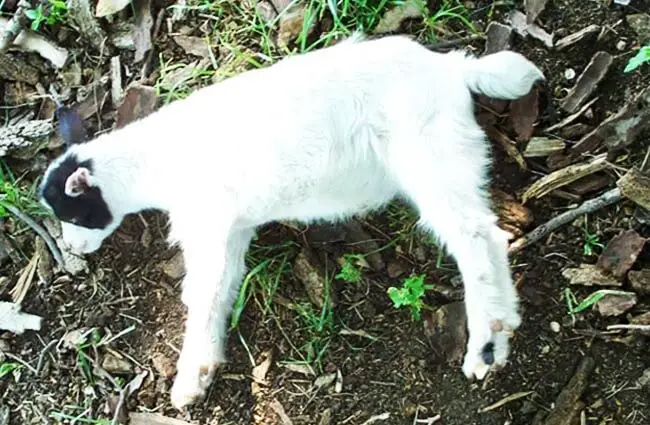
The Fainting Goat, scientifically known as the Myotonic Goat, exhibits a condition called myotonia congenita. This inherited genetic disorder affects the skeletal muscles, causing them to contract involuntarily and remain stiff for a short period, typically 10 to 20 seconds, when the goat is surprised or excited. Unlike true fainting, which involves a loss of consciousness due to reduced blood flow to the brain, these goats remain fully conscious throughout the episode. Their muscles simply lock up, causing them to fall over, often with their legs extended rigidly.
This temporary paralysis is not painful for the goat. Younger goats often fall completely stiff, resembling a log, while older goats, having learned to brace themselves or spread their legs, may simply stumble or lean against an object. The condition is most noticeable when they are startled by a loud noise, a sudden movement, or even the anticipation of food. Once the muscle stiffness subsides, they quickly recover and resume their activities as if nothing happened.
Physical Characteristics and Temperament
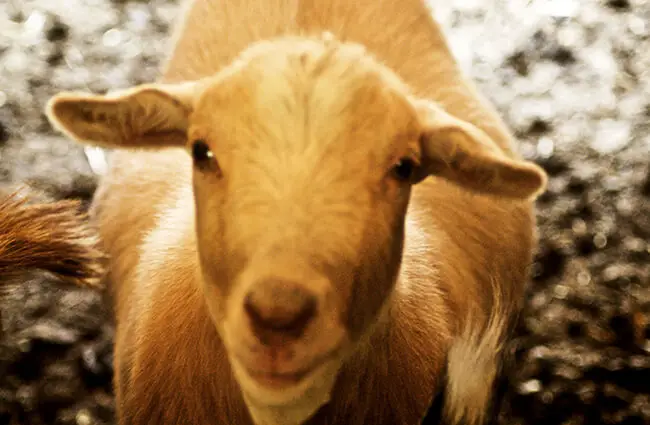
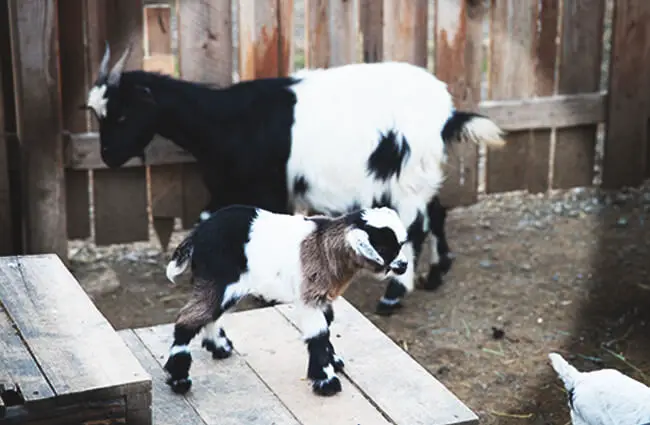
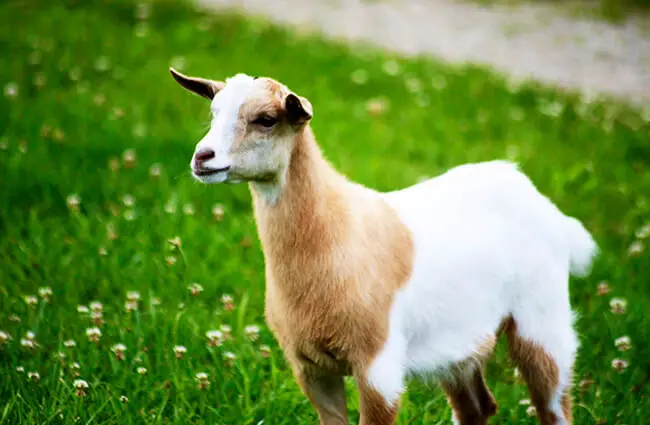
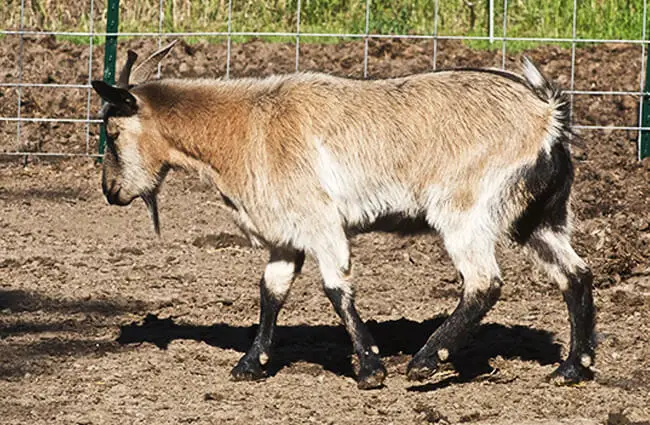
Fainting Goats are typically medium-sized, ranging from 60 to 175 pounds, with males generally larger than females. They come in a wide variety of colors and patterns, including black, white, brown, tan, and multi-colored combinations. Their coats can be short or long. Distinctive features often include prominent eyes and a generally sturdy build. They are known for their docile and friendly temperament, making them popular pets and easy to manage livestock. Their calm demeanor, coupled with their unique reaction to surprise, adds to their charm.
Habitat and Distribution
The Fainting Goat originated in Tennessee, USA, in the 1880s. They are a domesticated breed, meaning they do not exist in truly wild habitats. Their natural “habitat” is therefore on farms, homesteads, and in petting zoos across North America and increasingly, around the world. They thrive in temperate climates and are adaptable to various environments, provided they have adequate shelter from extreme weather, access to forage, and protection from predators.
While they are not found roaming wild in forests or mountains like some other goat species, their ancestors were likely hardy, adaptable animals. Today, their distribution is entirely dependent on human husbandry. For an animal lover hoping to find a Fainting Goat, the best places would be local farms, agricultural fairs, or specialized breeders, rather than attempting to locate them in the wilderness.
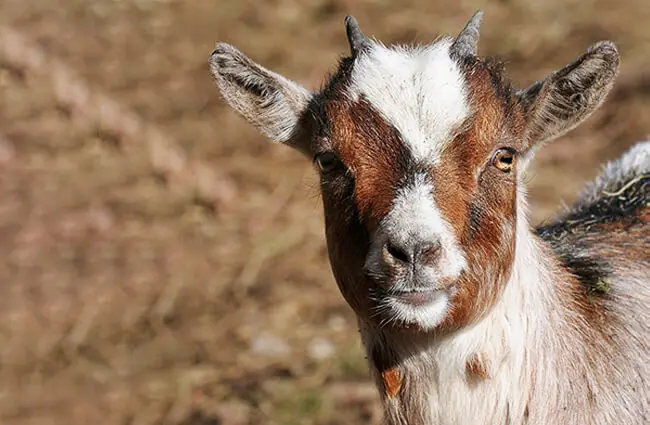
Diet and Nutrition
Fainting Goats are herbivores, primarily browsers rather than grazers. This means they prefer to eat leaves, twigs, shrubs, and weeds over grasses. Their natural foraging behavior involves nibbling on a wide variety of plant matter. A balanced diet for a Fainting Goat in captivity typically includes:
- Hay: Good quality grass hay or alfalfa hay should be available free-choice.
- Pasture: Access to browse on weeds, shrubs, and tree leaves is highly beneficial.
- Grain: A small amount of goat-specific grain can supplement their diet, especially for pregnant or lactating does, or growing kids. Overfeeding grain can lead to digestive issues.
- Minerals: A loose mineral supplement specifically formulated for goats, available free-choice, is crucial for their health.
- Water: Fresh, clean water must always be accessible.
Their digestive system is designed to process fibrous plant material efficiently. Providing a varied diet that mimics their natural browsing habits contributes significantly to their overall health and well-being.
Mating and Reproduction
Fainting Goats typically reach sexual maturity between 5 to 12 months of age, though it is often recommended to wait until they are at least a year old before breeding to ensure full physical development. The breeding season can vary, but many breeds, including Myotonic Goats, are seasonal breeders, often coming into heat in the fall as daylight hours shorten.
- Gestation: The gestation period for goats is approximately 150 days, or about five months.
- Litter Size: Does typically give birth to one to three kids, with twins being common.
- Kid Care: Newborn kids are precocial, meaning they are relatively mature and mobile shortly after birth. They nurse from their mothers for several months and are usually weaned between 2 to 4 months of age. The mother goat provides all necessary care, including protection and nourishment, during this critical period.
Breeding programs for Fainting Goats often focus on maintaining the breed’s unique characteristics while also selecting for good health, conformation, and temperament.
Evolutionary History and Genetics
The Fainting Goat’s unique trait is a direct result of a single gene mutation. The condition, myotonia congenita, is caused by a defect in the gene responsible for producing a specific chloride channel in muscle fibers. This channel is crucial for the rapid relaxation of muscles after contraction. When it malfunctions, the muscles remain contracted for longer than usual, leading to the stiffness observed in Fainting Goats.
This trait is inherited as an autosomal dominant gene. This means that if a goat inherits just one copy of the mutated gene from either parent, it will exhibit the myotonic condition. If it inherits two copies, the condition may be more pronounced. The breed’s origin in Tennessee suggests a spontaneous mutation that was then selectively bred for, likely due to the novelty of the trait and its utility in certain farming practices.
The study of myotonia in goats has provided valuable insights into similar genetic conditions in other animals, including humans. It serves as a natural model for understanding muscle physiology and genetic disorders.
Contribution to Ecosystem and Interaction with Other Animals
As a domesticated breed, Fainting Goats do not play a significant role in wild ecosystems. Their interaction with other wild animals is minimal, primarily limited to potential predator-prey dynamics if kept in areas with coyotes, wolves, or large feral dogs. Historically, their “fainting” trait was sometimes exploited by farmers who would keep them among sheep or other valuable livestock. The idea was that if a predator attacked, the Fainting Goat would “faint” and become an easier target, allowing the more valuable animals to escape. This practice, while perhaps effective, highlights a somewhat grim aspect of their unique biology.
Within a herd, Fainting Goats exhibit typical goat social structures. They are herd animals and thrive in the company of other goats. They establish a pecking order, and communicate through various vocalizations and body language. Their docile nature generally allows them to coexist peacefully with other livestock species, such as sheep, cattle, and horses, provided there is adequate space and resources.
Contribution to Human Culture and Interaction with Humans
Fainting Goats have carved out a unique niche in human culture. Beyond their historical role as “sacrificial” animals, they are now primarily valued for:
- Pets: Their friendly and docile nature, combined with their amusing fainting episodes, makes them highly sought-after companion animals.
- Livestock: They are raised for meat, though their smaller size means they are not as commercially viable as larger meat breeds. Their unique genetics are also a point of interest for breeders.
- Weed Control: Like other goats, they are excellent browsers and can be used for natural weed and brush control on farms and properties.
- Therapy Animals: Their calm demeanor and engaging antics make them suitable for animal-assisted therapy programs, bringing joy and comfort to people in various settings.
- Internet Sensations: Videos of Fainting Goats have gone viral, making them internet celebrities and further popularizing the breed.
Their interaction with humans is generally positive, characterized by their gentle disposition and the entertainment they provide. They are a testament to the diverse ways in which humans interact with and appreciate animal life.
A Huge List of Interesting Facts About Fainting Goats
- They are also known as Myotonic Goats, Tennessee Fainting Goats, Nervous Goats, or Wooden-Leg Goats.
- Despite their dramatic falls, they are not actually in pain when they “faint.”
- The condition is caused by a genetic mutation affecting chloride channels in muscle cells.
- Older Fainting Goats often learn to brace themselves or lean against objects to avoid a full fall.
- They are primarily a meat breed, though their unique trait makes them popular as pets.
- Fainting Goats are excellent browsers and can help clear brush and weeds.
- They are generally very docile and friendly, making them easy to handle.
- The breed originated in Marshall County, Tennessee, in the 1880s.
- They come in a wide range of colors and coat patterns.
- Their average lifespan is 10 to 15 years, similar to other goat breeds.
- The genetic condition is autosomal dominant, meaning only one copy of the gene is needed for the trait to appear.
- They make good companion animals for other livestock due to their calm temperament.
- Kids are born with the myotonic condition, though it may become more apparent as they grow.
- They are a medium-sized goat breed.
- The study of myotonia in these goats has contributed to understanding similar conditions in humans.
Encountering Fainting Goats in the Wild
For an animal lover or hiker hoping to find a Fainting Goat in the wild, it is important to understand that these are domesticated animals. They do not exist as a wild species in any natural ecosystem. If one were to encounter a Fainting Goat outside of a farm or fenced area, it would almost certainly be an escaped or feral domestic animal. In such a scenario:
- Do not approach aggressively: While docile, any animal can be unpredictable if cornered or frightened.
- Observe from a distance: Enjoy the rare sight, but maintain a respectful distance.
- Do not attempt to capture: Unless you are trained in animal rescue, attempting to capture a loose goat can be dangerous for both you and the animal.
- Report to local authorities: Contact local animal control, a humane society, or a nearby farm. The goat is likely someone’s lost livestock.
- Avoid startling them: If you happen to be near one, sudden movements or loud noises could trigger their myotonic response, which, while harmless to them, might cause them to fall in an unsafe location.
The true “wild” experience with Fainting Goats is best had by visiting farms or sanctuaries where they are cared for.
Caring for Fainting Goats in Captivity: A Zookeeper’s Guide
Caring for Fainting Goats requires attention to their general goat needs, with a few considerations specific to their myotonic condition. For zookeepers or aspiring zoologists managing these animals, the following tasks and considerations are paramount:
Housing and Environment:
- Secure Fencing: Goats are notorious escape artists. Fencing should be strong and tall enough to prevent jumping or crawling through.
- Shelter: Provide adequate shelter from rain, wind, and extreme temperatures. A three-sided shed facing away from prevailing winds is often sufficient.
- Space: Ensure ample space for grazing, browsing, and exercise. Overcrowding can lead to stress and health issues.
- Safe Environment: Minimize potential hazards that could injure a goat if it “faints.” Avoid sharp objects, steep drops, or hard, uneven surfaces in areas where they might be startled. Provide soft bedding in sleeping areas.
Diet and Nutrition:
- Balanced Diet: As detailed above, provide quality hay, access to browse, mineral supplements, and fresh water.
- Avoid Overfeeding Grain: This can lead to digestive problems like bloat or acidosis.
- Regular Feeding Schedule: Consistency helps reduce stress.
Health and Veterinary Care:
- Regular Health Checks: Monitor for signs of illness, lameness, or parasites.
- Vaccinations and Deworming: Follow a veterinarian-recommended schedule.
- Hoof Trimming: Regular trimming is essential to prevent lameness and discomfort.
- Stress Management: While their fainting is not painful, chronic stress can impact their overall health. Maintain a calm environment, introduce new animals slowly, and provide consistent routines.
- Predator Protection: Implement measures to protect them from predators, as their fainting response makes them particularly vulnerable.
Social Needs:
- Herd Animals: Goats are social creatures and should never be kept alone. They thrive in groups of at least two, preferably more.
- Enrichment: Provide opportunities for climbing, scratching, and browsing to keep them mentally and physically stimulated.
Understanding and accommodating their unique myotonic condition, while providing excellent general goat care, ensures a healthy and happy life for Fainting Goats in captivity.
The Enduring Charm of the Fainting Goat
From their curious “fainting” episodes to their gentle demeanor, Fainting Goats offer a fascinating glimpse into the world of animal genetics and behavior. They are more than just an amusing spectacle; they are a testament to the diversity of life and the intricate ways in which genetic traits can manifest. Whether captivating audiences online, providing companionship on a farm, or contributing to scientific understanding, the Fainting Goat continues to enchant and educate, proving that even a momentary tumble can leave a lasting impression.
![Closeup of a beautiful Red Angus cowPhoto by: U.S. Department of Agriculture [pubic domain]https://creativecommons.org/licenses/by/2.0/](https://animals.net/wp-content/uploads/2020/03/Red-Angus-4-238x178.jpg "Red Angus")
![Closeup of a beautiful Red Angus cowPhoto by: U.S. Department of Agriculture [pubic domain]https://creativecommons.org/licenses/by/2.0/](https://animals.net/wp-content/uploads/2020/03/Red-Angus-4-100x75.jpg "Red Angus")