
Eels: The very name evokes mystery, a serpentine form gliding through water, a creature seemingly more legend than reality. These elongated fish, belonging to the order Anguilliformes, are far more diverse and fascinating than many realize. This comprehensive guide delves into the world of eels, exploring their biology, behavior, history, and their complex relationship with both the ecosystem and humankind.
What Exactly is an Eel?
Eels are ray‑finned fish characterized by their elongated, snake‑like bodies. They are not snakes, despite the common misconception. This order encompasses over 800 different species found in marine, freshwater, and even estuarine environments worldwide. Their sizes range dramatically, from the tiny thread eels, measuring just a few centimeters, to the impressive giant moray, exceeding three meters in length.
Diversity of Eel Species
The world of eels is incredibly diverse. Some of the most well‑known groups include:
- True Eels (Anguillidae): These are the catadromous species, famously including the European and American eels, known for their complex life cycles.
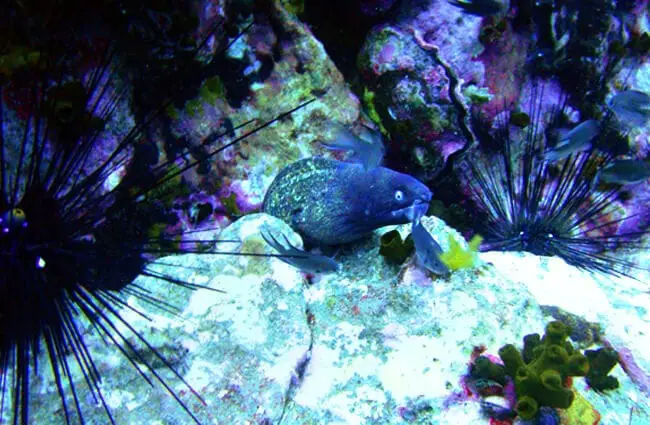
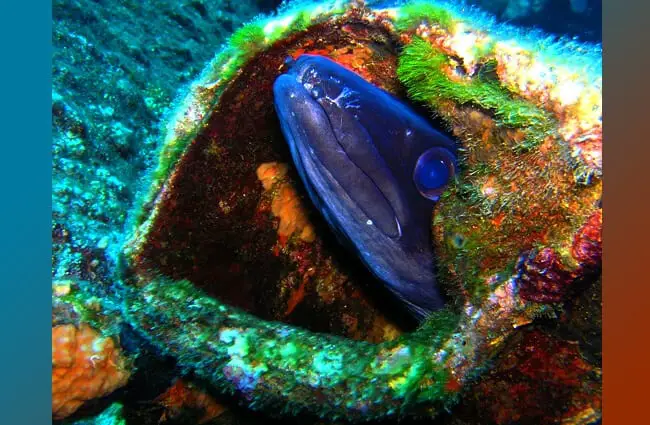
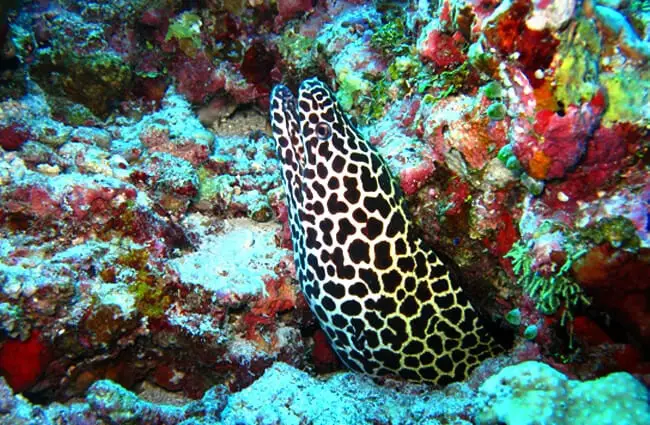
- Moray Eels (Muraenidae): Predominantly marine eels, known for their powerful jaws and often residing in reefs and crevices.
- Conger Eels (Congridae): Large, robust marine eels found in temperate and tropical waters.
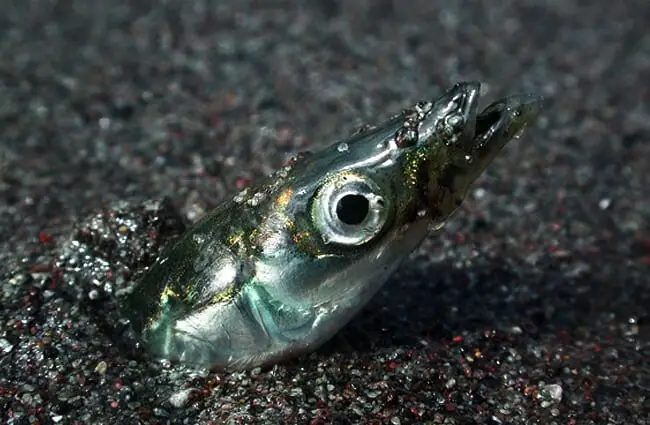
- Garden Eels (Heterocongridae): Unique eels that live in burrows in sandy or muddy substrates, often seen swaying in the current.
- Spiny Eels (Mastacembelidae): Freshwater eels possessing a long dorsal fin spine, found in Asia and Africa.
Eel Habitat and Distribution
Eels have adapted to an astonishing range of habitats. Marine eels dominate tropical and temperate oceans, inhabiting coral reefs, rocky shores, and sandy bottoms. Freshwater eels thrive in rivers, lakes, and streams across Europe, Asia, and North America. Some species, like the garden eel, are highly specialized, living exclusively within burrows. The distribution of eel species is influenced by factors such as water temperature, salinity, and the availability of suitable food and shelter.
The Evolutionary History of Eels
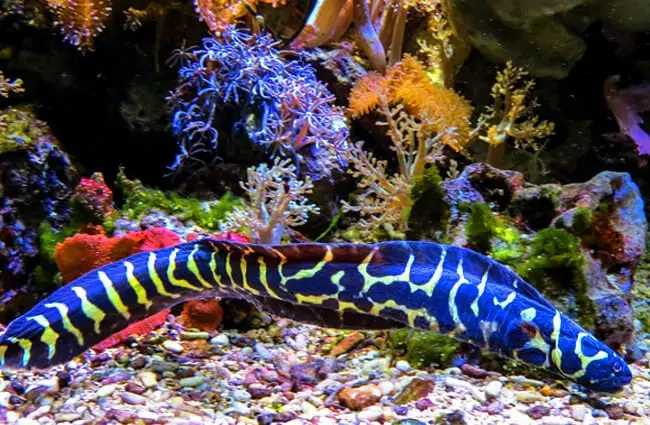
The evolutionary origins of eels are surprisingly ancient. Fossil records suggest that eel‑like fish existed as far back as the Cretaceous period, over 100 million years ago. Early eels likely resembled modern‑day moray eels, gradually diversifying into the wide array of species we see today. One remarkable aspect of eel evolution is the retention of a larval stage called a leptocephalus. These transparent, leaf‑like larvae can drift for months or even years in ocean currents before metamorphosing into the familiar eel form. This extended larval stage is thought to have facilitated the dispersal of eels across vast distances.
Eel Diet and Feeding Behavior
The diet of eels varies considerably depending on the species and habitat. Most eels are carnivorous, feeding on a range of prey including fish, crustaceans, mollusks, and worms. Moray eels are ambush predators, lying in wait in crevices and striking quickly to capture prey. Conger eels are more active hunters, pursuing prey in open water. Freshwater eels consume a variety of invertebrates and small fish. Some species, like the electric eel, have specialized adaptations for hunting, using electric shocks to stun or kill prey.
Reproduction and Life Cycle
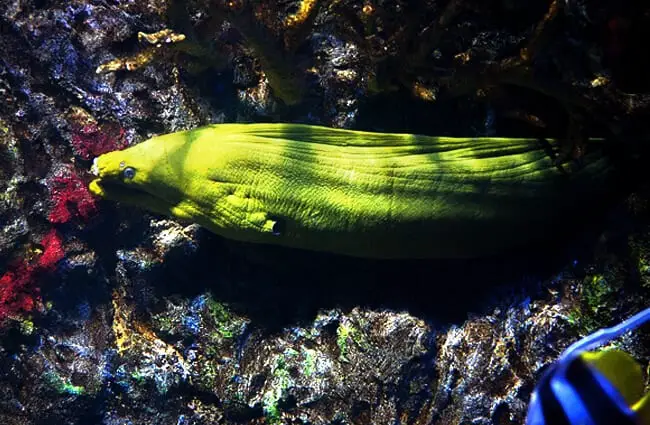
The reproductive strategies of eels are among the most fascinating in the animal kingdom. Many eel species undertake remarkable migrations to spawn. European and American eels, for instance, migrate thousands of kilometers from freshwater habitats in Europe and North America to the Sargasso Sea, located in the western Atlantic Ocean, to reproduce. The exact spawning behavior remains a mystery, as eels have never been observed spawning in the wild. After spawning, the adults typically die, and their larvae drift back toward freshwater habitats, undergoing metamorphosis into juvenile eels.
The Leptocephalus Larva
The leptocephalus larva is a truly unique creature. It is transparent, flattened, and lacks both jaws and a functional digestive system. It relies on yolk reserves for nourishment and drifts passively in ocean currents. As it grows, it develops a more eel‑like body shape and begins to feed on plankton and other small organisms.
Eels in the Ecosystem
Eels play important roles in their ecosystems. As predators, they help regulate populations of their prey. They also serve as prey for larger animals, such as sharks, seals, and birds. Eels contribute to nutrient cycling and maintain the health of aquatic ecosystems. Their burrows provide shelter for other organisms, and their presence enhances biodiversity.
Eels and Human Interaction
Throughout history, eels have been an important source of food for humans. They are consumed in various cultures, often grilled, smoked, or fried. Eels have also been used in traditional medicine and have been a symbol of good luck and fertility in some cultures. However, eel populations have declined significantly in recent decades due to overfishing, habitat loss, and pollution. Conservation efforts are underway to protect eel populations and ensure their long‑term survival.
Eels in Captivity
Caring for eels in captivity requires specialized knowledge and attention. They need spacious tanks with plenty of hiding places and a well‑filtered water system. Eels are messy eaters, so regular cleaning is essential. Their diet should consist of a variety of high‑quality fish and invertebrates. Avoid overcrowding, as eels can be territorial. Regular health checks are important to detect and treat any potential problems.
Encountering Eels in the Wild
If you encounter an eel in the wild, it is best to observe it from a safe distance. Avoid attempting to handle or disturb it. Some eel species, such as moray eels, can deliver a painful bite if provoked. Be aware of your surroundings and avoid venturing into areas where eels are known to inhabit. If you are diving or snorkeling, be cautious when exploring crevices and rocky areas.
Interesting Eel Facts
- Electric eels can generate electric shocks of up to 600 volts.
- Some eels can breathe through their skin.
- The oldest known eel lived to be over 85 years old.
- Eels have a complex lateral line system that allows them to detect vibrations in the water.
- The European eel is critically endangered.
Eels are remarkable creatures that continue to fascinate and inspire. Their unique biology, complex life cycles, and important ecological roles make them a vital part of our planet’s biodiversity. By learning more about eels and supporting conservation efforts, we can help ensure their survival for generations to come.
![Closeup of a beautiful Red Angus cowPhoto by: U.S. Department of Agriculture [pubic domain]https://creativecommons.org/licenses/by/2.0/](https://animals.net/wp-content/uploads/2020/03/Red-Angus-4-238x178.jpg "Red Angus")


![Closeup of a beautiful Red Angus cowPhoto by: U.S. Department of Agriculture [pubic domain]https://creativecommons.org/licenses/by/2.0/](https://animals.net/wp-content/uploads/2020/03/Red-Angus-4-100x75.jpg "Red Angus")