
The world of birds of prey holds many fascinating creatures, but few command the same mystique and power as the Eagle Owl. These magnificent birds, the largest owls on Earth, are apex predators with a rich history, complex behaviors, and a crucial role in the ecosystems they inhabit. This comprehensive guide explores all facets of the Eagle Owl, from its physical characteristics and hunting strategies to its evolutionary journey and cultural significance.
What is an Eagle Owl?
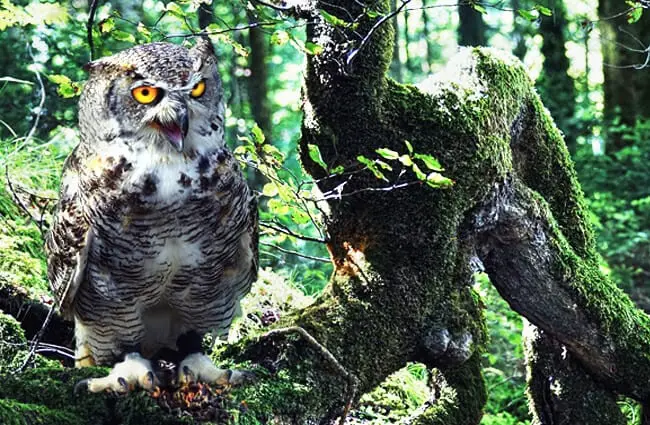
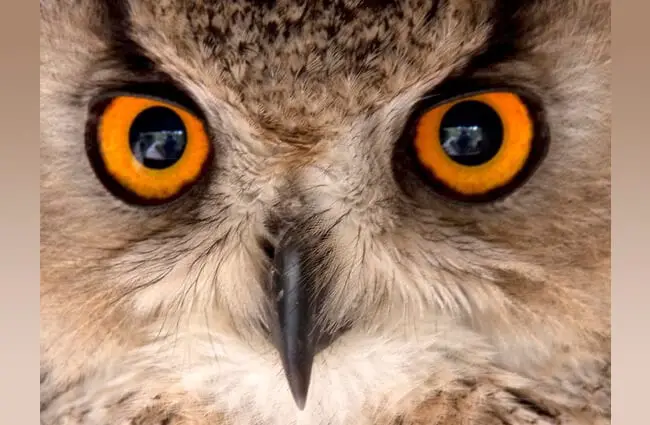
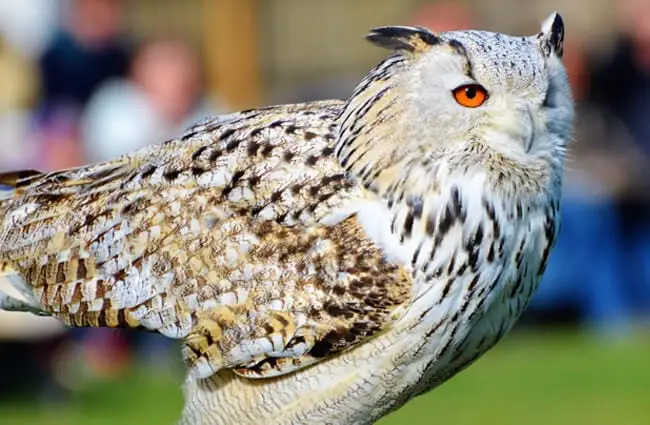
Eagle Owls belong to the genus Bubo, encompassing several species found across Europe, Asia, and North America. The most well known is the European Eagle Owl (Bubo bubo), a truly imposing bird. Characterized by prominent ear tufts, piercing orange eyes, and powerful talons, Eagle Owls are built for hunting in diverse landscapes.
Physical Characteristics
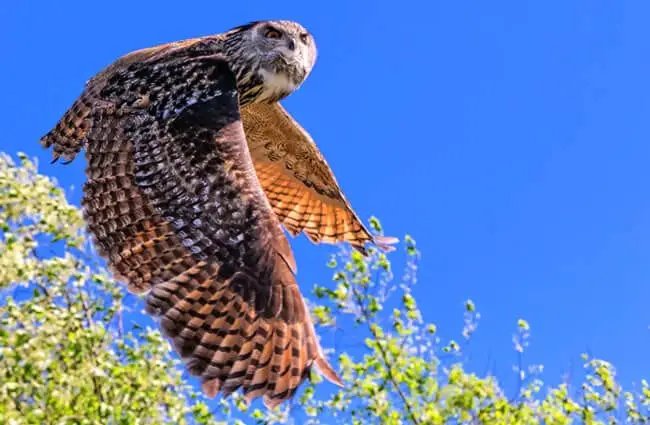
Eagle Owls are massive. The European Eagle Owl can have a wingspan exceeding six feet and weigh over nine pounds. Their plumage is typically mottled brown, providing excellent camouflage against trees and rocks. The size varies between species and individuals, with females generally being larger than males. Their feathered legs extend almost to the toes, offering insulation and aiding in silent flight.
Habitat and Distribution
Eagle Owls are remarkably adaptable, inhabiting a broad range of environments. They can be found in forests, mountains, steppes, and even semi-desert areas. Key requirements include suitable nesting sites, such as cliffs, caves, abandoned buildings, or large tree cavities, and access to prey. Their range extends across much of Europe and Asia, with some species found in North America. The specific habitat preferences vary depending on the species and local conditions. In northern regions, they occupy boreal forests and open woodlands, where they hunt small mammals and birds.
Evolutionary History
The evolutionary lineage of Eagle Owls traces back millions of years. Fossil evidence suggests that owls, as a group, emerged during the Eocene epoch. The Bubo genus, specifically, is believed to have originated in Asia before spreading to other parts of the world. Their adaptations, such as asymmetrical ear openings for precise sound localization and specialized feathers for silent flight, evolved gradually over time, honing their predatory skills.
Diet and Hunting Strategies
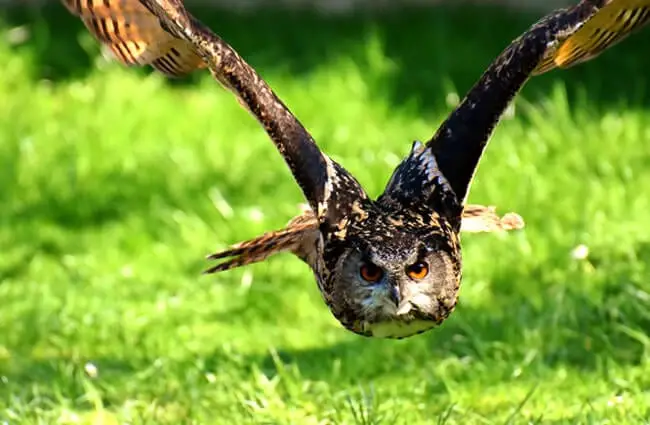
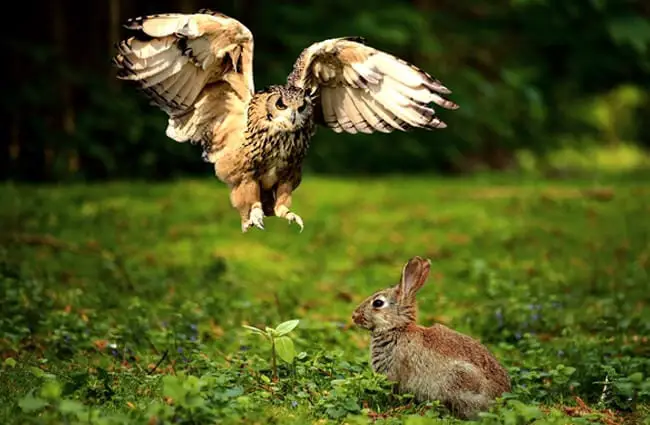
Eagle Owls are formidable predators with a diverse diet. They primarily feed on mammals, including rodents, rabbits, hares, foxes, and even larger prey such as deer fawns. They also consume birds, reptiles, and amphibians. Their hunting strategies are varied. They often hunt from perches, scanning the landscape for movement. They are crepuscular and nocturnal hunters, relying on their exceptional night vision and acute hearing to locate prey. Once a target is identified, they swoop down silently, using their powerful talons to capture and kill. They swallow smaller prey whole and tear larger prey into manageable pieces.
What to Do if You Encounter an Eagle Owl
If you are fortunate enough to encounter an Eagle Owl in the wild, observe it from a respectful distance. Do not approach or attempt to interact with the bird. Avoid making loud noises or shining bright lights, as this may disturb it. If the owl appears injured or distressed, contact your local wildlife rescue organization. Never attempt to handle or treat an injured owl yourself.
Mating and Reproduction
Eagle Owls are generally monogamous, forming long‑term pair bonds. The mating season typically occurs in late winter or early spring. Courtship displays involve vocalizations, aerial displays, and mutual preening. They nest in various locations, including cliffs, caves, tree cavities, and abandoned buildings. The female lays a clutch of two to six eggs. Incubation lasts for around thirty to thirty‑five days. The chicks are altricial, meaning they are born helpless and require extensive parental care. Both parents participate in feeding and protecting the young. The chicks fledge, or leave the nest, at around sixty to seventy days old, but they remain dependent on their parents for several months.
Ecological Role and Interactions
As apex predators, Eagle Owls play a vital role in maintaining the health of ecosystems. They help regulate populations of rodents and other small mammals, preventing outbreaks and protecting vegetation. They also compete with other predators, such as foxes and raptors, for resources. Eagle Owls can occasionally be preyed upon by larger birds of prey, but this is rare. Their presence is an indicator of a healthy and balanced ecosystem.
Eagle Owls and Humans
Throughout history, Eagle Owls have held a prominent place in human culture. They are often associated with wisdom, mystery, and power. In some cultures, they are considered symbols of good luck, while in others, they are viewed with superstition. Historically, they have been hunted for sport and their feathers used for adornment. Today, Eagle Owls are protected by law in many countries. Habitat loss and human disturbance remain significant threats.
Caring for Eagle Owls in Captivity
Caring for Eagle Owls in captivity requires specialized knowledge and facilities. They need spacious enclosures that mimic their natural habitat, providing ample perching space and opportunities for flight. A varied diet of whole prey, including rodents, birds, and rabbits, is essential. Enrichment activities, such as providing puzzle feeders and novel objects, are crucial for stimulating their minds and preventing boredom. Regular veterinary care is vital for maintaining their health. Avoid direct eye contact, as this can be perceived as a threat.
Interesting Facts
- Eagle Owls can live for over twenty years in the wild and even longer in captivity.
- They have exceptional eyesight, allowing them to see clearly in low‑light conditions.
- Their ear tufts are not ears, but feathers that help them blend in with their surroundings.
- They can rotate their heads up to two hundred and seventy degrees.
- They have a powerful grip, capable of exerting over one hundred pounds of pressure per square inch.
- They are capable of swallowing prey whole, even if it is larger than their head.
The Eagle Owl is truly a remarkable creature, a symbol of wildness, power, and resilience. Understanding their biology, behavior, and ecological role is crucial for ensuring their survival in a changing world. By appreciating these magnificent birds and protecting their habitats, we can help ensure that they continue to grace our landscapes for generations to come.
![Closeup of a beautiful Red Angus cowPhoto by: U.S. Department of Agriculture [pubic domain]https://creativecommons.org/licenses/by/2.0/](https://animals.net/wp-content/uploads/2020/03/Red-Angus-4-238x178.jpg "Red Angus")




![Closeup of a beautiful Red Angus cowPhoto by: U.S. Department of Agriculture [pubic domain]https://creativecommons.org/licenses/by/2.0/](https://animals.net/wp-content/uploads/2020/03/Red-Angus-4-100x75.jpg "Red Angus")