Doves, symbols of peace and love, are far more complex and fascinating creatures than their gentle reputation suggests. Belonging to the bird family Columbidae, these birds are found across the globe, exhibiting a remarkable diversity in appearance, behavior, and ecological roles. This guide delves into the world of doves, exploring their natural history, behavior, and interactions with both the environment and humankind.
Understanding Doves: A Comprehensive Overview
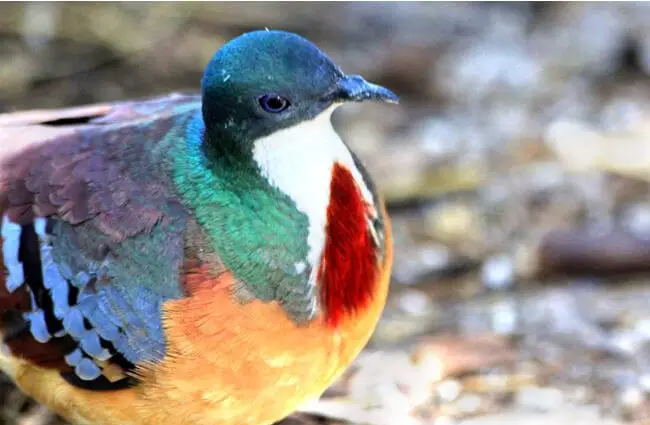
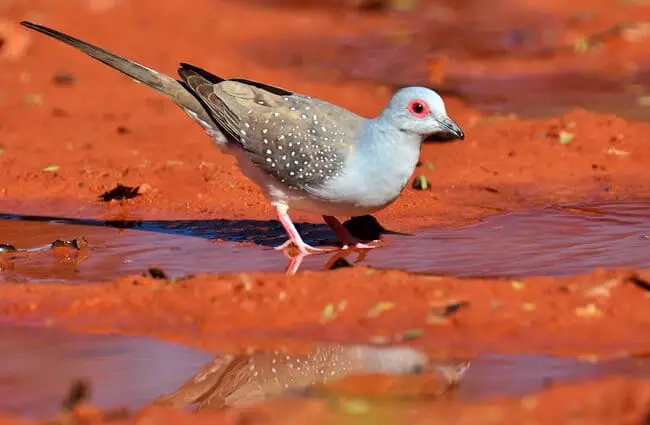
The terms ‘dove’ and ‘pigeon’ are often used interchangeably, and for good reason. In ornithological terms there is no strict distinction between the two. Generally, the smaller species are called doves, while larger ones are called pigeons. However, this naming convention is not a scientific classification. The Columbidae family contains over 300 species, ranging in size from the diminutive Diamond Dove to larger species such as the Crowned Pigeon.
Habitat and Distribution
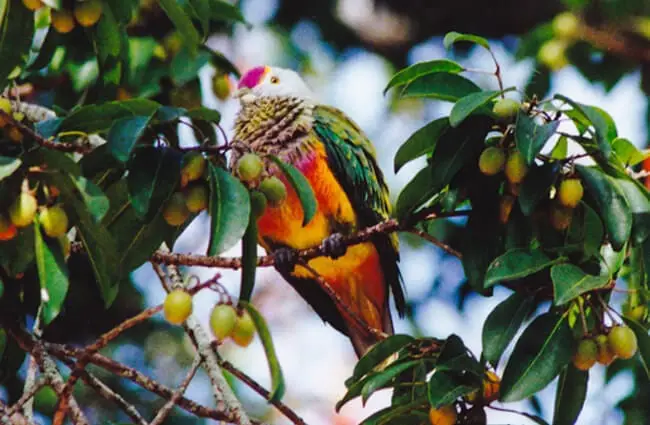
Doves exhibit a wide range of habitats, reflecting their adaptability. They inhabit grasslands, woodlands, forests, urban environments, and even rocky areas. Distribution varies significantly by species. Some doves, like the Rock Dove (often called the pigeon), are cosmopolitan, found on every continent except Antarctica. Others have restricted ranges, confined to specific islands or regions. For example, various fruit doves are exclusively found in the rainforests of Southeast Asia and the Pacific islands.
Evolutionary History
The evolutionary history of doves traces back to the Paleocene epoch, over 56 million years ago. Early dove ancestors are believed to have originated in Asia and gradually dispersed across the globe. Fossil evidence suggests that these early birds were similar in appearance to modern doves, with robust bodies and a preference for seed-based diets. Over millions of years, various species diverged, adapting to different environments and ecological niches. The evolutionary success of doves is attributed to their ability to exploit a wide range of food sources and their relatively high reproductive rate.
Dove Behavior and Ecology
Diet and Foraging
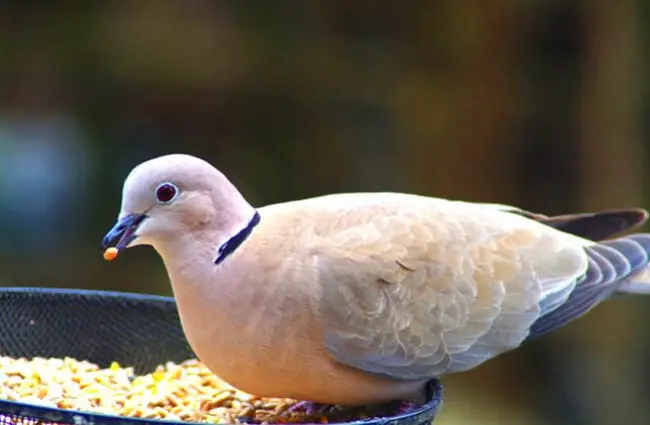
The vast majority of dove species are primarily granivorous, meaning their diet consists mainly of seeds and grains. They also consume fruits, berries, and occasionally insects or snails. Different species exhibit variations in foraging behavior. Some doves forage on the ground, picking up seeds from the soil. Others feed on fruits directly from trees, while a few species specialize in consuming nectar. The crop, a specialized pouch in the esophagus, allows doves to store and soften food before digestion.
Mating and Reproduction
Doves are generally monogamous, forming pair bonds that can last for multiple breeding seasons. Courtship rituals involve elaborate displays, including cooing vocalizations, head bobbing, and wing fluttering. Both parents participate in nest building, constructing simple platforms of twigs, grass, and leaves. A typical clutch consists of one or two eggs, which are incubated by both parents for approximately 14 to 19 days. Chicks are altricial, meaning they are born helpless and require extensive parental care. They are fed crop milk, a nutrient-rich secretion produced by the parents, for the first few days of life, gradually transitioning to seeds and other solid foods.
Ecological Role and Interactions
Doves play important roles in various ecosystems. As seed dispersers, they contribute to plant propagation, particularly in forest habitats. They also serve as a food source for predators, including raptors, snakes, and mammals. Some species engage in dust bathing, which helps to control parasites and maintain feather health. Doves also interact with other bird species, often competing for food and nesting sites. In urban environments, they can be a nuisance due to their droppings and potential to damage buildings.
Doves and Humans
Cultural Significance
Throughout history, doves have held profound cultural significance. In many cultures they symbolize peace, love, and hope. The release of white doves during ceremonies and celebrations is a widespread tradition. In Christianity, the dove represents the Holy Spirit. Doves have also been depicted in art, literature, and music, often as symbols of purity and devotion. Their gentle cooing is frequently associated with tranquility and serenity.
Human Interactions
Rock doves were among the first birds domesticated, initially for food and later for messenger purposes. Feral pigeons, descendants of escaped domestic birds, are common in urban areas worldwide. Some dove species are hunted for sport or food. Habitat loss and fragmentation pose significant threats to many dove populations. Conservation efforts, including habitat protection and sustainable management practices, are crucial for ensuring their long-term survival.
Diving Deeper: Specialized Information
For Wildlife Enthusiasts: Finding Doves in the Wild
Observing doves in their natural habitat is a rewarding experience. Different species frequent different environments. Fruit doves are most likely found in lush rainforests, while ground doves prefer grasslands and open woodlands. Early morning and late afternoon are the best times for observation, as doves are most active during these periods. Look for nesting sites in trees or shrubs. Use binoculars or a spotting scope for clear views.
For Hikers: What to do When Encountering a Dove
If you encounter a dove while hiking, maintain a respectful distance. Avoid approaching or disturbing nesting birds. Do not offer food, as this can alter their natural foraging behavior. If you find an injured or orphaned dove, contact a local wildlife rehabilitation center for assistance.
For Zookeepers: Caring for Doves in Captivity
Providing proper care for doves in captivity requires attention to their specific needs. A spacious aviary with plenty of perches and nesting sites is essential. A varied diet of seeds, grains, fruits, and vegetables should be provided. Fresh water must be available at all times. Regular cleaning of the aviary is crucial for maintaining hygiene and preventing disease. Provide opportunities for social interaction, particularly during breeding season. Avoid overcrowding, as this can lead to stress and aggression.
Fun Facts About Doves
- Doves can drink water by immersing their bills and tilting their heads back.
- The average lifespan of a dove ranges from 3 to 20 years, depending on the species.
- Some dove species can fly at speeds of up to 50 miles per hour.
- Doves use a special gland to produce crop milk for their chicks.
- The mourning dove’s distinctive cooing sound is produced by air passing over its feathers.
In conclusion, doves are captivating creatures with a rich history, diverse ecology, and enduring cultural significance. Their gentle nature and symbolic associations have earned them a special place in human hearts and minds. By understanding their natural history and ecological roles, we can appreciate these remarkable birds and ensure their continued survival for generations to come.
![Closeup of a beautiful Red Angus cowPhoto by: U.S. Department of Agriculture [pubic domain]https://creativecommons.org/licenses/by/2.0/](https://animals.net/wp-content/uploads/2020/03/Red-Angus-4-238x178.jpg "Red Angus")

![Closeup of a beautiful Red Angus cowPhoto by: U.S. Department of Agriculture [pubic domain]https://creativecommons.org/licenses/by/2.0/](https://animals.net/wp-content/uploads/2020/03/Red-Angus-4-100x75.jpg "Red Angus")