
The ocean, a realm of profound mystery and breathtaking beauty, is home to some of Earth’s most intelligent and charismatic creatures. Among them, the dolphin stands out, a marine mammal whose playful antics, complex social structures, and remarkable intelligence have captivated humanity for millennia. From their sleek, hydrodynamic forms to their sophisticated communication, dolphins are true marvels of evolution, embodying the spirit of the wild ocean.
Embark on a journey into the world of dolphins, exploring their lives beneath the waves, their ancient lineage, and their intricate dance with the marine environment and human civilization.
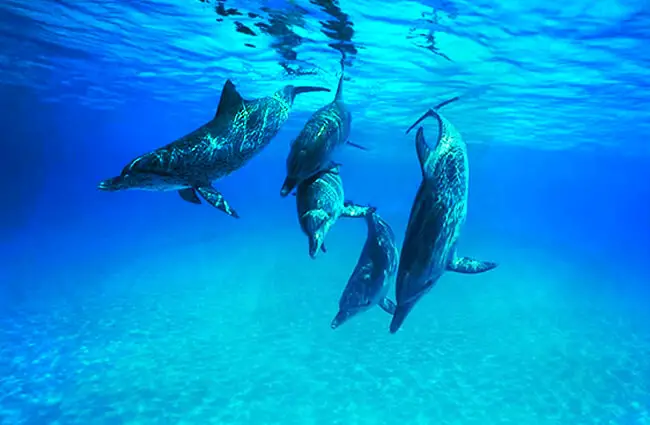
Who Are These Aquatic Acrobats? Understanding the Basics of Dolphins
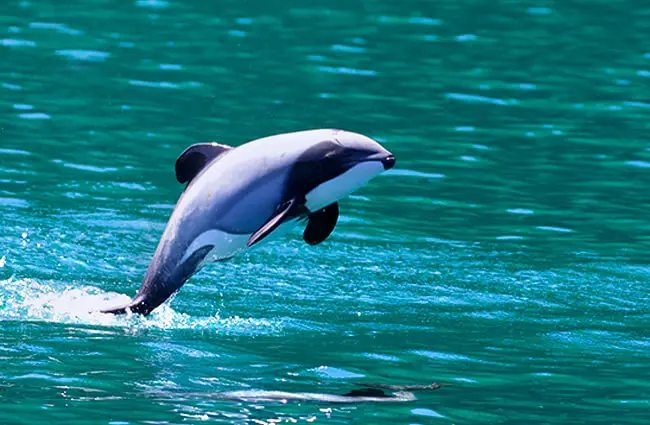
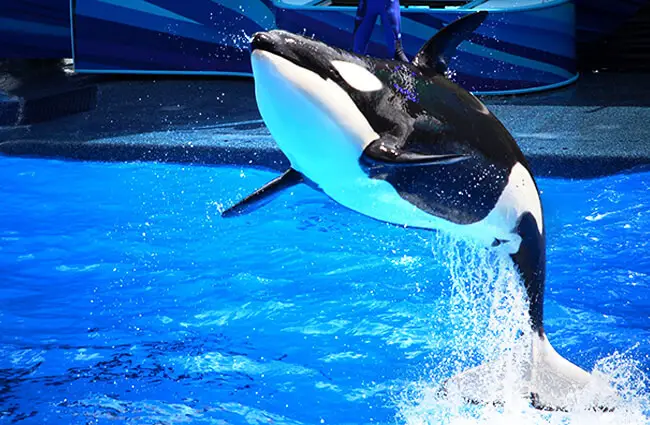
Dolphins are not fish, but rather highly evolved marine mammals belonging to the order Cetacea, which also includes whales and porpoises. Specifically, they are toothed whales (Odontoceti), characterized by their conical teeth, single blowhole, and often, a distinctive dorsal fin. There are over 40 recognized species of dolphins, ranging in size from the small Maui’s dolphin to the mighty orca, often called the “killer whale,” which is actually the largest dolphin species.
A Glimpse into Dolphin Life: Size, Appearance, and Lifespan
While species vary, most dolphins share a streamlined body, designed for efficient movement through water. Their skin is smooth and rubbery, often grey with lighter undersides, providing camouflage. Typical dolphin species, like the bottlenose dolphin, can grow to lengths of 6 to 12 feet (1.8 to 3.7 meters) and weigh between 300 to 1,400 pounds (136 to 635 kg). Their lifespan can range from 10 to 20 years for smaller species, while larger ones like the bottlenose can live up to 40-50 years, and orcas even longer, sometimes exceeding 80 years in the wild.
Where the Wild Things Are: Dolphin Habitats
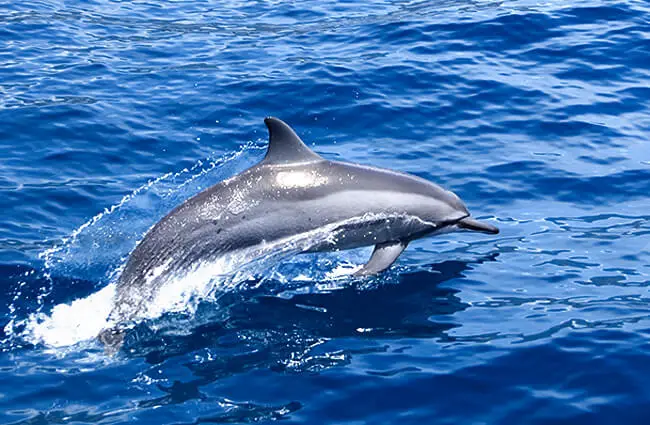
Dolphins are incredibly adaptable and can be found in almost all of the world’s oceans, from tropical to temperate waters. Their preferred habitats are generally coastal areas, continental shelves, and open ocean environments. Some species, known as river dolphins, have even adapted to freshwater systems, navigating the murky waters of major rivers in South America and Asia.
- Oceanic Dolphins: The most common type, inhabiting vast stretches of open ocean and coastal waters worldwide. Examples include bottlenose dolphins, common dolphins, and spinner dolphins.
- Coastal Dolphins: Often found closer to shore, in bays, estuaries, and shallow waters. These include species like the Indo-Pacific humpback dolphin.
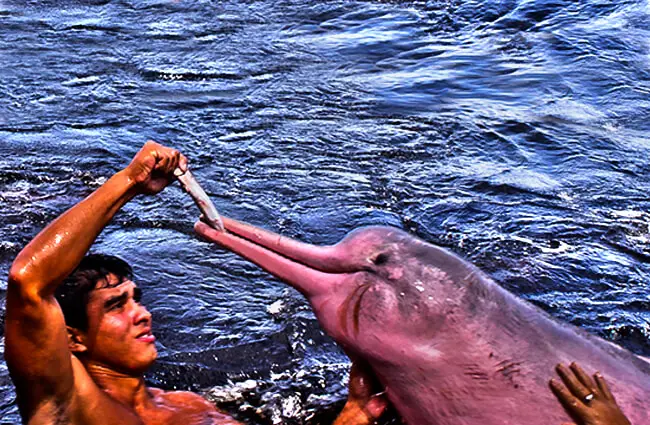
- River Dolphins: A unique group that has evolved to live exclusively in freshwater rivers. Species like the Amazon River dolphin (boto) and the Ganges River dolphin are prime examples, though many are critically endangered.
When searching for dolphins in the wild, coastal areas with abundant fish populations, especially near estuaries or where currents converge, are often prime locations. Look for signs of feeding activity, such as diving seabirds, or simply observe the water for their characteristic dorsal fins breaking the surface.
The Dolphin’s Menu: What’s for Dinner?
Dolphins are carnivores, and their diet primarily consists of fish, squid, and crustaceans. Their hunting strategies are as diverse as their species, often involving remarkable cooperation within their pods.
- Fish: A staple for most dolphins, including species like herring, mackerel, cod, and sardines.
- Squid: Many deep-diving dolphins and oceanic species rely heavily on various types of squid.
- Crustaceans: Some smaller species or those in specific habitats might also consume shrimp and crabs.
Dolphins employ sophisticated hunting techniques. They often work together to herd schools of fish into tight “bait balls,” making it easier for individual dolphins to dart through and feed. Some bottlenose dolphins in Florida even use a technique called “mud-ring feeding,” where they create a circular wall of mud to trap fish, then take turns leaping through the ring to catch their prey. Orcas, being apex predators, have an even broader diet, including seals, sea lions, and even other whales, showcasing their incredible hunting prowess.
A Deep Dive into Dolphin Expertise: Evolution, Diversity, and Behavior
From Land to Sea: The Dolphin’s Evolutionary Journey
The evolutionary history of dolphins is one of the most fascinating tales in the animal kingdom. These sleek marine predators are not ancient fish, but descendants of land-dwelling mammals that returned to the ocean millions of years ago. Their closest living relatives are hippopotamuses, a surprising connection given their vastly different appearances.
The journey began approximately 50 million years ago with a small, deer-like hoofed mammal called Pakicetus, which lived near water and likely hunted in shallow streams. Over millions of years, successive transitional forms, such as Ambulocetus (“walking whale”) and Rodhocetus, gradually adapted to a fully aquatic lifestyle. Their limbs transformed into flippers, their tails developed powerful flukes, and their nostrils migrated to the top of their heads, forming a blowhole. This incredible adaptation from terrestrial life to a completely marine existence highlights the power of natural selection and environmental pressures.
The Diverse World of Dolphins: More Than Just Bottlenoses
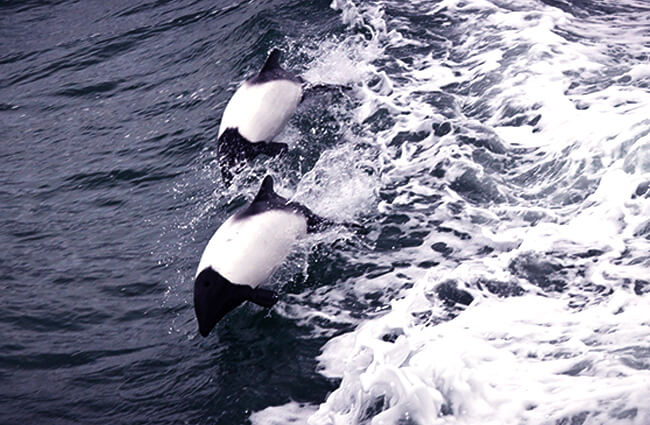
While the bottlenose dolphin is perhaps the most recognizable, the dolphin family is incredibly diverse, encompassing a wide array of shapes, sizes, and behaviors.
- Oceanic Dolphins (Delphinidae): This is the largest family, including well-known species like:
- Bottlenose Dolphins: Highly intelligent, adaptable, and found worldwide.
- Common Dolphins: Known for their striking hourglass pattern and large pods.
- Spinner Dolphins: Famous for their acrobatic aerial displays.
- Orcas (Killer Whales): The largest dolphin, an apex predator with complex social structures and diverse hunting strategies.
- Pilot Whales: Large, dark-colored dolphins often found in deep waters, known for mass strandings.
- River Dolphins (Platanistoidea, Iniidae, Lipotidae, Pontoporiidae): A separate group of families, highly specialized for freshwater environments, often with poor eyesight and long snouts. Examples include the Amazon River dolphin (boto) and the critically endangered Ganges River dolphin.
Each species has unique adaptations to its specific niche, from the robust build of an orca to the long, slender snout of a river dolphin, showcasing the incredible evolutionary pathways within the dolphin lineage.
The Senses of the Sea: Echolocation and Aquatic Adaptations
Dolphins possess an array of remarkable adaptations for life in the water. Their streamlined bodies, powerful tail flukes, and pectoral fins allow for incredible speed and agility. However, one of their most extraordinary senses is echolocation.
Echolocation: Nature’s Sonar System
Dolphins emit high-frequency clicks from an organ in their forehead called the “melon.” These sound waves travel through the water, bounce off objects, and return to the dolphin’s lower jaw, which acts as a receiver. The sounds are then transmitted to the inner ear. By interpreting the echoes, dolphins can construct a detailed “sound map” of their surroundings, detecting prey, navigating in murky waters, and even identifying the size, shape, distance, and texture of objects. This sophisticated biological sonar is far more advanced than any human-made system.
Other adaptations include:
- Blowhole: A single nostril on top of the head, allowing them to breathe without fully lifting their head out of the water.
- Blubber: A thick layer of fat beneath the skin that provides insulation in cold waters and acts as an energy reserve.
- Specialized Vision: While echolocation is primary, dolphins also have good underwater vision, though their eyes are adapted to the refractive properties of water.
The Cycle of Life: Mating and Reproduction
Dolphin reproduction is a fascinating process, characterized by long gestation periods and extensive parental care. Dolphins typically reach sexual maturity between 5 and 10 years of age, though this varies by species.
- Mating: Mating can occur year-round in some species, while others have specific breeding seasons. It often involves complex courtship rituals and can be quite acrobatic.
- Gestation: The gestation period for most dolphins ranges from 10 to 18 months, depending on the species. For bottlenose dolphins, it is typically around 12 months.
- Birth: Calves are usually born tail-first to prevent drowning. The mother, often assisted by other females in the pod (aunties), guides the newborn to the surface for its first breath.
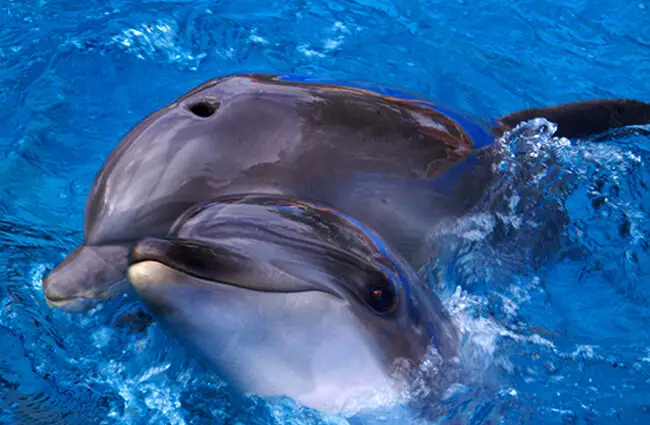
- Calf Rearing: Dolphin calves are highly dependent on their mothers, nursing for up to two years or even longer. They learn essential survival skills, hunting techniques, and social behaviors from their mothers and the rest of the pod. This extended period of maternal care is crucial for the calf’s development and integration into the complex social structure.
Dolphins in the Ecosystem: Nature’s Balancers
Dolphins play a vital role in maintaining the health and balance of marine ecosystems. As apex or near-apex predators, they help regulate fish and squid populations, preventing overpopulation of certain species. Their presence is often an indicator of a healthy marine environment, rich in biodiversity.
- Predator Role: By consuming a variety of prey, dolphins influence the food web dynamics. For example, orcas, at the very top of the food chain, can significantly impact populations of seals, sea lions, and even large whales.
- Nutrient Cycling: Through their feeding and waste products, dolphins contribute to nutrient cycling in the ocean, distributing organic matter throughout different water columns.
- Interaction with Other Animals: Dolphins often interact with other marine life. They may compete with sharks for food, or even cooperatively hunt with other cetaceans or seabirds. Some smaller fish species are known to follow dolphins, feeding on scraps left behind during hunts.
![Dolphin Photo by: Bernard Spragg. NZ [public domain] https://creativecommons.org/licenses/by-nd/20.0/](https://animals.net/wp-content/uploads/2020/02/Dolphin-9-650x425.jpg)
Dolphins and Humanity: Culture, Conservation, and Coexistence
Dolphins in Human Culture: Symbols of the Sea
For centuries, dolphins have held a special place in human culture, inspiring myths, legends, and art across diverse civilizations. Their intelligence, apparent benevolence, and playful nature have made them symbols of joy, wisdom, protection, and freedom.
- Ancient Greece: Dolphins were sacred to Apollo and Poseidon, often depicted as rescuers of shipwrecked sailors. The legend of Arion, saved by a dolphin, is a classic example.
- Indigenous Cultures: Many coastal indigenous communities around the world have spiritual connections to dolphins, viewing them as guides or benevolent spirits of the sea.
- Modern Symbolism: Today, dolphins continue to symbolize intelligence, grace, and our connection to the natural world. They are frequently featured in literature, film, and environmental campaigns.
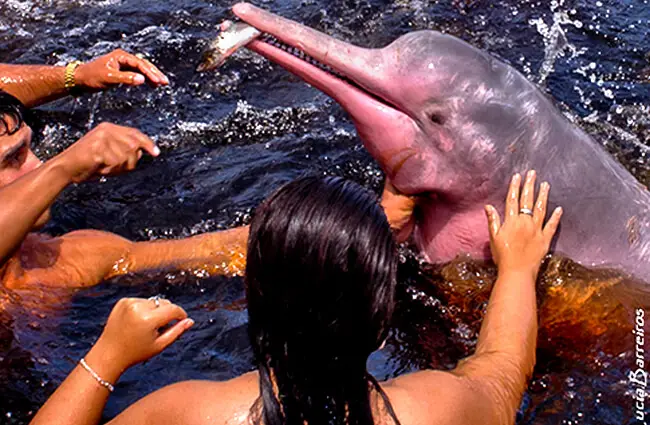
Our Shared Waters: Dolphin-Human Interactions
Interactions between humans and dolphins are multifaceted, ranging from awe-inspired observation to direct impact.
- Tourism: Dolphin watching tours are popular worldwide, offering opportunities for people to observe these magnificent creatures in their natural habitat. Responsible tourism emphasizes minimal disturbance and respectful viewing distances.
- Fishing: Dolphins can interact with fishing operations, sometimes benefiting from discarded bycatch, but more often facing threats from entanglement in fishing gear (bycatch), which is a major cause of mortality for many dolphin species.
- Research: Scientists study dolphins extensively to understand their biology, behavior, and conservation needs, contributing invaluable knowledge to marine science.
- Therapy: In some contexts, dolphins have been used in animal-assisted therapy, though the ethical implications of such practices are widely debated.
Conservation Challenges: Protecting Our Ocean’s Ambassadors
Despite their intelligence and adaptability, dolphins face numerous threats, many of which are human-induced. Conservation efforts are crucial to ensure their survival.
- Bycatch: Accidental entanglement in fishing nets is arguably the greatest threat to dolphin populations globally.
- Habitat Degradation: Pollution from plastics, chemicals, and noise disrupts their environment, affecting their health, communication, and ability to find food.
- Climate Change: Changes in ocean temperature and currents can alter prey distribution, impacting dolphin foraging success.
- Direct Hunting: While less common now, some cultures still hunt dolphins, though international pressure has reduced this practice in many areas.
Supporting sustainable fishing practices, reducing plastic consumption, advocating for marine protected areas, and participating in citizen science programs are all ways to contribute to dolphin conservation.
Encountering a Dolphin in the Wild: What to Do
For the animal lover or aspiring zoologist, encountering a dolphin in its natural habitat is an unforgettable experience. However, it is crucial to prioritize the animal’s well-being and safety.
- Observe from a Distance: Maintain a respectful distance, typically at least 50-100 yards (45-90 meters), to avoid disturbing their natural behavior.
- Never Feed or Touch: Feeding wild dolphins can alter their natural foraging behaviors and make them dependent on humans, potentially leading to dangerous interactions. Touching can transfer diseases or stress the animal.
- Minimize Noise: If on a boat, keep engine noise to a minimum and avoid sudden movements.
- Report Strandings or Injured Animals: If you encounter a stranded, injured, or distressed dolphin, do NOT attempt to push it back into the water. Contact local marine mammal rescue organizations or wildlife authorities immediately. They have the expertise and equipment to provide appropriate care.
- Be Patient: Dolphins are wild animals. Enjoy the privilege of observing them without expecting them to perform.
Caring for Dolphins in Captivity: A Zookeeper’s Role
For zookeepers and marine park professionals, caring for dolphins in human care is a demanding and highly specialized role focused on providing optimal welfare.
- Daily Tasks:
- Diet and Nutrition: Preparing and delivering a meticulously balanced diet of high-quality, often frozen, fish and squid, ensuring proper thawing and supplementation.
- Habitat Maintenance: Regularly cleaning and monitoring water quality in their pools, maintaining appropriate salinity, temperature, and filtration systems.
- Health Monitoring: Daily observation for any signs of illness or injury, assisting veterinarians with routine check-ups, blood draws, and medical procedures.
- Behavioral Enrichment: Designing and implementing a variety of enrichment activities, including toys, puzzles, and novel interactions, to stimulate their minds and encourage natural behaviors.
- Training: Engaging dolphins in positive reinforcement training for husbandry behaviors (e.g., presenting fins for inspection, voluntarily participating in medical exams) and cognitive stimulation.
- Social Management: Monitoring social dynamics within the pod to ensure harmonious relationships and address any potential conflicts.
- What to Avoid:
- Over-reliance on Performance: While training is important, avoiding excessive or repetitive performances that do not contribute to the animal’s welfare or natural behaviors.
- Inadequate Space: Ensuring enclosures provide sufficient space for swimming, diving, and social interaction, mimicking the vastness of their natural habitat as much as possible.
- Poor Water Quality: Neglecting water filtration or chemical balance, which can lead to skin infections and other health issues.
- Lack of Enrichment: A sterile or unchanging environment can lead to boredom and stereotypical behaviors.
- Inappropriate Human Interaction: Limiting direct physical contact to necessary husbandry and medical procedures, avoiding interactions that could stress the animals or habituate them to humans in an unnatural way.
Fascinating Dolphin Facts: Quick Bites of Knowledge
- Brainy Beasts: Dolphins have large, complex brains, second only to humans in terms of brain-to-body size ratio, leading to their remarkable intelligence.
- Sleeping with One Eye Open: Dolphins practice “unihemispheric slow-wave sleep,” meaning one half of their brain sleeps while the other remains awake, allowing them to continue breathing and stay alert for predators.
- Super Swimmers: Some dolphin species can reach speeds of over 30 miles per hour (48 km/h).
- Deep Divers: While many stay near the surface, some species can dive to depths of several hundred meters in search of prey.
- Complex Communication: Dolphins communicate through a variety of clicks, whistles, and burst-pulsed sounds, forming a sophisticated language that scientists are still working to decipher.
- Self-Recognition: Bottlenose dolphins are one of the few animal species known to recognize themselves in a mirror, indicating a high level of self-awareness.
- Tool Use: Some bottlenose dolphins in Australia use sponges as tools to protect their snouts while foraging for food on the seafloor.
- Long-Term Memory: Dolphins have demonstrated impressive long-term memory, recognizing individuals they haven’t seen in decades.
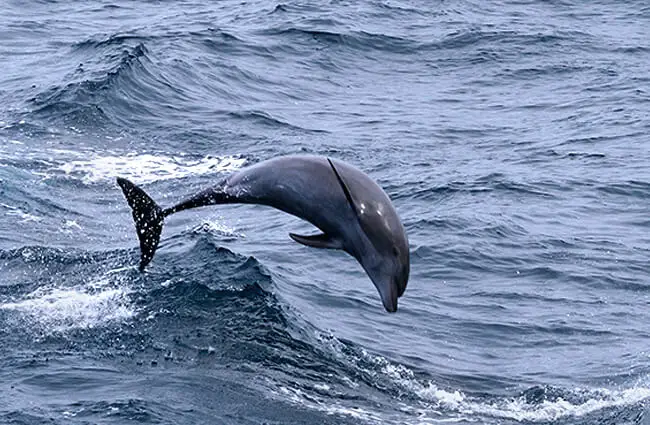
- Playful Nature: Dolphins are renowned for their playful behavior, including surfing waves, leaping out of the water, and interacting with objects.
- “Auntie” System: Female dolphins often assist other mothers in the pod with calf-rearing, a behavior known as alloparental care.
Conclusion: Guardians of the Blue Planet
Dolphins are more than just charismatic creatures; they are vital components of marine ecosystems, living testaments to evolutionary ingenuity, and intelligent beings with complex social lives. Their journey from land to sea, their sophisticated senses, and their intricate interactions with both their environment and each other offer endless avenues for study and appreciation.
As we continue to unravel the mysteries of these ocean ambassadors, it becomes increasingly clear that their future is inextricably linked to our own. Protecting dolphins means protecting the health of our oceans, a responsibility that falls to all of us. By understanding, respecting, and advocating for these magnificent marine mammals, we ensure that their joyful leaps and haunting calls will continue to grace the waves for generations to come.
![Closeup of a beautiful Red Angus cowPhoto by: U.S. Department of Agriculture [pubic domain]https://creativecommons.org/licenses/by/2.0/](https://animals.net/wp-content/uploads/2020/03/Red-Angus-4-238x178.jpg "Red Angus")


![Closeup of a beautiful Red Angus cowPhoto by: U.S. Department of Agriculture [pubic domain]https://creativecommons.org/licenses/by/2.0/](https://animals.net/wp-content/uploads/2020/03/Red-Angus-4-100x75.jpg "Red Angus")