Unveiling the Dog Salmon: A Journey into the Life of the Ocean’s Resilient Wanderer
Beneath the surface of the vast Pacific, a remarkable creature embarks on one of nature’s most epic journeys. Known by many names, the Dog Salmon, or Chum Salmon, is a testament to resilience, adaptation, and the intricate web of life that connects our oceans to our rivers. From its humble beginnings in freshwater streams to its expansive life in the open sea, and its final, arduous return, this fish plays a pivotal role in ecosystems and human cultures alike. Join us as we dive deep into the fascinating world of Oncorhynchus keta, exploring its secrets and celebrating its enduring spirit.
What’s in a Name? Decoding the Dog Salmon
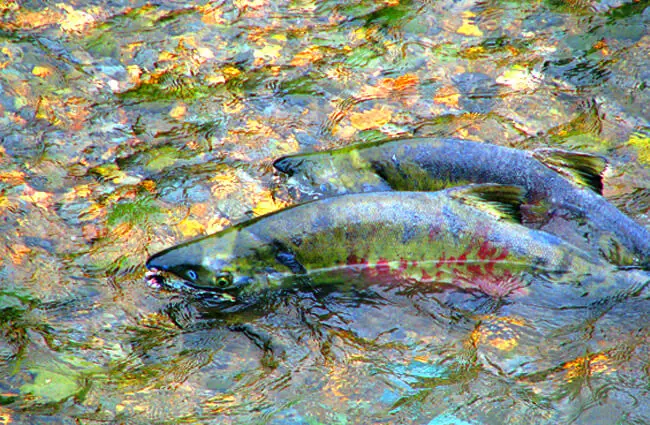
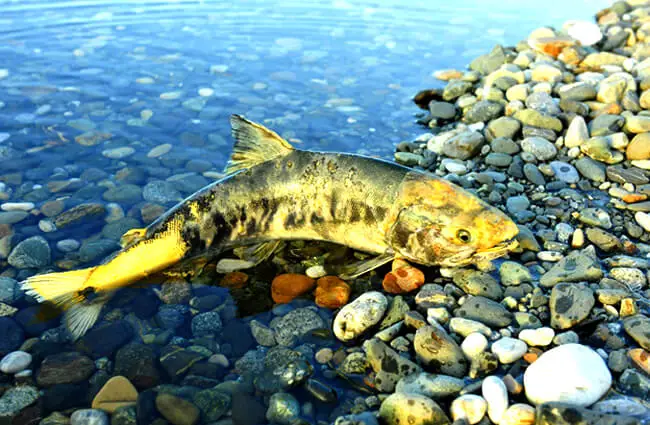
The fish we affectionately call the Dog Salmon is scientifically known as Oncorhynchus keta. While “Dog Salmon” is a common moniker, particularly in Alaska and parts of Canada, it also goes by several other names, each hinting at a different aspect of its life. You might hear it called Chum Salmon, a name believed to derive from the Chinook Jargon word “t’ɬəx̌ʷəm,” meaning “spotted” or “marked.” Other names include Keta Salmon, Silverbrite Salmon, for its shimmering ocean phase, and Calico Salmon, referencing the striking barred patterns it develops during its spawning migration. The “Dog Salmon” name itself is a nod to the prominent, canine-like teeth that mature males develop as they prepare to spawn, a truly impressive and somewhat intimidating transformation.
Where Do They Live? A Global Traveler’s Habitat
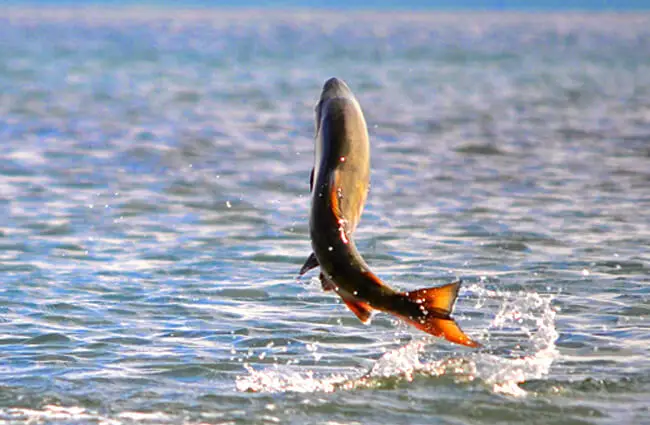
The Dog Salmon is a true globetrotter of the North Pacific. Its extensive distribution spans from the coastal waters of Korea and Japan, across the Bering Sea, throughout Alaska, down the coast of Canada, and into the Pacific Northwest of the United States. This wide range highlights its adaptability to diverse environments. As an anadromous species, its life cycle is intimately tied to both freshwater and saltwater ecosystems. Dog Salmon are born in freshwater rivers and streams, where they spend their earliest days. Unlike some other salmon species, juvenile Dog Salmon typically migrate to estuaries and then the open ocean relatively quickly after hatching. They spend the majority of their adult lives in the nutrient-rich, cold waters of the North Pacific, growing and maturing before undertaking their incredible journey back to the very freshwater systems where they were born to spawn.
Physical Characteristics: Built for Survival
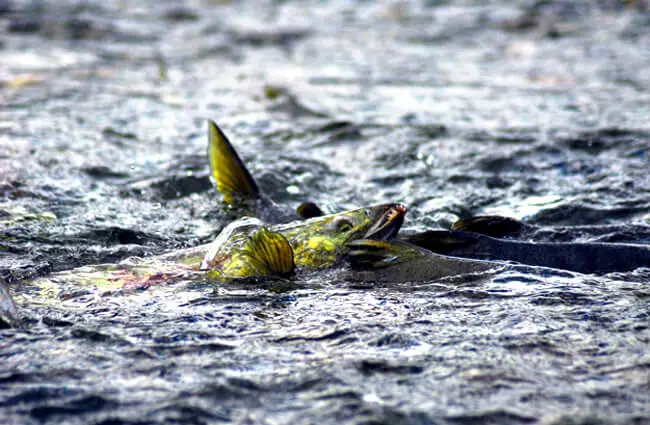
In its prime ocean phase, the Dog Salmon is a sleek, powerful swimmer, typically weighing between 10 and 20 pounds and measuring 24 to 30 inches in length. However, some individuals can grow significantly larger, occasionally exceeding 40 pounds. During this oceanic stage, their appearance is characterized by a metallic, silvery-blue back that fades to a lighter, often white, belly, with only faint speckles. This camouflage helps them blend seamlessly into the open ocean environment. The most dramatic transformation occurs as they approach their spawning grounds. Their bodies darken, often developing striking vertical bars of green, purple, and red, earning them the “Calico Salmon” nickname. Males undergo an even more pronounced change, developing a pronounced hooked snout, known as a “kype,” and those formidable, elongated canine-like teeth that give them their “Dog Salmon” name. These physical adaptations are crucial for attracting mates and defending spawning territories in the freshwater environment.
The Journey Home and the Circle of Life: Reproduction and Life Cycle
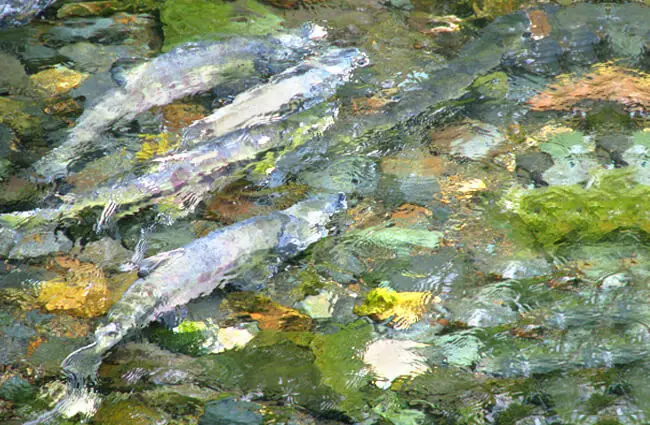
The life of a Dog Salmon is a testament to nature’s relentless drive for reproduction. After spending three to five years maturing in the ocean, they embark on one of the most arduous migrations in the animal kingdom, returning to their natal streams. This journey can span thousands of miles, often against powerful currents, and requires immense energy reserves. Once they reach their spawning grounds, typically in late summer to early winter depending on the region, the females begin to dig nests, called “redds,” in the gravel riverbed. Using their tails, they create depressions where they deposit their eggs, which are then fertilized by the males. Dog Salmon are semelparous, meaning they spawn once and then die, their bodies becoming a vital nutrient source for the ecosystem. The fertilized eggs hatch into “alevins,” tiny fish with a yolk sac, which remain hidden in the gravel. Once the yolk sac is absorbed, they emerge as “fry” and quickly migrate downstream to estuaries and then the ocean, a unique characteristic among Pacific salmon that minimizes their time in freshwater. In the ocean, they transition into “smolts” and continue to grow into mature adults, completing the incredible circle of life.
What’s on the Menu? The Dog Salmon’s Diet
Throughout its life, the Dog Salmon’s diet shifts to match its environment and developmental stage. In their early freshwater lives as fry, they primarily feed on insect larvae and other small aquatic invertebrates. Once they reach the vastness of the ocean, their diet expands considerably. Adult Dog Salmon are opportunistic feeders, preying mainly on zooplankton, small crustaceans such as copepods and amphipods, squid, and smaller fish. This diverse diet allows them to grow rapidly and accumulate the energy reserves necessary for their epic spawning migration. Interestingly, once they enter freshwater for their spawning journey, adult Dog Salmon cease feeding entirely. Their bodies are fueled solely by the fat and protein reserves built up during their time in the ocean, a remarkable feat of biological engineering.
Guardians of the Ecosystem: Ecological Role and Interactions
The Dog Salmon is far more than just a fish; it is a keystone species, a critical component of the intricate food webs in both marine and freshwater ecosystems. In the ocean, they serve as a vital food source for a wide array of predators, including marine mammals like seals and orcas, as well as larger fish. Upon their return to freshwater, their importance to the ecosystem becomes even more pronounced. Spawning salmon are a crucial food source for terrestrial predators such as bears, eagles, and wolves, which gather along riverbanks to feast on the migrating fish. Perhaps most profoundly, the carcasses of post-spawned salmon deliver a massive influx of marine-derived nutrients, like nitrogen and phosphorus, into nutrient-poor riparian zones. These nutrients fertilize the surrounding forests, supporting the growth of trees and plants, which in turn provide shade and habitat for future generations of salmon. This incredible cycle demonstrates how the life and death of the Dog Salmon literally sustain entire ecosystems.
Dog Salmon and Humanity: A Shared History
For millennia, the Dog Salmon has been intertwined with human culture, particularly among Indigenous peoples of the Pacific Northwest and Alaska. Historically, it was a crucial subsistence food source, often dried or smoked for winter provisions, and held deep cultural and spiritual significance, featuring prominently in ceremonies, art, and oral traditions. Today, Dog Salmon remains an important species for commercial fisheries, although it has sometimes been less valued than other Pacific salmon species like Sockeye or Chinook due to its lighter-colored flesh and different texture. However, its consistent runs and widespread availability make it a valuable resource. Recreational anglers also pursue Dog Salmon, especially during their spawning runs, appreciating the challenge and the unique experience. Recognizing its ecological and cultural importance, significant conservation efforts are underway to protect Dog Salmon populations and their habitats, focusing on sustainable fishing practices, habitat restoration, and addressing challenges like climate change and pollution.
Evolutionary Journey: A Glimpse into the Past
The Dog Salmon, like all salmonids, boasts an ancient lineage, with its ancestors navigating the waters of the North Pacific for millions of years. Its anadromous life history, the remarkable ability to transition between freshwater and saltwater, is a testament to profound evolutionary adaptations. Over countless generations, Dog Salmon have evolved specialized physiological mechanisms to cope with drastic changes in salinity, temperature, and diet. Their unique spawning morphology, particularly the male’s kype and teeth, is a result of sexual selection, enhancing their success in competitive breeding environments. Furthermore, the rapid downstream migration of Dog Salmon fry to the ocean, minimizing their freshwater residency, is a distinct evolutionary strategy that likely evolved to reduce predation pressure in riverine environments and capitalize on the abundant resources of the marine realm. The genetic diversity within Dog Salmon populations is a crucial asset, providing the raw material for continued adaptation and resilience in the face of ongoing environmental changes.
Encountering Dog Salmon in the Wild: A Guide for Nature Enthusiasts
For animal lovers and aspiring zoologists, witnessing Dog Salmon in their natural habitat is an unforgettable experience. If you are hoping to find Dog Salmon in the wild, the best time and place to look is during their spawning season, which typically runs from late summer through early winter, depending on the specific region and river system. They can be found in the rivers and streams of the North Pacific rim, from Alaska down to the Pacific Northwest. Look for clear, gravel-bottomed streams, often with moderate currents, as these are ideal spawning habitats. You can spot them by looking for splashing or movement in shallow waters, or by observing their distinctive spawning colors and the impressive kypes of the males. When you encounter Dog Salmon in the wild, remember these guidelines:
- Observe from a respectful distance: Give the fish ample space. Their journey is incredibly strenuous, and any disturbance can impact their ability to spawn successfully.
- Do NOT disturb spawning salmon or their redds: Walking through shallow areas where salmon are present can damage their nests and eggs.
- Do NOT touch or interfere with struggling fish: While it may be tempting to “help” a struggling fish, human intervention often causes more harm than good. Nature has its own course.
- Report unusual observations: If you notice a large number of dead fish, signs of pollution, or other concerning activities, report them to your local wildlife authorities or fisheries department.
- Appreciate their incredible journey: Take a moment to reflect on the immense effort and biological marvel unfolding before you.
Caring for Dog Salmon in Captivity: Insights for Zookeepers
Caring for Dog Salmon in a captive environment presents unique challenges, primarily due to their anadromous life cycle and specific environmental requirements. Replicating the full spectrum of their natural habitat, from freshwater birth to ocean maturity and back, is a complex undertaking. For zookeepers aiming to house or study Dog Salmon, several key tasks and considerations are paramount:
- Water Quality is King: Maintaining pristine, cold, and highly oxygenated water is non-negotiable. Zookeepers must diligently monitor and control parameters such as temperature (typically cold, mimicking natural river/ocean conditions), pH, dissolved oxygen levels, and nitrogenous waste products like ammonia, nitrites, and nitrates.
- Replicate Natural Environments: The tank environment should mimic natural conditions as closely as possible. This includes providing adequate water currents, appropriate substrate (e.g., gravel for potential spawning attempts), and hiding spots for juveniles.
- Balanced Nutrition: A diet that closely mimics their natural prey is essential. High-quality commercial salmon pellets can form the base, supplemented with items like krill, squid, and small fish to ensure a comprehensive nutritional profile.
- Vigilant Health Monitoring: Regular observation for signs of stress, disease, or parasites is crucial. Proactive health management, including quarantine protocols for new arrivals, is vital to prevent outbreaks.
- Spawning Attempts: If the goal is to facilitate reproduction, this requires highly specialized knowledge and equipment. It involves precise control over water temperature, flow regimes, and often artificial propagation techniques to ensure successful fertilization and hatching.
Conversely, there are several practices zookeepers should actively avoid:
- Overcrowding: This leads to stress, aggression, and poor water quality.
- Poor Water Quality: Any deviation from optimal parameters can quickly lead to health issues and mortality.
- Sudden Environmental Changes: Abrupt shifts in temperature, pH, or salinity can be highly detrimental.
- Unnecessary Handling: Salmon are sensitive fish; minimize handling to reduce stress and injury.
- Incompatible Species: Avoid housing Dog Salmon with species that may prey on them or compete excessively for resources.
Despite the challenges, captive Dog Salmon can serve as invaluable educational ambassadors, helping the public understand the incredible life cycle of salmon and the critical importance of their conservation.
Fascinating Facts About the Dog Salmon
- Widest Distribution: The Dog Salmon boasts the widest natural geographic distribution of all Pacific salmon species, showcasing its remarkable adaptability.
- “Silverbrite” Flesh: Its flesh is typically lighter in color compared to other salmon, which historically led to it being less prized commercially, but it is still a delicious and nutritious fish.
- Incredible Homing Instinct: Like all Pacific salmon, Dog Salmon possess an astonishing homing instinct, returning with pinpoint accuracy to the very stream where they hatched.
- Flexible Spawners: They are often considered the least “picky” of the Pacific salmon when it comes to spawning habitat, frequently utilizing smaller streams, side channels, and even intertidal zones.
- Kype and Teeth for Show: The male’s dramatic hooked snout (kype) and large teeth are primarily for display and fighting during the spawning season, not for feeding.
- Rapid Ocean Migration: Dog Salmon fry typically migrate to the ocean much faster than other Pacific salmon species, a unique adaptation that helps them avoid freshwater predators.
Conclusion: A Legacy of Resilience
The Dog Salmon, or Chum Salmon, is a magnificent creature whose life story is a powerful narrative of survival, transformation, and ecological interdependence. From its epic migrations across vast oceans to its final, life-giving act in the freshwater streams, this species embodies the wild spirit of the Pacific. Its contribution to both natural ecosystems and human cultures is immeasurable, underscoring the vital need for continued conservation efforts. By understanding and appreciating the Dog Salmon, we not only celebrate a remarkable fish but also commit to protecting the health of the rivers and oceans that sustain us all. May its incredible journey continue for generations to come.
![Closeup of a beautiful Red Angus cowPhoto by: U.S. Department of Agriculture [pubic domain]https://creativecommons.org/licenses/by/2.0/](https://animals.net/wp-content/uploads/2020/03/Red-Angus-4-100x75.jpg "Red Angus")