In the vast, sun-drenched landscapes of the American Southwest, a creature of ancient lineage and remarkable resilience quietly navigates its existence. This is the Desert Tortoise, a living testament to adaptation, survival, and the profound beauty of life in extreme environments. Far more than just a shelled reptile, this iconic inhabitant plays a crucial role in its ecosystem and holds a special place in the hearts and cultures of those who share its arid home.
Embark on a journey to uncover the secrets of this fascinating desert dweller, from its evolutionary past to its daily struggles and triumphs, and learn how humans can best coexist with this extraordinary species.
The Desert Tortoise: An Overview
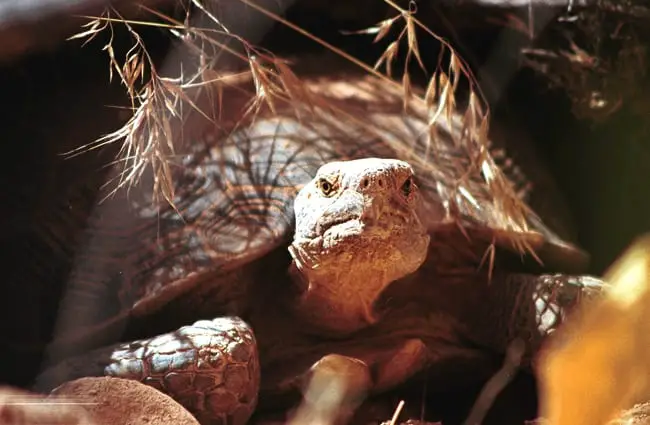
The Desert Tortoise, scientifically known as Gopherus agassizii for the Mojave population and Gopherus morafkai for the Sonoran population, is a medium-sized reptile characterized by its high-domed shell, sturdy legs, and shovel-like forelimbs perfectly adapted for digging. These creatures are true masters of their environment, spending up to 95 percent of their lives underground to escape the harsh desert temperatures.
Basic Identification and Range
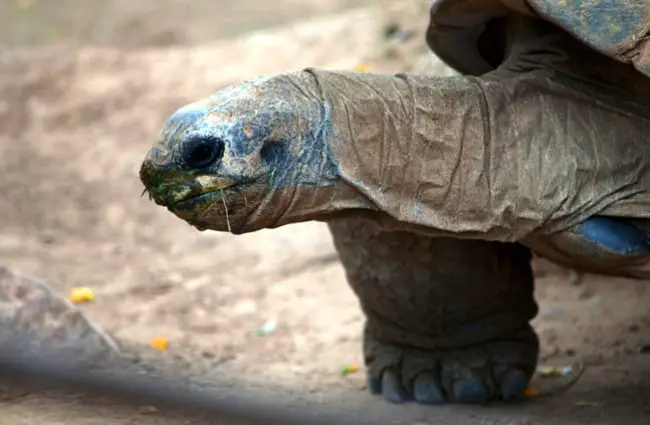
- Appearance: A robust, domed shell, typically tan to dark brown, providing excellent camouflage against the desert floor. Adults can reach lengths of 6 to 15 inches (15 to 38 cm) and weigh between 8 to 15 pounds (3.6 to 6.8 kg). Their front legs are powerful and clawed, resembling shovels, ideal for excavating burrows.
- Habitat: Primarily found in arid and semi-arid regions, including creosote bush scrub, Joshua tree woodlands, and rocky canyons. They prefer areas with sandy or gravelly soils suitable for burrow construction.
- Geographic Distribution: The Mojave Desert Tortoise (Gopherus agassizii) inhabits parts of California, Nevada, Arizona, and Utah. The Sonoran Desert Tortoise (Gopherus morafkai) is found in southern Arizona and parts of Sonora, Mexico.
- Lifespan: These long-lived reptiles can survive for 50 to 80 years in the wild, with some individuals exceeding 100 years under optimal conditions.
A Life Forged in Sand: Habitat and Adaptations
The desert is a land of extremes, and the Desert Tortoise has evolved a suite of remarkable adaptations to thrive where others cannot. Its survival hinges on its ability to manage water, temperature, and food scarcity.
Master Architects of the Desert
The most critical adaptation of the Desert Tortoise is its burrowing behavior. These burrows are not mere holes in the ground, but sophisticated underground shelters that serve multiple purposes:
- Temperature Regulation: Burrows provide refuge from scorching summer heat and freezing winter temperatures. Inside, temperatures remain relatively stable, offering a cool sanctuary in summer and protection from frost in winter.
- Predator Avoidance: The safety of a burrow offers protection from predators such as coyotes, badgers, and raptors.
- Water Conservation: The humid air within burrows helps reduce water loss through evaporation, a vital factor in an arid environment.
Tortoises dig burrows using their powerful forelimbs, often creating multiple burrows within their home range. These can range from shallow scrapes under bushes to elaborate tunnels several feet deep and many feet long.
Water Wisdom and Thermoregulation
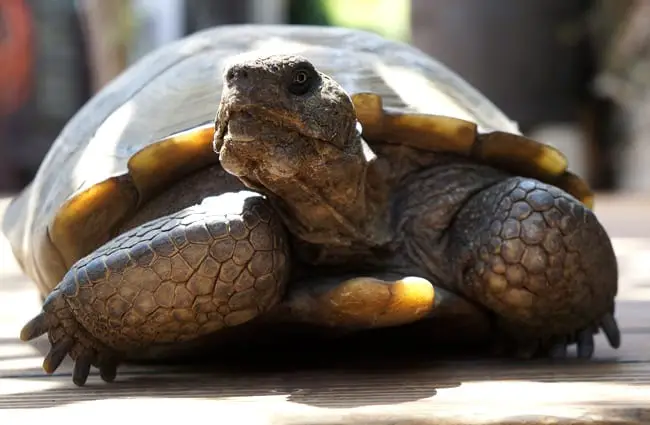
Desert Tortoises are experts in water conservation. They obtain most of their water from the plants they eat, especially during the spring when annual wildflowers are abundant. They can also store water in their bladders, sometimes holding up to 40 percent of their body weight in water and urine. This stored water can be reabsorbed during dry periods or expelled as a defense mechanism when threatened, making them vulnerable if they lose this precious resource.
To regulate body temperature, tortoises employ behavioral strategies:
- Basking: In the mornings, they emerge to bask in the sun, raising their body temperature to optimal levels for activity.
- Shade Seeking: During the hottest parts of the day, they retreat into burrows or seek shade under shrubs and rocks.
- Estivation: During prolonged dry and hot periods, they may enter a state of estivation, similar to hibernation, reducing their metabolic rate and remaining inactive in their burrows for weeks or months.
- Hibernation: In winter, when temperatures drop, they hibernate in their burrows, sometimes with other tortoises, until spring.
The Desert Tortoise Diet: A Forager’s Feast
The diet of the Desert Tortoise is primarily herbivorous, consisting of a variety of desert plants. Their feeding habits are closely tied to seasonal availability and rainfall.
What’s on the Menu?
Desert Tortoises are opportunistic foragers, consuming a wide range of vegetation:
- Annual Wildflowers and Grasses: These form the bulk of their diet, especially during the spring bloom. They provide essential moisture and nutrients.
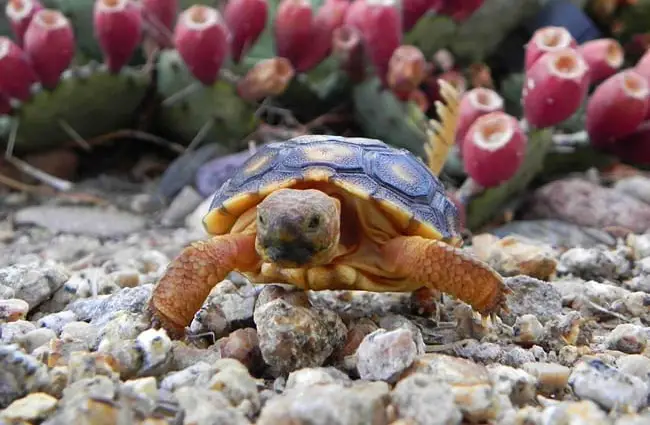
- Cacti: They eat the pads and fruits of various cacti, such as prickly pear, which are excellent sources of water and fiber.
- Shrubs: Leaves and flowers of certain desert shrubs are also consumed.
- Fungi: Occasionally, they may eat fungi after rainfall.
Their diet is crucial for their hydration, as they absorb much of their water directly from the plants they consume. A diverse diet ensures they receive a balanced intake of vitamins and minerals. They are selective eaters, often choosing specific plants based on their nutritional content and moisture levels. Young tortoises tend to be more selective, favoring protein-rich plants for growth.
Evolutionary Journey: An Ancient Lineage
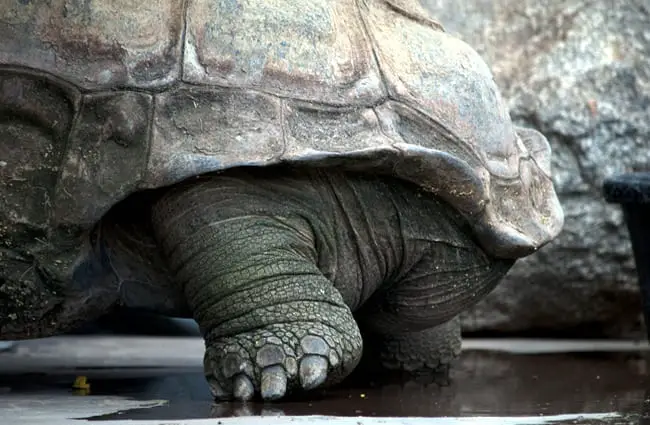
The Desert Tortoise is part of an ancient lineage of tortoises that have roamed the Earth for millions of years. Their ancestors adapted to arid environments long ago, developing the characteristic dome-shaped shell and powerful digging limbs that define them today.
A Legacy of Survival
Fossil records indicate that tortoises have existed for over 200 million years. The genus Gopherus, to which the Desert Tortoise belongs, emerged much later, with species adapting to various North American environments. The Desert Tortoise’s evolution is a story of gradual specialization, fine-tuning its physiology and behavior to master the challenges of desert life. This long evolutionary history has endowed them with incredible resilience, but also makes them slow to adapt to rapid environmental changes.
Mating and Reproduction: The Cycle of Life
The reproductive cycle of the Desert Tortoise is a slow and deliberate process, reflecting their long lifespan and the energy demands of desert living.
Courtship and Nesting
Mating typically occurs in the spring and early summer, following their emergence from hibernation. Male tortoises engage in elaborate courtship rituals, which can include head-bobbing, circling, and even ramming other males or females with their shells. A male will often bite the female’s shell or legs during courtship.
- Nesting: Females lay clutches of eggs from May to July. They meticulously dig a flask-shaped nest chamber, often near the entrance of their burrow or under a shrub, to protect the eggs from predators and temperature fluctuations.
- Clutch Size: A female can lay one to three clutches per year, with each clutch containing 1 to 12 eggs, though 4 to 8 eggs is more common.
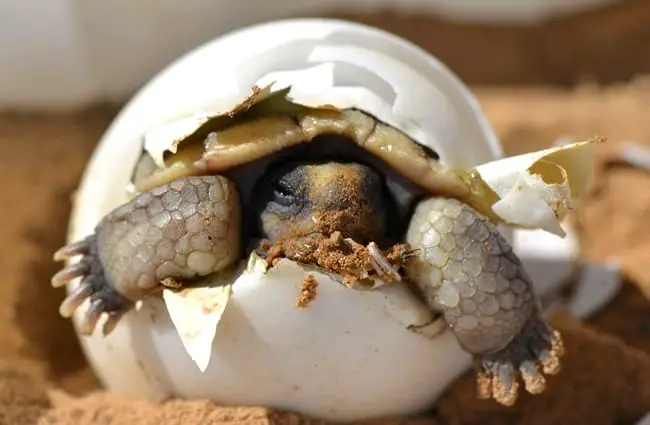
- Incubation: The eggs incubate for 90 to 120 days, depending on temperature. The sex of the hatchlings is determined by the incubation temperature, a phenomenon known as temperature-dependent sex determination (TSD). Warmer temperatures generally produce females, while cooler temperatures produce males.
- Hatchlings: Hatchlings are tiny, vulnerable replicas of their parents, emerging in late summer or early fall. They immediately begin digging small burrows or utilizing existing shelters for protection.
Sexual maturity is reached relatively late, often between 10 to 20 years of age, making population recovery a slow process when numbers decline.
Ecosystem Contributions: A Keystone Species
The Desert Tortoise is considered a keystone species in its desert habitat. This means its presence and activities significantly impact the structure and function of the entire ecosystem, disproportionately to its abundance.
Burrows: Homes for Many
The burrows dug by Desert Tortoises are not just for their own use. They provide critical shelter for a wide array of other desert animals, including:
- Desert Iguanas
- Gila Monsters
- Burrowing Owls
- Kangaroo Rats
- Snakes (e.g., Gopher Snakes, Rattlesnakes)
- Insects
By creating these microhabitats, the Desert Tortoise helps support biodiversity in an otherwise challenging environment. Without their burrowing activities, many other species would struggle to survive the desert’s extremes.
Seed Dispersal and Nutrient Cycling
As they forage, Desert Tortoises inadvertently contribute to seed dispersal, helping to spread plant species across the landscape. Their waste also returns nutrients to the soil, contributing to nutrient cycling and supporting plant growth.
Desert Tortoises and Humanity: A Complex Relationship
The relationship between Desert Tortoises and humans is multifaceted, encompassing cultural reverence, scientific study, and significant conservation challenges.
Cultural Significance
For many indigenous peoples of the American Southwest, the Desert Tortoise holds deep cultural and spiritual significance. It is often revered as a symbol of longevity, wisdom, and perseverance. Its image appears in traditional stories, art, and ceremonies, reflecting a long history of coexistence and respect for this ancient creature.
Human Interaction and Conservation Status
Unfortunately, modern human activities have placed immense pressure on Desert Tortoise populations. Both the Mojave and Sonoran Desert Tortoises are listed as threatened species under the U.S. Endangered Species Act, primarily due to:
- Habitat Loss and Fragmentation: Urban development, agricultural expansion, and infrastructure projects (roads, power lines) destroy and fragment their habitat, isolating populations.
- Disease: Upper Respiratory Tract Disease (URTD), a contagious illness, has devastated wild populations, often spread by contact with captive tortoises released into the wild.
- Vehicle Strikes: Tortoises are slow-moving and vulnerable to being hit by vehicles on roads that cross their habitat.
- Predation: Increased populations of common ravens, often subsidized by human waste and structures, prey heavily on juvenile tortoises. Domestic dogs can also be a threat.
- Illegal Collection: Despite legal protections, some tortoises are illegally collected for the pet trade.
- Climate Change: Altered rainfall patterns and increased temperatures can impact food availability and stress tortoise populations.
Conservation efforts involve habitat protection, disease research, captive breeding programs, and public education to mitigate these threats.
Encountering a Desert Tortoise in the Wild: A Guide for Enthusiasts and Hikers
For animal lovers and hikers, spotting a Desert Tortoise in its natural environment is a truly special experience. Knowing where and how to find one, and what to do if you do, is crucial for their safety and yours.
Where and How to Find Them
- Location: Focus on protected areas within their known range, such as national parks, wildlife refuges, and designated tortoise conservation areas in the Mojave and Sonoran deserts.
- Timing: The best times to observe Desert Tortoises are during their active periods:
- Spring (March to May): After winter hibernation, they are most active, foraging for wildflowers and grasses. This is often the easiest time to spot them.
- Early Summer (June): Activity continues, but they may retreat into burrows during the hottest parts of the day.
- After Summer Rains (Monsoon Season in Sonoran Desert, July-August): Tortoises may emerge to drink and forage after significant rainfall.
- Early Morning and Late Afternoon: These are typically the coolest parts of the day when tortoises are most likely to be out of their burrows.
- Observation Tips: Look for their distinctive tracks in sandy areas or fresh scat near burrow entrances. Be patient and move slowly and quietly.
What to Do if You Encounter One
If you are lucky enough to see a Desert Tortoise in the wild, remember that it is a protected species. Your actions can significantly impact its well-being:
- Observe from a Distance: Maintain a respectful distance. Never approach, chase, or harass a tortoise.
- DO NOT Touch: Handling a tortoise can cause it to urinate, expelling its vital water reserves and making it vulnerable to dehydration. This is especially critical in hot weather.
- DO NOT Feed: Wild animals have specific diets. Human food can be harmful or lead to dependency.
- DO NOT Move It: Unless it is in immediate danger (e.g., in the middle of a busy road), do not move a tortoise. If it is in danger, contact local wildlife authorities or a park ranger for guidance. If you must move it, gently guide it in the direction it was already heading, only far enough to remove it from immediate harm, and always with clean hands or gloves.
- Keep Pets Leashed: Dogs can harass, injure, or transmit diseases to tortoises.
- Report Injured or Sick Tortoises: If you find a tortoise that appears injured, sick, or deceased, report its location to the appropriate wildlife agency or park staff.
- Stay on Designated Trails: This minimizes habitat disturbance and reduces the risk of accidentally stepping on a tortoise or its burrow.
Caring for Desert Tortoises in Captivity: A Zookeeper’s Guide
Caring for Desert Tortoises in a captive environment, such as a zoo or rescue facility, requires specialized knowledge to replicate their natural conditions and ensure their welfare. It is important to note that owning a wild Desert Tortoise as a pet is illegal without proper permits.
Essential Tasks for Zookeepers
- Habitat Design and Maintenance:
- Spacious Enclosure: Provide a large outdoor enclosure with ample space for roaming and burrowing.
- Substrate: A mix of sandy loam and gravel is ideal for digging. Provide areas with deeper substrate for burrow construction.
- Burrow Mimicry: Offer artificial burrows (e.g., sturdy wooden boxes, culverts) or allow natural burrowing. Ensure burrows are stable and provide thermal gradients.
- Shade and Sun: Design the enclosure with both sunny basking spots and shaded areas to allow for thermoregulation.
- Water Access: Provide shallow water dishes that are easily accessible and cleaned daily.
- Vegetation: Plant native, non-toxic desert plants for foraging and additional shade.
- Diet and Nutrition:
- Diverse Forage: Offer a wide variety of fresh, leafy greens, grasses, and appropriate desert plants (e.g., hibiscus, dandelions, clover, specific cacti pads).
- Avoid Harmful Foods: Never feed iceberg lettuce, fruit in excess, or processed human foods.
- Calcium and Vitamin D3: Supplement with calcium powder (especially for growing tortoises and egg-laying females) and ensure access to UVB lighting or natural sunlight for Vitamin D3 synthesis.
- Hydration: Beyond water dishes, ensure the diet provides sufficient moisture. Occasional shallow soaks can also aid hydration.
- Health Monitoring and Veterinary Care:
- Daily Checks: Observe for changes in appetite, activity level, shell condition, nasal discharge, eye clarity, and fecal consistency.
- Regular Weighing: Monitor weight to detect issues like dehydration or illness.
- Quarantine: New tortoises must be quarantined to prevent disease transmission, especially URTD.
- Veterinary Access: Establish a relationship with a reptile veterinarian experienced with tortoises for routine check-ups and emergency care.
- Parasite Control: Regular fecal exams and appropriate deworming if necessary.
- Environmental Enrichment:
- Foraging Opportunities: Scatter food to encourage natural foraging behavior.
- Substrate Variation: Provide different textures for digging and exploration.
- Hide Spots: Offer various naturalistic hideouts.
- Hibernation/Estivation Management:
- Controlled Environment: For tortoises in climates that require it, manage a safe, temperature-controlled hibernation chamber.
- Pre-Hibernation Health Check: Ensure the tortoise is healthy and has an empty gut before hibernation.
What to Avoid in Captive Care
- Overcrowding: Can lead to stress, aggression, and disease transmission.
- Inappropriate Diet: High-protein foods, excessive fruit, or processed foods can cause metabolic bone disease, shell deformities, and other health issues.
- Lack of UVB Lighting/Sunlight: Essential for calcium metabolism and overall health.
- Inadequate Hydration: Dehydration is a common and serious problem.
- Unsuitable Substrate: Dusty or overly abrasive substrates can cause respiratory or skin problems.
- Releasing Captive Tortoises: Never release a captive tortoise into the wild, as it can introduce diseases to wild populations.
- Frequent Handling: Can be stressful for the tortoise and lead to urination, depleting its water reserves.
Fascinating Facts About the Desert Tortoise
Here is a huge list of interesting facts that highlight the unique nature of the Desert Tortoise:
- Ancient Lineage: Desert Tortoises are among the oldest living creatures on Earth, with ancestors dating back millions of years.
- Temperature-Dependent Sex Determination (TSD): The sex of a hatchling is determined by the temperature of the nest during incubation, not by genetics.
- Water Storage: They can store up to 40% of their body weight in water in their bladders, a critical adaptation for desert survival.
- Long-Lived: Many individuals live for 50 to 80 years in the wild, with some exceeding a century.
- Burrow Architects: They spend up to 95% of their lives in burrows, which they dig themselves using powerful, shovel-like forelimbs.
- Shared Homes: Their burrows provide shelter for over 250 other species, including snakes, lizards, and small mammals, making them a keystone species.
- Slow Metabolism: They have a very slow metabolism, allowing them to conserve energy and survive long periods without food or water.
- Estivation and Hibernation: They can enter states of prolonged inactivity (estivation in summer, hibernation in winter) to cope with extreme temperatures and food scarcity.
- Defensive Urination: When stressed or threatened, they may urinate to lighten their load and make a quick escape, but this can be fatal in dry conditions.
- Dietary Flexibility: While primarily herbivorous, their diet varies seasonally, focusing on annual wildflowers and grasses in spring and tougher plants or cacti in drier periods.
- Slow to Mature: They do not reach sexual maturity until 10 to 20 years of age, making population recovery a slow process.
- Protected Status: Both the Mojave and Sonoran Desert Tortoises are listed as threatened under the U.S. Endangered Species Act.
- Shell Growth Rings: Like tree rings, their shells develop growth rings, though these are not always reliable for precise age determination.
- Unique Vocalizations: While generally quiet, they can make hissing or grunting sounds, especially during mating or when startled.
- Sun Worshippers: They bask in the sun to raise their body temperature, essential for digestion and activity, before retreating to shade or burrows.
Conclusion: Guardians of the Desert
The Desert Tortoise is more than just a reptile; it is an emblem of the desert’s enduring spirit, a living link to ancient ecosystems, and a vital component of its modern habitat. Its remarkable adaptations, from its self-dug burrows to its water-conserving physiology, paint a vivid picture of evolutionary success in one of the planet’s most challenging environments.
As humans continue to expand their footprint, the future of this iconic species rests heavily on our collective actions. Understanding its needs, respecting its space, and supporting conservation efforts are paramount to ensuring that the Desert Tortoise continues its slow, steady journey across the desert landscape for generations to come. Let us all strive to be responsible stewards of this magnificent creature and its irreplaceable home.
![Closeup of a beautiful Red Angus cowPhoto by: U.S. Department of Agriculture [pubic domain]https://creativecommons.org/licenses/by/2.0/](https://animals.net/wp-content/uploads/2020/03/Red-Angus-4-238x178.jpg "Red Angus")
![Closeup of a beautiful Red Angus cowPhoto by: U.S. Department of Agriculture [pubic domain]https://creativecommons.org/licenses/by/2.0/](https://animals.net/wp-content/uploads/2020/03/Red-Angus-4-100x75.jpg "Red Angus")