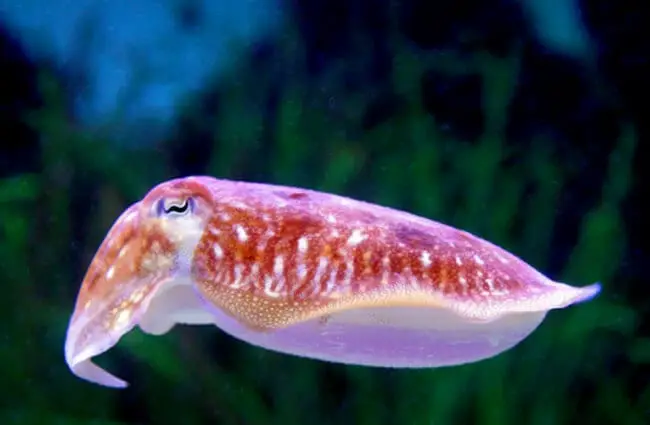
Cuttlefish, the ocean’s masters of disguise, are cephalopod mollusks renowned for their intelligence, sophisticated camouflage, and unique physiology. Often described as living kaleidoscopes, these creatures captivate both scientists and casual observers. This guide delves into the world of cuttlefish, exploring their biology, behavior, habitat, and ecological role.
Understanding Cuttlefish: An Introduction
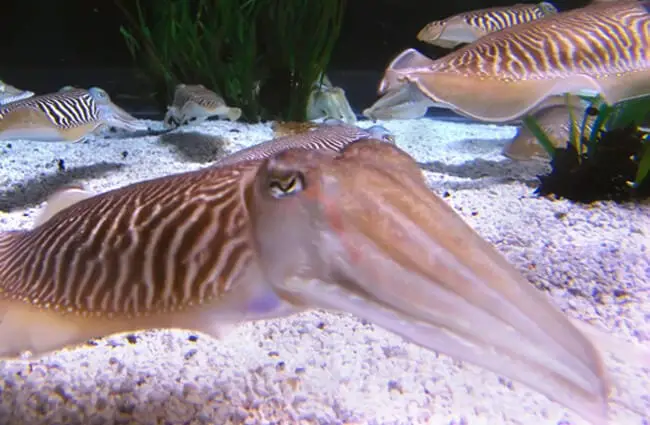
Cuttlefish belong to the class Cephalopoda, which also includes squid and octopuses. Unlike many cephalopods, cuttlefish have an internal skeleton called a cuttlebone. This porous, calcium‑carbonate structure is lighter than water, allowing cuttlefish to maintain neutral buoyancy without constant swimming. Their bodies are elongated and flattened, with a prominent head and large, expressive eyes. These eyes feature a W‑shaped pupil that enhances depth perception and provides excellent vision even in low‑light conditions.
Evolutionary History
The evolutionary journey of cuttlefish traces back to ancient marine mollusks that once possessed external shells. Over millions of years, those shells became internalized, giving rise to the cuttlebone we see today. The suborder Sepioidea, which includes all modern cuttlefish, emerged during the Jurassic period. Throughout the Mesozoic era, many species flourished, and today there are about 170 recognized cuttlefish species that inhabit oceans worldwide, each adapted to a diverse range of marine environments.
Habitat and Distribution
Cuttlefish are found in temperate and tropical oceans across the globe. They primarily occupy shallow coastal waters, including coral reefs, seagrass beds, and rocky substrates. Some species, such as the Australian Giant Cuttlefish, are endemic to specific regions and are found exclusively off the coast of South Australia. These cephalopods favor areas with abundant cover, which offers protection from predators and ample opportunities to ambush prey. Although they are benthic creatures that usually stay near the seafloor, cuttlefish can swim efficiently in open water when needed.
Diet and Hunting Strategies
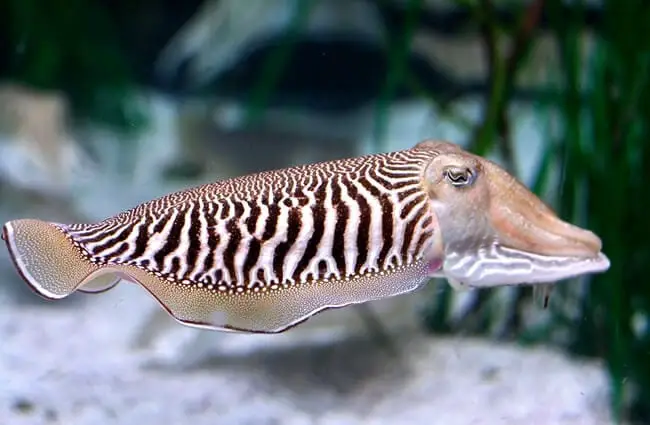
Cuttlefish are carnivorous predators with a varied diet that includes crabs, shrimp, small fish, and other mollusks. They employ sophisticated hunting tactics, using their camouflage to blend seamlessly with their surroundings. When a prey item approaches, cuttlefish extend two long tentacles equipped with suckers to capture and immobilize the target. Their beak‑like mouth then tears the prey apart, preparing it for consumption.
During mating season or when competing with other males, cuttlefish also display elaborate visual signals—often referred to as posturing. By flashing vibrant colors and patterns, they attract females or intimidate rivals. This form of visual communication plays a crucial role in their reproductive success.
The Remarkable Camouflage of Cuttlefish
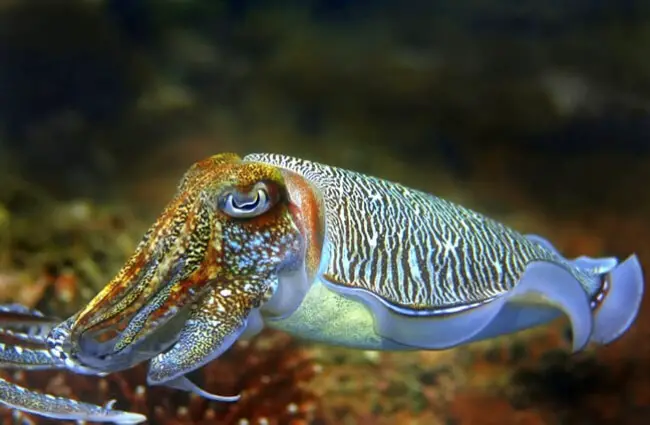
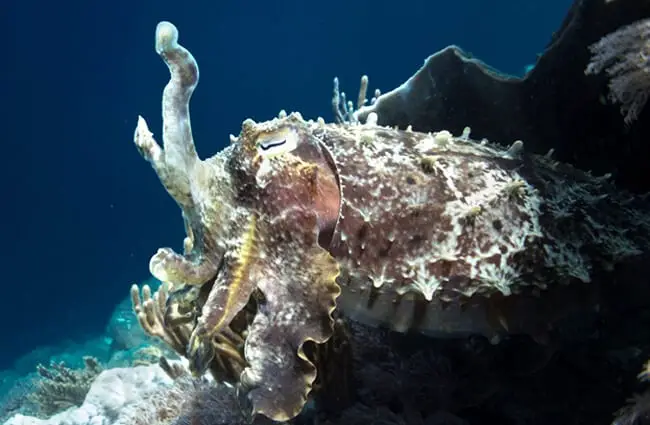
Cuttlefish possess an extraordinary ability to change color and texture, thanks to specialized pigment‑containing cells called chromatophores, iridophores, and leucophores. Chromatophores contain elastic sacs filled with pigment that contract or relax under muscular control, producing a wide array of colors and patterns. Iridophores reflect light, creating iridescent sheens, while leucophores scatter light, adding brightness and contrast. This intricate system allows cuttlefish to match their surroundings with incredible accuracy, effectively disappearing from view. Beyond camouflage, they use these color changes for communication, signaling mood, intent, or deception.
Mating and Reproduction
Cuttlefish exhibit a complex mating process. Males often engage in elaborate displays that involve vibrant color changes and postural displays. Competition among males is common, and rivals may engage in aggressive encounters. Once a pair forms, the male transfers sperm to the female using a specialized arm called a hectocotylus. The female then lays her eggs, attaching them to rocks, coral, or other underwater structures. These eggs are typically dark brown or reddish and resemble small grapes. Many species of cuttlefish guard their eggs diligently until they hatch, sometimes at great personal cost. After hatching, the adult cephalopod usually dies, as most cuttlefish are semelparous, reproducing only once in their lifetime.
Cuttlefish in the Ecosystem
Cuttlefish play a vital role in marine ecosystems. As predators, they help regulate populations of crustaceans, fish, and other invertebrates. They also serve as prey for larger predators such as sharks, seals, and dolphins. Through these interactions, cuttlefish contribute to nutrient cycling and energy flow within the food web. Their presence often indicates a healthy, diverse marine environment, and in some regions, cuttlefish aggregations attract divers and tourists, supporting local economies.
Interactions with Humans
Cuttlefish are prized delicacies in many parts of the world, especially in the Mediterranean, East Asia, and Australia. They are often grilled, fried, or added to stews and soups. Sustainable fishing practices are essential to preserve healthy cuttlefish populations. Cuttlefish bones, known as cuttlebone, have various uses: bird owners give them as a calcium supplement, artists use them to create molds for jewelry and sculptures, and researchers study them to gain insights into camouflage, vision, and neural processing.
Finding Cuttlefish in the Wild
For animal lovers eager to observe cuttlefish in their natural habitat, several locations offer excellent opportunities. The waters off South Australia are renowned for the annual giant cuttlefish aggregation, where thousands gather to mate. The Mediterranean Sea, particularly around Cyprus and Malta, is another prime location for spotting cuttlefish. When searching, focus on shallow coastal areas with rocky reefs, seagrass beds, or coral formations. Look for subtle color changes or textured patterns that hint at their presence. Patience and a keen eye are essential for successful observations.
Cuttlefish Care in Captivity
For zookeepers or aquarists, caring for cuttlefish requires careful attention. They need spacious tanks with ample hiding places and suitable substrate. Maintaining water quality is paramount, with regular monitoring of temperature, salinity, and nutrient levels. Because cuttlefish are sensitive to stress, they thrive in a calm and stable environment. Providing a varied diet of live or frozen seafood is essential. Enriching their habitat with novel objects and challenges stimulates their intelligence and helps prevent boredom. Note that cuttlefish have a relatively short lifespan in captivity and require specialized care to ensure their well-being.
Intriguing Cuttlefish Facts
- Cuttlefish have three hearts: two pump blood through the gills, while the third circulates blood to the rest of the body.
- They possess a beak‑like mouth made of chitin, similar to that of a parrot.
- Cuttlefish can regenerate lost limbs, though the process is slow.
- Their blood is blue due to the presence of hemocyanin, a copper‑based protein.
- Cuttlefish are highly intelligent and can solve complex problems.
- Some species can swim backwards by jet propulsion.
- They have a sophisticated nervous system and a relatively large brain.
Cuttlefish continue to fascinate scientists and nature enthusiasts alike. Their remarkable adaptations, intelligence, and captivating beauty make them truly exceptional creatures. Continued research and conservation efforts are essential to ensure the long-term survival of these masters of disguise in an ever‑changing marine environment.
![Closeup of a beautiful Red Angus cowPhoto by: U.S. Department of Agriculture [pubic domain]https://creativecommons.org/licenses/by/2.0/](https://animals.net/wp-content/uploads/2020/03/Red-Angus-4-100x75.jpg "Red Angus")