Crocodiles, ancient reptiles embodying both power and stealth, have captivated and intimidated humans for millennia. More than just formidable predators, these creatures play crucial roles in their ecosystems and hold a unique place in cultural narratives worldwide. This comprehensive guide delves into the world of crocodiles, exploring their biology, behavior, evolution, and interaction with both the natural world and humankind.
Understanding Crocodiles: A Broad Overview
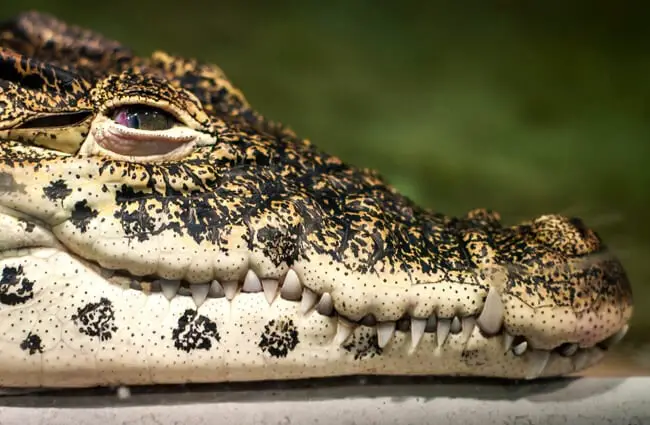
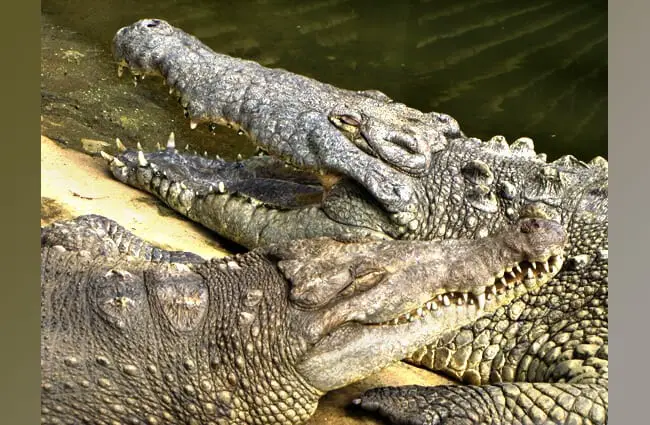
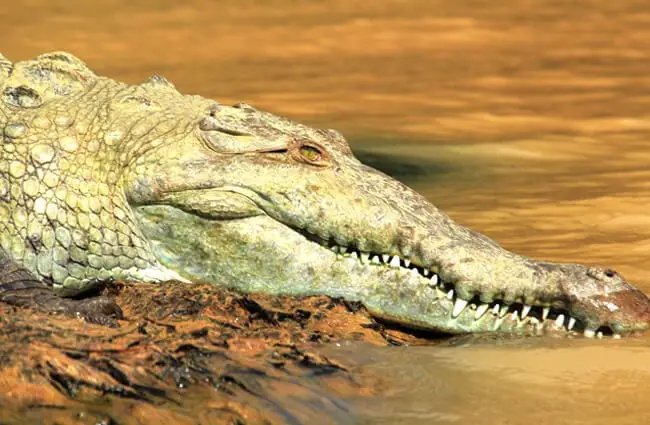
The term “crocodile” refers to any of the large, semiaquatic reptiles belonging to the family Crocodylidae. They are distinguished from alligators (family Alligatoridae) by their narrower snouts and a visible fourth tooth on the lower jaw that fits into a notch on the upper jaw when the mouth is closed. There are 13 recognized species of true crocodiles, found in tropical regions of Africa, Asia, the Americas, and Australia.
Physical Characteristics
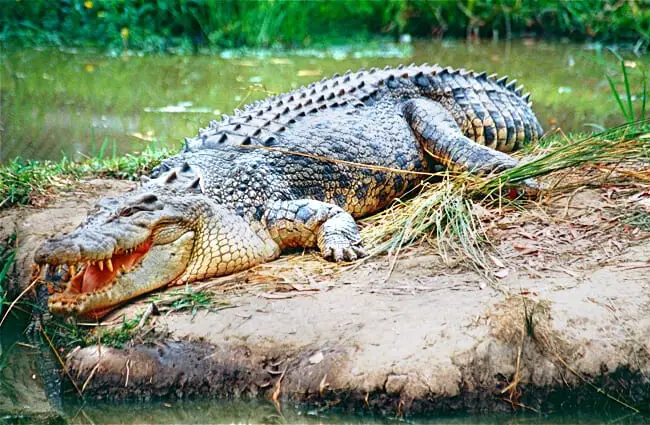
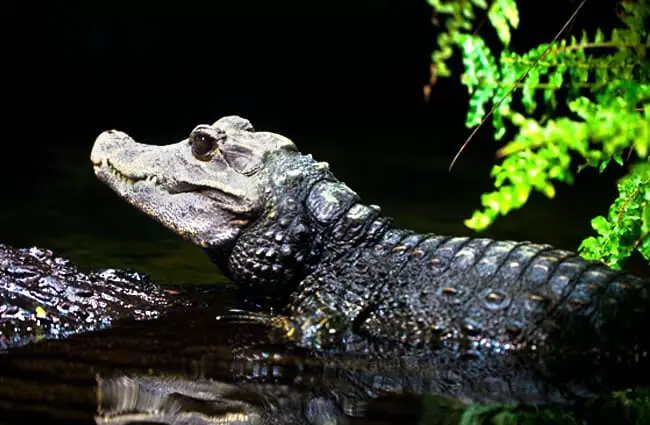
Crocodiles are masters of adaptation. Their bodies are elongated and heavily armored with bony plates called osteoderms, providing exceptional protection. Powerful tails propel them through the water, while webbed feet aid in steering. Their eyes and nostrils are positioned on top of the head, allowing them to see and breathe while remaining largely submerged. Size varies considerably among species, with the Saltwater Crocodile (Crocodylus porosus) being the largest living reptile, capable of reaching lengths exceeding 7 meters and weighing over a ton.
Habitat and Distribution
Crocodiles inhabit a diverse range of freshwater and brackish water environments. These include rivers, lakes, swamps, and estuaries. They prefer warm climates and are typically found within the tropics. Different species exhibit varying degrees of tolerance to salinity, influencing their distribution. The American crocodile, for example, is more tolerant of saltwater than many other species and can be found in coastal mangrove habitats. Saltwater crocodiles are uniquely adapted to marine environments, venturing far out into the ocean.
Crocodile Diet and Hunting Strategies
Crocodiles are apex predators, playing a critical role in regulating prey populations within their ecosystems. Their diet varies with age and species, but typically includes fish, birds, mammals, and reptiles. Larger crocodiles are capable of taking down substantial prey, including livestock and, occasionally, humans.
Ambush Predators
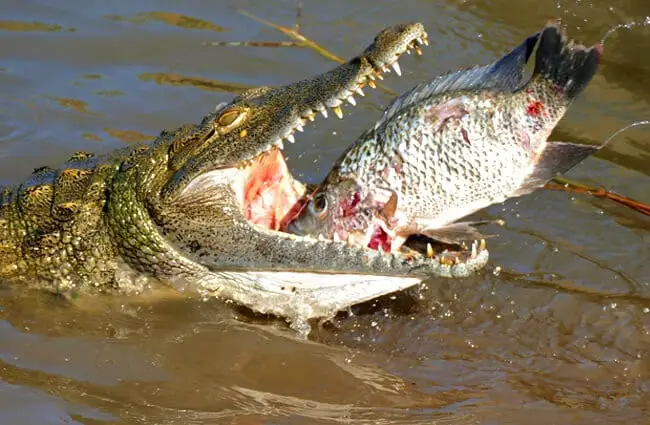
Crocodiles are primarily ambush predators. They lie in wait, often submerged, for unsuspecting prey to approach. Their powerful jaws and conical teeth are perfectly designed for grasping and holding onto struggling animals. A unique feature is their high angle attack, where they grab prey and pull it underwater to drown it. This method prevents the prey from escaping and minimizes the risk of injury to the crocodile.
Digestion
Crocodiles have a remarkably efficient digestive system. They often swallow stones, known as gastroliths, to aid in breaking down food and providing ballast. They can go for extended periods without eating, especially after a large meal.
Crocodile Reproduction and Life Cycle
Crocodile reproduction is a complex process with significant parental care. Breeding typically occurs during the rainy season, when water levels are high.
Mating Rituals
Male crocodiles engage in elaborate courtship displays, including bellowing, head bobbing, and creating waves. They compete for access to females, often engaging in fierce battles.
Nesting and Egg Laying
Females construct nests of vegetation and mud, typically in areas protected from flooding. They lay between 20 and 80 eggs, depending on the species. The temperature of the nest determines the sex of the hatchlings. Warmer temperatures produce females, while cooler temperatures produce males.
Parental Care
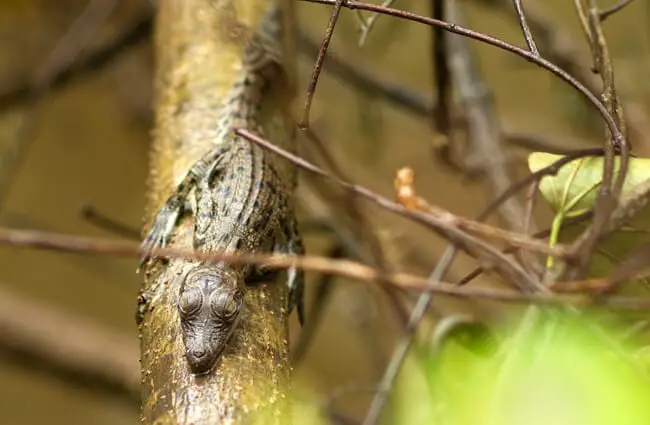
Female crocodiles are attentive mothers. They guard their nests fiercely and carefully excavate the eggs when they are ready to hatch. They gently carry the hatchlings to the water and provide protection for several months, sometimes even years.
Crocodile Evolution and Ancestry
Crocodiles have a long evolutionary history, dating back to the age of dinosaurs. Their ancestors, known as crocodylomorphs, first appeared during the Triassic period, over 200 million years ago.
Ancient Relatives
Early crocodylomorphs were diverse, with some species being terrestrial and resembling modern lizards. Over time, they evolved into the semiaquatic predators we know today. Modern crocodiles are remarkably similar to their ancient ancestors, suggesting a highly successful body plan.
Phylogenetic Relationships
Crocodiles are most closely related to birds, both belonging to the archosaur lineage. This surprising relationship is supported by anatomical and genetic evidence.
Crocodiles in Ecosystems: Ecological Roles and Interactions
Crocodiles play crucial roles in maintaining the health and balance of their ecosystems. They are keystone species, meaning their presence significantly impacts the structure and function of the community.
Habitat Engineers
Crocodiles create wallows, which provide habitat for other animals during the dry season. These wallows collect water and attract a variety of species, increasing biodiversity.
Prey Control
As apex predators, crocodiles help regulate prey populations, preventing overgrazing and maintaining vegetation health.
Nutrient Cycling
Crocodile feces contribute to nutrient cycling in aquatic ecosystems, fertilizing plants and supporting the food web.
Crocodiles and Humans: Historical and Contemporary Interactions
The relationship between humans and crocodiles has been complex, ranging from reverence and cultural significance to conflict and exploitation.
Cultural Significance
In many cultures, crocodiles are seen as symbols of power, fertility, and protection. They feature prominently in mythology, art, and religious ceremonies. For example, in ancient Egypt, the crocodile god Sobek was worshipped as a protector of the Nile.
Human-Crocodile Conflict
As human populations grow and encroach on crocodile habitats, conflicts inevitably arise. Crocodiles occasionally attack humans, resulting in injuries or fatalities. This leads to retaliatory killings and further declines in crocodile populations.
Conservation Efforts
Many crocodile species are threatened or endangered due to habitat loss, hunting, and pollution. Conservation efforts are underway to protect these magnificent creatures, including habitat restoration, anti‑poaching patrols, and community education programs.
Practical Considerations: Safety and Observation
Encountering a crocodile in the wild can be a thrilling but potentially dangerous experience. Here are some guidelines to follow:
- Maintain a safe distance: Never approach a crocodile. Stay at least 50 meters away.
- Be aware of your surroundings: Crocodiles are masters of camouflage. Scan the water and shoreline for any signs of their presence.
- Avoid swimming or wading in crocodile-infested waters: These areas are particularly dangerous.
- Never feed crocodiles: Feeding them habituates them to humans and can lead to aggressive behavior.
- If attacked, try to escape; if impossible, aim for the eyes or snout.
For the Zoologist & Zookeeper: Advanced Considerations
For those specializing in reptile care and conservation, several points are critical:
Captive Care
Crocodile enclosures should mimic their natural habitat, providing ample space, basking areas, and access to both land and water. Water quality must be meticulously maintained. Diet should be varied and include whole prey items to provide essential nutrients. Regular veterinary checkups are crucial.
Conservation Genetics
Maintaining genetic diversity within captive populations is essential for long-term conservation. Careful breeding programs and genetic analysis are necessary to avoid inbreeding and preserve valuable genetic traits.
Behavioral Enrichment
Captive crocodiles can become bored and stressed. Providing behavioral enrichment, such as puzzle feeders, scent trails, and novel objects, can stimulate their minds and promote natural behaviors.
Crocodiles are more than just ancient predators; they are integral components of their ecosystems, captivating creatures with a rich history, and a vital part of the planet’s biodiversity. Understanding these remarkable reptiles is crucial for ensuring their survival and appreciating their place in the natural world.
![Closeup of a beautiful Red Angus cowPhoto by: U.S. Department of Agriculture [pubic domain]https://creativecommons.org/licenses/by/2.0/](https://animals.net/wp-content/uploads/2020/03/Red-Angus-4-238x178.jpg "Red Angus")
![Closeup of a beautiful Red Angus cowPhoto by: U.S. Department of Agriculture [pubic domain]https://creativecommons.org/licenses/by/2.0/](https://animals.net/wp-content/uploads/2020/03/Red-Angus-4-100x75.jpg "Red Angus")