The world of reptiles is full of wonders, but few creatures capture the imagination quite like the Crested Gecko. Once thought lost to the annals of extinction, this charming lizard made a dramatic reappearance, captivating scientists and animal enthusiasts alike. Known for its distinctive “eyelashes” and vibrant patterns, the Crested Gecko, scientifically known as Correlophus ciliatus (formerly Rhacodactylus ciliatus), is more than just a pretty face; it is a marvel of adaptation and a testament to nature’s resilience.
A Glimpse into the Life of the Crested Gecko
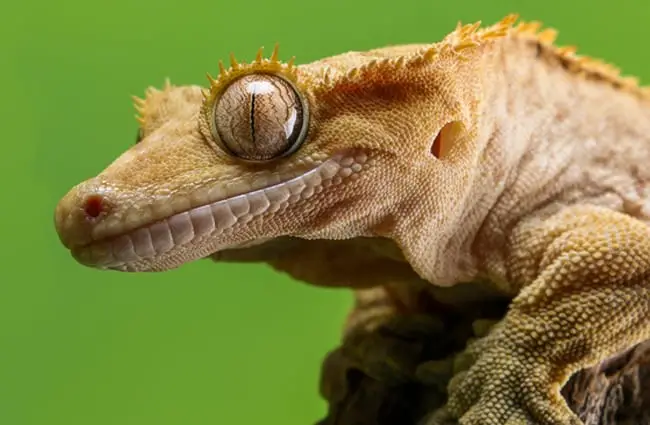
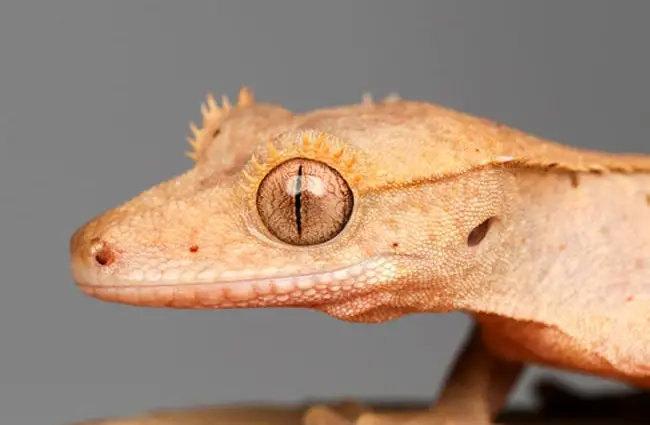
Crested Geckos are small to medium-sized lizards, typically reaching an adult length of 8 to 10 inches, including their impressive prehensile tail. Their most striking feature is the row of spine-like scales that run from above their eyes down their back, resembling eyelashes and a crest, hence their common name. These nocturnal, arboreal creatures are native to the lush rainforests of New Caledonia, an archipelago in the South Pacific.
The Remarkable Rediscovery
For decades, the Crested Gecko was believed to be extinct, having last been seen in 1866. Its rediscovery in 1994 during an expedition to New Caledonia was a monumental event, sparking immense interest in this unique species. This Lazarus species quickly became a sensation in the pet trade due to its docile nature, relatively simple care requirements, and captivating appearance, making it one of the most popular pet reptiles globally.
Where the Wild Things Are: Crested Gecko Habitat
Understanding the natural environment of the Crested Gecko is crucial for appreciating its biology and ensuring its conservation. These geckos are endemic to the southern parts of New Caledonia, specifically the main island of Grande Terre and the Isle of Pines, along with a few smaller surrounding islands.
Arboreal Rainforest Dwellers
Crested Geckos are primarily arboreal, meaning they spend most of their lives in trees. Their preferred habitat is the dense, humid rainforest canopy, where they can find ample cover, food, and moisture. They thrive in environments with:
- High Humidity: Consistent humidity levels, often between 70 percent and 80 percent, are vital for their skin health and overall well-being. The rainforest provides this naturally through frequent rainfall and dense vegetation.
- Moderate Temperatures: They prefer stable temperatures, typically ranging from 72 to 78 degrees Fahrenheit during the day, with a slight drop at night. Extreme heat is detrimental to them.
- Dense Vegetation: A rich tapestry of plants, vines, and branches offers countless hiding spots from predators and provides surfaces for climbing and foraging.
- Abundant Food Sources: Their rainforest home supplies a steady diet of insects, nectar, and ripe fruits.
Finding a Crested Gecko in the Wild
For the dedicated animal lover or aspiring zoologist hoping to observe these fascinating creatures in their natural habitat, a journey to New Caledonia is necessary. Locating them requires patience and an understanding of their nocturnal habits.
- Timing is Key: Begin your search after dusk, as this is when Crested Geckos become active.
- Look Up: Focus your attention on tree branches, leaves, and vines, particularly in areas with dense foliage. They are masters of camouflage.
- Equipment: A good flashlight or headlamp is essential for spotting them in the dark. Binoculars can also be helpful for observing from a distance without disturbance.
- Respect the Environment: Always observe from a distance, avoid direct handling, and never disturb their habitat. Remember, these are wild animals in their home.
Encountering a Crested Gecko in the Wild: What to Do
Should a hiker or explorer be fortunate enough to encounter a Crested Gecko, the best course of action is simple: observe and appreciate from a distance. Do not attempt to touch or capture the gecko. Handling can cause stress to the animal and may lead to injury for both the gecko and the human. Simply enjoy the rare privilege of witnessing this unique creature in its natural environment.
The Crested Gecko’s Place in the Ecosystem
Despite their relatively small size, Crested Geckos play a role in their rainforest ecosystem, contributing to the delicate balance of nature.
Diet and Ecological Interactions
Crested Geckos are omnivores, with a diet that reflects the bounty of their rainforest home. In the wild, their diet primarily consists of:
- Insects: Crickets, roaches, and other small invertebrates form a significant part of their protein intake.
- Fruits: They consume ripe, soft fruits, which provide essential vitamins and sugars.
- Nectar and Pollen: These provide additional energy and nutrients.
Through their consumption of fruits, Crested Geckos likely act as seed dispersers, helping to propagate various plant species within their habitat. As prey animals, they contribute to the food chain, potentially falling victim to larger reptiles, birds of prey, or small mammals.
Evolutionary Journey and Unique Adaptations
The evolutionary history of the Crested Gecko, particularly its rediscovery, highlights the dynamic nature of species survival. Belonging to the family Diplodactylidae, these geckos are part of a diverse group of lizards found primarily in Australia and New Caledonia.
Masterful Climbers
Crested Geckos possess several remarkable adaptations for their arboreal lifestyle:
- Adhesive Toe Pads (Lamellae): Their toes are covered with microscopic hairs called setae, which allow them to cling to almost any surface, including glass, through van der Waals forces. This enables effortless climbing and navigating vertical surfaces.
- Prehensile Tail: Their tail is a versatile tool, used for balance, gripping branches, and even as a “fifth limb” during climbing. Unlike many geckos, a Crested Gecko’s tail, once dropped, does not regenerate in the same way, often growing back as a stub.
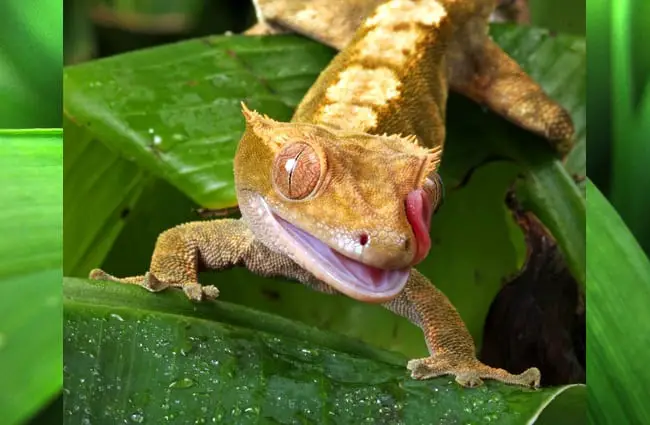
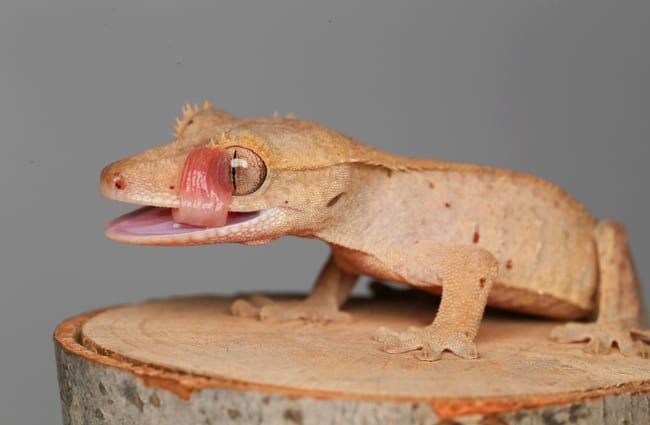
- Eye-Cleaning Tongue: Lacking eyelids, Crested Geckos use their long, flat tongues to clean their eyes, keeping them moist and clear.
The Cycle of Life: Mating and Reproduction
The reproductive process of Crested Geckos is a fascinating aspect of their biology, crucial for their survival and popular among breeders.
Courtship and Egg Laying
Crested Geckos typically reach sexual maturity between 9 and 18 months of age. Breeding usually occurs after a period of brumation or a slight cooling cycle, mimicking seasonal changes in their natural habitat.
- Mating: Males will often pursue females, sometimes exhibiting a “breeding bite” on the female’s neck to hold her during copulation.
- Egg Production: Females are capable of laying clutches of two eggs every 3 to 4 weeks for several months after successful mating, often producing 8 to 10 clutches in a breeding season.
- Egg Deposition: Eggs are typically laid in moist substrate, such as moss or soil, where they can remain hydrated and protected.
Incubation and Hatching
The incubation period for Crested Gecko eggs varies depending on temperature:
- Temperature Dependence: Cooler temperatures (around 68-72°F) can result in longer incubation times (up to 120 days), while warmer temperatures (around 75-78°F) can shorten it (60-70 days).
- Hatchlings: Upon hatching, the tiny geckos are miniature versions of their parents, immediately capable of fending for themselves. They are highly vulnerable at this stage, relying on camouflage and instinct for survival.
Crested Geckos and Humanity
The interaction between Crested Geckos and humans is multifaceted, ranging from conservation efforts to their significant role in the pet industry.
Conservation Status
While once thought extinct, the Crested Gecko is currently listed as “Least Concern” by the IUCN, primarily due to its widespread distribution within its native range and the success of captive breeding programs. However, habitat destruction and the illegal pet trade remain potential threats, underscoring the importance of responsible pet ownership and conservation efforts.
Contribution to Human Culture
The Crested Gecko’s primary contribution to human culture lies in its role as a beloved pet. Its unique appearance, docile temperament, and relatively easy care have made it an ideal companion animal, particularly for first-time reptile owners. This popularity has fostered a vibrant community of enthusiasts, breeders, and researchers, contributing to a deeper understanding of reptile biology and husbandry.
Caring for Crested Geckos in Captivity: A Zookeeper’s Guide
For zookeepers, aspiring zoologists, or dedicated pet owners, providing optimal care for a Crested Gecko in captivity involves replicating its natural environment as closely as possible.
Essential Enclosure Setup
A vertical vivarium is crucial for these arboreal geckos. Key elements include:
- Size: A minimum of a 12x12x18 inch enclosure for a single adult, with larger being better.
- Substrate: A moisture-retaining substrate like coco fiber, sphagnum moss, or a bioactive mix helps maintain humidity.
- Climbing Opportunities: Abundant branches, vines, cork bark, and live or artificial plants are essential for climbing, hiding, and enrichment.
- Hides: Provide multiple secure hiding spots at various heights.
- Lighting: While nocturnal, a low-wattage UVB light (2-5%) for a few hours a day can be beneficial for overall health and vitamin D3 synthesis, though not strictly required if a high-quality diet is provided. A natural day/night cycle is important.
- Heating: Ambient room temperature is often sufficient. If supplemental heat is needed, a low-wattage ceramic heat emitter or under-tank heater on a thermostat can be used, but avoid high temperatures.
Diet and Nutrition
A balanced diet is paramount for captive Crested Geckos:
- Commercial Diets: High-quality commercial Crested Gecko diets (CGD) are formulated to provide complete nutrition and should form the staple of their diet.
- Insects: Offer gut-loaded and dusted feeder insects (crickets, dubia roaches, mealworms) 1-2 times a week. Dust insects with calcium and vitamin D3 supplement.
- Fruits: Small amounts of ripe, soft fruits (e.g., mashed banana, mango, berries) can be offered as an occasional treat, but should not replace CGD.
- Water: Always provide fresh, clean water in a shallow dish. Geckos also drink water droplets from misting.
Humidity and Temperature Management
Maintaining the correct environmental parameters is critical:
- Humidity: Mist the enclosure once or twice daily to achieve 70-80% humidity, allowing it to dry out slightly between mistings to prevent mold. A hygrometer is essential for monitoring.
- Temperature: Maintain daytime temperatures between 72-78°F and nighttime temperatures between 68-72°F. Avoid temperatures above 80°F, which can be stressful or fatal.
Handling and Socialization
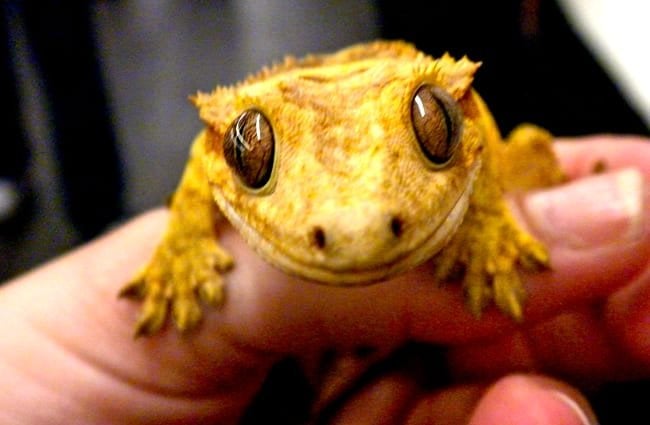
Crested Geckos are generally docile, but handling should be done gently and infrequently, especially with young geckos. Allow them to walk onto your hand rather than grabbing them. Avoid excessive handling, as it can be stressful. They are solitary animals and do not require companionship; housing multiple geckos together can lead to stress or aggression, particularly with males.
A Huge List of Interesting Crested Gecko Facts
- The “Lazarus Species”: They were thought to be extinct for over a century before their rediscovery in 1994.
- No Eyelids: Crested Geckos lack eyelids and instead use their long tongues to keep their eyes clean and moist.
- Sticky Toes: Their toe pads are covered in millions of microscopic hairs (setae) that allow them to cling to almost any surface.
- Prehensile Tail: Their tail acts as a fifth limb, aiding in balance and climbing. If dropped, it usually grows back as a stub, not a full tail.
- Nocturnal Nature: They are most active at night, foraging for food and exploring their environment.
- Omnivorous Diet: In the wild, they eat insects, fruits, and nectar.
- Docile Temperament: This makes them popular pets, especially for beginners.
- Variety of Morphs: Selective breeding has created a stunning array of color and pattern variations, known as “morphs.”
- Vocalization: They can make soft chirping or squeaking sounds, especially when startled or during breeding.
- Long Lifespan: With proper care, Crested Geckos can live for 15 to 20 years or even longer in captivity.
Conclusion: A Small Lizard with a Big Story
The Crested Gecko is truly a remarkable creature, a living testament to the hidden treasures that still exist in our world. From its dramatic rediscovery to its unique adaptations for life in the rainforest canopy, every aspect of this gecko’s existence is fascinating. Whether observed in its native New Caledonian home, studied by an aspiring zoologist, or cherished as a companion animal, the Crested Gecko continues to inspire awe and curiosity, reminding us of the incredible biodiversity that enriches our planet.
![Closeup of a beautiful Red Angus cowPhoto by: U.S. Department of Agriculture [pubic domain]https://creativecommons.org/licenses/by/2.0/](https://animals.net/wp-content/uploads/2020/03/Red-Angus-4-238x178.jpg "Red Angus")

![Closeup of a beautiful Red Angus cowPhoto by: U.S. Department of Agriculture [pubic domain]https://creativecommons.org/licenses/by/2.0/](https://animals.net/wp-content/uploads/2020/03/Red-Angus-4-100x75.jpg "Red Angus")