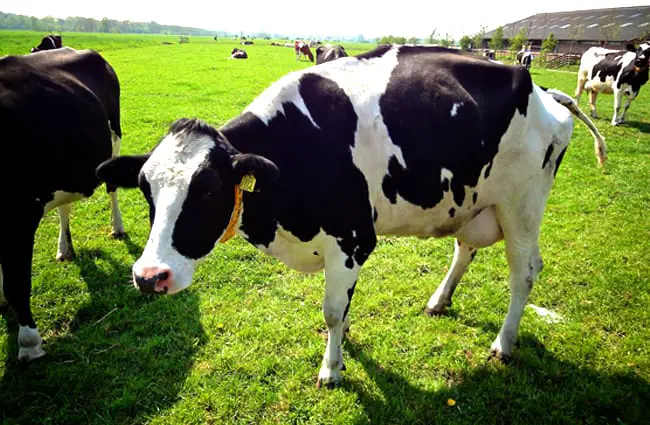
Cows, those gentle giants of the pasture, are far more complex and fascinating creatures than many realize. From their surprisingly ancient lineage to their significant role in human history and ecosystems, understanding cows reveals a rich tapestry of biology, behavior, and cultural impact. This comprehensive guide delves into the world of Bos taurus and its relatives, exploring everything from their natural habitats and evolutionary journey to their unique contributions to our world.
The Cow: A Natural History
Origins and Evolution
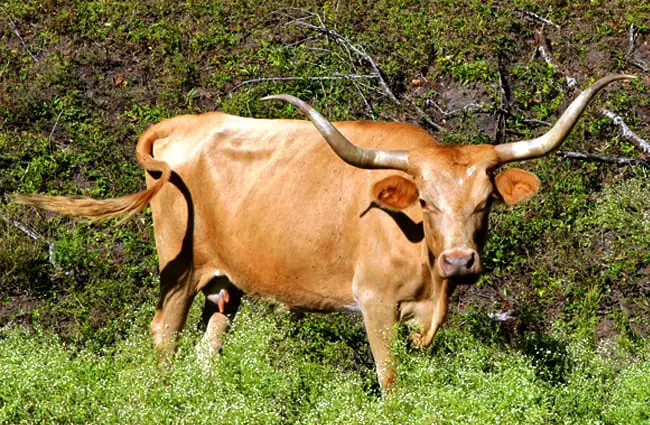
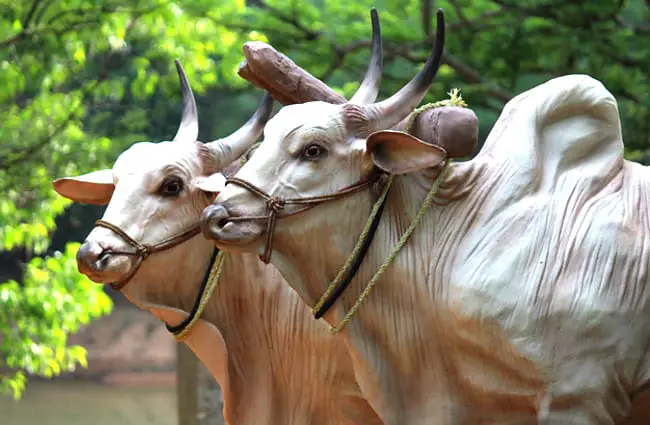
The story of the cow begins with the wild aurochs, a massive bovine that roamed Eurasia thousands of years ago. These powerful creatures, ancestors to modern cattle, were eventually domesticated, a process that began around 10,500 years ago in the Near East. Over millennia, selective breeding by humans led to the diverse range of cattle breeds we see today, each adapted for specific climates and purposes. The four main types of Bos cattle are Bos taurus (taurine cattle, originating in Eurasia), Bos indicus (zebu cattle, originating in South Asia, known for their humps and heat tolerance), Bos primigenius (the extinct aurochs) and Bos grunniens (the yak). Tracing their genetic history provides valuable insights into animal domestication and the spread of agriculture.
Habitat and Distribution
Today, cattle are found on every continent except Antarctica. While originally native to Eurasia and Africa, they have been introduced to the Americas, Australia, and other regions through human activity. They thrive in a wide variety of habitats, from temperate grasslands and forests to tropical savannas and even mountainous regions. Their adaptability is remarkable, though different breeds exhibit preferences for certain climates. For instance, Brahman cattle, with their Bos indicus lineage, are well suited to hot, humid environments, while Highland cattle, with their thick coats, excel in colder climates.
Life as a Cow: Behavior and Biology
Diet and Digestion
Cows are herbivores, meaning their diet consists entirely of plants. They are ruminants, possessing a four chamber stomach that allows them to efficiently digest tough plant matter like grass, hay, and silage. This complex digestive system involves a process of regurgitation, rechewing (cud chewing), and fermentation. The rumen, the largest chamber, houses a diverse community of microorganisms that break down cellulose, a complex carbohydrate found in plant cell walls. This symbiotic relationship allows cows to extract nutrients from sources that most other animals cannot utilize. A typical cow can consume between 25 and 50 pounds of feed per day.
Social Behavior
Cows are social animals, typically living in herds. These herds offer protection from predators and facilitate breeding opportunities. Within a herd, a distinct social hierarchy, often referred to as a “pecking order,” exists. Dominant cows have priority access to resources like food and mates. Communication within the herd involves a variety of vocalizations, body language, and scent marking. Calves form strong bonds with their mothers, relying on them for nourishment and protection during their first few months of life.
Reproduction and Life Cycle
Cows typically reach sexual maturity around 18 to 24 months of age. The gestation period lasts approximately nine months, resulting in the birth of a single calf, though twins do occur occasionally. Calves are born relatively large and precocious, able to stand and walk within hours of birth. They are nursed by their mothers for several months, gradually transitioning to a diet of solid food. Cows can continue to reproduce for many years, often remaining productive well into their teens. The lifespan of a cow varies depending on the breed and management practices, but typically ranges from 15 to 25 years.
Cows and the Ecosystem
Ecological Role
Cows play a significant role in grassland ecosystems. Their grazing habits can influence plant diversity and promote the growth of certain species. They also contribute to nutrient cycling through their manure, enriching the soil and supporting plant growth. However, overgrazing can lead to soil erosion, habitat degradation, and reduced biodiversity. Sustainable grazing practices, such as rotational grazing, are essential for maintaining healthy ecosystems.
Interactions with Other Animals
Cows interact with a variety of other animals. Birds often forage for insects in pastures, benefiting from the disturbed vegetation created by grazing. Smaller mammals, such as rodents, may find shelter and food in and around cattle. Cows can also serve as hosts for parasites, such as ticks and flies. They may also compete with other herbivores for resources. Predators, such as wolves, coyotes, and bears, may occasionally prey on calves or weakened adults.
Cows and Human Culture
Historical Significance
Cows have been integral to human societies for thousands of years. They provided a reliable source of meat, milk, and hides, playing a crucial role in the development of agriculture and animal husbandry. In many cultures, cows have been revered as sacred animals, symbolizing fertility, abundance, and prosperity. In ancient India, cows were considered inviolable, and their protection remains a central tenet of Hinduism.
Economic Importance
Cattle remain economically important worldwide. The dairy industry provides milk, cheese, yogurt, and other products consumed by billions of people. Beef cattle are raised for meat production. Cattle hides are used to manufacture leather goods. Cattle also contribute to the production of fertilizer and other byproducts. The economic value of the cattle industry is substantial, supporting countless jobs and livelihoods.
Modern Challenges and Sustainable Practices
Modern cattle farming faces numerous challenges, including environmental concerns related to greenhouse gas emissions, water pollution, and land use. Sustainable cattle farming practices, such as rotational grazing, precision feeding, and manure management, are essential for minimizing these impacts. Consumers can also support sustainable practices by choosing products from farms that prioritize animal welfare and environmental stewardship.
Interesting Cow Facts
- Cows have nearly 360 degree panoramic vision.
- They can differentiate between more than 50 different individuals.
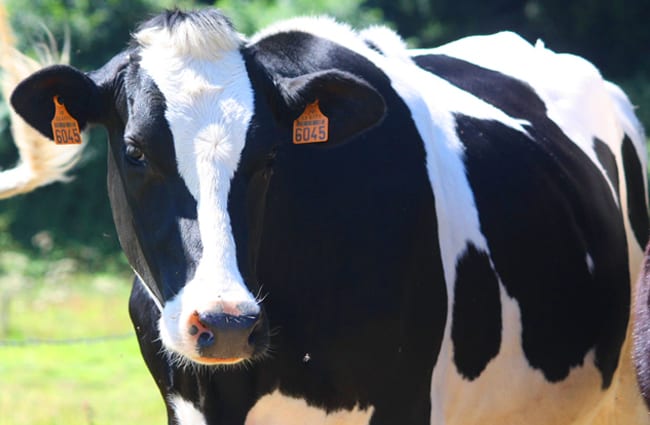
- A cow’s spots are unique, like human fingerprints.
- Cows have a strong sense of smell and can detect odors from up to six miles away.
- They can feel pain and experience stress, highlighting the importance of animal welfare.
- Cows drink around 30 to 50 gallons of water per day.
- The average cow produces about 6 to 8 gallons of milk per day.
In conclusion, cows are remarkable creatures with a rich history, complex biology, and significant impact on both ecosystems and human society. Understanding their lives, behaviors, and ecological roles is essential for promoting sustainable practices and ensuring their welfare for generations to come.
![Closeup of a beautiful Red Angus cowPhoto by: U.S. Department of Agriculture [pubic domain]https://creativecommons.org/licenses/by/2.0/](https://animals.net/wp-content/uploads/2020/03/Red-Angus-4-238x178.jpg "Red Angus")



![Closeup of a beautiful Red Angus cowPhoto by: U.S. Department of Agriculture [pubic domain]https://creativecommons.org/licenses/by/2.0/](https://animals.net/wp-content/uploads/2020/03/Red-Angus-4-100x75.jpg "Red Angus")