Deep in the murky waters and dense vegetation of the southeastern United States lurks a creature often misunderstood, frequently feared, and undeniably fascinating: the Cottonmouth. Known scientifically as Agkistrodon piscivorus, this venomous pit viper is a true marvel of adaptation, a master of its aquatic domain, and a vital component of its ecosystem. Dispelling myths and uncovering truths about this remarkable reptile reveals a complex animal deserving of respect and understanding.
Unveiling the Cottonmouth: An Introduction to a Wetland Wanderer
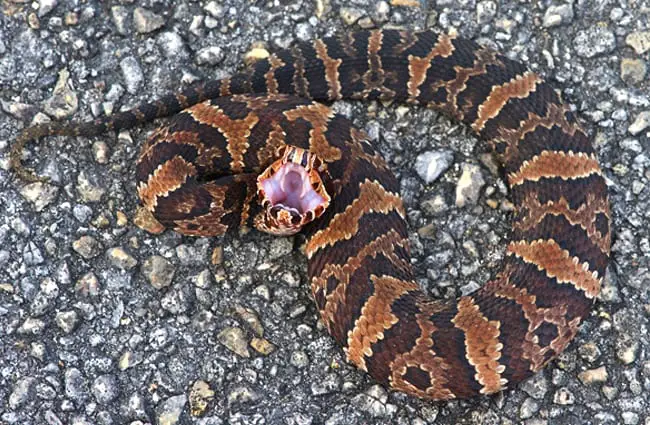
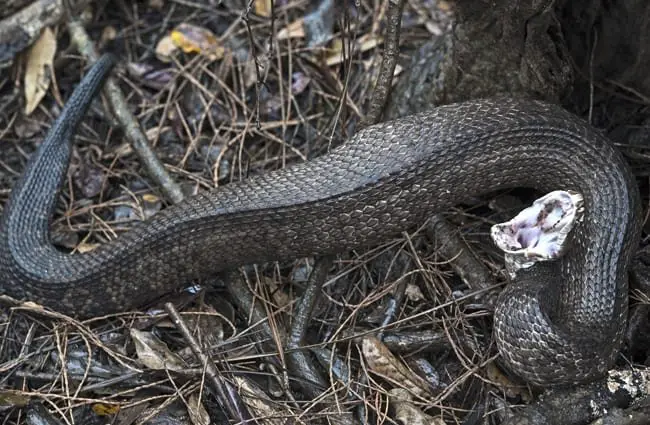
The Cottonmouth, also widely recognized by its common but often debated moniker, the Water Moccasin, is North America’s only semi-aquatic venomous snake. Its name is derived from the striking white interior of its mouth, which it displays as a warning when threatened. This distinctive flash, coupled with its robust build and preference for watery habitats, makes it a unique subject in the world of herpetology.
Where the Cottonmouth Calls Home: Habitat and Range
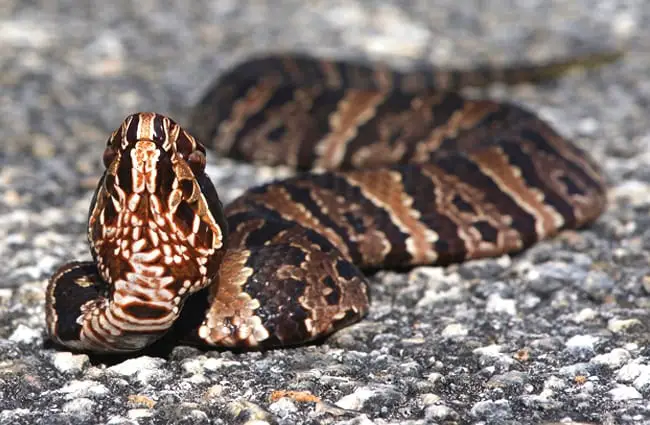
Cottonmouths are endemic to the southeastern United States, with a geographical range extending from southeastern Virginia, through the Florida peninsula, and west to central and western Texas, and north into southern Illinois and Indiana. They are intrinsically linked to water, thriving in a variety of aquatic and semi-aquatic environments.
- Preferred Habitats:
- Swamps and marshes
- Lakes and ponds
- Rivers and streams
- Drainage ditches and canals
- Wetlands and floodplains
- Even brackish water environments
- They are often found basking on logs, rocks, or vegetation near water, or swimming gracefully through it. Their presence is a strong indicator of a healthy wetland ecosystem.
Identifying the Cottonmouth: A Guide for the Curious Observer
Distinguishing a Cottonmouth from harmless water snakes is crucial for safety and accurate identification. While variations exist, several key features can help:
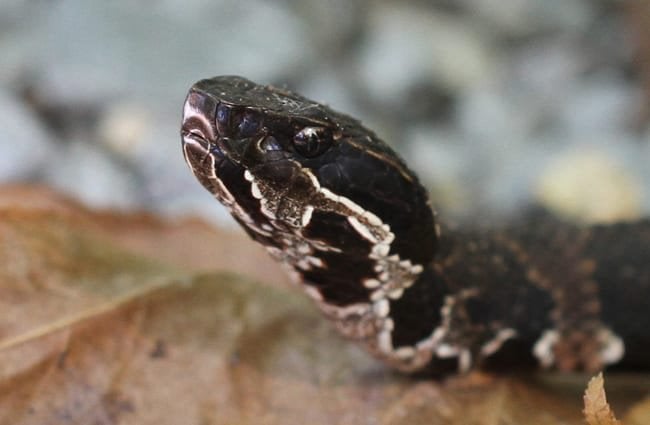
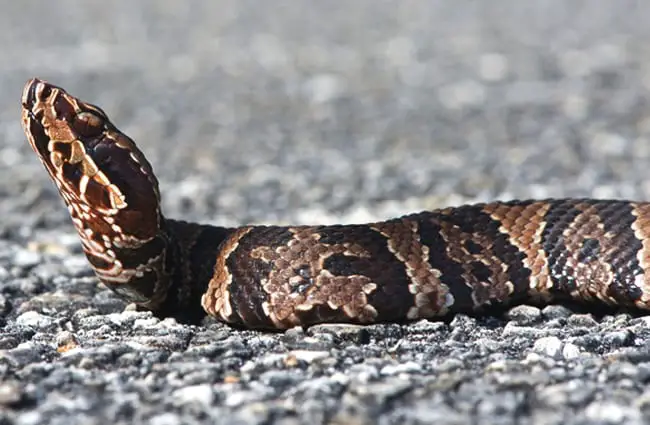
- Head Shape: Cottonmouths possess a distinctly triangular, broad head that is noticeably wider than their neck. This is due to the presence of venom glands.
- Pupils: Like other pit vipers, they have vertical, elliptical pupils, similar to a cat’s eye.
- Heat-Sensing Pits: A small, deep pit is located between the eye and nostril on each side of the head, a characteristic of all pit vipers used for detecting infrared radiation from prey.
- Coloration: Adults typically range from dark olive, brown, or black, often with faint or obscure crossbands. Juveniles are much more vibrantly patterned, displaying distinct reddish-brown crossbands on a lighter background, with a bright yellow or greenish tail tip.
- Body Shape: They are stout-bodied, heavy-bodied snakes.
- Defensive Posture: When threatened, a Cottonmouth will often coil its body, raise its head, and open its mouth wide to display the stark white interior, hence the name. It may also vibrate its tail.
- Swimming Style: Cottonmouths tend to swim with their entire body, including their head, riding high on the water’s surface, unlike many non-venomous water snakes that swim with only their head visible.
The Cottonmouth’s Menu: A Carnivorous Diet
As opportunistic predators, Cottonmouths have a varied diet, reflecting their adaptability and position as apex predators in their aquatic environments. Their venom is primarily hemotoxic, designed to break down tissues and aid in digestion.
- Primary Prey:
- Fish (especially slow-moving or injured ones)
- Amphibians (frogs, salamanders)
- Other reptiles (lizards, smaller snakes, even young alligators)
- Small mammals (mice, shrews)
- Birds (especially young or nesting birds near water)
- They are ambush predators, often waiting patiently for prey to come within striking distance. Juveniles use their bright yellow tail tip as a caudal lure, wiggling it to attract frogs and small fish.
Living with Cottonmouths: Safety and Coexistence
Encounters with Cottonmouths in the wild are a possibility for anyone exploring their habitat. Understanding their behavior and taking appropriate precautions can ensure a safe experience for both humans and snakes.
Encountering a Cottonmouth in the Wild: What to Do
For hikers, animal lovers, or anyone venturing into Cottonmouth territory, knowing how to react to an encounter is paramount.
- Give it Space: The most important rule is to maintain a safe distance. Cottonmouths are not inherently aggressive and prefer to avoid confrontation.
- Observe, Do Not Approach: Admire the snake from afar. Never attempt to touch, capture, or harass any snake, especially a potentially venomous one.
- Watch Your Step: Be aware of your surroundings, particularly when walking near water, through dense vegetation, or stepping over logs and rocks where snakes might be basking or hiding.
- Wear Appropriate Footwear: High-top, sturdy boots can offer some protection against accidental bites.
- Do Not Panic: If you encounter a Cottonmouth, remain calm. It will likely move away on its own once it perceives you are not a threat.
- If Bitten:
- Seek immediate medical attention.
- Remain calm and still to slow the spread of venom.
- Remove any tight clothing or jewelry near the bite area.
- Keep the bitten area below the level of the heart if possible.
- Do NOT attempt to cut the wound, suck out venom, apply a tourniquet, or apply ice.
Debunking Myths and Understanding Behavior
Many misconceptions surround the Cottonmouth, often fueled by fear and misinformation. They are not aggressive hunters of humans. Bites typically occur when a snake is accidentally stepped on, handled, or provoked. Their defensive display, including the gaping white mouth, is a clear warning, not an invitation to attack. Respecting their space is key to avoiding conflict.
The Cottonmouth’s Place in the Natural World: Deeper Insights
For aspiring zoologists and students, a closer look at the Cottonmouth’s biology, ecology, and evolutionary history reveals a fascinating creature perfectly adapted to its niche.
Classification and Evolutionary History
The Cottonmouth belongs to the family Viperidae, specifically the subfamily Crotalinae, which includes all pit vipers. Its genus, Agkistrodon, also includes copperheads and cantils. This lineage represents a successful evolutionary branch of venomous snakes characterized by their heat-sensing pits and potent hemotoxic venom. Their semi-aquatic adaptations, such as their ability to swim with buoyancy and their diet heavily reliant on aquatic prey, highlight a specialized evolutionary path within the pit viper family, allowing them to exploit a niche largely untouched by their terrestrial relatives.
Mating and Reproduction: A Live Birth Strategy
Cottonmouths are ovoviviparous, meaning they give birth to live young rather than laying eggs. This reproductive strategy is common among many vipers, particularly those in cooler climates or aquatic environments, as it offers greater protection for the developing embryos.
- Mating Season: Typically occurs in spring and early summer. Males engage in ritualistic combat to establish dominance and access to females.
- Gestation: Females carry their developing young for several months.
- Birth: Litters of 1 to 16 young (average 6-8) are born in late summer or early fall.
- Neonates: Newborn Cottonmouths are fully venomous and independent from birth, equipped with the same defensive capabilities as adults, including the bright yellow tail tip used for caudal luring. They are often more brightly patterned than adults.
Ecological Contributions and Interactions
Cottonmouths play a crucial role in maintaining the balance of their wetland ecosystems.
- Predator: By preying on fish, amphibians, and small mammals, they help regulate populations of these species. This can prevent overpopulation and the spread of disease.
- Prey: While formidable, young Cottonmouths can fall prey to larger predators such as alligators, large birds of prey, and other snakes.
- Scavengers: They are known to scavenge on carrion, contributing to nutrient cycling in their environment.
- Indicator Species: A healthy population of Cottonmouths can indicate a robust and diverse wetland ecosystem.
Cottonmouths and Human Culture
The Cottonmouth’s fearsome reputation has cemented its place in regional folklore and popular culture, often as a symbol of danger and the wildness of the southern swamps. This has unfortunately led to widespread misunderstanding and persecution. However, a growing appreciation for their ecological role is slowly shifting cultural perceptions towards respect and conservation.
Caring for Cottonmouths in Captivity: A Zookeeper’s Perspective
For zookeepers and professional herpetologists, caring for Cottonmouths involves specialized knowledge and strict safety protocols to ensure both the snake’s welfare and handler safety.
- Enclosure Design:
- Spacious: Provide ample space for movement, both terrestrial and aquatic.
- Aquatic Feature: A large, clean water source for swimming and soaking is essential. This should be easily accessible and maintainable.
- Substrate: A mix of cypress mulch, sphagnum moss, or coco fiber for terrestrial areas, allowing for burrowing and moisture retention.
- Hides: Multiple secure hiding spots, both on land and near water, are crucial for reducing stress.
- Climbing Opportunities: Sturdy branches or logs for basking and climbing.
- Environmental Parameters:
- Temperature: A thermal gradient with a basking spot around 88-92°F (31-33°C) and an ambient temperature of 75-82°F (24-28°C). Nighttime drops are acceptable.
- Humidity: Moderate to high humidity (60-80%) is vital, often achieved through misting or a large water feature.
- Lighting: A natural photoperiod (12-14 hours light, 10-12 hours dark) with appropriate UVB lighting, though not strictly required for all snakes, can be beneficial.
- Diet:
- Prey: Primarily rodents (mice, rats) of appropriate size, offered pre-killed to prevent injury to the snake.
- Frequency: Juveniles may eat weekly, adults every 10-14 days, depending on size and activity.
- Supplements: Not typically needed if a varied diet of whole prey is provided.
- Handling and Safety:
- Minimal Handling: Cottonmouths are venomous and should only be handled when absolutely necessary for health checks or enclosure maintenance.
- Specialized Tools: Use snake hooks, tongs, and clear tubes for safe manipulation.
- Two-Person Rule: Always have a second person present when working with venomous snakes.
- Emergency Protocols: Have a clear plan for venomous snake bites, including access to antivenom and emergency medical care.
- Health Monitoring: Regular observation for signs of illness, such as respiratory issues, skin problems, or appetite changes. Annual veterinary check-ups are recommended.
Fascinating Facts About the Cottonmouth
Here is a huge list of interesting facts that highlight the unique characteristics of the Cottonmouth:
- The Cottonmouth is the only venomous water snake in North America.
- Its scientific name, Agkistrodon piscivorus, translates roughly to “hook-toothed fish-eater.”
- They are excellent swimmers and can even hunt underwater.
- Juvenile Cottonmouths have a bright yellow or greenish tail tip, which they wiggle to lure prey like frogs and small fish. This is called caudal luring.
- When threatened, they often coil their body and display the stark white interior of their mouth, a warning signal that gives them their common name.
- Cottonmouths are ovoviviparous, meaning they give birth to live young, typically 1 to 16 per litter.
- They are known to scavenge on carrion, playing a role in cleaning up their wetland environments.
- Their venom is primarily hemotoxic, causing tissue damage and affecting blood clotting.
- Despite their fearsome reputation, Cottonmouths are generally not aggressive and prefer to retreat or issue a warning display rather than bite.
- They are often confused with several species of non-venomous water snakes, leading to unnecessary fear and harm to harmless reptiles.
- Cottonmouths can be active both day and night, depending on temperature and prey availability.
- They possess heat-sensing pits between their eyes and nostrils, allowing them to detect warm-blooded prey in the dark.
- Some individuals can live for over 10 years in the wild and even longer in captivity.
- They are an integral part of the food web in their wetland habitats, acting as both predator and, when young, prey.
- Their robust bodies and camouflage make them perfectly adapted to blend into their aquatic surroundings.
Conclusion: Respecting the Wetland Guardian
The Cottonmouth, or Water Moccasin, is far more than just a venomous snake. It is a highly specialized predator, a crucial component of its wetland ecosystem, and a testament to the incredible diversity of life. By understanding its true nature, dispelling common myths, and practicing responsible coexistence, we can foster a greater appreciation for this often-maligned reptile. Whether you are a student researching its biology, an animal lover hoping for a glimpse, a hiker navigating its territory, or a zookeeper ensuring its welfare, respecting the Cottonmouth’s place in the natural world is the first step towards its continued survival and our shared ecological health.
![Closeup of a beautiful Red Angus cowPhoto by: U.S. Department of Agriculture [pubic domain]https://creativecommons.org/licenses/by/2.0/](https://animals.net/wp-content/uploads/2020/03/Red-Angus-4-238x178.jpg "Red Angus")
![Closeup of a beautiful Red Angus cowPhoto by: U.S. Department of Agriculture [pubic domain]https://creativecommons.org/licenses/by/2.0/](https://animals.net/wp-content/uploads/2020/03/Red-Angus-4-100x75.jpg "Red Angus")