Deep within the emerald embrace of Asia’s ancient forests lurks a creature of unparalleled grace and mystery: the Clouded Leopard. Not quite a ‘big cat’ like the tiger or lion, nor a ‘small cat’ like the domestic feline, this enigmatic predator occupies a unique branch on the evolutionary tree, captivating zoologists and wildlife enthusiasts alike with its stunning appearance and elusive nature. Often described as a ‘modern-day sabre-tooth’ due to its disproportionately long canines, the Clouded Leopard is a master of camouflage and arboreal acrobatics, a true jewel of the jungle.
This article delves into the fascinating world of the Clouded Leopard, unraveling its secrets from its evolutionary past to its vital role in the ecosystem, and offering insights for everyone from curious students to dedicated conservationists.
Unveiling the Clouded Leopard: Basic Facts
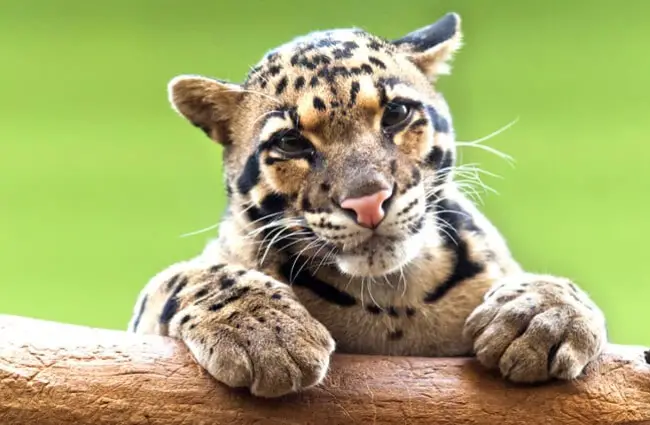
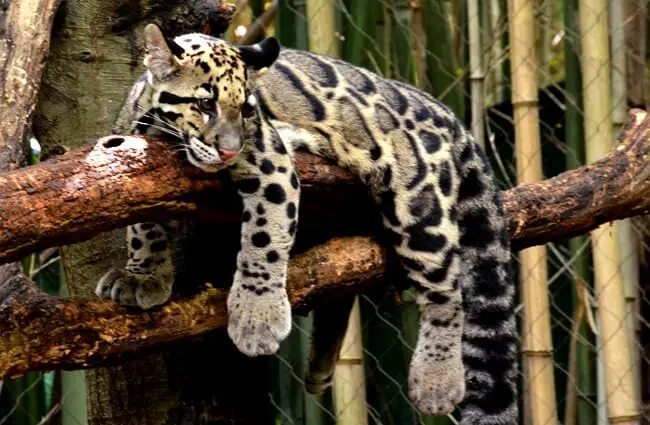
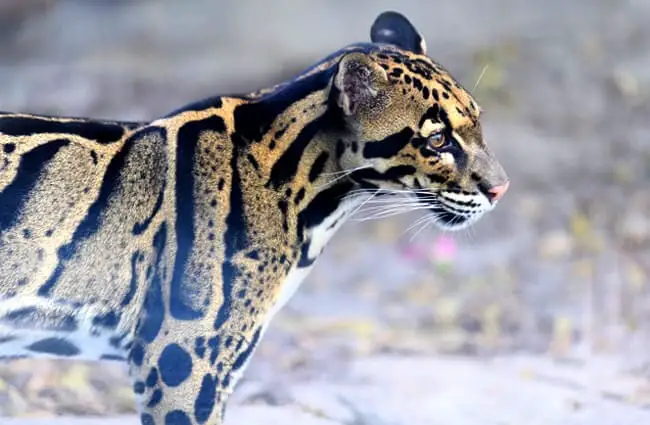
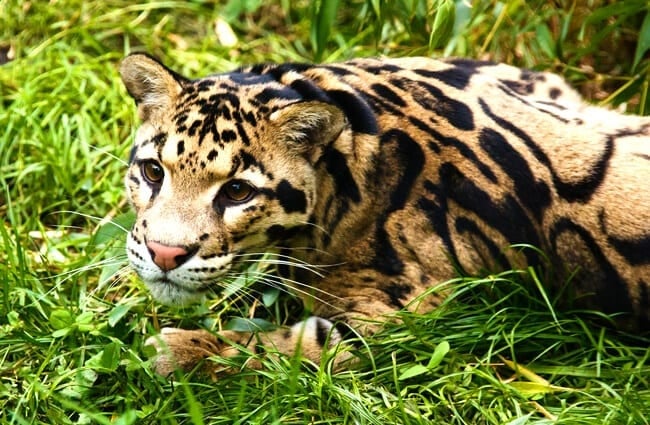
The Clouded Leopard (scientific name: Neofelis nebulosa for the mainland species and Neofelis diardi for the Sunda Clouded Leopard) is a medium-sized wild cat native to Southeast Asia. Its name derives from the distinctive, cloud-like blotches on its coat, which are irregular, dark-edged ellipses that resemble cumulus clouds. These markings provide exceptional camouflage amidst the dappled light of its forest home.
Physical Characteristics: A Masterpiece of Adaptation
- Size: Clouded Leopards typically weigh between 25 to 50 pounds (11 to 23 kg) and measure about 2 to 3.5 feet (60 to 110 cm) in body length, with a tail that can be almost as long as its body, adding another 2 to 3 feet (70 to 90 cm).
- Coat: The base color ranges from yellowish-brown to grayish-brown, adorned with the characteristic ‘cloud’ patterns.
- Canines: Perhaps their most striking feature, Clouded Leopards possess the longest canines relative to their skull size of any living feline, sometimes reaching up to 2 inches (5 cm) in length. This has earned them comparisons to the extinct sabre-toothed cats.
- Arboreal Adaptations: Their short, powerful legs, large paws, and exceptionally long, thick tail are perfectly suited for life in the trees. They have flexible ankle joints that allow them to rotate their hind feet backward, enabling them to climb down trees headfirst and hang upside down from branches.
Habitat and Distribution: Where the Clouds Roam
Clouded Leopards are primarily found in the tropical and subtropical rainforests of Southeast Asia. Their range extends from the Himalayan foothills in Nepal, Bhutan, and India, through mainland Southeast Asia including Bangladesh, Myanmar, Thailand, Malaysia, Laos, Cambodia, Vietnam, and into southern China. The Sunda Clouded Leopard (Neofelis diardi) is found on the islands of Sumatra and Borneo.
- Preferred Environments: They thrive in dense primary and secondary evergreen tropical rainforests, but can also be found in dry tropical forests, mangrove swamps, and even high-altitude grasslands up to 9,000 feet (2,700 meters) in the Himalayas.
- Elusive Nature: Their dense forest habitat and nocturnal, arboreal habits make them incredibly difficult to spot in the wild, contributing to their mystique.
Diet: A Hunter of the Canopy
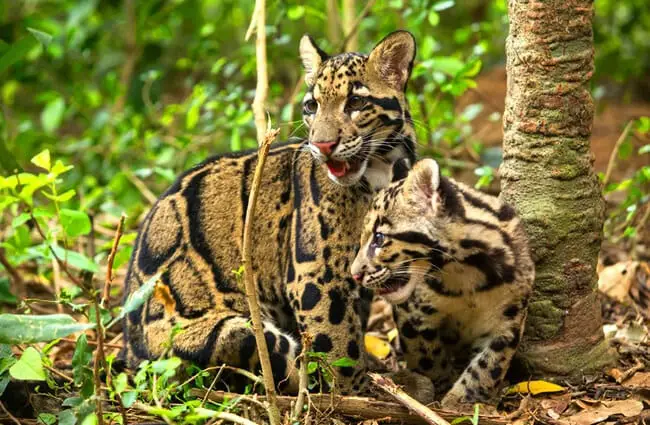
As obligate carnivores, Clouded Leopards are skilled predators. Their diet primarily consists of arboreal and terrestrial prey found within their forest environment.
- Main Prey: They hunt a variety of animals, including gibbons, macaques, slow lorises, civets, porcupines, deer (especially young ones), wild boar, and various birds and rodents.
- Hunting Strategy: They are ambush predators, often stalking prey from tree branches before pouncing. Their powerful jaws and long canines are ideal for delivering a fatal bite to the neck or throat of their victims.
Mating and Reproduction: The Next Generation
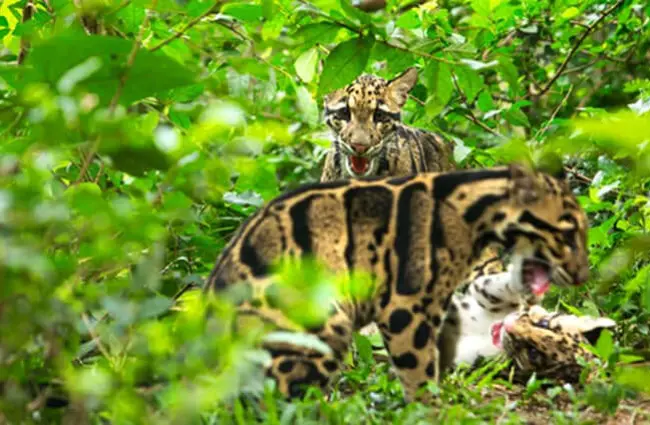
Clouded Leopards are generally solitary animals, coming together only to mate. Reproduction in the wild is not fully understood due to their elusive nature, but observations in captivity provide valuable insights.
- Mating Season: Breeding can occur year-round in captivity, but in the wild, it is thought to be seasonal, often coinciding with periods of abundant prey.
- Gestation: The gestation period lasts approximately 90 to 95 days.
- Litter Size: Females typically give birth to litters of one to five cubs, with two or three being most common.
- Cub Development: Newborn cubs are blind and helpless, weighing around 5 to 6 ounces (150 to 200 grams). Their spots are solid and dark, not yet developing the ‘cloud’ pattern. They open their eyes after about 10 to 12 days and begin to walk at around three weeks. Weaning occurs at about 10 weeks, and cubs become independent around 9 to 12 months of age. Sexual maturity is reached at about two years old.
Delving Deeper: The Expert’s Perspective
Evolutionary History: A Bridge Between Cats
The Clouded Leopard holds a fascinating position in feline phylogeny. Genetic studies suggest it diverged from the common ancestor of all living cats approximately 6.4 million years ago, making it one of the oldest extant cat lineages. It is often considered a “bridge species” between the big cats (Pantherinae) and the small cats (Felinae) due to a unique combination of characteristics.
- Unique Skull Morphology: Its skull structure and dental arrangement, particularly the elongated canines, are distinct from both big and small cats, leading some to classify it in its own genus, Neofelis.
- Arboreal Specialization: While many cats climb, the Clouded Leopard’s extreme arboreal adaptations, including its flexible ankles and long tail, are more pronounced than in most other felines, suggesting a long evolutionary history tied to forest canopy life.
Behavior and Lifestyle: The Ghost of the Forest
Clouded Leopards are primarily nocturnal and crepuscular (active at dawn and dusk), though they have been observed moving during the day. They are solitary animals, maintaining large territories that they mark with scent. Their elusive nature makes direct observation challenging, but camera trap studies and limited field observations reveal a highly specialized lifestyle.
- Arboreal Prowess: They are incredibly agile climbers, capable of descending trees headfirst, hanging by their hind legs, and even moving along branches upside down. This allows them to access prey in the canopy and escape terrestrial predators.
- Vocalizations: Unlike big cats, they cannot roar. Their vocalizations include a soft chuffing, meows, growls, hisses, and a distinctive ‘prus-prus’ call.
Ecosystem Contribution and Interactions with Other Animals
As a top-tier predator in its habitat, the Clouded Leopard plays a crucial role in maintaining the health and balance of its forest ecosystem.
- Population Control: By preying on various herbivores and smaller carnivores, they help regulate prey populations, preventing overgrazing and competition for resources.
- Indicator Species: Their presence is often an indicator of a healthy, intact forest ecosystem. Their decline can signal broader environmental degradation.
- Competition: They share their habitat with other predators such as tigers, leopards, dholes, and various civets. Clouded Leopards likely minimize direct competition by specializing in arboreal prey and occupying a distinct niche.
Clouded Leopards and Humans: A Complex Relationship
Conservation Status and Threats
The Clouded Leopard is classified as Vulnerable by the IUCN Red List. Both species face significant threats that have led to population declines across their range.
- Habitat Loss and Fragmentation: This is the primary threat. Extensive deforestation for agriculture (especially palm oil plantations), logging, and human settlements destroys their forest homes and isolates populations, making them more susceptible to local extinction.
- Poaching: Clouded Leopards are hunted illegally for their beautiful pelts, bones (used in traditional Asian medicine), and meat. The illegal wildlife trade poses a constant threat.
- Human-Wildlife Conflict: As their habitats shrink, Clouded Leopards may occasionally prey on livestock, leading to retaliatory killings by farmers.
Conservation Efforts
Numerous organizations and governments are working to protect Clouded Leopards and their habitats.
- Protected Areas: Establishing and enforcing protected areas and national parks is crucial for safeguarding their forest homes.
- Anti-Poaching Measures: Increased patrols, community involvement, and stricter penalties for poachers are vital.
- Research and Monitoring: Understanding their ecology, population dynamics, and threats through camera trapping and genetic studies helps inform conservation strategies.
- Captive Breeding Programs: Zoos play a critical role in maintaining healthy captive populations as a genetic safeguard and for potential reintroduction efforts, though this is complex.
- Community Engagement: Educating local communities about the importance of Clouded Leopards and involving them in conservation efforts can reduce human-wildlife conflict.
Cultural Significance
While not as prominent in global folklore as tigers or lions, Clouded Leopards hold some cultural significance in their native lands. In some indigenous cultures, they are revered as powerful forest spirits or symbols of agility and stealth. Their unique patterns are sometimes mimicked in traditional art or textiles.
Practical Insights for Specific Audiences
For the Aspiring Zoologist: Deep Dive into Research
To truly understand Clouded Leopards, aspiring zoologists should focus on:
- Field Research Techniques: Learn about camera trapping, radio telemetry, and scat analysis, which are essential for studying elusive species.
- Genetics and Phylogeny: Explore the unique evolutionary position of Neofelis and the genetic differences between N. nebulosa and N. diardi.
- Behavioral Ecology: Investigate their hunting strategies, territorial marking, and social interactions (or lack thereof).
- Conservation Biology: Understand the socio-economic factors driving habitat loss and poaching, and the effectiveness of different conservation interventions.
For the Animal Lover: Finding Clouded Leopards in the Wild
Spotting a Clouded Leopard in the wild is an extraordinary rarity, even for experienced field biologists. They are incredibly shy, well-camouflaged, and primarily nocturnal. However, if you are determined to try:
- Where to Look: Focus on well-protected national parks and wildlife sanctuaries in their known range, particularly those with dense, intact rainforests. Examples include Khao Yai National Park in Thailand, Taman Negara in Malaysia, and various reserves in Borneo and Sumatra.
- When to Look: Your best chance might be during dawn or dusk, or even at night with specialized equipment, though they are mostly active when humans are not.
- How to Increase Your Chances:
- Engage experienced local guides who know the terrain and animal signs.
- Look for indirect signs: tracks, scat, claw marks on trees.
- Be patient and extremely quiet.
- Consider multi-day treks deep into primary forest areas.
- Realistic Expectations: Understand that even dedicated researchers go years without a direct sighting. Enjoy the overall biodiversity of the rainforest, and consider any glimpse of a Clouded Leopard a once-in-a-lifetime privilege.
For the Hiker: Encountering a Clouded Leopard
Encounters with Clouded Leopards are exceedingly rare. They are not known to be aggressive towards humans and typically avoid confrontation. If you are incredibly fortunate (or perhaps unlucky, depending on your perspective) to encounter one:
- Stay Calm: Do not panic or run. Running can trigger a chase response in predators.
- Make Yourself Look Big: Raise your arms, open your jacket, and make noise to appear larger and more intimidating.
- Back Away Slowly: Maintain eye contact (but do not stare aggressively) and slowly retreat, giving the animal space.
- Do Not Approach: Never try to get closer, feed, or interact with the animal.
- Report the Sighting: If safe to do so, report your sighting to park authorities, as this data is valuable for conservation.
For the Zookeeper: Caring for Clouded Leopards in Captivity
Caring for Clouded Leopards in a zoological setting requires specialized knowledge and dedication, focusing on their unique arboreal and solitary nature.
- Enclosure Design:
- Vertical Space: Enclosures must be tall and provide extensive climbing opportunities, including large trees, sturdy branches, platforms, and ropes.
- Substrate: A naturalistic substrate like soil, leaf litter, or mulch is preferred.
- Shelter: Provide multiple elevated dens or nest boxes for resting and security.
- Privacy: Clouded Leopards are shy; visual barriers and secluded areas are essential.
- Diet:
- Whole Prey: A diet of whole prey items (e.g., rabbits, chickens, rats) is ideal to provide complete nutrition and encourage natural feeding behaviors.
- Supplements: Ensure appropriate vitamin and mineral supplementation, especially calcium.
- Feeding Schedule: Often fed once a day, with occasional fasting days to mimic wild feeding patterns.
- Social Considerations:
- Solitary Nature: Clouded Leopards are solitary. Introductions for breeding must be carefully managed and supervised, as aggression can occur.
- Breeding Challenges: Captive breeding has historically been challenging due to aggression between mates. Careful mate selection, gradual introductions, and ample space are critical.
- Enrichment:
- Climbing Structures: Regularly change or add new climbing elements.
- Scent Enrichment: Introduce novel scents (spices, perfumes, other animal scents) to stimulate their keen sense of smell.
- Puzzle Feeders: Hide food to encourage foraging behavior.
- Toys: Provide sturdy toys that can withstand their powerful jaws and claws.
- Health Monitoring:
- Regular Vet Checks: Routine examinations, vaccinations, and parasite control are essential.
- Behavioral Monitoring: Observe for changes in appetite, activity levels, or social interactions that could indicate illness or stress.
- Dental Care: Given their unique dentition, dental health is a priority.
- What to Avoid:
- Over-handling: Minimize direct human contact unless medically necessary, as they are wild animals and can be stressed by excessive interaction.
- Small Enclosures: Inadequate space, especially vertical space, can lead to stress and stereotypic behaviors.
- Incompatible Pairings: Do not force incompatible individuals to share an enclosure, especially during breeding attempts.
- Unnatural Diets: Avoid highly processed foods or diets lacking in whole prey components.
A Huge List of Interesting Clouded Leopard Facts
- The Clouded Leopard is often called the “mint leopard” in China due to its unique markings.
- Its scientific name, Neofelis, means “new cat,” highlighting its distinct evolutionary lineage.
- They can rotate their hind ankles 180 degrees, allowing them to climb down trees headfirst and hang upside down.
- Their tail is exceptionally long, acting as a counterbalance for incredible agility in the trees.
- Clouded Leopards have the longest canines relative to their body size of any living feline, sometimes compared to the extinct sabre-toothed cats.
- Despite their name, they are not true leopards (Panthera pardus) but belong to their own genus, Neofelis.
- They are incredibly elusive, earning them the nickname “ghosts of the forest.”
- Clouded Leopard cubs are born with solid spots, which gradually develop into the characteristic cloud patterns as they mature.
- They are primarily nocturnal and crepuscular, making them difficult to spot during the day.
- Unlike big cats, Clouded Leopards cannot roar; their vocalizations include chuffing, purring, and meowing.
- They are solitary animals, coming together only for mating.
- Their powerful jaws can open wider than those of any other cat, allowing them to deliver a crushing bite.
- Clouded Leopards are excellent swimmers, though they prefer to stay on land or in trees.
- They are found in a wide range of habitats, from tropical rainforests to high-altitude grasslands.
- The Sunda Clouded Leopard (Neofelis diardi) was recognized as a distinct species only in 2006.
- Their camouflage is so effective that they can virtually disappear into the dense foliage of their forest homes.
- They are ambush predators, often waiting patiently in trees for unsuspecting prey to pass below.
- Clouded Leopards are highly territorial, marking their areas with urine, feces, and claw marks.
- Their lifespan in the wild is estimated to be 10-12 years, but they can live up to 17 years in captivity.
- Conservation efforts are crucial as they are listed as Vulnerable due to habitat loss and poaching.
The Future of the Clouded Leopard
The Clouded Leopard stands as a powerful symbol of the rich biodiversity found within Asia’s vanishing forests. Its unique evolutionary path, incredible adaptations, and elusive beauty make it a creature worthy of our utmost attention and protection. As we continue to learn more about these “ghosts of the forest,” it becomes increasingly clear that their survival hinges on concerted conservation efforts, habitat preservation, and a global commitment to combating illegal wildlife trade. By understanding and appreciating the Clouded Leopard, we not only safeguard a magnificent species but also protect the intricate web of life that sustains our planet.
![Closeup of a beautiful Red Angus cowPhoto by: U.S. Department of Agriculture [pubic domain]https://creativecommons.org/licenses/by/2.0/](https://animals.net/wp-content/uploads/2020/03/Red-Angus-4-238x178.jpg "Red Angus")
![Closeup of a beautiful Red Angus cowPhoto by: U.S. Department of Agriculture [pubic domain]https://creativecommons.org/licenses/by/2.0/](https://animals.net/wp-content/uploads/2020/03/Red-Angus-4-100x75.jpg "Red Angus")