Chickadees, those tiny, charismatic birds with the oversized personalities, are a familiar sight and sound across North America. But beyond their cheerful “chick-a-dee-dee-dee” call lies a world of fascinating biology, remarkable adaptations, and surprising intelligence. This article explores the diverse world of chickadees, covering their natural history, behavior, ecological role, and relationship with humans.
Understanding Chickadees: An Overview
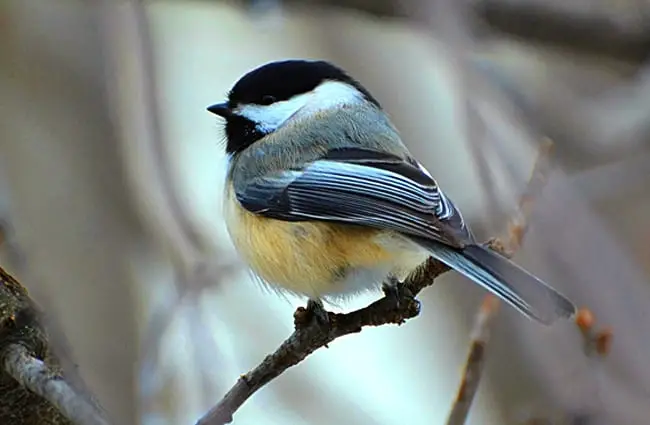
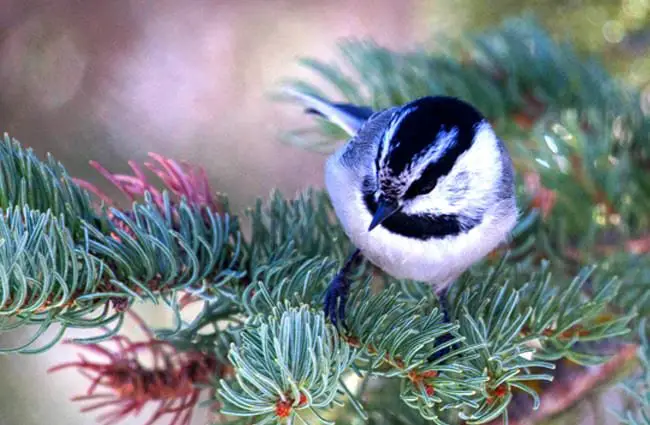
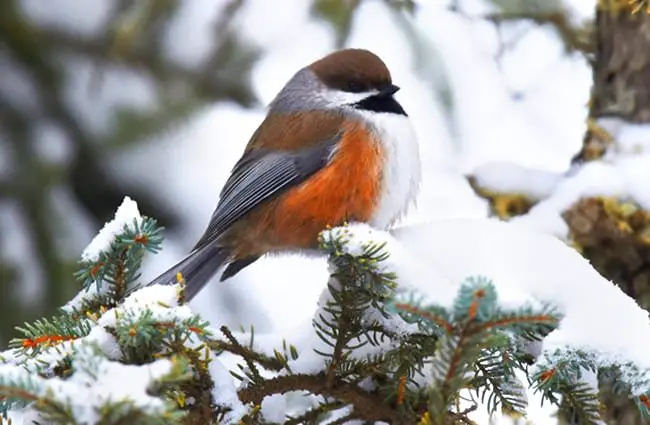
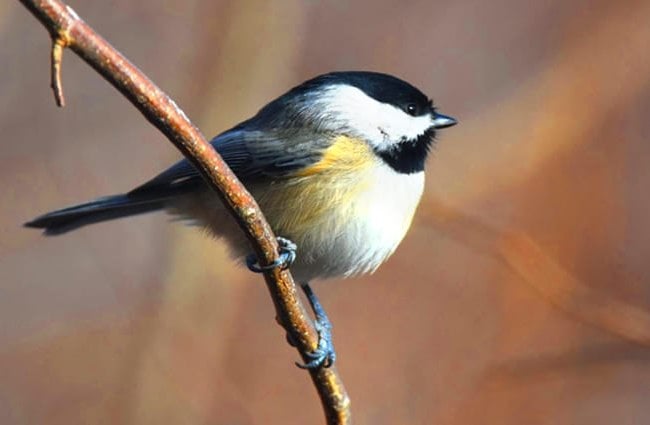
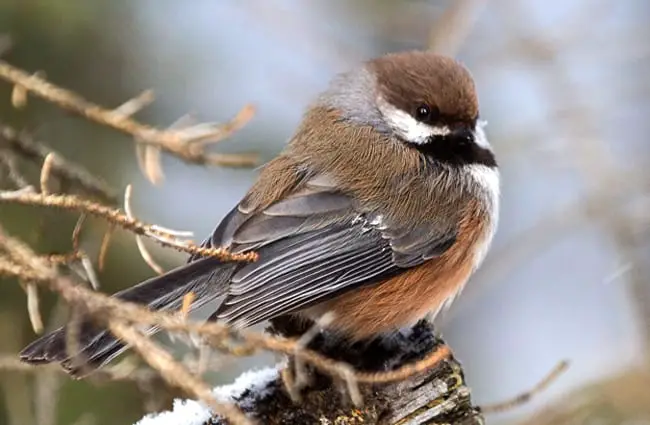
The term “chickadee” isn’t limited to a single species. It encompasses seven distinct species within the Poecile genus. The most widespread is the Black-capped Chickadee (Poecile atricapillus), found throughout much of North America. Other species include the Mountain Chickadee, Boreal Chickadee, Carolina Chickadee, Chestnut-backed Chickadee, Mexican Chickadee, and the Grey-headed Chickadee, each with its own geographic range and subtle variations in appearance and behavior.
Physical Characteristics
Chickadees are small birds, typically measuring between 4 and 5 inches in length with a wingspan of around 8 inches. They are known for their distinctive black cap and bib, contrasting with white cheeks and a grey back. Subtle differences in these markings, along with size and vocalizations, help distinguish between the various species. Their short, strong bills are perfectly adapted for cracking seeds and gleaning insects.
Habitat and Distribution
Chickadees are highly adaptable birds, found in a variety of habitats including deciduous forests, coniferous forests, mixed woodlands, and even urban areas. They thrive in areas with abundant trees and shrubs, providing both food and shelter. Different species have different habitat preferences. For example, the Mountain Chickadee prefers high elevation coniferous forests, while the Carolina Chickadee is more common in southeastern deciduous woodlands. Their ability to adapt to human-modified landscapes has contributed to their widespread distribution.
Finding Chickadees in the Wild
If you’re hoping to spot a chickadee, focus your search in areas with dense vegetation. Listen for their characteristic calls: a clear, bright “chick-a-dee-dee-dee” often repeated multiple times. They are active foragers, flitting through branches and probing bark for insects and seeds. Offering black oil sunflower seeds in a bird feeder is an excellent way to attract them to your yard.
Diet and Foraging Behavior
Chickadees are omnivorous, with a diet that varies seasonally. In the summer, insects and caterpillars make up a large proportion of their food intake, providing essential protein for breeding and raising young. As winter approaches, they switch to a diet consisting primarily of seeds, berries, and suet. They are known for their “caching” behavior, storing seeds and other food items in crevices and under bark for later consumption. This allows them to survive even during periods of deep snow cover.
Chickadee Intelligence and Memory
Perhaps the most remarkable aspect of chickadee biology is their exceptional spatial memory. They are capable of caching thousands of food items each autumn and remembering the location of each cache throughout the winter. This incredible feat is made possible by a unique expansion of the hippocampus, the brain region responsible for spatial memory. Researchers have discovered that the hippocampus actually grows in size each autumn and shrinks back down in the spring, reflecting the changing demands on memory.
The Meaning of “Dee” Notes
The number of “dee” notes in a chickadee’s call isn’t random. It’s a signal to other chickadees about the presence of predators. More “dee” notes indicate a greater level of threat, prompting other birds to become more vigilant or even to mob the predator. This sophisticated communication system demonstrates a level of cognitive complexity rarely seen in birds.
Reproduction and Life Cycle
Chickadees are typically monogamous, forming long term pair bonds. They nest in cavities, either natural hollows in trees or abandoned woodpecker holes. They will also readily use nest boxes provided by humans. The female typically lays 6 to 8 eggs, incubating them for about 12 to 13 days. Both parents participate in feeding the young, which fledge from the nest after about 18 to 21 days. Chickadees have a relatively short lifespan, typically living only 2 to 3 years in the wild, although some individuals can live up to 10 years or more.
Chickadees in the Ecosystem
Chickadees play an important role in the ecosystem as both seed dispersers and insectivores. By caching seeds, they contribute to forest regeneration. By consuming insects, they help control populations of potentially harmful pests. They also serve as an important food source for predators such as hawks, owls, and foxes.
Interactions with Other Animals
Chickadees often participate in mixed species foraging flocks, joining with other birds such as nuthatches, woodpeckers, and kinglets to search for food. This behavior provides increased protection from predators and allows them to exploit a wider range of food resources.
Chickadees and Humans
Chickadees have a long history of association with humans. Their cheerful song and endearing behavior have made them popular subjects for art, literature, and folklore. They are also a favorite among birdwatchers and backyard bird enthusiasts. Providing bird feeders and nest boxes can help support local chickadee populations.
Caring for Chickadees in Captivity
While it is generally discouraged to raise wild birds in captivity, situations may arise where care is necessary. In such cases, a specialized diet consisting of insects, seeds, and suet is essential. Provide a spacious enclosure with plenty of perches and enrichment items. It is crucial to minimize human contact to avoid imprinting and to maintain the bird’s natural behaviors. Consult with a veterinarian experienced in avian care for guidance.
Evolutionary History
The evolutionary history of chickadees is complex and still being investigated. They belong to the family Paridae, which includes tits, nuthatches, and wrens. Genetic studies suggest that chickadees diverged from other Paridae species several million years ago. Their ability to adapt to a variety of habitats likely played a key role in their evolutionary success.
Interesting Facts About Chickadees
- Chickadees can lower their body temperature overnight to conserve energy, entering a state called torpor.
- They often use spiderwebs to reinforce their nests, providing insulation and flexibility.
- Chickadees often build a small nest of moss and twigs at the base of a tree, which is then lined with feathers.
- They have a unique “alarm call” that warns other birds of approaching predators.
- The number of “dee” notes in their call correlates with the size and threat level of the predator.
- They can live in a variety of habitats, from forests to urban areas.
By highlighting these remarkable adaptations and behaviors, we hope readers will gain a deeper appreciation for the humble chickadee and its important place in the natural world.
![Closeup of a beautiful Red Angus cowPhoto by: U.S. Department of Agriculture [pubic domain]https://creativecommons.org/licenses/by/2.0/](https://animals.net/wp-content/uploads/2020/03/Red-Angus-4-238x178.jpg "Red Angus")



![Closeup of a beautiful Red Angus cowPhoto by: U.S. Department of Agriculture [pubic domain]https://creativecommons.org/licenses/by/2.0/](https://animals.net/wp-content/uploads/2020/03/Red-Angus-4-100x75.jpg "Red Angus")