The story of the cave bear is a compelling tale of adaptation, survival, and ultimately, extinction. This magnificent creature, Ursus spelaeus, once roamed across Eurasia, leaving behind a wealth of fossil evidence that continues to fascinate scientists and animal lovers alike. This guide delves into the life history of the cave bear, from its physical characteristics and habitat to its behavior, diet, and eventual disappearance, providing a comprehensive overview of this remarkable animal.
What Was the Cave Bear?
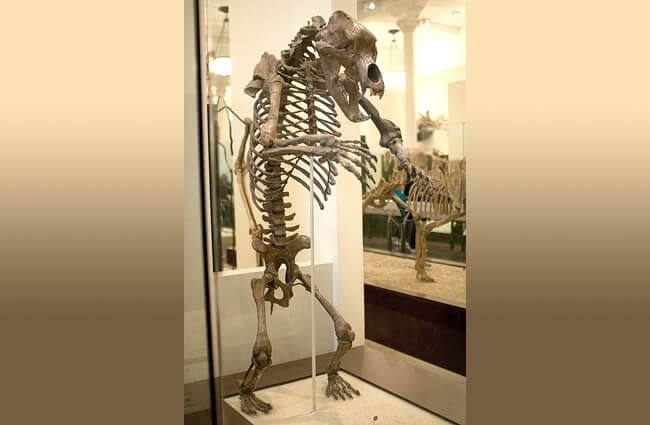
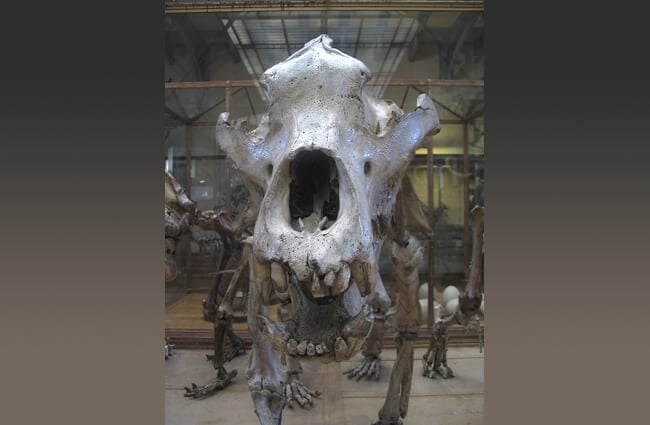
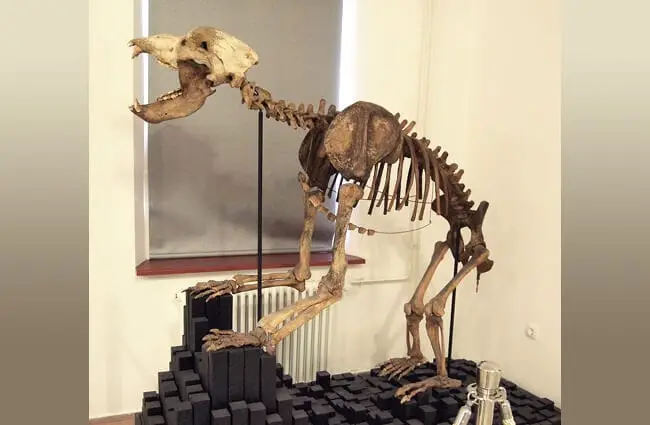
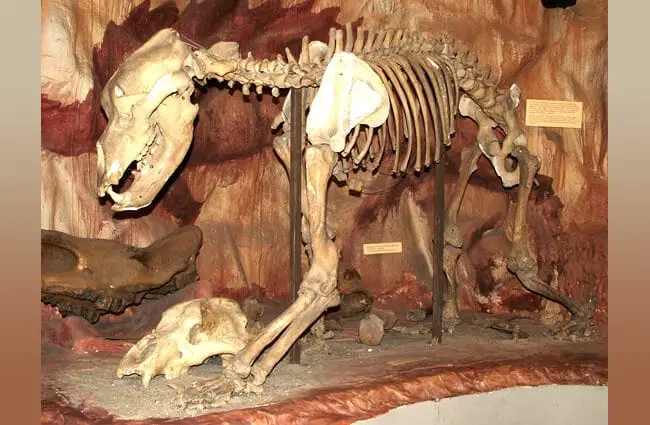
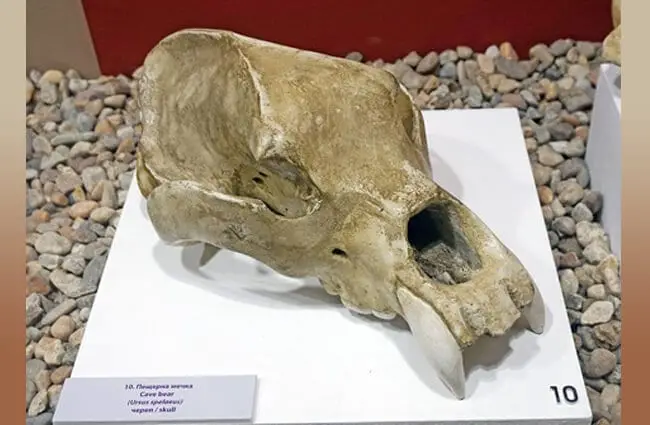
The cave bear was a large mammal belonging to the bear family, Ursidae. It was closely related to the brown bear but significantly larger and more robust. Adult males weighed between 300 and 500 kilograms (660 to 1100 pounds), while females were somewhat smaller. This imposing size, combined with a heavily built skeleton, distinguishes it from other bear species. Their limbs were proportionally shorter and stronger than those of modern bears, suggesting an adaptation to a more sedentary lifestyle. The cave bear’s skull was also unique, possessing a high forehead and a large braincase—though brain size does not necessarily correlate with intelligence.
Habitat and Distribution
As its name suggests, the cave bear frequently inhabited caves, especially during the winter months. These caves provided shelter from harsh elements and a safe haven for hibernation and raising young. However, they were not exclusively cave dwellers. Fossil evidence shows they occupied a wide range of habitats, including forests, grasslands, and mountainous regions across Europe and Asia. Their range extended from western Europe—countries such as Spain and France—through central and eastern Europe, and into parts of Asia.
The Cave Bear’s Lifestyle
Diet and Feeding Habits
Unlike their modern counterparts, cave bears were primarily herbivores. Their diet consisted largely of tough vegetation, including grasses, roots, leaves, and fruits. Isotope analysis of their teeth and bones confirms this herbivorous preference. This specialized diet had a significant impact on their physiology and behavior. Their teeth were adapted for grinding plant matter, and their digestive systems were likely less efficient at processing meat than those of carnivores. Some evidence suggests they may have occasionally supplemented their diet with carrion, but meat was not a significant component.
Social Behavior and Reproduction
Cave bear social behavior remains a subject of ongoing research. It is believed that they were generally solitary animals, except during the mating season or when females were raising their cubs. Mating likely occurred in the spring. Females typically gave birth to one to three cubs in a sheltered den, often within a cave. The cubs remained with their mother for at least two years, learning essential survival skills. Determining the exact lifespan of cave bears is difficult, but estimates suggest they could live for around 20 to 30 years.
Evolutionary History
The cave bear emerged during the Middle Pleistocene epoch, roughly 800,000 years ago. It evolved from the Etruscan bear, Ursus etruscus, a species that was more widespread and adaptable. The cave bear adapted to the colder, glacial conditions of the Pleistocene, developing its large size and herbivorous diet. During the last glacial period, its population flourished. However, as the climate warmed and the glaciers retreated, its habitat began to shrink and change. Competition with other bear species, particularly the brown bear, also increased.
Interaction with Humans
Cave bears coexisted with early humans for thousands of years. Evidence suggests that Neanderthals and early Homo sapiens hunted cave bears, although it was not a primary food source. Cave bear bones have been found in archaeological sites alongside human tools and remains. Remarkably, some Neanderthal groups practiced a ritualistic behavior of arranging cave bear skulls and bones in specific patterns within caves, the purpose of which remains a mystery. This practice offers a unique window into the cognitive abilities and symbolic thinking of our ancestors.
Extinction
The cave bear went extinct approximately 27,800 years ago, towards the end of the last glacial period. The exact cause of its extinction is complex and likely involved multiple factors. Climate change played a significant role, altering their habitat and reducing the availability of suitable vegetation. Competition with brown bears, which were more adaptable and opportunistic, may have also contributed. While hunting by humans may have had a localized impact, it is unlikely to have been the primary driver of their extinction.
What Can We Learn from the Cave Bear?
The story of the cave bear serves as a cautionary tale about the vulnerability of large herbivores to environmental change. Its extinction highlights the importance of maintaining habitat diversity and mitigating the impacts of climate change. Studying the cave bear also provides valuable insights into the evolutionary history of bears and the complex interactions between species in past ecosystems.
For the Aspiring Zoologist
Further research into cave bear genetics, paleopathology (the study of disease in ancient organisms), and stable isotope analysis promises to reveal even more about their lifestyle, health, and evolutionary relationships. Understanding the factors that led to their extinction can inform conservation efforts for other vulnerable species today.
Encountering a Cave Bear – A Guide (Though Highly Unlikely!)
Given that cave bears are extinct, an encounter is impossible. However, if, by some extraordinary circumstance, you were to encounter a large bear in a cave-like environment, treat it with extreme caution. Slowly back away, avoid direct eye contact, and make noise to alert the bear to your presence. Carry bear spray and know how to use it. Report the sighting to local wildlife authorities.
Caring for a Cave Bear in Captivity (Hypothetical)
As cave bears are extinct, this is a purely hypothetical scenario. However, based on their dietary needs, a captive cave bear would require a specialized diet rich in tough vegetation, including grasses, roots, and leaves. Its enclosure would need to be large and provide ample space for foraging and exploring. Social interaction with other bears would likely be limited, given their typically solitary nature. Maintaining a natural cave-like environment with appropriate temperature and humidity would also be crucial.
The cave bear remains a fascinating subject for scientists and nature enthusiasts alike. Its story is a testament to the power of adaptation, the fragility of ecosystems, and the enduring legacy of extinct species. By continuing to study and learn from the past, we can better protect the biodiversity of our planet for future generations.
![Closeup of a beautiful Red Angus cowPhoto by: U.S. Department of Agriculture [pubic domain]https://creativecommons.org/licenses/by/2.0/](https://animals.net/wp-content/uploads/2020/03/Red-Angus-4-238x178.jpg "Red Angus")
![Closeup of a beautiful Red Angus cowPhoto by: U.S. Department of Agriculture [pubic domain]https://creativecommons.org/licenses/by/2.0/](https://animals.net/wp-content/uploads/2020/03/Red-Angus-4-100x75.jpg "Red Angus")