
Introducing the Capuchin: A New World Monkey of Remarkable Intelligence
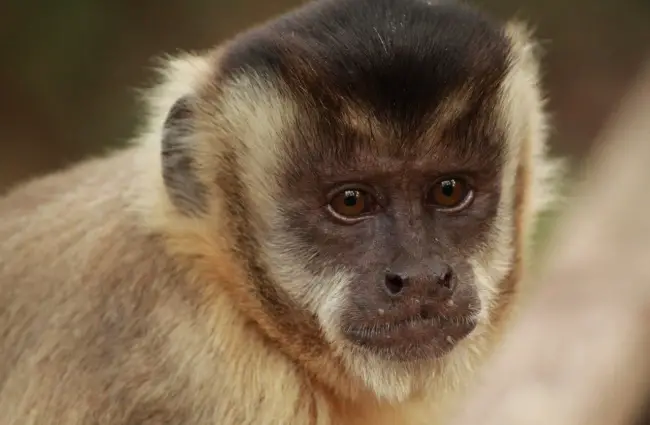
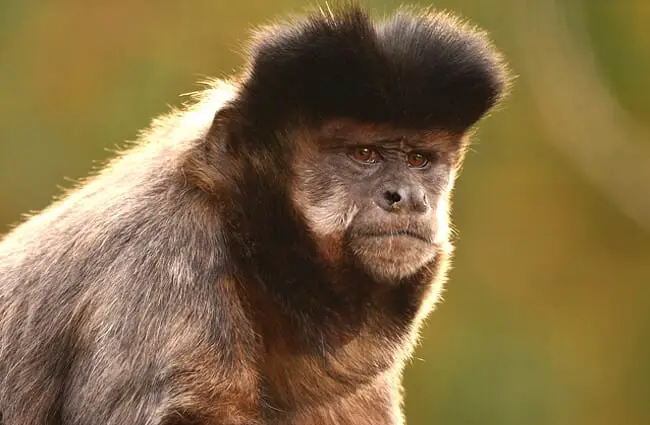
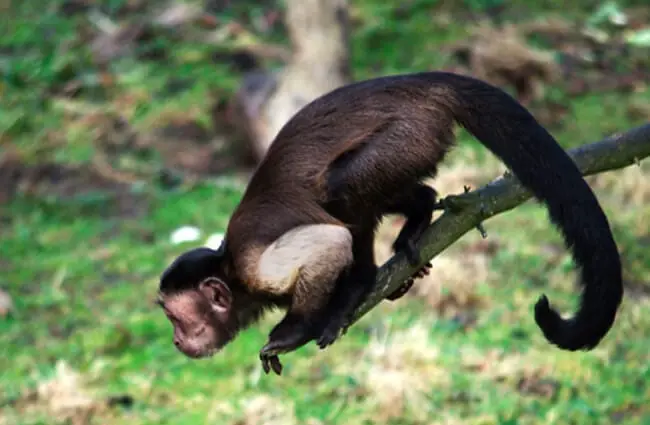
The Capuchin monkey, a captivating primate hailing from the tropical forests of Central and South America, is renowned for its intelligence, adaptability, and charming appearance. Sporting a distinctive dark cap, resembling a monk’s cowl because of the name “capuchin,” these monkeys are a delight to observe and a source of ongoing fascination for scientists. They are highly social creatures with complex behaviors, making them a compelling subject for study and a vital part of their ecosystems.
Habitat and Distribution
Capuchins inhabit a diverse range of forest types, including lowland rainforests, seasonal forests, and even mangrove swamps. Their range extends from the southern part of Central America, through much of South America, encompassing countries such as Brazil, Argentina, Colombia, and Venezuela. They are arboreal animals, spending the majority of their lives in the trees, and are well adapted to life amongst the branches. They prefer primary and secondary forests, but can adapt to disturbed habitats if sufficient food and shelter are available.
Evolutionary History: A Primate Lineage
The evolutionary history of Capuchins is rooted in the broader primate radiation that occurred in the Americas. They belong to the family Cebidae, a group of New World monkeys characterized by their prehensile tails and diverse adaptations. Their lineage diverged from other primate groups millions of years ago, resulting in the development of unique traits and behaviors. Fossil evidence suggests that Capuchins have been present in South America for at least several million years, adapting and diversifying over time. Studying their genetic makeup and skeletal structures provides valuable insights into their evolutionary relationships and the processes that shaped their characteristics.
Diet and Foraging Behavior
Capuchins are omnivorous, possessing a varied diet that reflects the abundance of resources in their forest home. Fruits, insects, seeds, leaves, and even small vertebrates make up their typical fare. They are opportunistic foragers, capable of exploiting a wide range of food sources. A remarkable aspect of their foraging behavior is their use of tools. Capuchins have been observed using stones to crack open nuts, sticks to probe for insects, and even leaves as sponges to soak up water. This tool use demonstrates a level of cognitive ability rarely seen in the animal kingdom.
Social Structure and Behavior
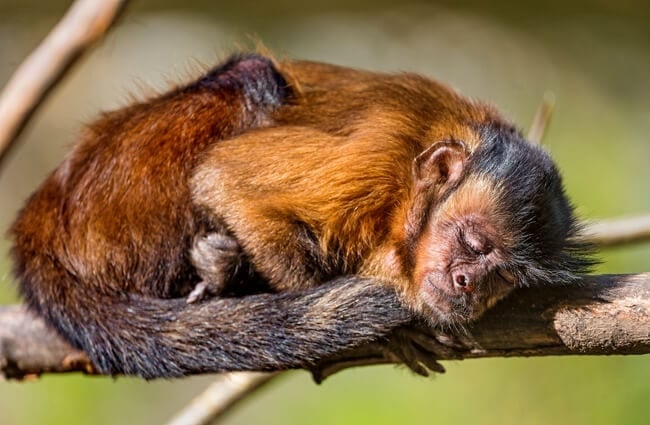
Capuchin monkeys live in groups with multiple male, multiple female individuals, typically ranging from 10 to 30. These groups are characterized by a dominance hierarchy, with alpha males and females exerting influence over access to resources and mating opportunities. Social grooming plays a vital role in maintaining group cohesion and strengthening bonds between individuals. Capuchins are highly communicative, employing a variety of vocalizations, facial expressions, and body postures to convey information. Play behavior is also common, particularly among younger individuals, contributing to the development of social skills and physical coordination.
Mating and Reproduction
Capuchin monkeys generally have a year round breeding season. After a gestation period of approximately 160-180 days, females typically give birth to a single infant. Infants are highly dependent on their mothers for the first several months of life, receiving constant care and protection. Mothers carry their infants clinging to their bellies or backs, and gradually introduce them to solid foods. Young Capuchins reach sexual maturity at around 3-5 years of age. The complex social dynamics within the group often influence mating opportunities, with dominant individuals enjoying greater access to mates.
Ecological Role and Interactions
Capuchins play a crucial role in their ecosystems as seed dispersers and pollinators. By consuming fruits and seeds, they help to distribute plant life throughout the forest. Their foraging activities also contribute to the control of insect populations. Capuchins often interact with other primate species, sometimes competing for resources or engaging in cooperative foraging. They also face predation from birds of prey, snakes, and larger mammals. The health of Capuchin populations is an indicator of the overall health of the forest ecosystem.
Capuchins and Humans: A Complex Relationship
Historically, Capuchin monkeys have been hunted for food and their pelts. Today, habitat loss and fragmentation due to deforestation and agriculture pose the greatest threats to their survival. They are also sometimes captured for the pet trade, although this is illegal in many countries. Conservation efforts, including habitat protection and anti-poaching measures, are essential to ensure their long term survival. In some regions, Capuchins are used in biomedical research, providing valuable insights into primate biology and behavior. Their intelligence and trainability have also led to their use as service animals for individuals with disabilities.
Encountering a Capuchin in the Wild
If you encounter a Capuchin monkey while hiking or exploring in their habitat, it is important to maintain a safe distance. Do not approach or attempt to feed them, as this can alter their natural behavior and make them dependent on humans. Avoid making direct eye contact, as this may be perceived as a threat. If a Capuchin approaches you, remain calm and slowly back away. Secure any food or belongings to prevent them from snatching them. Report any sightings to local authorities or conservation organizations.
Caring for Capuchins in Captivity
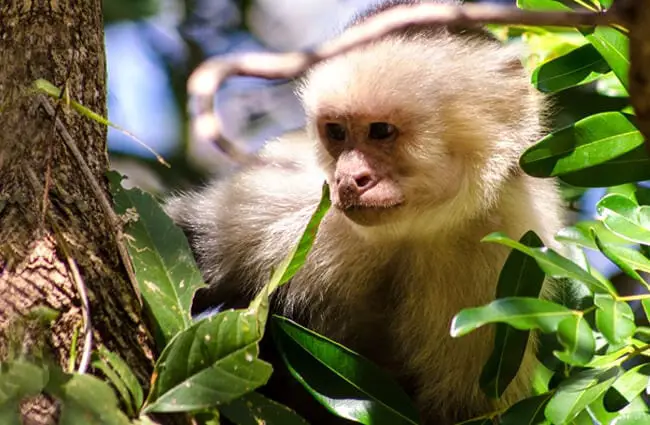
Providing appropriate care for Capuchins in captivity requires specialized knowledge and resources. They need spacious enclosures that allow for climbing and exploration. A varied diet, including fruits, vegetables, insects, and primate biscuits, is essential for their nutritional needs. Enrichment activities, such as puzzles, toys, and social interaction with other Capuchins, are crucial for stimulating their minds and preventing boredom. Regular veterinary checkups and preventative healthcare are also vital. It is important to remember that Capuchins are complex animals with specific needs, and providing a high quality of life in captivity requires a dedicated and knowledgeable team.
Interesting Facts about Capuchins
- Capuchins are considered one of the most intelligent New World monkeys.
- They have been observed using tools in the wild, including stones and sticks.
- Their prehensile tails help them to grip branches and maintain balance.
- Capuchins live in complex social groups with established dominance hierarchies.
- They have a varied diet that includes fruits, insects, and small vertebrates.
- Capuchins are seed dispersers and pollinators, playing a vital role in their ecosystems.
- They are native to the tropical forests of Central and South America.
- Capuchins are known for their playful and curious behavior.
- They can live up to 25 years in the wild and longer in captivity.
The Future of Capuchins
The long term survival of Capuchin monkeys depends on ongoing conservation efforts and a commitment to protecting their natural habitat. Addressing the threats posed by deforestation, hunting, and the pet trade is crucial. Promoting sustainable land use practices and supporting local communities are also essential. By working together, we can ensure that these remarkable primates continue to thrive in the wild for generations to come.
![Closeup of a beautiful Red Angus cowPhoto by: U.S. Department of Agriculture [pubic domain]https://creativecommons.org/licenses/by/2.0/](https://animals.net/wp-content/uploads/2020/03/Red-Angus-4-238x178.jpg "Red Angus")



![Closeup of a beautiful Red Angus cowPhoto by: U.S. Department of Agriculture [pubic domain]https://creativecommons.org/licenses/by/2.0/](https://animals.net/wp-content/uploads/2020/03/Red-Angus-4-100x75.jpg "Red Angus")