A Comprehensive Look at the Canary
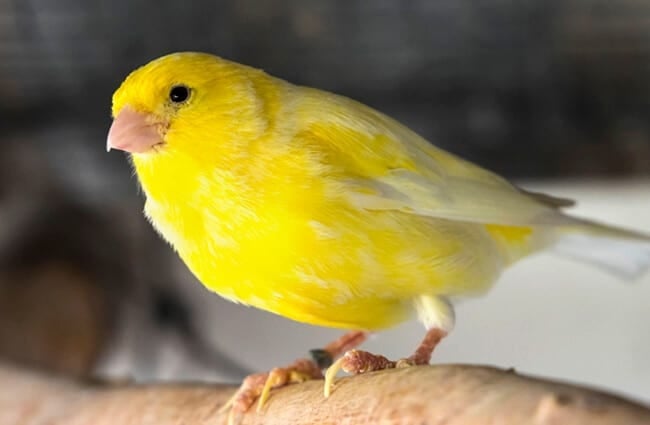
The canary, a small songbird beloved for its cheerful disposition and melodic voice, holds a fascinating place in both the natural world and human culture. Beyond the familiar yellow pet, lies a diverse species with a rich history, complex behaviors, and an important ecological role. This article explores the world of canaries, including their origins, habitats, behaviors, and interactions with both the environment and humans.
Origins and Evolution
A Journey Through Time
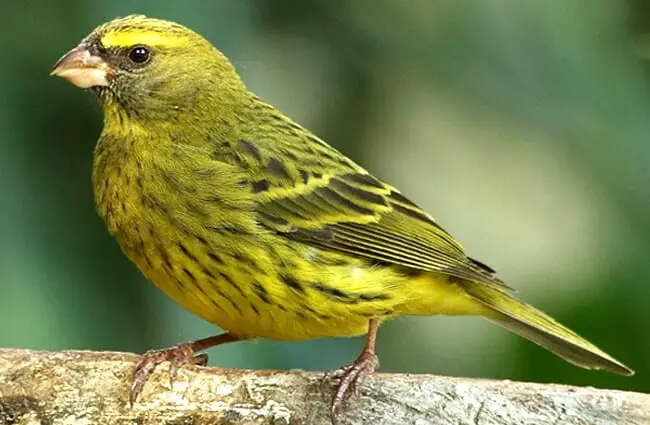
The wild canary, scientifically known as Serinus canaria, originates from the Canary Islands, Madeira, and the Azores. These volcanic islands, located off the coast of Northwest Africa, provided the isolated environment necessary for the species to evolve distinct characteristics. It is believed that the ancestors of today’s canaries arrived on these islands from North Africa, carried by winds or currents. Over time, the island populations diverged, resulting in variations in size, plumage, and song.
Domestication and Selective Breeding
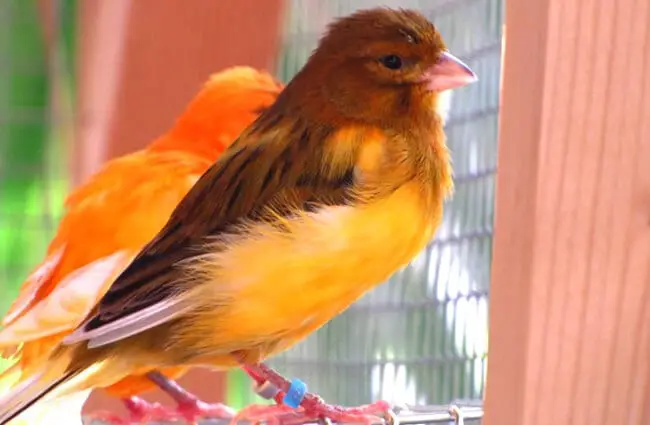
Canaries were first brought to Europe in the 15th century, initially as companions to monks and nobility. However, systematic breeding began only in the 17th century, driven by a fascination with their singing abilities. Breeders in Spain, Germany, and England selectively bred canaries for specific traits, such as song quality, color, and feather type, producing the wide variety of breeds seen today. From roller canaries known for their complex, rolling songs to colorbred varieties showcasing vibrant hues, human intervention has dramatically shaped the species.
Habitat and Distribution
Wild Canary Habitats
In the wild, canaries favor diverse habitats, including woodlands, forests, gardens, and even agricultural areas. They are adaptable birds capable of thriving in various environments, provided there is sufficient vegetation for nesting and foraging. The wild canary population is concentrated in the Canary Islands, where they are considered a flagship species. They typically inhabit areas with dense shrubs, trees, and access to fresh water.
Global Distribution Through Human Intervention
While native to the islands mentioned above, canaries have been introduced to various parts of the world, including Hawaii, the United States, and parts of South America, primarily as escapees from captivity. These introduced populations are often small and localized, and their impact on native ecosystems is still being studied.
Diet and Foraging Behavior
A Seed and Insect Eater
Canaries are primarily granivores, meaning their diet consists mainly of seeds. In the wild, they forage for seeds from grasses, shrubs, and trees. However, their diet is not limited to seeds; they also consume insects, especially during the breeding season when protein is crucial for developing chicks. They skillfully glean insects from leaves, branches, and even catch them in midair.
Diet in Captivity
Captive canaries require a balanced diet consisting of commercial canary seed mixes, supplemented with fresh greens, fruits, and vegetables. Grit is also essential to aid digestion. Providing a varied diet is crucial for maintaining their health and vitality.
Mating and Reproduction
Courtship and Nest Building
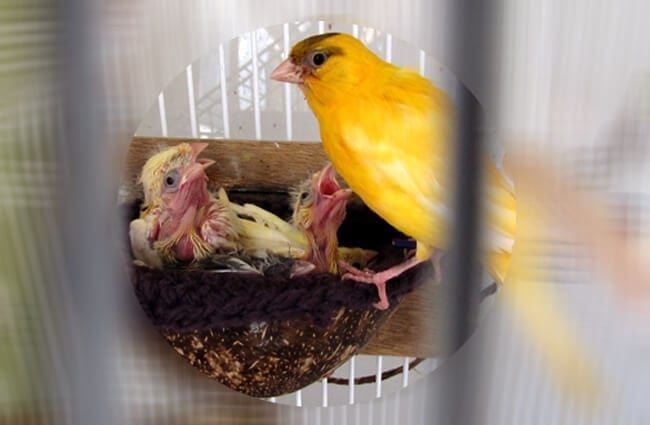
Canaries typically breed during the spring and summer months. The male attracts the female through elaborate courtship displays, including singing, fluttering his wings, and offering food. Once paired, they work together to build a nest, usually in a sheltered location such as a tree cavity or dense shrub. The nest is meticulously constructed from grass, moss, and other soft materials.
Eggs and Chick Rearing
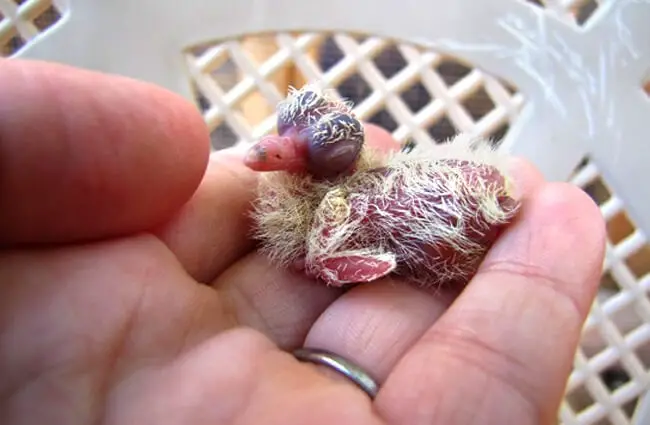
The female lays a clutch of three to five eggs, which she incubates for about fourteen days. Both parents participate in feeding the chicks, providing them with regurgitated seeds and insects. The chicks fledge, or leave the nest, after about twenty-one days. Young canaries remain dependent on their parents for several weeks after fledging.
Ecological Role and Interactions
Seed Dispersal and Insect Control
Canaries play a role in seed dispersal, helping to spread plant species throughout their habitat. They also contribute to insect control by consuming various insect species. This makes them a valuable component of the ecosystem.
Predators and Interactions with Other Animals
Canaries are preyed upon by various predators, including birds of prey, cats, and snakes. They are vigilant birds that use their sharp eyesight and agile flight to evade danger. They also interact with other bird species, often foraging alongside them or competing for resources.
Canaries and Human Culture
Historical Significance
Throughout history, canaries have held a significant place in human culture. They were once used as a canary in a coal mine, serving as an early warning system for dangerous gases. Their sensitivity to toxins made them valuable safeguards for miners.
Canaries as Pets
Today, canaries are popular pets, prized for their cheerful songs and vibrant colors. Selective breeding has resulted in a diverse array of breeds, each with unique characteristics. They provide companionship and brighten the lives of many people.
Caring for Canaries in Captivity
Essential Cage Setup
A spacious cage is essential for a canary’s well-being. Provide a variety of perches, toys, and opportunities for exercise. Ensure the cage is clean and well ventilated.
Diet and Health Monitoring
A balanced diet and regular health checks are crucial for maintaining a canary’s health. Monitor for signs of illness, such as lethargy, loss of appetite, or changes in droppings. Seek veterinary care if necessary.
Fun Facts About Canaries
- Canaries can learn to mimic sounds, including human speech.
- Male canaries are the primary singers.
- Some canary breeds have elaborate feather crests.
- Canaries are highly social birds and enjoy interacting with their owners.
- The color of a canary’s plumage is influenced by its diet.
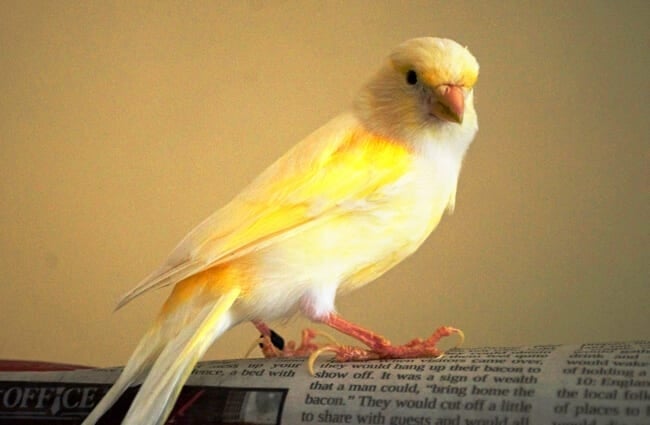
The canary, a small bird with a big personality, continues to captivate and inspire. From its origins in the Canary Islands to its place in human culture, this remarkable species is a testament to the beauty and diversity of the natural world. Understanding their biology, behavior, and needs is essential for ensuring their continued well-being, both in the wild and in captivity.
![Closeup of a beautiful Red Angus cowPhoto by: U.S. Department of Agriculture [pubic domain]https://creativecommons.org/licenses/by/2.0/](https://animals.net/wp-content/uploads/2020/03/Red-Angus-4-238x178.jpg "Red Angus")
![Closeup of a beautiful Red Angus cowPhoto by: U.S. Department of Agriculture [pubic domain]https://creativecommons.org/licenses/by/2.0/](https://animals.net/wp-content/uploads/2020/03/Red-Angus-4-100x75.jpg "Red Angus")