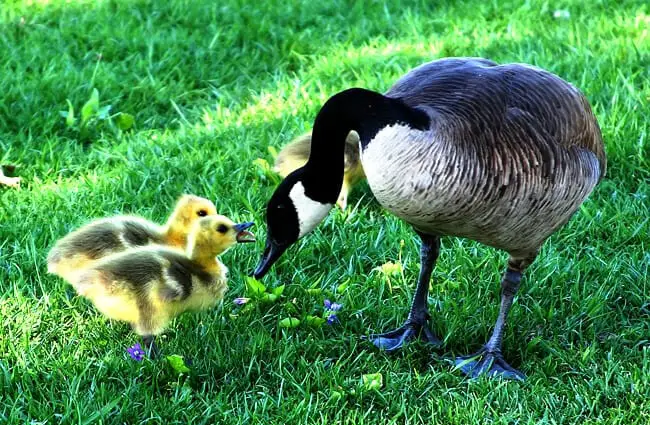
The familiar sight of a large, dark-bodied bird with a black head and neck and a distinctive white “chinstrap” marks the presence of the Canada Goose. More than just a common park resident, this species boasts a rich history, complex behaviors, and a significant role in North American ecosystems. This guide delves into the world of Branta canadensis, exploring its natural history, behaviors, and interactions with both the environment and humans.
A Majestic Overview of the Canada Goose
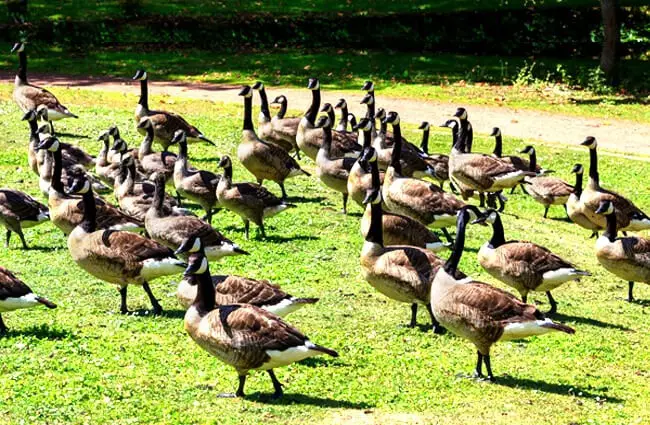
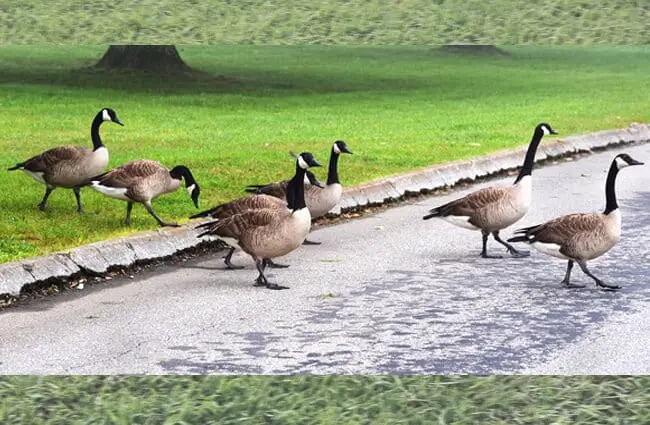
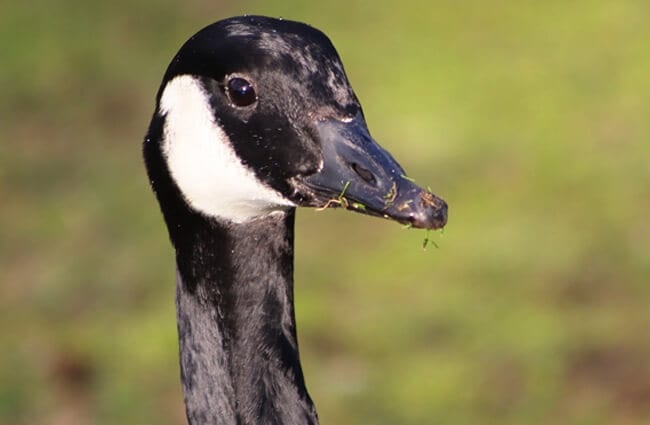
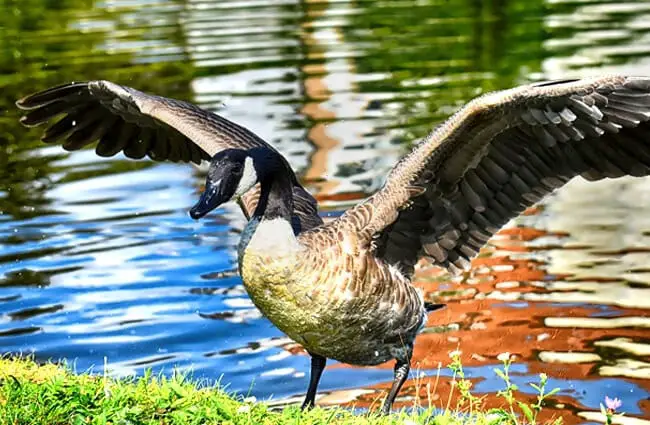
The Canada Goose, aptly named, is one of the most recognizable birds in North America. While often seen in urban parks and golf courses, this adaptable species thrives in a variety of habitats, from arctic tundra to grasslands and woodlands. Their large size, ranging from 30 to 43 inches in length and possessing a wingspan of up to 68 inches, makes them easily identifiable. Several subspecies exist, varying in size and coloration, but all share the characteristic black head and neck, white cheek patches, and brownish‑gray body.
Origins and Evolution
Fossil records suggest that the Canada Goose’s ancestors date back to the Pliocene epoch. These early geese were likely less specialized, inhabiting a wider range of environments. Over millions of years, the species evolved and diversified, adapting to specific niches across North America. The modern Canada Goose is a testament to the power of natural selection, exhibiting traits that optimize survival in diverse climates and terrains. The species’ ability to migrate long distances is a key adaptation, allowing them to reach optimal breeding and wintering grounds.
Habitat and Distribution
Canada Geese demonstrate remarkable adaptability. Their breeding grounds span across Canada and the northern United States, encompassing a wide range of habitats including marshes, ponds, lakes, and even agricultural fields. During winter months, they migrate southwards, seeking warmer climates in the United States, Mexico, and even parts of Europe and Asia (introduced populations). They are often found near bodies of fresh water, offering both feeding opportunities and protection from predators. Their presence has expanded dramatically in recent decades, particularly in urban areas, due to the availability of readily accessible food and a lack of natural predators.
Diet and Foraging Behavior
Canada Geese are primarily herbivores, with a diet that varies seasonally. During the breeding season, they feed on a variety of aquatic vegetation, grasses, and grains. They are opportunistic feeders, readily consuming agricultural crops like wheat, corn, and soybeans. In urban environments, they often graze on lawns and golf courses. Goslings have a higher protein requirement and also consume insects and invertebrates. Foraging often occurs in flocks, maximizing efficiency and providing increased vigilance against predators. They use their serrated bills to efficiently tear vegetation.
Mating, Reproduction, and Life Cycle
Canada Geese are generally monogamous, forming long‑term pair bonds that can last for life. These bonds are reinforced through mutual preening and synchronized movements. Breeding typically occurs in the spring. The female builds a nest on the ground, often near water, using vegetation, grass, and debris. She lays between two and nine eggs, which she incubates for approximately 28 to 30 days. Both parents protect the nest, but only the female incubates.
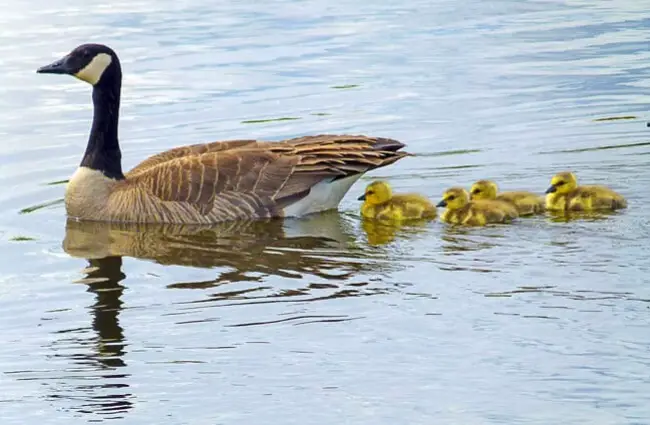
Goslings are precocial, meaning they are relatively mature and mobile upon hatching. They can swim and forage shortly after birth, but rely on their parents for protection and guidance. The goslings remain with their parents for several months, learning essential survival skills. Canada Geese have a relatively long lifespan, with some individuals living for over 20 years in the wild.
Ecological Role and Interactions
Canada Geese play a vital role in wetland ecosystems. Their grazing habits can influence vegetation structure, creating habitat for other species. They also contribute to nutrient cycling through their droppings. As seed dispersers, they help propagate plant life. Canada Geese serve as prey for various predators, including foxes, coyotes, eagles, and wolves, particularly for goslings. Their presence can also impact other waterfowl populations through competition for resources.
Human Interactions and Concerns
Historically, Canada Geese were hunted for meat and feathers. While hunting remains a regulated activity, it is no longer a major threat to the species. However, increasing goose populations in urban areas have led to conflicts with humans. Goose droppings can create unsanitary conditions, and their aggressive behavior during breeding season can pose a risk to people and pets. Management strategies include habitat modification, egg removal, and relocation programs.
Interesting Facts about Canada Geese
- Canada Geese are strong fliers, capable of reaching speeds of over 70 miles per hour.
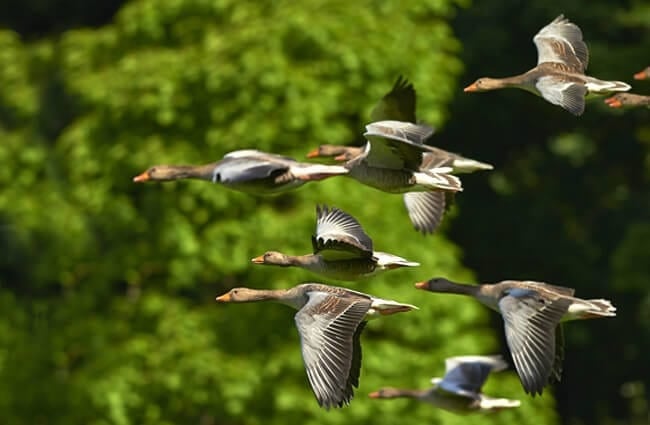
- They fly in a distinctive V‑formation, which reduces wind resistance and conserves energy.
- Goslings imprint on their parents shortly after hatching, following them closely and learning from their behavior.
- Canada Geese communicate through a variety of vocalizations, including honks, hisses, and whistles.
- They have serrated edges on their bills, which help them tear vegetation and grip food.
- The white patch under the chin is unique to each individual goose.
A Guide for Wildlife Enthusiasts
For those hoping to observe Canada Geese in the wild, early spring and late fall are the best times, coinciding with migration periods. Look for them near bodies of water, marshes, and agricultural fields. Maintain a respectful distance and avoid disturbing their nests or goslings. Binoculars can enhance your viewing experience. Remember that they are wild animals and should be treated with caution.
Caring for Canada Geese in Captivity
For zookeepers and wildlife rehabilitators, providing appropriate care for Canada Geese requires attention to specific needs. They require a spacious enclosure with access to both land and water. Their diet should consist of a balanced mix of aquatic vegetation, grasses, and grains. Regular veterinary checkups are essential to monitor their health. Enrichment activities, such as providing novel food items and simulating natural foraging behaviors, can help keep them stimulated and engaged. Avoid overcrowding and provide ample space for social interaction. They are social animals and do best when kept in pairs or small flocks.
The Canada Goose, a symbol of wild beauty and resilience, continues to thrive across North America. Understanding its natural history, behaviors, and ecological role is essential for ensuring its continued success and fostering harmonious coexistence between humans and wildlife.
![Closeup of a beautiful Red Angus cowPhoto by: U.S. Department of Agriculture [pubic domain]https://creativecommons.org/licenses/by/2.0/](https://animals.net/wp-content/uploads/2020/03/Red-Angus-4-238x178.jpg "Red Angus")

![Closeup of a beautiful Red Angus cowPhoto by: U.S. Department of Agriculture [pubic domain]https://creativecommons.org/licenses/by/2.0/](https://animals.net/wp-content/uploads/2020/03/Red-Angus-4-100x75.jpg "Red Angus")