Unveiling the Enigmatic Camel Spider: More Than Just a Desert Legend
Deep in the arid landscapes of the world, a creature often misunderstood and frequently exaggerated roams with incredible speed and predatory prowess. Known by many names, including Sun Spider, Wind Scorpion, and its most famous moniker, the Camel Spider, this fascinating arachnid has captivated human imagination for centuries. Far from the monstrous myths that often surround it, the Camel Spider is a marvel of adaptation, a vital part of its ecosystem, and a testament to the incredible diversity of life on Earth. Prepare to journey beyond the sensational headlines and discover the true nature of these remarkable desert dwellers.
What Exactly is a Camel Spider?
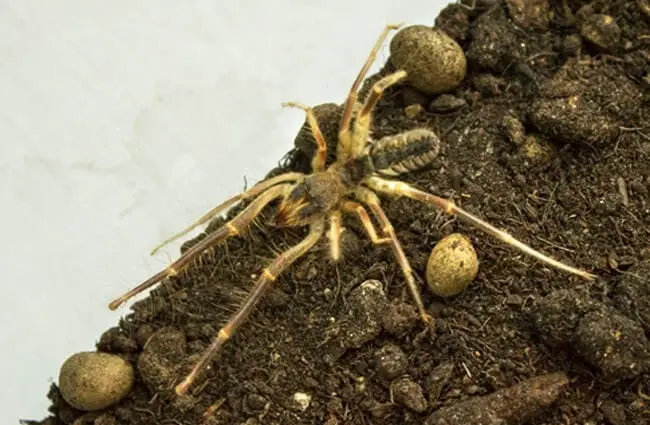
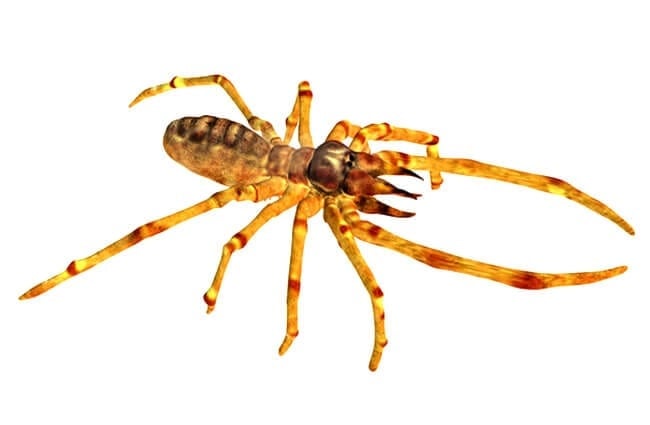
Despite its common names, the Camel Spider is neither a true spider nor a scorpion. It belongs to its own distinct order of arachnids, the Solifugae, a name derived from Latin meaning “those who flee from the sun” or “sun-fleeing.” This classification places them alongside spiders, scorpions, ticks, and mites, but they possess unique anatomical features that set them apart. They are characterized by their robust bodies, often hairy appearance, and most notably, their enormous, powerful chelicerae, which are jaw-like appendages used for grasping, crushing, and cutting prey.
A Glimpse into Their Ancient Lineage: Evolution History
The Solifugae represent an ancient lineage within the arachnid family tree, with fossil records indicating their presence dating back at least 300 million years to the Carboniferous period. This long evolutionary history has allowed them to perfect their adaptations for survival in some of the planet’s harshest environments. Their success over millennia speaks volumes about their efficiency as predators and their resilience in the face of environmental change. While specific details of their evolutionary path are still being uncovered, their distinct morphology suggests a unique divergence early in arachnid evolution, leading to the specialized forms we observe today.
Where the Sun Spiders Roam: Habitat and Distribution
Camel Spiders are true masters of the desert, though their range extends beyond just sand dunes. They are predominantly found in arid and semi-arid regions across the globe, including the deserts and scrublands of the Middle East, Africa, Asia, and the Americas. Their preference for dry, hot climates is reflected in their nocturnal or crepuscular activity patterns, allowing them to avoid the intense heat of the midday sun. During the day, they typically seek refuge under rocks, logs, or in burrows, emerging at dusk to hunt.
For the aspiring zoologist or animal lover hoping to spot one in the wild, understanding their habitat is key. Look for them in:
- Sandy Deserts: Often found scurrying across open sand.
- Rocky Outcrops: Seeking shelter beneath stones.
- Scrublands and Grasslands: Areas with sparse vegetation provide cover and hunting grounds.
- Under Debris: Logs, discarded materials, or even human structures can offer temporary refuge.
Their presence is a strong indicator of a healthy desert ecosystem, as they play a crucial role in controlling insect populations.
Anatomy of a Hunter: Unique Features
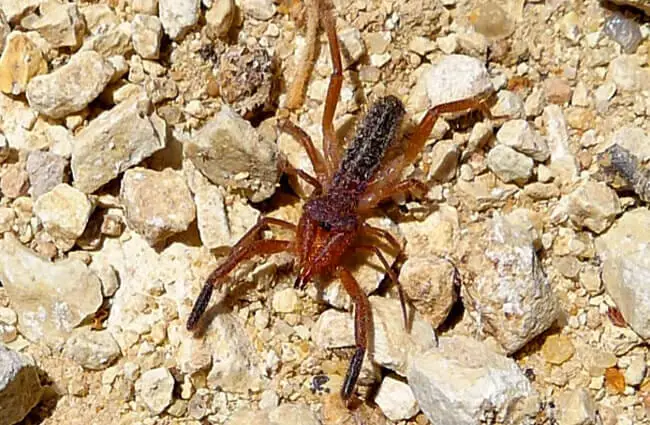
The Camel Spider’s body plan is a testament to its predatory lifestyle. They possess ten apparent legs, though only eight are true walking legs. The front pair, known as pedipalps, are highly specialized sensory and grasping appendages, often mistaken for an extra pair of legs. These pedipalps are equipped with adhesive sacs, allowing the animal to climb smooth surfaces and capture prey. The true walking legs are powerful and enable their renowned speed, with some species capable of reaching speeds up to 10 miles per hour, making them among the fastest non-insect arthropods.
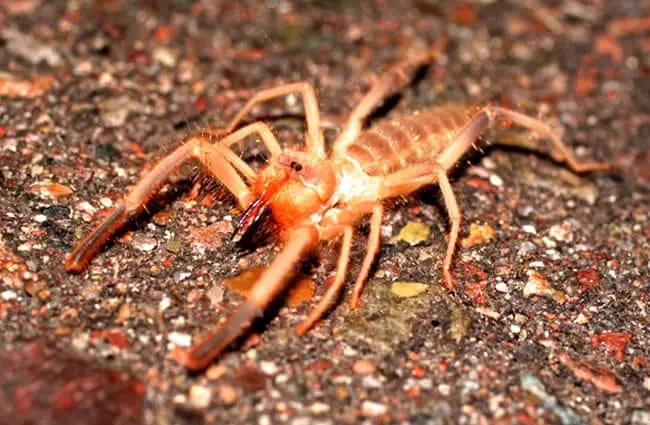
However, the most striking feature is undoubtedly their chelicerae. These massive, pincer-like jaws are disproportionately large compared to their body size, sometimes making up a third of their total length. Each chelicera is composed of two segments that operate like a pair of scissors, capable of delivering a powerful bite that can cut through the exoskeleton of insects, small vertebrates, and even human skin. Unlike true spiders, Camel Spiders do not possess venom glands, nor do they spin silk. Their hunting strategy relies purely on speed, strength, and mechanical force.
The Desert’s Swift Predator: Diet and Hunting Strategies
Camel Spiders are voracious carnivores, playing a significant role as apex predators in their micro-habitats. Their diet is incredibly varied, reflecting their opportunistic nature and powerful hunting tools. They are not picky eaters and will pursue almost any prey they can overpower.
What’s on the Menu?
- Insects: Crickets, beetles, grasshoppers, and termites form a large part of their diet.
- Other Arthropods: Scorpions, other spiders, and even other Solifugae can fall victim to a hungry Camel Spider.
- Small Vertebrates: Lizards, snakes, small rodents, and even ground-nesting birds are not safe from larger species.
Their hunting strategy is a marvel of efficiency. They are primarily ambush predators, waiting patiently for prey to pass by, but they are also active hunters, using their incredible speed to chase down unsuspecting victims. Once prey is detected, often through vibrations or chemical cues sensed by their pedipalps, they launch a rapid pursuit. Upon capture, the powerful chelicerae quickly dispatch the prey, tearing and crushing it into a digestible pulp before digestive enzymes are secreted to liquefy the meal, which is then sucked up by the Solifugae.
Life’s Cycle in the Sands: Mating and Reproduction
The reproductive process of Camel Spiders is a fascinating, albeit brief, affair. Mating typically occurs during warmer months and involves a complex courtship ritual. The male, often smaller than the female, must approach cautiously to avoid being mistaken for prey. He uses his pedipalps to subdue the female, often stroking her to calm her before depositing a spermatophore (a packet of sperm) on the ground. He then uses his chelicerae or pedipalps to guide the spermatophore into the female’s genital opening.
After mating, the female will typically dig a burrow where she lays a clutch of eggs, which can range from 50 to 200 depending on the species. She guards these eggs fiercely until they hatch, often refusing to eat during this period. Once the young emerge, they are initially pale and immobile, undergoing several molts before they resemble miniature adults and disperse to begin their independent lives. The lifespan of a Camel Spider is relatively short, usually around one year, though some larger species may live longer.
Ecosystem Engineers: Contribution and Interactions
Camel Spiders are unsung heroes of the desert ecosystem. Their role as prolific predators of insects and other arthropods makes them crucial for maintaining ecological balance. By consuming vast numbers of potential pests, they help regulate populations, preventing outbreaks that could devastate plant life or impact other animal species. They are a natural form of pest control, working tirelessly beneath the desert moon.
Their interactions with other animals are primarily predatory. They are formidable hunters, but they also fall prey to larger desert inhabitants such as birds of prey, larger reptiles, and some mammals. This intricate web of predator and prey relationships highlights their integral position within the desert food chain, contributing to the overall health and stability of these harsh environments.
Camel Spiders and Humans: Dispelling Myths and Fostering Understanding
Few creatures have been the subject of as much sensationalism and misinformation as the Camel Spider. Tales of them chasing soldiers, screaming, jumping onto camels, and possessing deadly venom are widespread, particularly online. The truth, however, is far less dramatic and much more interesting.
Encountering a Camel Spider in the Wild: What to Do
For hikers, campers, or anyone venturing into their habitat, encountering a Camel Spider can be startling due to their speed and unusual appearance. Here’s what to remember:
- Stay Calm: They are not aggressive towards humans and will typically try to flee.
- Observe from a Distance: Appreciate their unique adaptations without disturbing them.
- Do Not Provoke: While not venomous, their powerful bite can be painful if they feel threatened.
- They Seek Shade: If one runs towards you, it’s likely seeking the shade your body casts, not attacking.
- Avoid Handling: Never attempt to pick one up.
If one enters your tent or dwelling, gently guide it out using a cup and a piece of paper. Remember, they are beneficial creatures.
Camel Spiders in Captivity: Advice for Zookeepers
Caring for Camel Spiders in a captive environment requires specific knowledge to ensure their well-being. Aspiring zookeepers or those tasked with their care should focus on replicating their natural desert habitat:
- Enclosure: A secure, escape-proof terrarium with ample ventilation is essential. A substrate of deep sand or a sand-soil mix allows for burrowing.
- Temperature and Humidity: Maintain a warm environment, typically between 80-95°F (27-35°C) during the day, with a slight drop at night. Humidity should be kept low, mimicking desert conditions. A heat lamp or mat can provide a thermal gradient.
- Shelter: Provide plenty of hiding spots such as rocks, cork bark, or ceramic hides.
- Diet: Offer live insect prey such as crickets, roaches, and mealworms. The size of the prey should be appropriate for the size of the Solifugae. Feed every few days, removing uneaten prey promptly.
- Water: A shallow water dish with cotton or a sponge to prevent drowning is advisable, though they primarily get moisture from their prey.
- Handling: Direct handling should be avoided. Use long forceps or a catch cup for enclosure maintenance.
- Solitary Housing: Camel Spiders are highly territorial and cannibalistic, so they must be housed individually.
Contribution to Human Culture and Dispelling Myths
The Camel Spider’s contribution to human culture is largely through its role in folklore and as a source of exaggerated tales. During conflicts in desert regions, soldiers often encountered these creatures, leading to viral stories that amplified their size, speed, and perceived aggression. These stories, while entertaining, often overshadow the scientific reality. Understanding the true nature of the Camel Spider helps to replace fear with fascination, promoting a more accurate appreciation for these unique arachnids.
A Huge List of Interesting Facts About Camel Spiders
Beyond the myths, Camel Spiders are truly remarkable creatures. Here are some facts that highlight their unique biology and behavior:
- Not Spiders, Not Scorpions: They belong to their own order, Solifugae, distinct from both true spiders (Araneae) and scorpions (Scorpiones).
- Incredible Speed: Some species can run up to 10 miles per hour (16 km/h), making them one of the fastest arthropods.
- No Venom: Unlike many spiders and scorpions, Camel Spiders are not venomous. Their bite is purely mechanical.
- Powerful Jaws: Their chelicerae are disproportionately large and strong, capable of cutting through skin and exoskeletons.
- Sensory Pedipalps: The front pair of leg-like appendages are actually pedipalps, used for sensing, grasping, and climbing.
- Nocturnal Hunters: Most species are active at night or during twilight hours to avoid the desert’s extreme heat.
- Diverse Diet: They eat almost anything they can catch, from insects and other arachnids to small lizards, snakes, and rodents.
- Sun Seekers (Ironically): Despite their name “sun-fleeing,” they are often attracted to shade, which can lead them to run towards humans or objects.
- Cannibalistic Tendencies: They are known to eat other Camel Spiders, especially if food is scarce or during mating encounters.
- Maternal Care: Female Camel Spiders often guard their eggs fiercely, sometimes going without food during this period.
- Ancient Lineage: Their fossil record dates back over 300 million years, indicating a long and successful evolutionary history.
- Global Distribution: Found in deserts and arid regions across Africa, Asia, the Middle East, and the Americas.
- No Silk Production: Unlike true spiders, they do not spin webs or produce silk.
- Respiratory System: They breathe through a tracheal system, similar to insects, rather than book lungs found in many other arachnids.
- Size Variation: While often exaggerated, some species can reach up to 6 inches (15 cm) in leg span, though most are smaller.
Conclusion: Appreciating the Desert’s True Marvel
The Camel Spider, or Solifugae, is a creature of incredible adaptation and ecological importance. By moving beyond the sensational myths and embracing scientific understanding, we can truly appreciate these fascinating arachnids for what they are: swift, powerful predators that play a vital role in maintaining the delicate balance of desert ecosystems. Their unique biology, ancient lineage, and intriguing behaviors make them a subject worthy of continued study and admiration. The next time you hear a tall tale about a “Camel Spider,” remember the true story of this desert marvel, a testament to nature’s boundless ingenuity.
![Closeup of a beautiful Red Angus cowPhoto by: U.S. Department of Agriculture [pubic domain]https://creativecommons.org/licenses/by/2.0/](https://animals.net/wp-content/uploads/2020/03/Red-Angus-4-100x75.jpg "Red Angus")