Welcome to the fascinating world of the Caiman, a captivating reptile that often gets overshadowed by its larger crocodilian cousins, the alligators and crocodiles. Yet, these incredible creatures possess a unique charm and play a vital role in the ecosystems they inhabit. From their ancient lineage to their intricate social behaviors, Caimans offer a wealth of knowledge for anyone curious about the natural world. This article delves deep into the life of the Caiman, providing insights for students, wildlife enthusiasts, aspiring zoologists, and even those who might encounter one in the wild.
Unveiling the Caiman: A Crocodilian Marvel
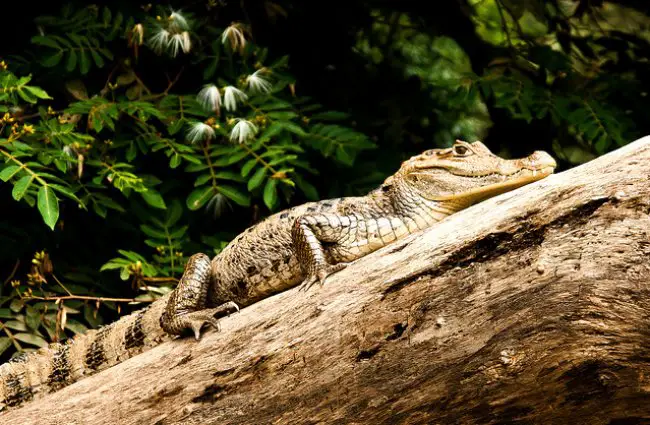
Caimans are semi-aquatic reptiles belonging to the family Alligatoridae, making them close relatives of alligators. They are generally smaller than true alligators and crocodiles, though some species can still reach impressive sizes. These robust predators are characterized by their armored bodies, powerful jaws, and keen senses, all perfectly adapted for their wetland environments.
There are several species of Caiman, each with its own distinct characteristics and geographical distribution. The most commonly recognized include the Spectacled Caiman (Caiman crocodilus), the Yacare Caiman (Caiman yacare), and the Black Caiman (Melanosuchus niger), the latter being the largest and most formidable. Understanding these distinctions is key to appreciating the diversity within this remarkable genus.
Where the Wild Caiman Roams: Habitat and Distribution
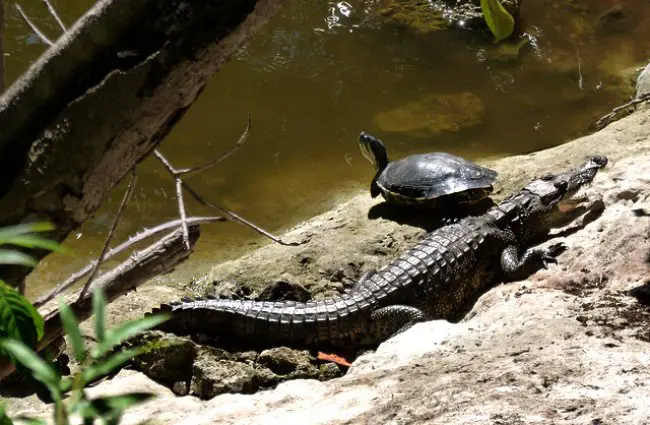
Caimans are exclusively found in the Neotropics, primarily across Central and South America. Their preferred habitats are diverse, ranging from slow-moving rivers and lakes to vast swamps, marshes, and seasonally flooded grasslands. These environments provide the perfect blend of water for hunting and thermoregulation, and land for basking and nesting.
Specific Caiman species have adapted to particular regions:
- Spectacled Caiman: This is the most widespread species, found from southern Mexico through Central America and across much of northern South America, including countries like Brazil, Colombia, and Venezuela. They are highly adaptable and can thrive in various freshwater habitats.
- Yacare Caiman: Predominantly found in the Pantanal wetlands of Brazil, Bolivia, Paraguay, and northern Argentina. This region is famous for its incredible biodiversity and vast Caiman populations.
- Black Caiman: The largest species, primarily inhabiting the Amazon basin and its tributaries in countries such as Brazil, Peru, Ecuador, and Guyana. They prefer larger rivers and lakes.
Finding Caimans in the Wild: A Guide for Animal Lovers
For those hoping to observe Caimans in their natural habitat, understanding their behavior and preferred locations is crucial. Caimans are often nocturnal hunters, but they can be seen basking in the sun during the day, especially in the cooler hours of morning and late afternoon. Look for them along riverbanks, on floating vegetation, or partially submerged in calm waters.
- Best Locations: The Pantanal in Brazil is arguably the best place globally to see Caimans, particularly the Yacare Caiman, in large numbers. The Amazon rainforest also offers opportunities, especially for spotting the impressive Black Caiman.
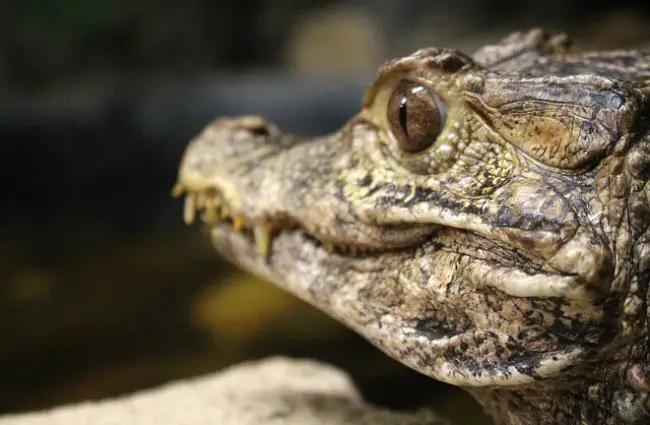
- How to Spot Them: A keen eye is essential. Look for their distinctive eye ridges and snouts breaking the water’s surface, or their entire bodies camouflaged among reeds and mud. Night safaris with spotlights often reveal their glowing red eyes reflecting in the dark.
- Ethical Viewing: Always maintain a respectful distance and never disturb the animals. Choose reputable tour operators who prioritize wildlife welfare and responsible tourism practices.
A Glimpse into Ancient Waters: Caiman’s Evolutionary Journey
The story of the Caiman is one deeply rooted in geological time, part of the ancient lineage of crocodilians that have roamed Earth for millions of years. Crocodilians, including Caimans, alligators, and crocodiles, are considered “living fossils” due to their remarkable evolutionary stability.
Caimans belong to the family Alligatoridae, which diverged from the Crocodylidae (true crocodiles) family approximately 80 to 90 million years ago during the Late Cretaceous period. Early Caiman ancestors were likely smaller and more generalized, gradually evolving to fill various ecological niches in the burgeoning South American continent.
Fossil evidence suggests that some ancient Caiman relatives were much larger than today’s species, with some reaching lengths comparable to large crocodiles. The modern Caiman species we see today are the result of millions of years of adaptation to specific freshwater environments, showcasing the incredible resilience and evolutionary success of this reptilian group.
The Caiman’s Menu: A Predator’s Diet
Caimans are opportunistic carnivores, meaning they will eat almost anything they can catch and overpower. Their diet varies significantly with their size, age, and species, as well as the availability of prey in their specific habitat. This adaptability is a key factor in their ecological success.
Dietary Habits by Age and Size
- Juveniles: Younger Caimans typically feed on smaller invertebrates such as insects, snails, and crustaceans. As they grow, their diet expands to include small fish, amphibians like frogs, and even other small reptiles.
- Adults: Mature Caimans, especially larger species like the Black Caiman, are apex predators in their ecosystems. Their diet includes a wide array of vertebrates:
- Fish: A staple for most Caiman species.
- Amphibians and Reptiles: Frogs, snakes, and turtles are common prey.
- Birds: Waterfowl and other birds that come to the water’s edge.
- Mammals: Capybaras, peccaries, deer, and even jaguars (in the case of large Black Caimans) can fall victim to their powerful jaws.
- Other Caimans: Cannibalism can occur, especially among larger individuals preying on smaller ones.
Hunting Strategies
Caimans are ambush predators. They typically lie in wait, often partially submerged, patiently waiting for unsuspecting prey to come within striking distance. Their powerful jaws, lined with sharp, conical teeth, are designed for grasping and crushing rather than tearing. Smaller prey is swallowed whole, while larger prey may be drowned and then dismembered through a powerful “death roll” before being consumed.
Love in the Wetlands: Caiman Mating and Reproduction
The reproductive cycle of Caimans is a fascinating display of reptilian courtship, nesting, and parental care. While specific timings can vary by species and region, the general pattern involves seasonal breeding tied to environmental conditions.
Courtship and Mating
Mating usually occurs during the wet season or early dry season, when water levels are high. Males attract females through a combination of vocalizations, head-slapping on the water, and elaborate displays. These displays can involve arching their bodies and vibrating to create ripples in the water, signaling their presence and fitness. Once a pair forms, mating takes place in the water.
Nesting and Egg Laying
Female Caimans construct mound nests, typically made from vegetation, mud, and debris, on elevated ground near water. These nests can be quite large, providing insulation and protection for the developing eggs. A clutch usually consists of 10 to 50 eggs, depending on the species and the female’s size and age. The female carefully covers the eggs, and the decomposition of the vegetation within the mound helps to generate heat, incubating the eggs.
Parental Care and Hatchlings
Unlike many reptiles, Caiman mothers exhibit a degree of parental care. They guard their nests fiercely against predators such as coatis, jaguars, and other reptiles. After an incubation period of approximately 65 to 90 days, the hatchlings begin to vocalize from within their eggs. The mother, alerted by these calls, will often help excavate the nest, gently carrying the hatchlings in her mouth to the water. She may continue to protect her young for several months, guiding them to safe feeding areas and defending them from threats. This maternal care significantly increases the survival rate of the vulnerable hatchlings.
Caimans and Their World: Ecosystem Contributions and Interactions
As apex predators in many of their habitats, Caimans play a crucial role in maintaining the health and balance of their ecosystems. Their presence has ripple effects throughout the food web, influencing populations of both prey and other predators.
Ecological Contributions
- Population Control: By preying on fish, amphibians, and small mammals, Caimans help regulate the populations of these species, preventing overgrazing or overpopulation that could destabilize the ecosystem.
- Scavenging: Caimans also act as scavengers, consuming carrion and helping to clean up their environment.
- Nutrient Cycling: Their feeding habits contribute to nutrient cycling within aquatic environments.
- Habitat Engineering: In some cases, their movements through dense vegetation can create channels, influencing water flow and creating microhabitats for other species.
Interactions with Other Animals
Caimans interact with a wide array of other species:
- Prey: As discussed, their prey includes a vast range of aquatic and terrestrial animals.
- Predators: While adult Caimans, especially larger species, have few natural predators other than jaguars and anacondas, juvenile Caimans are vulnerable to a variety of animals, including large birds of prey, storks, large fish, and even adult Caimans.
- Competitors: They compete for food resources with other aquatic predators like otters, large fish, and sometimes even larger crocodilians where their ranges overlap.
- Symbiotic Relationships: While not a true symbiosis, birds like plovers are sometimes observed near Caimans, feeding on parasites or food scraps, a common sight with many crocodilians.
Caimans and Us: Human Interaction and Cultural Significance
The relationship between Caimans and humans is complex, encompassing cultural reverence, economic exploitation, and conservation challenges. These reptiles have long been a part of the human story in the Americas.
Cultural Significance
In many indigenous cultures of Central and South America, Caimans, like other crocodilians, hold significant cultural and spiritual importance. They may appear in folklore, myths, and art, often symbolizing strength, creation, or the connection between the aquatic and terrestrial worlds.
Human Interaction and Threats
Historically, Caimans have been hunted for their valuable skins, which are used in the leather industry, and for their meat. This exploitation, particularly in the mid-20th century, led to significant population declines for some species, most notably the Black Caiman. Habitat destruction and degradation, primarily due to agricultural expansion, deforestation, and pollution, continue to pose major threats.
Today, conservation efforts have led to a recovery in some Caiman populations, and many species are protected by law. Ecotourism, where people visit Caiman habitats to observe them responsibly, also plays a role in raising awareness and providing economic incentives for conservation.
Safety First: Encountering Caimans in the Wild
While Caimans are generally shy and avoid human contact, encounters can occur, especially in areas where their habitats overlap with human activity. Knowing how to react is crucial for both your safety and the well-being of the animal.
What to Do if You Encounter a Caiman
- Maintain Distance: The most important rule is to keep a safe and respectful distance. Never approach a Caiman, especially one that is basking or guarding a nest.
- Do Not Feed: Never feed Caimans. This habituates them to humans, making them associate people with food and increasing the likelihood of dangerous encounters.
- Be Aware of Your Surroundings: When near Caiman habitats, be vigilant. Avoid swimming or wading in murky waters, especially at dawn, dusk, or night when Caimans are most active.
- Keep Pets on Leash: If you are with pets, keep them leashed and away from the water’s edge. Pets can attract Caimans.
- Avoid Nests: If you stumble upon a Caiman nest, back away slowly and quietly. Mothers are highly protective of their eggs and young.
- If Attacked: While extremely rare, if a Caiman does attack, fight back with all your might. Aim for the eyes or snout.
“Respect for wildlife is paramount. Understanding a Caiman’s natural behavior is the best defense against an unwanted encounter.”
Caring for Caimans: A Zookeeper’s Perspective
Caring for Caimans in captivity requires specialized knowledge and a commitment to replicating their natural environment as closely as possible. Zoos and wildlife parks play a vital role in conservation, education, and research.
Essential Tasks for Caiman Care
- Habitat Design and Maintenance:
- Enclosure Size: Must be large enough to allow for natural behaviors, including swimming, basking, and foraging.
- Water Quality: Pristine water is critical. Regular filtration, testing, and changes are necessary to prevent bacterial infections and maintain health.
- Temperature and Humidity: Strict control over ambient temperature, water temperature, and humidity levels is essential, often requiring heating elements and misters.
- Basking Areas: Provide dry land areas with appropriate heat lamps for thermoregulation.
- Substrate and Hiding Spots: A suitable substrate (e.g., sand, gravel) and secure hiding spots are important for comfort and security.
- Diet and Feeding:
- Balanced Diet: Captive Caimans are fed a diet of whole prey items such as fish, rodents, and poultry, supplemented with vitamins and minerals to ensure nutritional completeness.
- Feeding Schedule: Feeding frequency varies with age and size, typically several times a week for juveniles and less frequently for adults.
- Monitoring: Keepers must monitor food intake and body condition closely.
- Health Monitoring:
- Regular Check-ups: Routine veterinary examinations are crucial for early detection of health issues.
- Behavioral Observation: Keepers observe for changes in behavior, appetite, or physical appearance that could indicate illness or stress.
- Parasite Control: Regular checks and treatment for internal and external parasites.
- Enrichment:
- Stimulation: Providing environmental enrichment, such as varied feeding methods, different textures, and objects to interact with, helps keep Caimans mentally and physically stimulated.
What to Avoid in Caiman Care
- Overcrowding: Housing too many Caimans in one enclosure can lead to stress, aggression, and health problems.
- Inadequate Heating/Lighting: Improper thermoregulation can lead to serious health issues, including metabolic bone disease.
- Poor Water Quality: A common cause of skin infections and other illnesses.
- Handling Without Training: Caimans are powerful animals. Handling should only be done by trained professionals using appropriate safety protocols.
- Inconsistent Diet: A diet lacking essential nutrients can lead to long-term health problems.
Fascinating Caiman Facts: A List of Wonders
Beyond their basic biology, Caimans possess a host of intriguing characteristics that highlight their unique adaptations and behaviors.
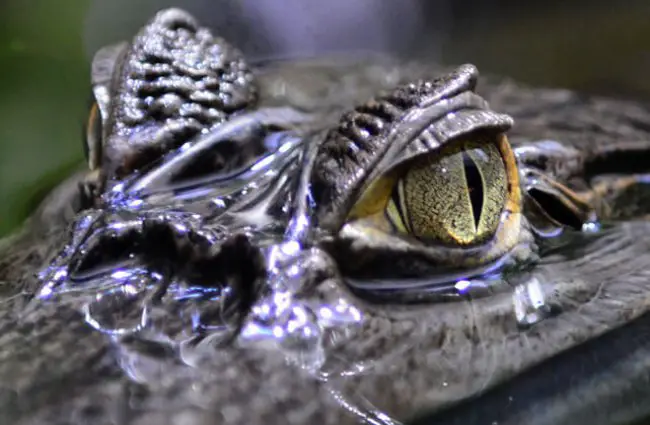
- Spectacled Caiman Name: The Spectacled Caiman gets its name from a bony ridge between its eyes that resembles a pair of spectacles.
- Temperature-Dependent Sex Determination (TSD): Like many reptiles, the sex of Caiman hatchlings is determined by the temperature at which the eggs incubate. Cooler temperatures often produce females, while warmer temperatures produce males.
- Vocalizations: Caimans are surprisingly vocal, especially during mating season and when communicating with their young. They produce a range of grunts, hisses, and roars.
- Longevity: In the wild, Caimans can live for 30 to 40 years, and even longer in captivity under optimal conditions.
- Camouflage Masters: Their dark, often mottled skin provides excellent camouflage in the murky waters and dense vegetation of their habitats.
- Third Eyelid: Caimans possess a nictitating membrane, a transparent third eyelid that protects their eyes underwater while allowing them to see.
- Powerful Jaws: While their bite force is immense, the muscles for opening their jaws are relatively weak, making it possible for a human to hold their mouth shut with bare hands (though this is extremely dangerous and not recommended).
- Cold-Blooded Efficiency: As ectotherms, Caimans have a slow metabolism, allowing them to go for long periods without food, especially after a large meal.
Conclusion: The Enduring Legacy of the Caiman
From their ancient origins to their vital role in modern ecosystems, Caimans are truly remarkable creatures. They embody resilience, adaptability, and the raw power of nature. Whether you are a student delving into their biology, an animal lover seeking them in the wild, an aspiring zoologist eager to learn, or a zookeeper dedicated to their care, the Caiman offers endless opportunities for discovery and appreciation. By understanding and respecting these incredible reptiles, we contribute to their ongoing survival and the health of the diverse wetlands they call home.
![Closeup of a beautiful Red Angus cowPhoto by: U.S. Department of Agriculture [pubic domain]https://creativecommons.org/licenses/by/2.0/](https://animals.net/wp-content/uploads/2020/03/Red-Angus-4-238x178.jpg "Red Angus")
![Closeup of a beautiful Red Angus cowPhoto by: U.S. Department of Agriculture [pubic domain]https://creativecommons.org/licenses/by/2.0/](https://animals.net/wp-content/uploads/2020/03/Red-Angus-4-100x75.jpg "Red Angus")