Introducing the Cacique: Masters of the Neotropical Canopy
The term “cacique” evokes images of leadership and power, and appropriately so. In the avian world, caciques are a fascinating group of blackbirds renowned for their complex social structures, elaborate nests, and vital role in Neotropical ecosystems. These birds, belonging to the genus Cacicus, are not simply beautiful songsters; they are architects, strategists, and integral components of the rainforest. This guide explores the captivating world of caciques, from their habitat and diet to their intricate breeding behaviors and their interactions with both the environment and humankind.
Habitat and Distribution: A Tropical Existence
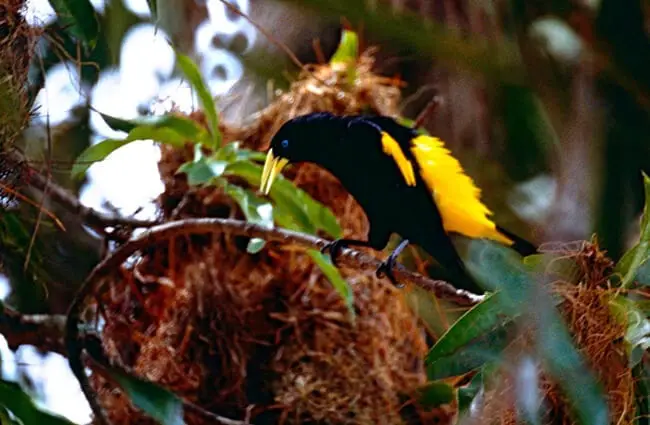
Caciques are strictly Neotropical birds, meaning they are found exclusively in the tropical regions of Central and South America. Their range extends from southern Mexico through Central America and into much of South America, including the Amazon basin and parts of the Andes. They favor humid forests, woodlands, and even second growth areas, but are always closely associated with trees. A defining characteristic of their habitat is the presence of suitable trees for building their distinctive, hanging nests. These trees typically have strong, horizontal branches that can support the weight of the nests and are often found near water sources.
Evolutionary History: A Branch on the Blackbird Family Tree
Caciques belong to the family Icteridae, commonly known as the blackbirds and orioles. Within this diverse family, caciques represent a specialized lineage. While the exact evolutionary relationships within Icteridae are still being investigated through genetic and morphological studies, it is believed that caciques diverged relatively early, developing unique adaptations to their rainforest environment. These adaptations include their specialized nest building behaviors and complex social structures, which likely evolved to enhance reproductive success and protect against predation. Fossil evidence is limited, but current understanding suggests the family Icteridae originated in North America, with subsequent dispersal and diversification into Central and South America.
Diet and Foraging Behavior: Opportunistic Omnivores
Caciques are opportunistic omnivores, meaning they consume a wide variety of foods depending on availability. Their diet consists primarily of insects, fruits, and occasionally small vertebrates. They are skilled foragers, actively searching for insects among foliage and branches and frequently gleaning insects from the surfaces of leaves. Fruits, particularly those of the fig family and other tropical trees, constitute a significant portion of their diet, especially during the fruiting season. Caciques often forage in small groups, increasing their efficiency in locating food sources. They have been observed visiting flowering trees to consume nectar and pollen, and they are also known to feed on the eggs and larvae of other insects.
Mating and Reproduction: A Cooperative Breeding System
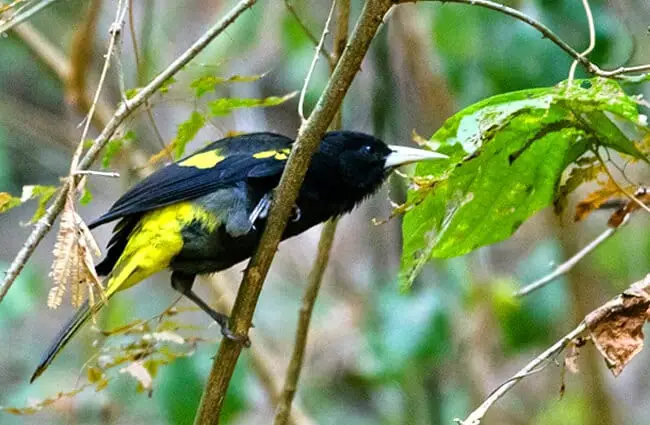
Cacique reproductive behavior is particularly fascinating due to their cooperative breeding system. These birds are polygynous, meaning that a single male will often mate with multiple females. However, breeding is not solely the responsibility of the pair. Females build elaborate, pouchlike nests that hang from tree branches and often receive assistance from subordinate females known as helpers. These helpers may be yearlings or older females who have not yet bred themselves. Helpers assist with nest building, incubation, and, crucially, the feeding of chicks. This cooperative behavior increases the overall reproductive success of the group, allowing more chicks to survive and fledge. Clutch size typically ranges from three to five eggs, and incubation lasts around 12 to 14 days. Chicks remain in the nest for about two to three weeks, being fed by the female and her helpers.
Ecological Role and Interactions: Keystone Species in the Canopy
Caciques play several important roles in their ecosystems. As insectivores, they help to control populations of various insect species, preventing outbreaks and maintaining balance within the forest. Their frugivorous habits contribute to seed dispersal, aiding in the regeneration of forests. Their nests also provide habitat for other species such as smaller birds and insects. They interact with a variety of other animals, including other bird species, monkeys, and predators such as hawks and snakes. Caciques are often seen foraging alongside other fruit-eating birds, forming mixed species flocks. They also defend their nests aggressively against potential predators and rivals.
Caciques and Humans: A History of Interaction
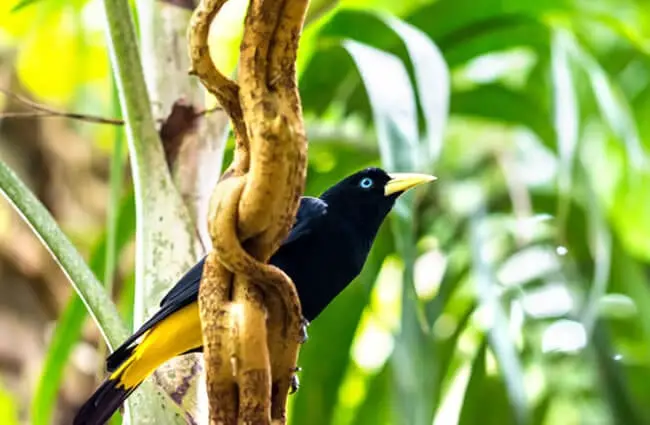
Historically, caciques have been integrated into the cultures of many indigenous communities throughout Central and South America. The name “cacique” itself is derived from the Taíno language and was originally used to denote tribal chiefs or leaders. Some cultures have incorporated cacique feathers into ceremonial attire and headdresses. While not typically hunted for food, caciques are sometimes captured for the pet trade, though this practice is discouraged because the birds have complex social needs and are difficult to adapt to captivity. Habitat loss due to deforestation and agricultural expansion poses the greatest threat to cacique populations.
Encountering Caciques in the Wild: What to Do
If you are fortunate enough to encounter a cacique in the wild, observe from a respectful distance. Avoid approaching their nests, as this can cause stress and potentially lead to nest abandonment. Do not offer food, as this can disrupt their natural foraging behaviors and make them dependent on humans. Simply enjoy the opportunity to witness these remarkable birds in their natural habitat. Binoculars and a field guide will enhance your observation experience.
Cacique Care in Captivity: A Zookeeper’s Guide
Caciques are not ideal candidates for captivity because of their complex social requirements and need for a large flight space. If kept in a zoo or aviary, they require specialized care. They should be housed in a spacious enclosure that allows for flight and provides ample perching and nesting opportunities. A social group of at least three to five individuals is essential to ensure their well-being. Diet should consist of a variety of insects, fruits, and a high-quality bird seed mix. Regular enrichment activities, such as providing novel food items and puzzle feeders, are crucial to stimulate their intelligence and prevent boredom. Strict hygiene protocols are necessary to prevent the spread of disease.
Interesting Cacique Facts
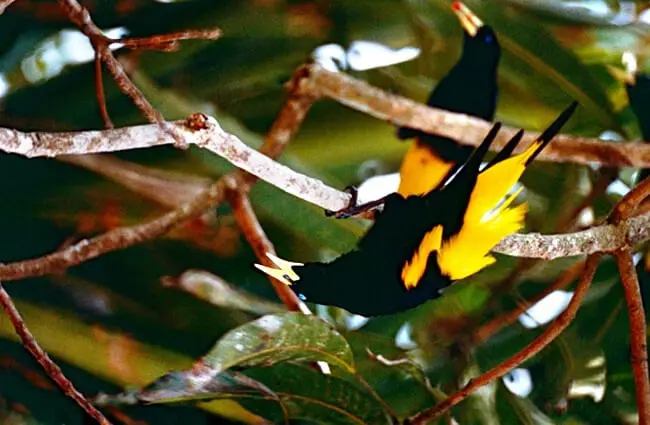
- Cacique nests are renowned for their intricate weaving and construction, often resembling elongated pouches.
- The collective weaving of a nest by multiple females can take several weeks to complete.
- Different species of caciques exhibit variations in plumage color and nest design.
- Caciques are highly vocal birds, producing a variety of songs and calls.
- They often engage in mobbing behavior, collectively harassing potential predators.
- Caciques have a relatively long lifespan, with some individuals living for over 15 years.
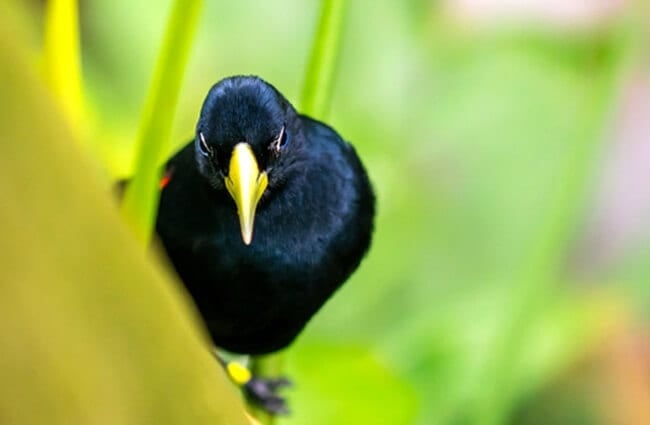
In conclusion, the cacique is a captivating bird that embodies the complexity and beauty of the Neotropical rainforest. From their cooperative breeding systems to their vital ecological roles, these remarkable birds deserve our admiration and protection. By understanding their biology and behavior, we can contribute to the conservation of these magnificent creatures and the preservation of their fragile habitat.
![Closeup of a beautiful Red Angus cowPhoto by: U.S. Department of Agriculture [pubic domain]https://creativecommons.org/licenses/by/2.0/](https://animals.net/wp-content/uploads/2020/03/Red-Angus-4-238x178.jpg "Red Angus")



![Closeup of a beautiful Red Angus cowPhoto by: U.S. Department of Agriculture [pubic domain]https://creativecommons.org/licenses/by/2.0/](https://animals.net/wp-content/uploads/2020/03/Red-Angus-4-100x75.jpg "Red Angus")