An Introduction to the Enigmatic Bush Dog
The Bush Dog, Speothos venaticus, is a truly unique canid, often described as the South American equivalent of the African wild dog. However, unlike its more famous African cousin, the Bush Dog remains relatively unknown outside of its native habitat. This fascinating creature presents a compelling case study in cooperative hunting, complex social structures, and remarkable adaptation to a challenging environment. For those intrigued by canid behavior, or considering a less conventional companion—though responsible ownership is paramount, as will be discussed—understanding the Bush Dog is a rewarding pursuit.
Origins and History
Native to the dense forests, grasslands and wetlands of Central and South America—ranging from Panama to Argentina—the Bush Dog’s evolutionary history is still being pieced together. Fossil records suggest ancestors existed as far back as the Pleistocene epoch. Historically, Indigenous populations across its range have coexisted with the Bush Dog, often acknowledging its hunting prowess and sometimes incorporating it into local folklore. However, increased habitat loss and fragmentation, alongside human encroachment, have significantly impacted populations in recent decades. The species is currently classified as ‘Near Threatened’ by the International Union for Conservation of Nature, highlighting the need for continued research and conservation efforts.
Physical Characteristics
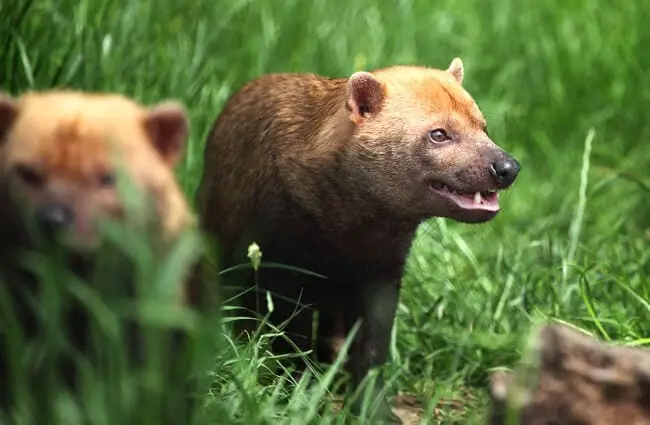
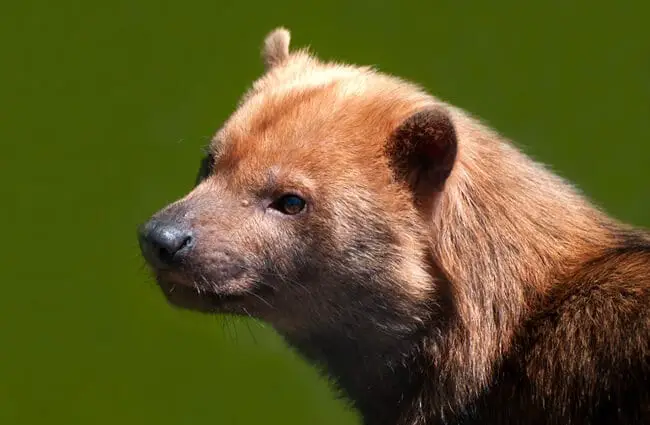
Bush Dogs are relatively small canids, typically standing between 20 and 30 inches tall at the shoulder and weighing between 15 and 30 pounds. Their build is compact and muscular, perfectly adapted for navigating the undergrowth. The coat is typically a mix of reddish-brown and dark brown, sometimes appearing almost black, offering excellent camouflage within their forested habitat. A distinctive feature is their short, smooth fur, lacking the thick undercoat found in many other canid species. This adaptation likely helps regulate body temperature in the humid South American climate. Their ears are rounded and relatively small, and their tails are short, further enhancing their streamlined appearance.
Habitat and Distribution
Bush Dogs exhibit remarkable adaptability, thriving in a diverse range of habitats. They are commonly found in primary and secondary forests, but also inhabit grasslands, savannas, and even wetlands. They demonstrate a preference for areas with dense vegetation, providing cover for hunting and denning. Their distribution spans across several South American countries, including Panama, Colombia, Ecuador, Peru, Brazil, Paraguay, Argentina, and Bolivia. However, populations are often fragmented and localized due to habitat loss and human activity. They seem to avoid open, exposed areas, utilizing the forest canopy and underbrush as their primary hunting grounds.
Behavior and Social Structure
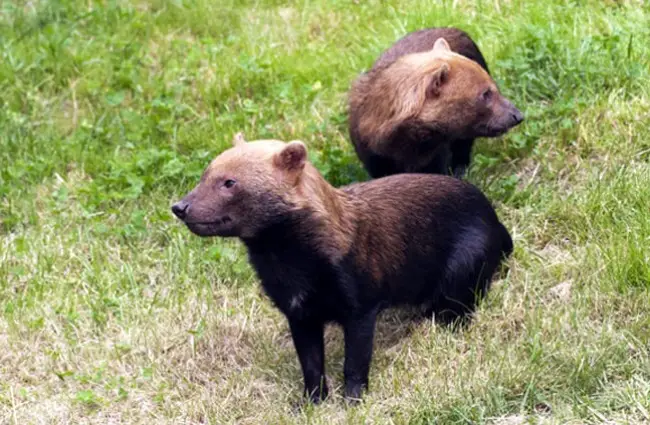
Bush Dogs are renowned for their highly social behavior and cooperative hunting strategies. They live in packs, typically consisting of 2 to 12 individuals, although larger groups have been observed. Packs are usually led by a dominant breeding pair, with subordinate members assisting in raising pups and participating in hunts. Unlike many other canids, Bush Dogs do not have a strict dominance hierarchy, instead relying on cooperation and coordinated teamwork. They are crepuscular hunters, most active during dawn and dusk. Their prey includes a wide range of animals, from rodents and birds to capybaras and even small deer.
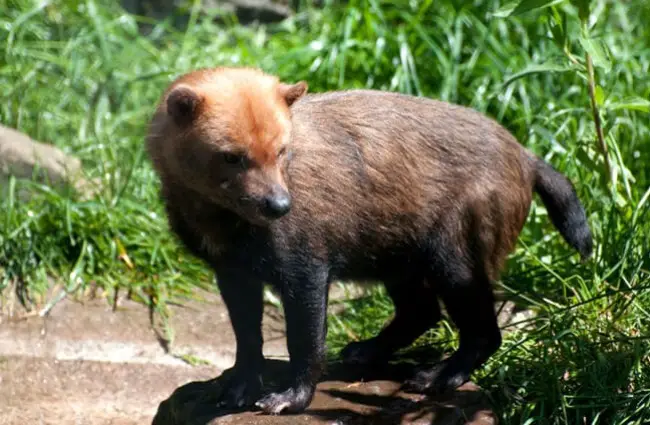
Hunting is a particularly fascinating aspect of Bush Dog behavior. They pursue prey relentlessly, often over long distances, utilizing their stamina and cooperative tactics to exhaust and eventually capture their target. They are known for their unique ‘yelping’ vocalizations during hunts, seemingly used to coordinate movements and maintain communication within the pack. Interestingly, they often share food with pack members, including pups and individuals who did not directly participate in the kill.
Reproduction and Development
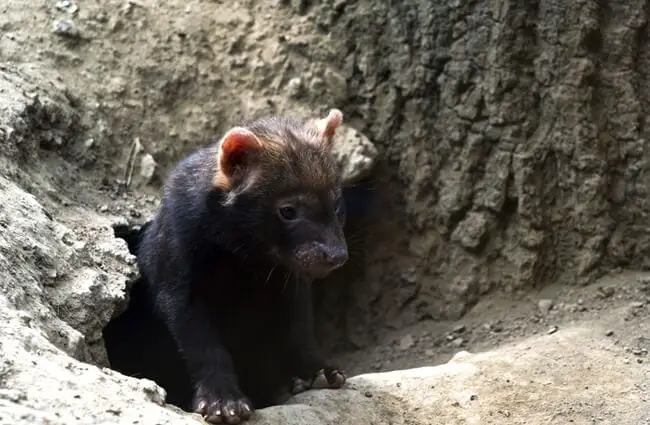
Bush Dogs typically breed once a year, with a gestation period of around 72 to 75 days. Litters usually consist of 3 to 6 pups, born in a den constructed within dense vegetation or a hollow log. Pups are born blind and helpless, relying entirely on their mother for care and nourishment. The entire pack participates in raising the pups, providing food, grooming, and protection. Pups begin to explore outside the den at around one month of age, and gradually learn to hunt alongside their pack members. They reach sexual maturity at around one year of age.
Care and Considerations (For those contemplating responsible ownership – extremely rare and challenging)
It is crucial to emphasize that Bush Dogs are not suitable pets for the vast majority of people. They are wild animals with complex needs that are exceedingly difficult to meet in a domestic setting. However, for the sake of completeness, let’s outline some of the requirements for responsible ownership, recognizing that this is an extremely rare and challenging endeavor.
Firstly, Bush Dogs require a vast amount of space. A minimum of several acres of secure, fenced-in land is essential. They are highly active animals that need ample opportunity to roam and exercise. Secondly, they are intensely social and require the companionship of other Bush Dogs, or at least highly compatible canids. Keeping a single Bush Dog is almost certainly detrimental to its well‑being. Thirdly, they have specialized dietary needs, requiring a diet rich in protein and supplemented with essential vitamins and minerals. Fourthly, they require expert veterinary care, as few veterinarians have experience with this species. Finally, and perhaps most importantly, prospective owners must be prepared to dedicate a significant amount of time and resources to meeting the Bush Dog’s complex needs for the entirety of its lifespan, typically 8 to 10 years.
Conservation Status and Threats
As mentioned earlier, the Bush Dog is currently classified as ‘Near Threatened’ by the IUCN. The primary threats to its survival include habitat loss and fragmentation due to deforestation, agriculture, and urbanization. Hunting and trapping, particularly for the bushmeat trade, also pose a significant threat in some areas. Furthermore, diseases transmitted from domestic dogs can have devastating consequences for wild Bush Dog populations. Conservation efforts focus on protecting remaining habitat, reducing human-wildlife conflict, and promoting sustainable land-use practices. Increased research and monitoring are also crucial to understanding the species’ population dynamics and developing effective conservation strategies.
Interesting Facts
Bush Dogs are sometimes referred to as “vinegar dogs” due to their distinctive, pungent odor. They are exceptionally efficient hunters, with a success rate significantly higher than that of many other canid species. They have unusually short legs for their body size, an adaptation that allows them to navigate dense undergrowth with ease. Bush Dogs are known to share food with injured or sick pack members, demonstrating a remarkable level of social cooperation. They can vocalize a variety of sounds including yelps, growls, and barks, used for communication within the pack. Their teeth are relatively small and pointed, adapted for grasping and tearing flesh.
Conclusion
The Bush Dog is a captivating canid, representing a remarkable example of adaptation, social complexity, and cooperative behavior. While not suited for domestic life, understanding its unique characteristics and ecological role is essential for promoting its conservation and ensuring its survival for generations to come. This enigmatic creature serves as a powerful reminder of the incredible biodiversity of the South American rainforests and the importance of protecting these vital ecosystems.
![Closeup of a beautiful Red Angus cowPhoto by: U.S. Department of Agriculture [pubic domain]https://creativecommons.org/licenses/by/2.0/](https://animals.net/wp-content/uploads/2020/03/Red-Angus-4-238x178.jpg "Red Angus")
![Closeup of a beautiful Red Angus cowPhoto by: U.S. Department of Agriculture [pubic domain]https://creativecommons.org/licenses/by/2.0/](https://animals.net/wp-content/uploads/2020/03/Red-Angus-4-100x75.jpg "Red Angus")