The Magnificent Brown Bear: A Comprehensive Guide
The brown bear, a symbol of wilderness and power, holds a fascinating place in the natural world and human imagination. From its impressive physical characteristics to its vital ecological role, this apex predator continues to captivate and inspire awe. This guide delves into the world of Ursus arctos, exploring its biology, behavior, habitat, and relationship with both the environment and humankind.
Understanding the Brown Bear
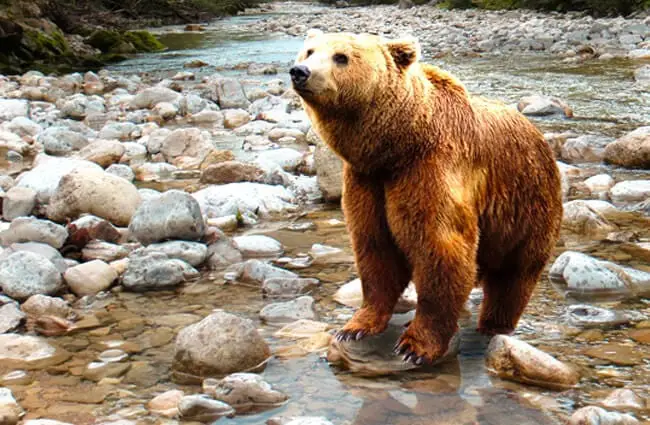
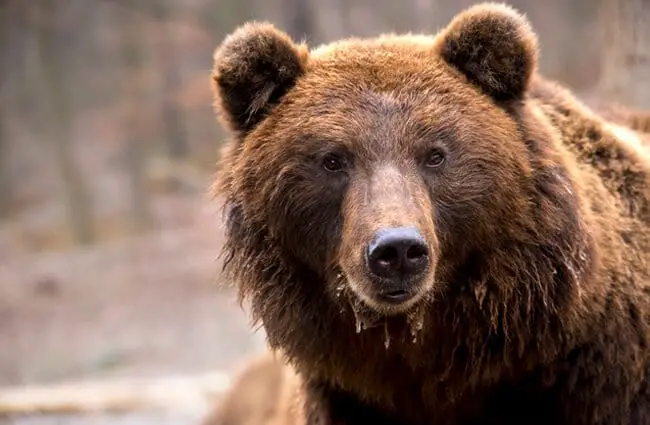
The brown bear is a large mammal belonging to the bear family, Ursidae. They are powerfully built animals, characterized by their shaggy fur, muscular bodies, and relatively small ears. Coloration varies considerably depending on the region and individual, ranging from light cream to dark brown, and even nearly black. Adult males are significantly larger than females, called sows. A typical male can weigh between 300 and 800 pounds, though some individuals in coastal regions, with access to abundant salmon, can exceed 1400 pounds. Females usually weigh between 200 and 450 pounds.
Physical Characteristics & Adaptations
Several key adaptations allow brown bears to thrive in diverse environments. Their powerful claws, which are nonretractable, are perfect for digging, tearing, and climbing. Their sense of smell is legendary, allowing them to detect food sources from miles away. A thick layer of fat provides insulation during cold winters and serves as an energy reserve during periods of scarcity. Their teeth, a combination of sharp canines and flat molars, are suited for both tearing meat and grinding vegetation.
Habitat and Distribution
Historically, brown bears inhabited a much wider range than they do today. Currently, they are found across North America, Europe, and Asia. Within these continents, their habitat is remarkably adaptable, encompassing forests, mountains, meadows, and even coastal areas. In North America, populations are concentrated in Alaska, western Canada, and parts of the northwestern United States. In Europe, smaller, fragmented populations persist in areas like Scandinavia, the Balkans, and parts of Russia. Asian brown bears are found in regions like Russia, Mongolia, and the Himalayas.
Finding Brown Bears in the Wild
For those hoping to observe brown bears in their natural habitat, certain locations are particularly promising. In Alaska, Katmai National Park and Preserve and McNeil River State Game Sanctuary are renowned for their high bear densities, especially during salmon runs. In Canada, the coastal regions of British Columbia offer excellent viewing opportunities. When venturing into bear country, it is crucial to practice bear safety. Make noise while hiking to avoid surprising a bear, carry bear spray, and store food properly.
Diet and Feeding Habits
Brown bears are opportunistic omnivores, meaning they will eat a wide variety of foods depending on availability. Their diet includes berries, roots, insects, fish, small mammals, and occasionally larger prey like deer or elk. Coastal brown bears, often referred to as grizzlies, rely heavily on salmon, which provide a rich source of protein and fat. Bears actively forage for food during the spring, summer, and fall, building up fat reserves in preparation for winter. During the colder months, they enter a state of dormancy, although it is not true hibernation. Their body temperature lowers, and their metabolism slows, but they can be roused relatively easily.
Reproduction and Life Cycle
Brown bears typically reach sexual maturity between four and seven years of age. Mating season usually occurs in the spring or early summer. Gestation lasts approximately seven to nine months, and sows typically give birth to one to three cubs in a den during the winter. Cubs are born blind and helpless, relying entirely on their mother for care and protection. They remain with their mother for two to three years, learning essential survival skills. The survival rate for cubs is relatively low, with many not surviving their first year.
Understanding Bear Behavior
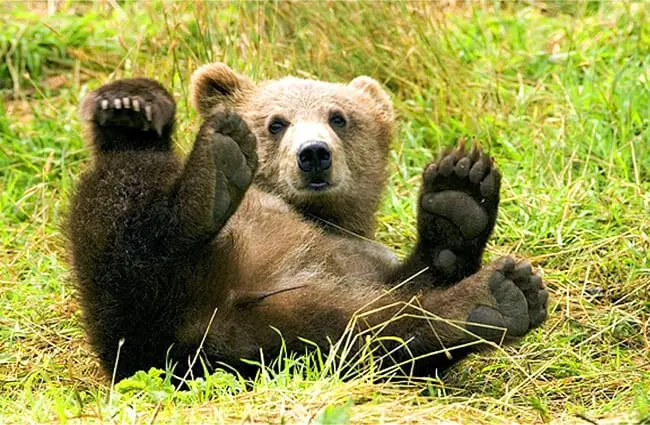
Brown bears communicate through a variety of vocalizations, body language, and scent marking. They use scent to establish territories, attract mates, and signal their presence to other bears. Body language, such as ear position, head posture, and tail movements, can indicate a bear’s mood and intentions. Recognizing these cues is vital for maintaining a safe distance. Aggressive behaviors, such as huffing, jaw popping, and swatting, are warning signs that a bear feels threatened.
Ecological Role and Interactions
Brown bears play a crucial role in maintaining the health of their ecosystems. As apex predators, they help regulate populations of other animals. They also contribute to nutrient cycling by dispersing seeds and digging for roots and insects. Their digging activities can create habitats for other species. In coastal areas, bears help transport marine nutrients from salmon runs into surrounding forests, enriching the soil. Brown bears often interact with other animals, sometimes competing for resources and other times coexisting peacefully.
Brown Bears and Humans: A Complex Relationship
The relationship between humans and brown bears has been complex throughout history. Historically, brown bears were hunted for their fur, meat, and other body parts. In many areas, their habitat has been reduced due to human development and deforestation. This has led to increased conflicts between humans and bears, particularly in areas where bears come into contact with livestock or settlements. Conservation efforts are crucial for protecting brown bear populations and minimizing conflicts. These efforts include habitat restoration, responsible waste management, and public education.
Caring for Brown Bears in Captivity
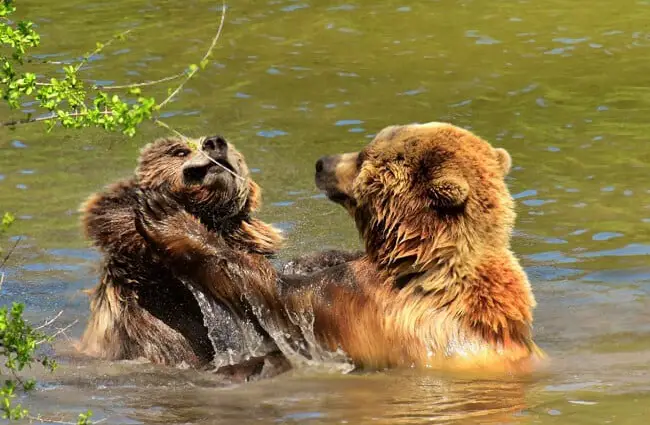
Zookeepers caring for brown bears in captivity must provide a stimulating and enriching environment. This includes spacious enclosures with natural features like trees, rocks, and water features. A varied diet that mimics their natural food sources is essential. Enrichment activities, such as puzzle feeders, scent trails, and opportunities for digging, help keep bears mentally and physically engaged. Regular veterinary care and monitoring are also crucial. Avoiding direct visual contact can help reduce stress for the animal.
Evolutionary History
The evolutionary history of brown bears traces back to the Ursidae family, which emerged during the early Miocene epoch, around 23 million years ago. The lineage leading to modern brown bears diverged from other bear species several million years ago. Fossil evidence suggests that brown bears originated in Eurasia and gradually spread to North America via the Bering Land Bridge. Over time, they adapted to a variety of environments, resulting in regional variations in size, color, and behavior.
Interesting Facts About Brown Bears
- Brown bears can run up to 35 miles per hour.
- They have an exceptional memory and can remember food caches for months.
- Their footprints are easily recognizable, measuring up to 12 inches in length.
- Some brown bears enter a state called walking hibernation, where they remain active during winter but with reduced metabolic rates.
- The color of their fur can fade with age, becoming lighter or grayer.
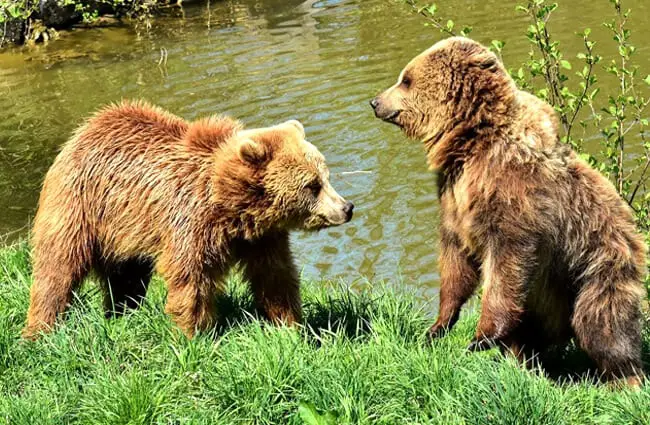
The brown bear, with its enduring strength and wild spirit, continues to captivate and inspire. Understanding its biology, behavior, and ecological role is essential for ensuring its survival in a rapidly changing world. By promoting responsible conservation efforts and fostering a deep appreciation for this magnificent creature, we can ensure that future generations will continue to marvel at the majesty of the brown bear.
![Closeup of a beautiful Red Angus cowPhoto by: U.S. Department of Agriculture [pubic domain]https://creativecommons.org/licenses/by/2.0/](https://animals.net/wp-content/uploads/2020/03/Red-Angus-4-238x178.jpg "Red Angus")
![Closeup of a beautiful Red Angus cowPhoto by: U.S. Department of Agriculture [pubic domain]https://creativecommons.org/licenses/by/2.0/](https://animals.net/wp-content/uploads/2020/03/Red-Angus-4-100x75.jpg "Red Angus")