The Ocean’s Acrobats: An Introduction to Bottlenose Dolphins
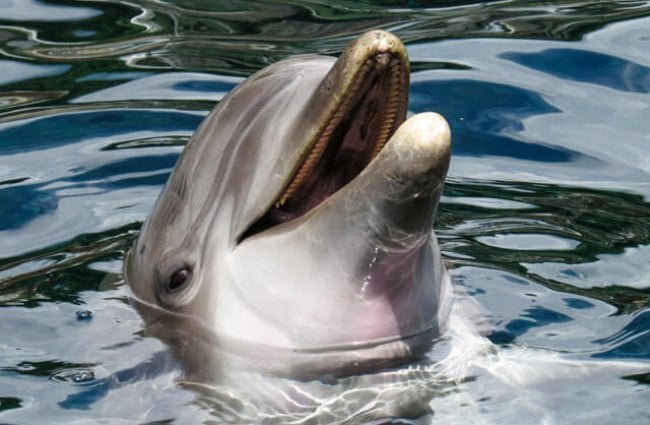
Beneath the shimmering surface of our planet’s oceans, a creature of remarkable intelligence and agility thrives: the Bottlenose Dolphin. Known scientifically as Tursiops truncatus, these charismatic marine mammals are perhaps the most recognizable of all dolphins, captivating observers with their playful antics, sleek forms, and seemingly perpetual smiles. Far more than just pretty faces, Bottlenose Dolphins are sophisticated predators, complex communicators, and vital components of marine ecosystems. Their widespread distribution and adaptable nature have made them subjects of intense scientific study and enduring human fascination, revealing insights into animal intelligence, social structures, and the intricate balance of life in the sea.
A World of Water: Habitat and Distribution
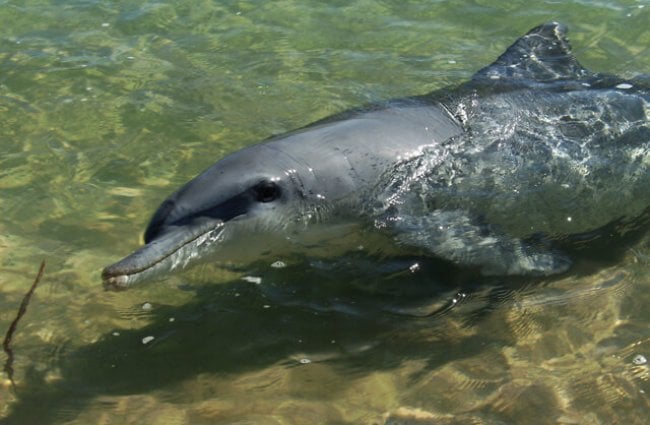
Bottlenose Dolphins are true global citizens of the ocean, inhabiting temperate and tropical waters across the world. Their remarkable adaptability allows them to thrive in a diverse range of environments, from shallow coastal bays and estuaries to the vast expanses of the open ocean. This broad distribution is a testament to their ecological flexibility.
Where to Find Them
For the aspiring animal lover hoping to catch a glimpse of these magnificent creatures in their natural habitat, understanding their preferred environments is key. Bottlenose Dolphins are commonly found:
- Coastal Waters: Many populations prefer nearshore environments, including bays, lagoons, and river mouths. These areas often provide abundant food sources and shelter. Regions like the Atlantic and Gulf Coasts of the United States, the Mediterranean Sea, and parts of Australia are prime locations for coastal sightings.
- Offshore Waters: Other populations venture further out into the open ocean, often associated with continental shelves. These offshore groups tend to be larger and may exhibit slightly different physical characteristics and behaviors compared to their coastal counterparts.
- Tropical and Temperate Zones: While they generally avoid polar extremes, Bottlenose Dolphins are comfortable in a wide range of water temperatures. This explains their presence from the North Atlantic to the Indian Ocean and across the Pacific.
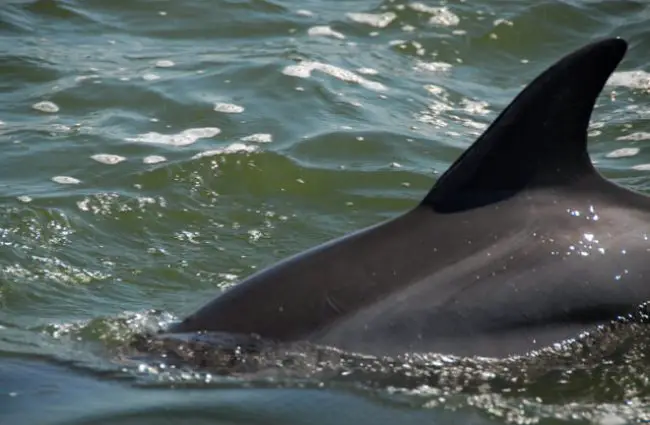
Observing Bottlenose Dolphins in the wild often involves boat tours in known dolphin hotspots. Look for signs of activity such as splashes, dorsal fins breaking the surface, or groups of seabirds feeding, which can indicate the presence of schooling fish and, consequently, dolphins.
Echoes of the Past: Evolutionary Journey
The evolutionary history of the Bottlenose Dolphin, like all cetaceans, is a captivating tale of adaptation from land to sea. Millions of years ago, their ancestors were four-legged, hoofed mammals that roamed terrestrial environments. Through a gradual process of natural selection, these ancient creatures embarked on an incredible journey back to the ocean, shedding their terrestrial traits and developing the specialized features that define modern dolphins.
Key evolutionary milestones include the development of a streamlined, fusiform body shape for efficient movement through water, the transformation of forelimbs into flippers for steering, and the complete loss of hind limbs, with only vestigial pelvic bones remaining deep within their bodies. Their nostrils migrated to the top of the head, forming the blowhole, allowing them to breathe at the surface with minimal effort. Perhaps most profoundly, their sensory systems evolved, leading to the sophisticated echolocation capabilities that enable them to navigate and hunt in the often murky underwater world. This journey from land-dweller to ocean master is a powerful example of evolution’s capacity for radical transformation.
Masters of the Hunt: Diet and Feeding Strategies
As apex predators in many of their habitats, Bottlenose Dolphins play a crucial role in regulating marine food webs. Their diet is varied, reflecting the diversity of prey available in their different environments, but primarily consists of fish, squid, and crustaceans.
A Diverse Menu
- Fish: A staple of their diet, including species like mullet, mackerel, cod, and herring. They are opportunistic feeders, consuming whatever schooling fish are abundant.
- Squid: An important food source, especially for offshore populations.
- Crustaceans: Occasionally, they will consume shrimp or crabs, particularly in shallower, coastal areas.
Sophisticated Hunting Techniques
Bottlenose Dolphins employ an array of ingenious hunting strategies, often working cooperatively:
- Echolocation: This biological sonar is their primary tool for locating prey, especially in dark or turbid waters. They emit high-frequency clicks and interpret the echoes to create a detailed acoustic map of their surroundings, identifying the size, shape, speed, and distance of potential meals.
- Herding: Dolphins frequently cooperate to herd schools of fish into tight “bait balls” or against sandbars, making it easier for individuals to charge through and snatch prey.
- Strand Feeding: A unique behavior observed in certain populations, such as those in South Carolina. Dolphins will work together to create a wave that pushes fish onto a mud bank, then temporarily beach themselves to grab the stranded fish before sliding back into the water.
- Fish Whacking: Using their powerful tails, dolphins can stun fish with a forceful slap, making them easier to catch.
These diverse methods highlight their intelligence and adaptability, allowing them to exploit various food sources efficiently.
The Circle of Life: Mating and Reproduction
The reproductive cycle of Bottlenose Dolphins is a fascinating aspect of their social lives, deeply intertwined with their complex group dynamics. Mating can occur year-round in some regions, but often peaks in spring and summer. Males and females typically reach sexual maturity between 5 and 12 years of age, though this can vary.
Courtship and Gestation
Courtship behaviors can involve chasing, posturing, and gentle physical contact. After successful mating, the gestation period for a Bottlenose Dolphin lasts approximately 12 months. Females typically give birth to a single calf, though twins are rare. The birth usually occurs tail-first, a common adaptation among marine mammals to prevent drowning.
Calf Rearing and Social Bonds
Newborn calves are relatively large, measuring about 3 to 4 feet in length and weighing around 40 pounds. They are immediately capable of swimming and must quickly learn to surface for air. The mother-calf bond is incredibly strong and crucial for the calf’s survival. Calves nurse for up to 18 months or even longer, relying on their mother’s rich milk. During this period, the mother teaches the calf essential survival skills, including hunting techniques, social etiquette, and navigation. Other female dolphins, often referred to as “aunts,” may assist in caring for the calf, demonstrating the strong cooperative nature within dolphin pods. This extended period of maternal care and social learning is vital for the development of these intelligent creatures.
Weaving the Web: Ecosystem Role and Interspecies Interactions
As top-tier predators, Bottlenose Dolphins exert significant influence on the structure and function of marine ecosystems. Their presence indicates a healthy environment with a robust food web capable of supporting large predators.
Contribution to the Ecosystem
- Population Control: By preying on various fish and squid species, dolphins help regulate the populations of their prey, preventing overgrazing of smaller organisms or imbalances in the food chain.
- Nutrient Cycling: Through their feeding and waste products, dolphins contribute to the cycling of nutrients within marine environments, influencing primary productivity.
- Indicator Species: The health and abundance of Bottlenose Dolphin populations can serve as an indicator of the overall health of the marine environment. Declines can signal broader ecological problems like pollution or overfishing.
Interactions with Other Animals
Bottlenose Dolphins interact with a wide array of other marine species:
- Prey: Their primary interactions are with the fish, squid, and crustaceans they hunt.
- Competitors: They may compete for food resources with other marine predators such as sharks, tuna, and seabirds.
- Predators: While adult Bottlenose Dolphins have few natural predators due to their size and social defenses, young calves can occasionally fall prey to large sharks like tiger sharks or great white sharks.
- Cooperative Hunting: Dolphins are sometimes observed hunting cooperatively with other species, such as certain seabirds that dive for fish driven to the surface by dolphins.
Dolphins and Us: A Shared History
The relationship between humans and Bottlenose Dolphins is ancient and multifaceted, ranging from cultural reverence to direct interaction and, unfortunately, conflict.
Cultural Icons: Dolphins in Human Imagination
Dolphins have long held a special place in human culture, symbolizing intelligence, playfulness, and even divine connection across various civilizations. Ancient Greeks revered dolphins, associating them with the gods Apollo and Poseidon, and often depicted them in art and mythology as saviors of shipwrecked sailors. Their perceived altruism and intelligence have inspired countless stories, legends, and works of art throughout history. In modern culture, they remain powerful symbols of the ocean’s wonder, frequently appearing in literature, film, and environmental campaigns, fostering a deep sense of connection and responsibility towards marine life.
Navigating Our Waters: Human-Dolphin Interactions
Our interactions with Bottlenose Dolphins are diverse and have both positive and negative facets.
- Tourism and Observation: Dolphin-watching tours are a popular form of ecotourism, providing economic benefits to coastal communities and fostering appreciation for marine wildlife. Responsible tourism emphasizes observation from a distance, minimizing disturbance to the animals.
- Research and Conservation: Scientists study Bottlenose Dolphins extensively to understand their biology, behavior, and the health of marine ecosystems. This research is crucial for developing effective conservation strategies.
- Military and Service Roles: Historically, dolphins have been trained by navies for tasks such as mine detection and object recovery due to their echolocation abilities and intelligence.
- Threats and Conflicts:
- Bycatch: Dolphins are frequently caught accidentally in fishing nets, leading to injury or death.
- Pollution: Chemical pollutants, plastics, and noise pollution from shipping and sonar can severely impact dolphin health, navigation, and communication.
- Habitat Degradation: Coastal development, dredging, and runoff can destroy critical habitats and reduce prey availability.
- Direct Harassment: Illegal feeding, touching, or pursuing dolphins can alter their natural behaviors, make them dependent on humans, and expose them to harm.
Encountering Dolphins in the Wild: What to Do
For hikers or anyone encountering a Bottlenose Dolphin in the wild, responsible behavior is paramount:
- Observe from a Distance: Maintain a respectful distance, typically at least 50 yards (45 meters) to avoid disturbing their natural behaviors.
- Never Feed Them: Feeding wild dolphins can alter their natural hunting instincts, make them reliant on humans, and expose them to harmful foods or human-borne diseases. It can also lead to aggressive behavior.
- Do Not Touch or Harass: Physical contact can transmit diseases to or from dolphins and is highly stressful for them. It is illegal in many places.
- Avoid Sudden Movements or Loud Noises: These can startle or stress the animals.
- Report Strandings or Injured Animals: If you find a stranded, injured, or entangled dolphin, do not attempt to help it yourself. Contact local wildlife authorities or marine mammal rescue organizations immediately.
Unlocking the Mysteries: Fascinating Facts and Advanced Insights
The Bottlenose Dolphin is a creature of endless intrigue, offering a wealth of fascinating facts and advanced insights for the aspiring zoologist.
A Huge List of Interesting Facts
- Exceptional Intelligence: Bottlenose Dolphins possess one of the largest and most complex brains in the animal kingdom, second only to humans in terms of brain-to-body weight ratio. They exhibit self-awareness, problem-solving skills, and the ability to learn complex tasks.
- Complex Communication: They communicate through a sophisticated repertoire of clicks, whistles, and burst-pulsed sounds. Each dolphin may develop a unique “signature whistle” that functions much like a name, allowing individuals to identify each other.
- Social Structure: They live in fission-fusion societies, meaning group composition is highly fluid. Individuals may join or leave groups frequently, forming alliances and complex social networks that can last for decades.
- Tool Use: Some populations, particularly in Shark Bay, Australia, have been observed using marine sponges as tools to protect their rostrums (snouts) while foraging for fish on the seafloor, a behavior passed down through generations.
- Sleep Patterns: Dolphins are voluntary breathers, meaning they must consciously decide when to breathe. To rest, they engage in “unihemispheric slow-wave sleep,” where one half of their brain sleeps while the other half remains awake and alert, allowing them to continue surfacing for air and monitoring their surroundings.
- Longevity: Bottlenose Dolphins can live for 40 to 60 years in the wild, with females generally living longer than males.
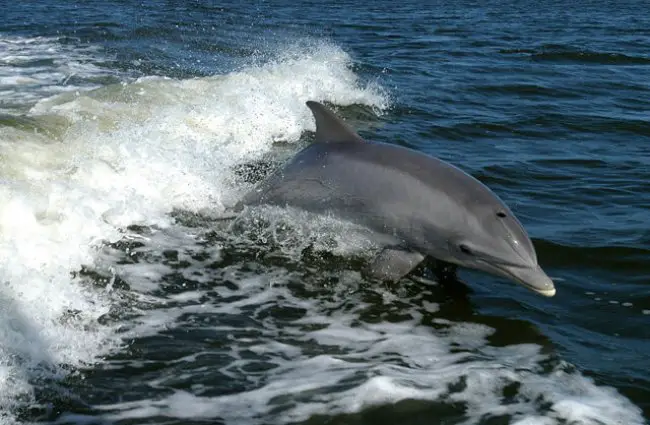
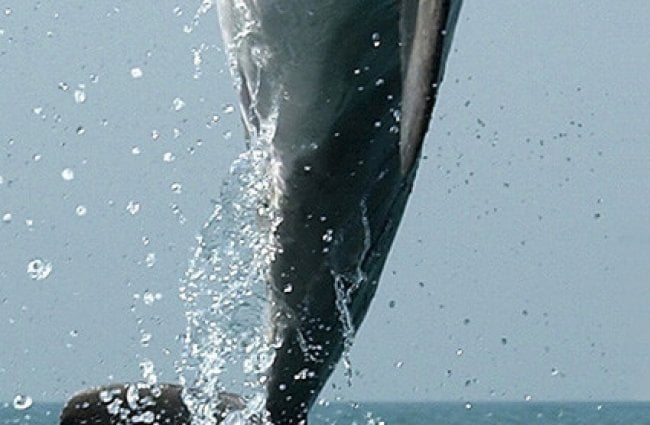
- Speed and Agility: They can reach speeds of up to 22 miles per hour (35 km/h) and are incredibly agile, capable of spectacular leaps and acrobatic maneuvers.
- Thermoregulation: Their blubber layer provides insulation, and they can regulate their body temperature by controlling blood flow to their fins and flukes.
Guardians of the Deep: Conservation and Care
The future of Bottlenose Dolphins depends heavily on human actions, both in the wild and in managed care environments.
Conservation Challenges
Despite their adaptability, Bottlenose Dolphins face numerous threats:
- Habitat Loss and Degradation: Coastal development, pollution runoff, and noise pollution disrupt their habitats.
- Bycatch: Accidental entanglement in fishing gear remains a leading cause of mortality.
- Overfishing: Depletion of their prey species can impact dolphin populations.
- Climate Change: Changes in ocean temperatures and currents can affect prey distribution and dolphin migration patterns.
- Marine Toxins: Accumulation of pollutants like PCBs and heavy metals can weaken immune systems and impair reproduction.
Conservation efforts focus on protecting critical habitats, reducing bycatch through improved fishing practices, mitigating pollution, and raising public awareness.
Caring for Bottlenose Dolphins in Captivity: A Zookeeper’s Role
For zookeepers and marine mammal specialists caring for Bottlenose Dolphins in accredited facilities, the responsibility is immense and multifaceted. The goal is to provide an environment that promotes physical health, mental stimulation, and natural behaviors.
Essential Tasks for Zookeepers
- Diet and Nutrition:
- Careful preparation of a high-quality, varied diet of fresh, thawed fish and squid, often supplemented with vitamins.
- Monitoring individual food intake and weight to ensure optimal health.
- Habitat Maintenance:
- Maintaining pristine water quality through rigorous filtration and chemical balancing.
- Regular cleaning and inspection of pools and enclosures to ensure safety and hygiene.
- Health Monitoring and Veterinary Care:
- Daily observation for any changes in behavior, appetite, or physical condition.
- Assisting veterinarians with routine check-ups, diagnostic tests, and administering medications.
- Training dolphins for voluntary participation in medical procedures (e.g., blood draws, ultrasound).
- Enrichment and Training:
- Developing and implementing diverse enrichment programs to stimulate their minds and encourage natural behaviors (e.g., puzzle feeders, novel objects, varied social interactions).
- Conducting positive reinforcement training sessions for husbandry behaviors, research, and educational presentations.
- Social Management:
- Monitoring social dynamics within the group to ensure harmonious relationships and address any potential conflicts.
- Providing opportunities for appropriate social interaction.
What to Avoid in Captive Care
- Inadequate Space: Enclosures that are too small or lack complexity can lead to boredom and stress.
- Poor Water Quality: Compromised water quality is a direct threat to dolphin health.
- Lack of Enrichment: A sterile environment without mental and physical stimulation can result in stereotypic behaviors and poor welfare.
- Improper Diet: Feeding incorrect types or amounts of food, or food that is not properly stored, can lead to nutritional deficiencies or illness.
- Forced Interactions: Never force a dolphin into an interaction or training session. All interactions should be voluntary and positive.
- Isolation: Dolphins are highly social animals; prolonged isolation can be detrimental to their psychological well-being.
Conclusion: Ambassadors of the Ocean
The Bottlenose Dolphin stands as a magnificent ambassador for the marine world, embodying intelligence, adaptability, and complex social structures. From their ancient evolutionary journey to their sophisticated hunting techniques and profound cultural impact, these creatures offer endless lessons about life in the ocean and our interconnectedness with it. Understanding their biology, appreciating their role in the ecosystem, and committing to their conservation are not just acts of scientific curiosity, but essential steps in safeguarding the health of our planet’s most vital resource, the ocean, for generations to come. By observing them responsibly, supporting conservation efforts, and advocating for clean seas, humanity can ensure that the Bottlenose Dolphin continues to grace our waters with its presence and inspire wonder for centuries to come.
![Closeup of a beautiful Red Angus cowPhoto by: U.S. Department of Agriculture [pubic domain]https://creativecommons.org/licenses/by/2.0/](https://animals.net/wp-content/uploads/2020/03/Red-Angus-4-238x178.jpg "Red Angus")
![Closeup of a beautiful Red Angus cowPhoto by: U.S. Department of Agriculture [pubic domain]https://creativecommons.org/licenses/by/2.0/](https://animals.net/wp-content/uploads/2020/03/Red-Angus-4-100x75.jpg "Red Angus")