
The Elusive Bongo: A Comprehensive Guide
Within the dense rainforests and transitional woodlands of Central Africa lives an antelope of remarkable beauty and secretive nature – the bongo. This striking mammal, recognized by its rich chestnut coat and elegant white stripes, remains a relatively mysterious creature, even to seasoned zoologists. This guide delves into every facet of the bongo’s life, from its evolutionary history and ecological role to practical considerations for encounters in the wild and the intricacies of captive care.
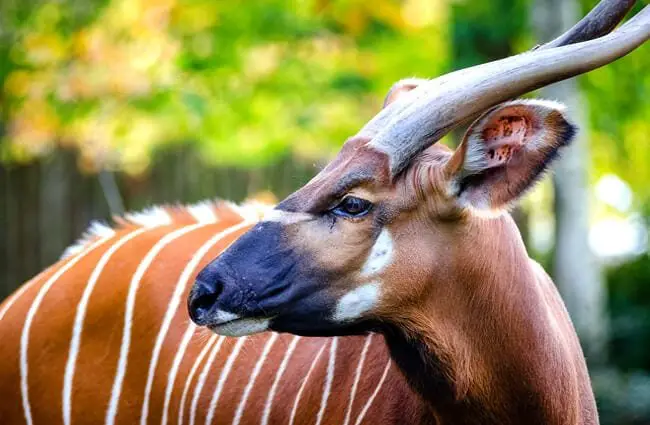
Understanding the Bongo: Basic Information
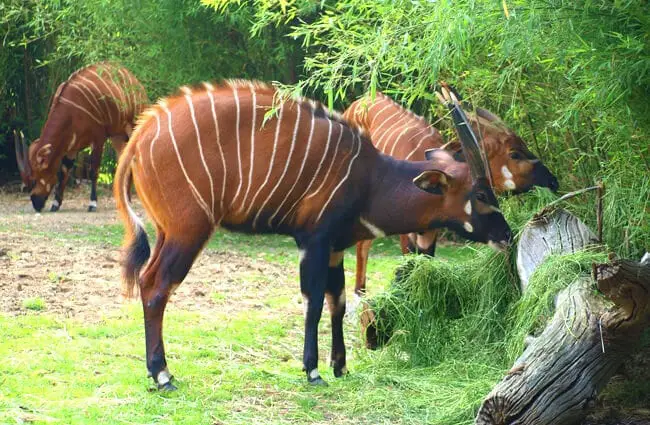
The bongo Tragelaphus eurycerus is a large forest antelope belonging to the family Bovidae. Two recognized subspecies exist: the western bongo (T. e. eurycerus), found in Cameroon, the Central African Republic, and the Democratic Republic of Congo, and the eastern bongo (T. e. isaaci), which inhabits Kenya, Uganda, Tanzania, Zambia, and Malawi. Bongos are characterized by their smooth, reddish‑brown coat accented by narrow white stripes running vertically along their bodies. These stripes serve as camouflage, breaking up their outline in the dappled light of the forest. Adults typically stand between 3.5 and 4.5 feet tall at the shoulder and weigh between 400 and 800 pounds, with males larger than females.
Habitat and Distribution
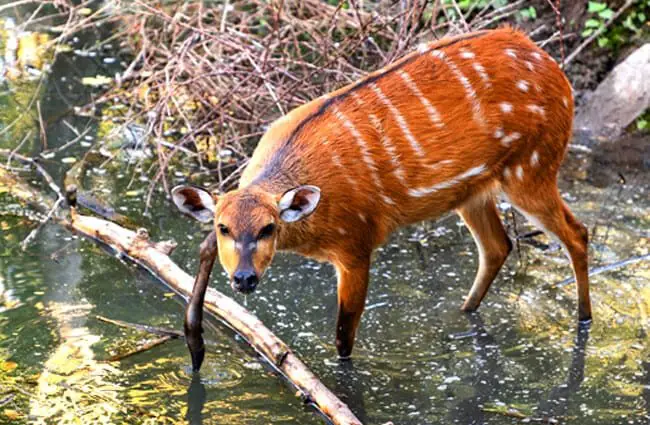
Bongos primarily inhabit dense, undisturbed forests, favoring areas with thick understory for cover. They require access to water sources such as rivers, streams, and swamps. Although they are forest dwellers, they will venture into forest edges and clearings to graze. The western bongo faces greater habitat loss and fragmentation than the eastern bongo, making it more critically endangered.
Diet and Feeding Behavior
These antelopes are browsers, feeding mainly on leaves, bark, and fruit. They possess a long, prehensile tongue that aids in stripping foliage from branches. Bongos play a critical role in seed dispersal, contributing to forest regeneration. They obtain water not only by drinking but also from the moisture in the vegetation they consume.
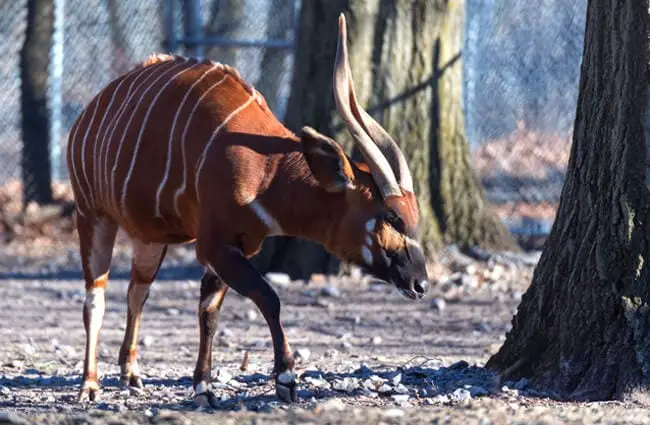
Life Cycle and Reproduction
Bongos typically live in small groups, often consisting of a dominant male, several females, and their offspring. These groups, called herds, provide protection and facilitate social interaction. The gestation period for a bongo is approximately 280 to 290 days, resulting in the birth of a single calf. Calves are born precocial, meaning they are relatively well developed and can stand and walk shortly after birth. The mother nurses the calf for about eight to ten months.
Mating Rituals and Social Behavior
The mating season varies by location but generally occurs during the rainy season. Males compete for dominance through displays of strength and occasional combat. Females typically choose the most dominant male. Young males often form bachelor herds before challenging established males for mating rights.
Bongo Ecology and Interactions
Bongos are an integral part of the Central African ecosystem. They contribute to forest health through seed dispersal and vegetation control. They serve as prey for predators such as leopards, lions, and hyenas, though their excellent camouflage and agility often allow them to evade capture.
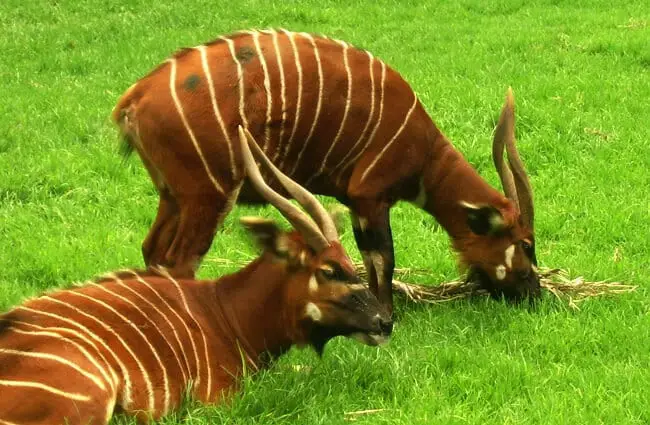
Role in Seed Dispersal and Vegetation Management
By consuming fruits and seeds, bongos help distribute plant life throughout the forest. Their browsing habits also help maintain the balance of vegetation, preventing any single species from dominating. This, in turn, supports biodiversity and ecosystem resilience.
Interactions with Other Animals
Bongos often associate with other forest animals, such as duikers and forest buffalo. These associations can provide mutual benefits, such as increased vigilance against predators. They also compete with other herbivores for food resources, especially during the dry season.
Bongo and Humans: History and Current Status
Historically, bongos were hunted for their meat and hides. Today, the primary threats to bongo populations are habitat loss due to deforestation, poaching, and human encroachment. The species as a whole is listed as Near Threatened by the International Union for Conservation of Nature (IUCN). The western bongo is Critically Endangered, with estimates suggesting fewer than 20,000 individuals remain in the wild, while the eastern bongo is Endangered.
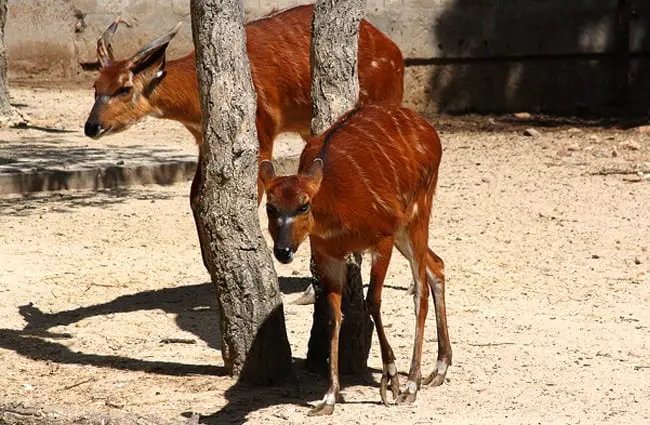
Conservation Efforts and Challenges
Conservation efforts include habitat protection, anti‑poaching patrols, and community‑based conservation programs. These initiatives face significant challenges due to political instability, limited funding, and the ongoing demand for bushmeat. Captive breeding programs also play a crucial role in maintaining genetic diversity and providing a safeguard against extinction.
Encountering a Bongo: What to Do
If you are fortunate enough to encounter a bongo in the wild, it’s essential to maintain a respectful distance. Avoid making sudden movements or loud noises. Allow the animal to continue its natural behavior without disturbance. Never attempt to approach or feed a bongo. Report any sightings to local wildlife authorities.
Bongo Care in Captivity
Caring for bongos in captivity requires specialized knowledge and facilities. They need spacious enclosures that mimic their natural forest habitat, with plenty of vegetation, shade, and access to water. Their diet should consist of a variety of high‑quality browse, fruits, and vegetables. Regular veterinary care is essential to monitor their health and prevent disease.
Enrichment and Behavioral Management
Bongos are intelligent and inquisitive animals that require mental stimulation. Provide them with a variety of enrichment items, such as puzzle feeders, scent trails, and novel objects. Encourage natural behaviors, such as browsing and exploration. Care should be taken to ensure the enclosure is secure, as bongos can escape by climbing over low barriers.
Common Health Concerns
Bongos can be susceptible to a variety of health problems, including parasitic infections, respiratory diseases, and foot disorders. Regular parasite control and preventative health care are essential. Proper nutrition and hygiene are also important for maintaining their overall health.
Fascinating Bongo Facts
- Bongos communicate using a variety of vocalizations, including grunts, moans, and whistles.
- Their spiral horns, present in males, grow throughout their lifetime.
- Bongos can run at speeds of up to 35 miles per hour.
- They are excellent swimmers and will readily enter water to escape predators or cool off.
- The white stripes on a bongo are unique to each individual, similar to human fingerprints.
The bongo remains a symbol of the wild beauty and ecological integrity of Central Africa. By understanding and appreciating this remarkable creature, we can contribute to its conservation and ensure its survival for generations to come.
![Closeup of a beautiful Red Angus cowPhoto by: U.S. Department of Agriculture [pubic domain]https://creativecommons.org/licenses/by/2.0/](https://animals.net/wp-content/uploads/2020/03/Red-Angus-4-238x178.jpg "Red Angus")



![Closeup of a beautiful Red Angus cowPhoto by: U.S. Department of Agriculture [pubic domain]https://creativecommons.org/licenses/by/2.0/](https://animals.net/wp-content/uploads/2020/03/Red-Angus-4-100x75.jpg "Red Angus")