
The ocean’s depths hold many wonders, but none quite capture the imagination like the blue whale. A creature of immense scale and profound mystery, Balaenoptera musculus, as scientists know it, is not merely a large animal; it is the largest animal to have ever lived on Earth, dwarfing even the most colossal dinosaurs. Understanding this magnificent leviathan offers a window into the intricate workings of our planet’s marine ecosystems and the incredible journey of life itself.
The Gentle Giant: An Introduction to Blue Whale Biology
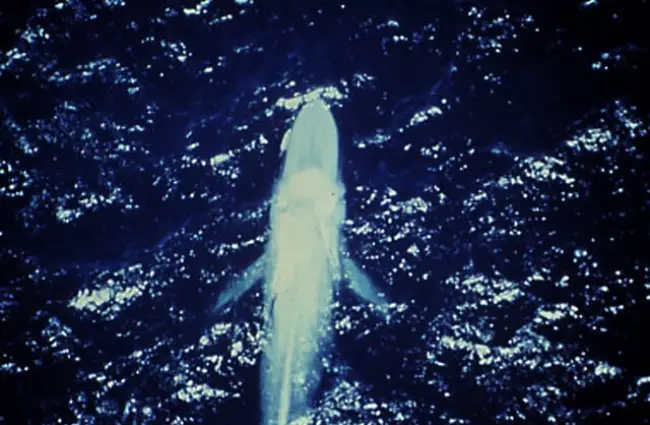
Imagine a creature longer than three school buses and heavier than thirty elephants. This is the blue whale. Reaching lengths of up to 30 meters (100 feet) and weighing over 180 metric tons (200 short tons), its sheer size is almost incomprehensible. Despite its name, the blue whale isn’t uniformly blue; its skin is a mottled bluish-grey, often appearing lighter underwater. The underside can be yellowish due to diatoms, microscopic organisms that cling to its skin, earning it the nickname “sulfur bottom” in some regions.
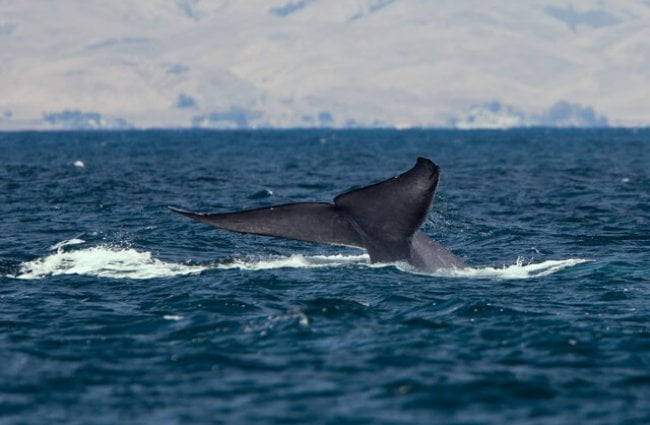
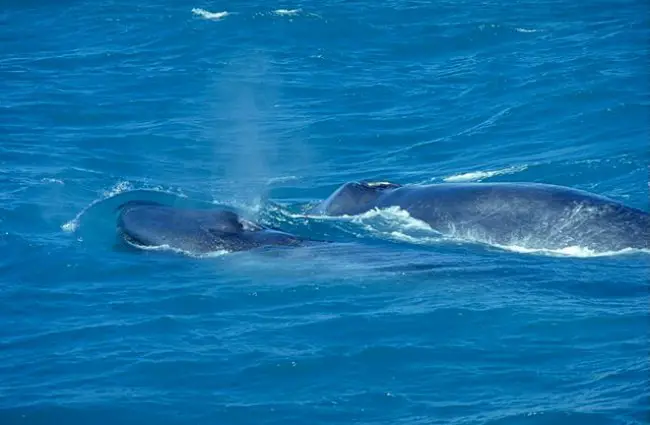
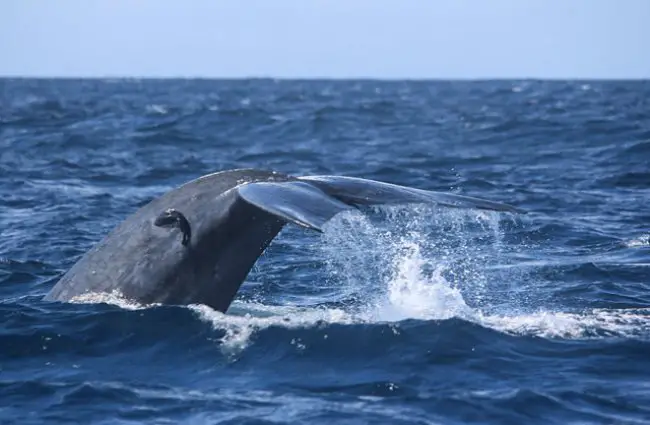
Blue whales are streamlined, torpedo-shaped mammals, perfectly adapted for life in the open ocean. Their dorsal fin is remarkably small, positioned far back on their body, and their long, tapering body ends in a massive fluke, or tail, which propels them through the water with incredible power. A distinctive feature is the series of ventral pleats or grooves running from their chin to their navel, which expand dramatically when feeding, allowing them to engulf vast quantities of water and prey.
Classification and Lifespan
Blue whales belong to the suborder of baleen whales, known as Mysticeti. Unlike toothed whales, they possess baleen plates, which are fringed, keratinous structures used to filter feed. Their scientific classification places them within the family Balaenopteridae, which includes other rorquals like fin whales and humpback whales. These majestic creatures can live for an astonishingly long time, with estimates suggesting a lifespan of 80 to 90 years, and some individuals potentially living over a century. This longevity underscores their slow life history and the importance of protecting them throughout their long lives.
Oceanic Wanderers: Habitat and Distribution
Blue whales are true cosmopolitans of the ocean, found in all major oceans, from the polar regions to the tropics. They undertake some of the longest migrations of any mammal, traveling thousands of kilometers between their feeding and breeding grounds. Typically, they spend their summers in the colder, nutrient-rich waters of the polar and subpolar regions, where krill is abundant. As winter approaches, they migrate towards warmer, tropical or subtropical waters to breed and calve.
Specific populations can be found in the North Atlantic, North Pacific, and Southern Ocean. For instance, blue whales are regularly sighted off the coast of California, in the Gulf of St. Lawrence, and around Antarctica. Their presence is a strong indicator of a healthy marine ecosystem, as they rely on vast quantities of krill, which in turn depend on robust phytoplankton populations. Observing these magnificent creatures in the wild requires patience and often involves joining specialized whale watching tours in known feeding or migration corridors, always maintaining a respectful distance to avoid disturbance.
A Feast of Krill: Diet and Feeding Strategies
Despite their immense size, blue whales feed on some of the smallest creatures in the ocean: krill. These small, shrimp-like crustaceans form the cornerstone of the blue whale’s diet. An adult blue whale can consume an astounding 3,600 kilograms (8,000 pounds) of krill in a single day, which translates to tens of millions of individual krill. This incredible dietary requirement highlights the productivity of the polar oceans where they primarily feed.
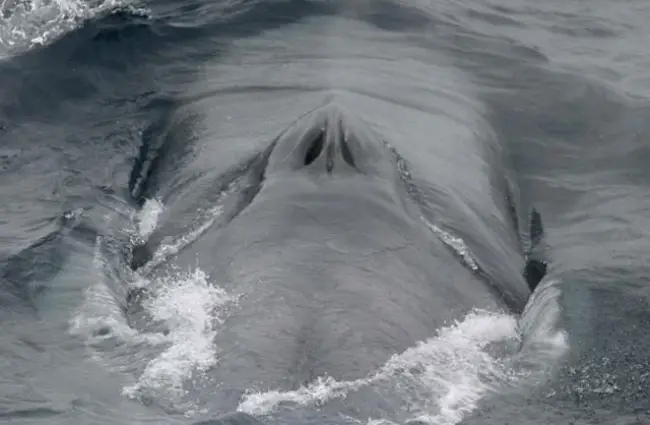
Their feeding method is a marvel of biological engineering known as “lunge feeding.” A blue whale will accelerate towards a dense patch of krill, open its enormous mouth, and engulf a volume of water and krill equivalent to its own body weight. The ventral pleats expand like an accordion, allowing its mouth to balloon dramatically. It then uses its massive tongue to push the water out through its baleen plates, trapping the krill inside. The baleen plates, numbering between 270 and 395 on each side of the upper jaw, act like a giant sieve, filtering out the tiny crustaceans.
The Circle of Life: Mating and Reproduction
The reproductive cycle of blue whales is a testament to their slow and deliberate life history. Mating typically occurs in the warmer, tropical waters during the winter months, following their extensive migrations. After a gestation period of approximately 10 to 12 months, a single calf is born, usually weighing around 2.5 metric tons (5,500 pounds) and measuring about 7 meters (23 feet) in length. This makes blue whale calves among the largest babies on Earth.
The mother nurses her calf for about 6 to 7 months, during which the calf grows at an astonishing rate, gaining up to 90 kilograms (200 pounds) per day. This rapid growth is fueled by the mother’s incredibly rich milk, which is about 35-50% fat. The bond between mother and calf is strong, with the calf remaining close to its mother for protection and sustenance. Sexual maturity is reached between 5 and 10 years of age, and females typically give birth every two to three years. This slow reproductive rate makes blue whales particularly vulnerable to population declines and slow to recover from threats.
Echoes of the Past: Blue Whale Evolution
The evolutionary journey of the blue whale is a fascinating tale of adaptation from land to sea. Modern whales, including the blue whale, evolved from terrestrial, hoofed mammals that lived approximately 50 million years ago. Over millions of years, their ancestors gradually adapted to an aquatic lifestyle, developing streamlined bodies, powerful flukes, and eventually losing their hind limbs. The transition from toothed ancestors to baleen filter feeders represents a significant evolutionary divergence, allowing them to exploit vast resources of small prey like krill.
Fossil evidence, particularly from early whale forms like Pakicetus and Basilosaurus, illustrates this remarkable transformation. The development of baleen plates, rather than teeth, was a key innovation that allowed the ancestors of blue whales to become the massive filter feeders we know today, efficiently harvesting the abundant plankton and krill of the oceans. This evolutionary path highlights the incredible plasticity of life and its ability to adapt to diverse environments.
The Ocean’s Symphony: Communication and Social Behavior
Blue whales are renowned for their powerful and complex vocalizations, often referred to as “whale songs.” These low-frequency sounds are the loudest animal sounds on Earth, capable of traveling hundreds, even thousands, of kilometers through the ocean. Their calls are primarily infrasonic, meaning they are below the range of human hearing, though some components can be heard by humans. Scientists believe these songs play a crucial role in long-distance communication, attracting mates, and possibly navigating during their extensive migrations.
While often observed alone or in small groups, blue whales are not considered highly social animals in the same way some other whale species are. However, their ability to communicate across vast distances suggests a complex social structure that is still being unraveled by researchers. The study of their vocalizations provides invaluable insights into their behavior, distribution, and overall health.
Guardians of the Deep: Ecological Role and Interactions
As the largest animals on Earth, blue whales play a critical role in the marine ecosystem. By consuming vast quantities of krill, they help regulate krill populations. More importantly, their feeding and migratory patterns contribute to nutrient cycling within the ocean. When whales feed in deep waters and then surface to defecate, they release nutrients that fertilize the surface waters, promoting the growth of phytoplankton, the base of the marine food web. This “whale pump” effect is vital for ocean productivity.
Blue whales generally have few natural predators due to their immense size. However, young calves can occasionally be preyed upon by orcas (killer whales). Their interaction with other marine animals is largely indirect, through their influence on the food web. They share their krill-rich feeding grounds with other baleen whales, seals, and seabirds, all competing for the same vital resource.
A Legacy of Survival: Conservation Status and Human Interaction
The history of blue whales’ interaction with humans is a somber one. From the late 19th century to the mid-20th century, blue whales were relentlessly hunted for their oil, meat, and baleen. Their immense size made them a prime target for commercial whaling fleets, which, with the advent of steam-powered ships and explosive harpoons, could pursue and kill these fast-swimming giants. This intensive hunting pushed the species to the brink of extinction, with an estimated 90% reduction in their global population. By the time international protection was enacted in 1966, only a few thousand individuals remained.
Today, blue whales are listed as Endangered by the International Union for Conservation of Nature (IUCN). While commercial whaling is largely a thing of the past, they still face significant threats:
- Ship Strikes: Collisions with large vessels are a major cause of mortality, particularly in busy shipping lanes that overlap with whale migration routes.
- Ocean Noise Pollution: The increasing noise from shipping, sonar, and seismic surveys can interfere with their communication, navigation, and feeding behaviors.
- Climate Change: Changes in ocean temperature and acidity can impact krill populations, directly affecting the blue whale’s food source.
- Entanglement: Whales can become entangled in fishing gear, leading to injury or drowning.
On a more positive note, blue whales have contributed to human culture through their sheer majesty, inspiring awe and wonder. They feature in indigenous folklore, modern literature, and documentaries, symbolizing the grandeur and fragility of the natural world. Modern interactions primarily involve responsible whale watching, which provides economic incentives for conservation and fosters public appreciation for these animals.
Fascinating Facts About Blue Whales
Here is a collection of intriguing facts that highlight the unique biology and ecological significance of the blue whale:
- Heart Size: A blue whale’s heart is the size of a small car and beats only 2 to 10 times per minute when diving. Its aorta is large enough for a human to crawl through.
- Tongue Weight: Its tongue alone can weigh as much as an elephant, approximately 4 metric tons (8,000 pounds).
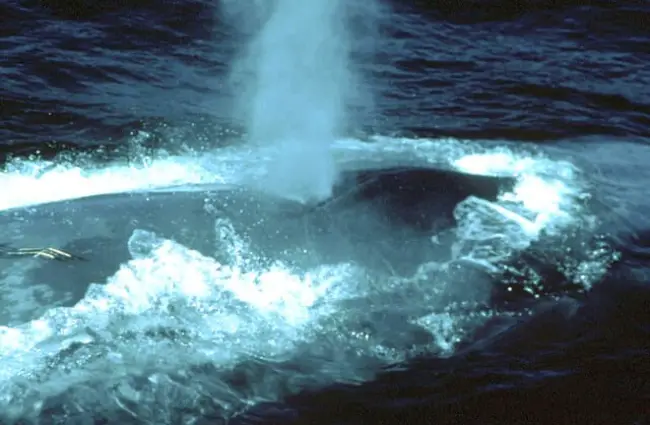
- Blowhole Spray: When a blue whale surfaces to breathe, its blowhole can produce a column of water and air that reaches up to 9 meters (30 feet) high.
- Speed: While typically cruising at about 8 kilometers per hour (5 mph), they can reach speeds of over 30 kilometers per hour (18 mph) for short bursts.
- Deep Divers: Blue whales can dive to depths of over 500 meters (1,640 feet) and stay submerged for 10 to 20 minutes, though shallower dives are more common for feeding.
- Krill Consumption: To sustain its massive body, a blue whale needs to eat approximately 4% of its body weight in krill daily during feeding season.
- Unique Markings: Each blue whale’s fluke has unique markings, much like a human fingerprint, which scientists use to identify individuals for research.
Practical Insights for Enthusiasts and Professionals
For the Aspiring Zoologist or Marine Biologist
Studying blue whales offers a challenging yet incredibly rewarding career path. Focus on developing strong foundations in marine biology, oceanography, and conservation science. Opportunities exist in research institutions, governmental agencies, and non-profit organizations. Key areas of study include population dynamics, migration patterns, acoustic communication, feeding ecology, and the impacts of anthropogenic threats. Fieldwork often involves long periods at sea, data collection, and advanced analytical skills. Understanding their complex biology and behavior is crucial for effective conservation strategies.
For the Animal Lover Seeking a Wild Encounter
Encountering a blue whale in the wild is an unforgettable experience. The best way to do this responsibly is through reputable whale watching tours. Key locations for sightings include:
- California, USA: Particularly off the coast of Southern California during late summer and fall.
- Gulf of St. Lawrence, Canada: During the summer months.
- Antarctic Peninsula: During the austral summer (December to March).
- Sri Lanka: Known for sightings in the Indian Ocean.
Always choose operators who adhere to strict guidelines for whale watching, maintaining safe distances and minimizing disturbance. Remember, these are wild animals, and their behavior is unpredictable. Patience is key, and even a distant sighting of their magnificent blow or fluke is a privilege.
For the Coastal Observer or Boater
If you are on a boat and encounter a blue whale, or any large whale, it is imperative to follow marine wildlife viewing guidelines. Maintain a significant distance, typically at least 100 meters (330 feet), and never approach head-on or pursue the animal. Avoid sudden changes in speed or direction. If a whale approaches your vessel, put your engine in neutral until it moves away. Report any injured, entangled, or stranded whales to local marine mammal stranding networks or authorities. Your responsible actions contribute directly to their safety and conservation.
For the Hypothetical Zookeeper
It is important to state unequivocally that blue whales are not kept in captivity. Their immense size, complex dietary needs, migratory patterns, and deep-diving behaviors make it impossible to provide an adequate captive environment. No aquarium or marine park in the world could house a blue whale. Any attempt to do so would be detrimental to the animal’s welfare and ethically indefensible.
However, if one were to hypothetically consider the care of a blue whale, the tasks would be monumental:
- Enclosure: An enclosure would need to be an entire ocean, with depths and volumes unimaginable for human construction.
- Diet: Sourcing and delivering thousands of kilograms of live krill daily would be an unprecedented logistical challenge.
- Social and Behavioral Needs: Providing for their migratory instincts, deep-diving capabilities, and long-distance communication would be impossible.
- Veterinary Care: Administering medical care to an animal of this size would require specialized equipment and techniques that do not currently exist for captive scenarios.
Instead, efforts for blue whales focus entirely on their conservation in their natural ocean habitat. Rehabilitation of stranded or injured individuals is sometimes attempted for smaller cetaceans, but for a blue whale, such an endeavor would be extraordinarily complex and rarely feasible.
Conclusion: A Call to Protect Our Ocean’s Monarch
The blue whale stands as a powerful symbol of the ocean’s grandeur and its vulnerability. From its incredible evolutionary journey to its vital role in the marine ecosystem, every aspect of this magnificent creature speaks to the intricate balance of life on Earth. While the scars of past exploitation remain, there is hope. Through continued research, responsible tourism, and dedicated conservation efforts, we can ensure that the hauntingly beautiful songs of the blue whale continue to echo through our oceans for generations to come. Protecting the blue whale means protecting the health of our entire planet.
![Closeup of a beautiful Red Angus cowPhoto by: U.S. Department of Agriculture [pubic domain]https://creativecommons.org/licenses/by/2.0/](https://animals.net/wp-content/uploads/2020/03/Red-Angus-4-238x178.jpg "Red Angus")


![Closeup of a beautiful Red Angus cowPhoto by: U.S. Department of Agriculture [pubic domain]https://creativecommons.org/licenses/by/2.0/](https://animals.net/wp-content/uploads/2020/03/Red-Angus-4-100x75.jpg "Red Angus")