The Black Rat: A Comprehensive Guide
The black rat, Rattus rattus, is a medium‑sized rodent often associated with historical events, ecological impact, and a surprising level of intelligence. While frequently demonized, understanding this species reveals a complex animal with a fascinating history and a crucial role in various ecosystems. This guide explores the black rat’s biology, behavior, ecological significance, and its long‑standing relationship with humankind.
Origins and Evolution
The black rat is believed to have originated in southern Asia, likely evolving from the ancestor of the brown rat. Its spread is intimately linked to human activity, traveling along trade routes and aboard ships. Archaeological evidence suggests its presence in Europe as early as the Roman period. Unlike its close relative, the brown rat Rattus norvegicus, the black rat demonstrates a greater arboreal affinity, meaning it is more comfortable and skilled at climbing and living in trees.
Physical Characteristics
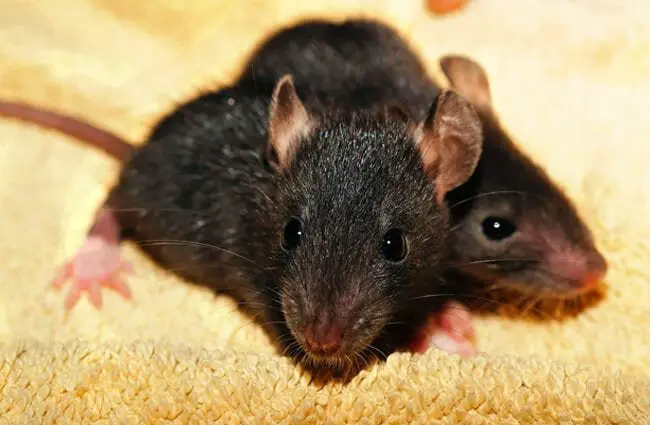
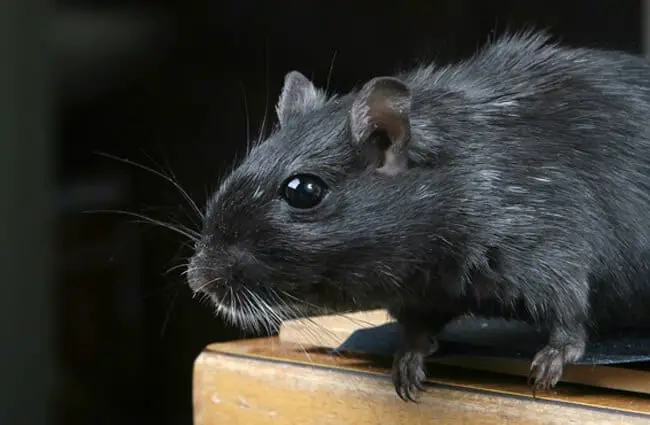
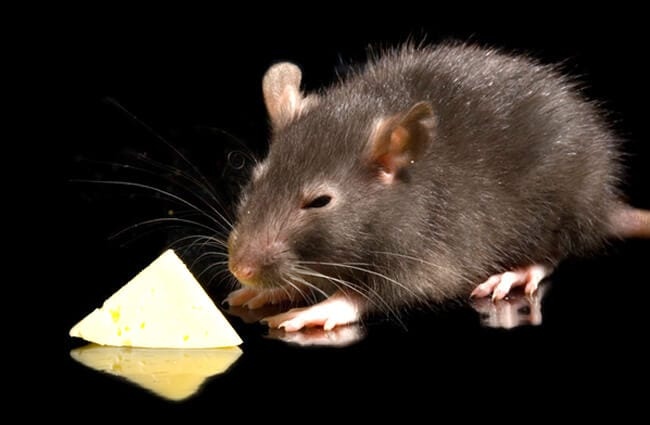
Black rats typically weigh between 140 and 230 grams and measure 22 to 29 centimeters in length, with a tail of similar length. Their fur is generally black or dark brown, although color variations can occur. The ears are large and prominent, and the snout is pointed. A key identifier is their relatively slender body build compared to the stockier brown rat. They possess sharp claws adapted for climbing and a sensitive vibrissae (whiskers) for navigating their surroundings.
Habitat and Distribution
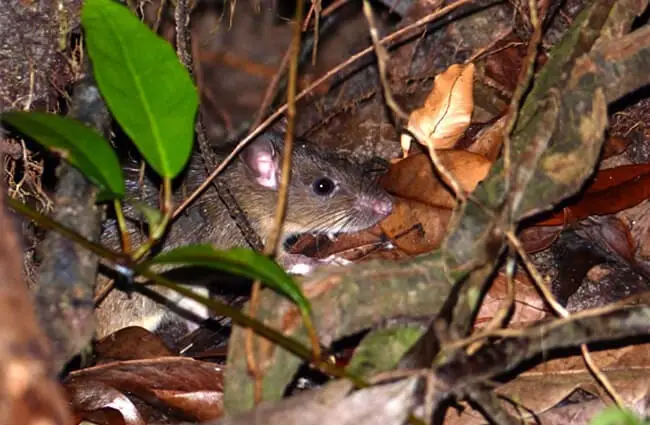
Originally a species of warmer climates, the black rat now occupies a vast range across the globe. It thrives in diverse habitats, including forests, grasslands, agricultural lands, and urban environments. They exhibit a preference for elevated locations such as trees, attics, and rafters, making them particularly common in older buildings. While still present worldwide, the black rat’s range has shrunk in many areas due to competition with the more aggressive brown rat.
Diet and Foraging Behavior
Black rats are omnivorous opportunists. Their diet consists of a wide range of foods, including seeds, fruits, nuts, roots, insects, and occasionally small vertebrates. They are known for their cautious approach to food, often tasting new items before consuming them fully. Black rats are skilled foragers, actively searching for food resources both on the ground and in trees. They often create established pathways or “runs” to access feeding areas efficiently.

Reproduction and Life Cycle
Black rats are prolific breeders. Females can produce several litters per year, with each litter containing between four and twelve pups. Gestation lasts approximately 21 to 23 days. Pups are born blind and helpless, relying entirely on their mother for care. They develop rapidly, becoming independent within a few weeks. Black rats typically live for one to two years in the wild, although they can survive longer in captivity.
Ecological Role and Interactions
Black rats play a significant role in many ecosystems. They contribute to seed dispersal, assisting in the regeneration of plant communities. They also serve as a food source for various predators, including owls, hawks, snakes, and foxes. However, their foraging activities can sometimes negatively impact agricultural crops and stored grains. They also compete with native species for resources.
The Black Rat and Human History
The relationship between black rats and humans is complex and deeply rooted in history. They were inadvertently transported around the world aboard ships, becoming widespread as trade routes expanded. Most infamously, the black rat has been implicated in the spread of the bubonic plague, also known as the Black Death, during the Middle Ages. Fleas living on the rats transmitted the disease to humans, causing devastating epidemics. Beyond this infamous connection, black rats have also been kept as pets and used in scientific research.
Interesting Facts
- Black rats are excellent swimmers and can survive for extended periods in water.
- They communicate with each other using a variety of vocalizations, including squeaks, chirps, and ultrasonic calls.
- Black rats are neophobic, meaning they are wary of new objects and environments.
- They have a strong sense of smell, which they use to locate food and detect predators.
- They are capable of learning complex tasks and solving problems.
Encountering a Black Rat: What to Do
If you encounter a black rat, it is best to avoid direct contact. While they are generally not aggressive, they can bite if they feel threatened. Do not attempt to handle the rat. If you are concerned about a rat infestation, contact a pest control professional. Practice good sanitation and eliminate potential food sources to discourage rats from entering your property.
Caring for Black Rats in Captivity
Black rats require spacious cages with plenty of enrichment, such as climbing structures, tunnels, and nesting materials. They should be provided with a balanced diet consisting of rodent blocks, fresh fruits, vegetables, and occasional treats. Regular cage cleaning is essential to maintain hygiene and prevent disease. Black rats are social animals and benefit from interaction with their human caretakers. However, they can be prone to stress, so it is important to handle them gently and provide a calm environment.
The black rat, despite its often negative reputation, is a fascinating and ecologically important species. Understanding its biology, behavior, and history provides valuable insights into the complex interactions between humans and the natural world. By appreciating the role of this often‑maligned rodent, we can foster a greater understanding and respect for the biodiversity that surrounds us.
![Closeup of a beautiful Red Angus cowPhoto by: U.S. Department of Agriculture [pubic domain]https://creativecommons.org/licenses/by/2.0/](https://animals.net/wp-content/uploads/2020/03/Red-Angus-4-238x178.jpg "Red Angus")



![Closeup of a beautiful Red Angus cowPhoto by: U.S. Department of Agriculture [pubic domain]https://creativecommons.org/licenses/by/2.0/](https://animals.net/wp-content/uploads/2020/03/Red-Angus-4-100x75.jpg "Red Angus")