In the vast, undulating grasslands of North America, a remarkable creature once teetered on the very brink of oblivion. This is the story of the Black-Footed Ferret, a charismatic predator whose survival is a testament to dedicated conservation efforts and the intricate web of life that sustains our planet. Often called the “prairie dog’s shadow,” this elusive mustelid embodies the wild spirit of the American West and offers profound lessons in ecology, resilience, and the power of human intervention.
Join us on a journey to uncover the secrets of this incredible animal, from its unique adaptations to its dramatic comeback story. Whether you are a student researching its habitat, an animal lover hoping for a glimpse in the wild, or an aspiring zoologist eager to delve into its biology, this comprehensive guide will illuminate the world of the Black-Footed Ferret.
Meet the Black-Footed Ferret: A Prairie Icon
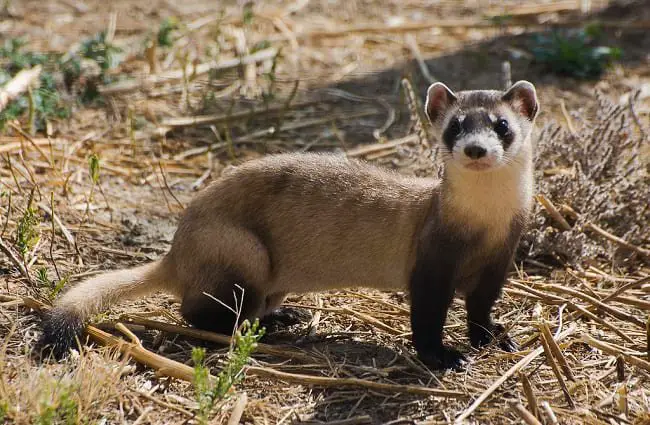
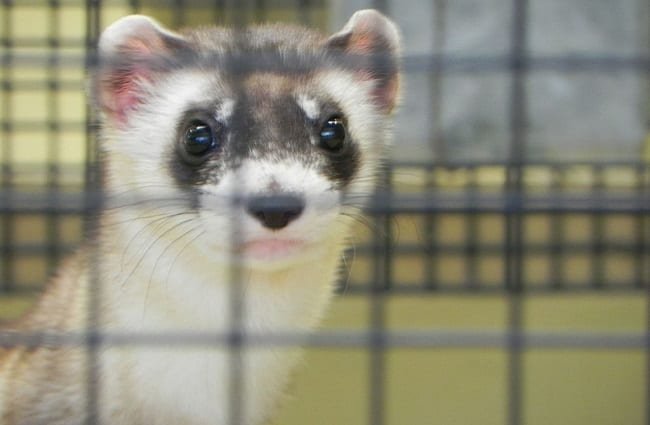
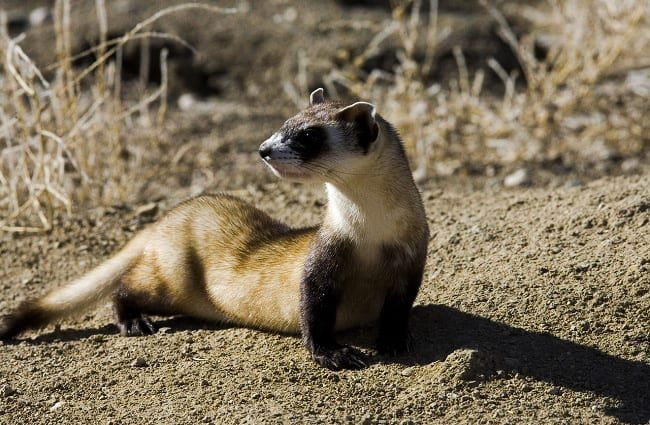
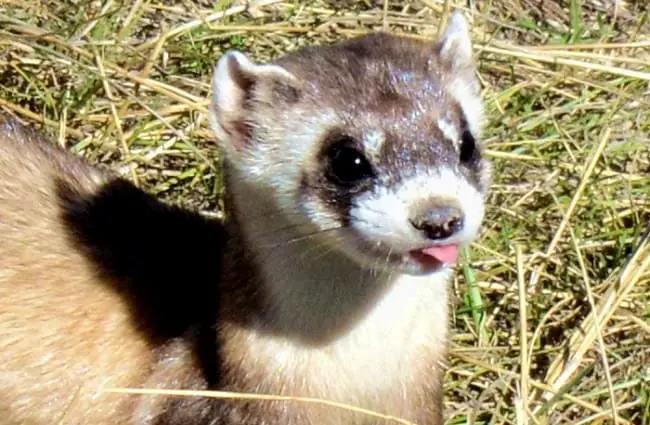
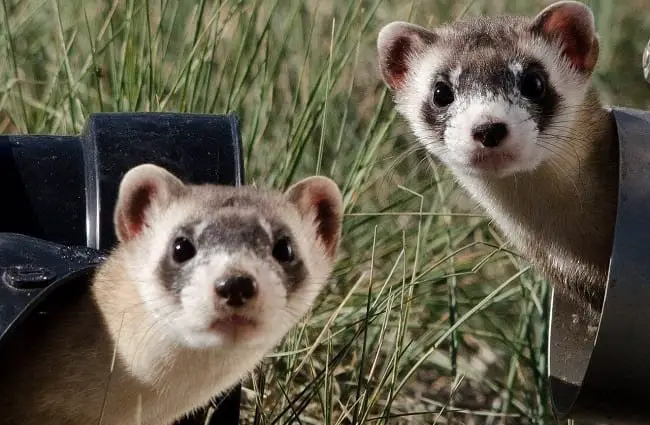
The Black-Footed Ferret (Mustela nigripes) is a medium-sized member of the weasel family, Mustelidae, renowned for its sleek build and striking appearance. It possesses a slender body, short legs, and a relatively long tail, perfectly adapted for navigating the underground tunnels of its primary prey. Its fur is a beautiful yellowish-buff, contrasting sharply with its distinctive black feet, a black mask across its eyes, and a black tip on its tail. These markings give it a somewhat mischievous, yet undeniably elegant, look.
Adult ferrets typically measure between 18 to 24 inches (45 to 60 cm) in length, including their tail, and weigh between 1.5 to 2.5 pounds (0.7 to 1.1 kg). Males are generally larger than females. Their keen senses, particularly hearing and smell, are crucial for hunting in the dark, subterranean world of prairie dog colonies.
Where the Wild Things Are: Habitat and Range
The Black-Footed Ferret is an obligate inhabitant of North American grasslands, specifically the shortgrass and mixed-grass prairies. Its historical range spanned across 12 U.S. states, two Canadian provinces, and northern Mexico. However, its survival is inextricably linked to the presence of prairie dog colonies, which serve as both its primary food source and its shelter. Consequently, the ferret’s distribution mirrors that of prairie dogs.
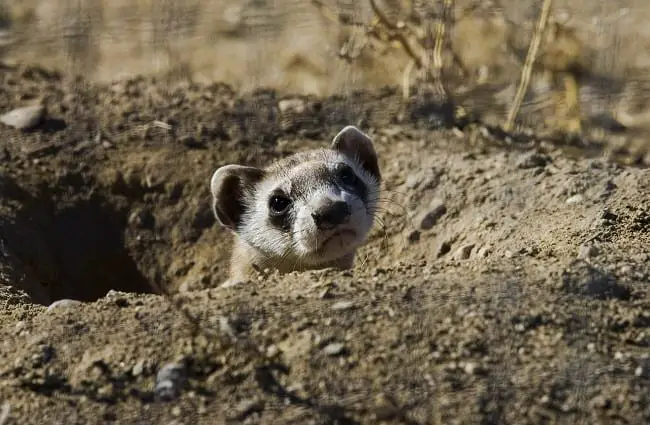
Today, thanks to intensive conservation efforts, reintroduced populations can be found in several states, including Wyoming, Montana, South Dakota, Arizona, Colorado, Kansas, New Mexico, Utah, and in Chihuahua, Mexico. These reintroduction sites are carefully selected prairie dog towns that offer sufficient prey density and suitable habitat to support a viable ferret population. Finding a Black-Footed Ferret in the wild requires patience, knowledge of their habitat, and often, a bit of luck. They are nocturnal and spend most of their days sleeping underground in prairie dog burrows, emerging only after sunset to hunt.
The Ultimate Prairie Predator: Diet and Hunting
When it comes to diet, the Black-Footed Ferret is a specialist. Its menu consists almost exclusively of prairie dogs, making up over 90% of its diet. This extreme dietary specialization is a key factor in its ecological niche and also a major vulnerability. A single ferret can consume over 100 prairie dogs in a year, showcasing its predatory prowess.
Ferrets are nocturnal hunters, using their slender bodies to navigate the intricate tunnel systems of prairie dog burrows. They stalk their prey silently, often ambushing prairie dogs within their own homes. While prairie dogs are their staple, ferrets may occasionally supplement their diet with other small rodents, such as mice, voles, or ground squirrels, and sometimes even birds or reptiles, particularly when prairie dog populations are low. This adaptability, though limited, can be crucial for survival during lean times.
Life in the Burrows: Mating and Reproduction
Black-Footed Ferrets are largely solitary animals, coming together primarily for mating. The breeding season typically occurs in late winter and early spring, from February to March. Males will seek out females, and after a brief courtship, mating takes place. Females have a gestation period of approximately 42 to 45 days.
Litters, known as “kits,” are usually born in May or June, deep within a prairie dog burrow. A typical litter consists of three to five kits, though it can range from one to ten. Newborn kits are blind, helpless, and covered in fine white fur. They are entirely dependent on their mother for the first few weeks of life. The female ferret is solely responsible for raising her young, providing milk, protection, and eventually teaching them to hunt.
Kits remain underground for about six weeks, slowly developing their senses and motor skills. By late summer, they begin to emerge from the burrow with their mother, learning essential hunting techniques. They typically stay with their mother until early autumn, when they disperse to establish their own territories. Sexual maturity is reached at around one year of age, and ferrets can live for 3 to 5 years in the wild, and up to 8 years in captivity.
A Deeper Dive: Ecology, Evolution, and Conservation
Evolutionary Journey: Adapting to the Prairie
The Black-Footed Ferret’s evolutionary history is deeply intertwined with the North American prairie ecosystem. As a member of the Mustelidae family, it shares ancestry with weasels, badgers, and otters, all known for their predatory prowess and often elongated bodies. The ferret’s specialized adaptations, such as its slender build, powerful jaws, and nocturnal habits, evolved over millennia to exploit the abundant resource of prairie dog colonies. Its black mask likely serves to reduce glare, aiding its vision during twilight and nighttime hunts.
The co-evolutionary relationship between the Black-Footed Ferret and prairie dogs is a classic example of predator-prey specialization. The ferrets developed the ability to navigate complex burrow systems, while prairie dogs evolved vigilance and alarm calls. This intricate dance has shaped both species, making the ferret a highly efficient, albeit dependent, predator.
Ecosystem Contributions: A Keystone Species
The Black-Footed Ferret plays a critical role in the prairie ecosystem, acting as a top-tier predator within prairie dog towns. Its presence helps to regulate prairie dog populations, which in turn influences grassland health. Prairie dogs are considered “ecosystem engineers” because their burrowing activities aerate the soil, improve water infiltration, and create microhabitats for other species. By keeping prairie dog numbers in check, ferrets contribute to the overall biodiversity and ecological balance of the grasslands.
Beyond predation, ferrets also utilize prairie dog burrows for shelter, raising their young, and caching food. This interaction highlights their role as an integral component of the prairie food web. The decline of the Black-Footed Ferret had cascading effects, demonstrating the importance of each species in maintaining a healthy ecosystem.
A Brush with Extinction: Human Interaction and Conservation
The story of the Black-Footed Ferret is a dramatic tale of human impact and dedicated conservation. Historically, ferrets were viewed as pests due to their association with prairie dogs, which were often targeted for eradication by ranchers and farmers concerned about competition for forage with livestock. Widespread poisoning campaigns against prairie dogs in the 20th century decimated their populations, leading to a catastrophic decline in ferret numbers. Additionally, habitat loss due to agricultural conversion and outbreaks of sylvatic plague, a non-native disease that affects both prairie dogs and ferrets, pushed the species to the brink.
By 1987, the Black-Footed Ferret was declared extinct in the wild, only for a small, remnant population to be discovered in Meeteetse, Wyoming, in 1981. This discovery sparked an urgent and unprecedented captive breeding program. All living Black-Footed Ferrets today are descendants of these 18 individuals, with only seven successfully breeding. This genetic bottleneck presents ongoing challenges for maintaining genetic diversity.
The conservation efforts have been monumental, involving:
- Captive Breeding: Zoos and conservation centers have meticulously managed breeding programs to increase ferret numbers.
- Reintroduction: Ferrets are released into suitable, protected prairie dog towns across their historical range.
- Disease Management: Vaccination programs for both ferrets and prairie dogs against sylvatic plague are crucial.
- Habitat Restoration: Efforts to protect and restore prairie dog habitat are ongoing.
The Black-Footed Ferret’s contribution to human culture is primarily as a symbol of successful endangered species recovery. Its story inspires hope and demonstrates the potential for humans to reverse environmental damage through concerted effort and scientific application. It has become an emblem for prairie conservation and a flagship species for the health of grassland ecosystems.
Practical Insights: For Enthusiasts, Hikers, and Zookeepers
Encountering a Black-Footed Ferret in the Wild
For the dedicated animal lover or aspiring zoologist, finding a Black-Footed Ferret in the wild is a rare and thrilling experience. Here’s what you need to know:
- Where to Look: Focus on known reintroduction sites within national grasslands, wildlife refuges, or designated conservation areas in states like Wyoming, Montana, South Dakota, Arizona, and Colorado. Look for active prairie dog towns, as these are essential for ferrets.
- When to Look: Ferrets are strictly nocturnal. Your best chance of spotting one is from dusk until dawn.
- How to Spot Them: They are elusive. Use binoculars or a spotting scope. Look for their distinctive black mask and feet. Sometimes, their eyeshine can be caught with a spotlight (used responsibly and from a distance).
- What to Do if You See One:
- Observe from a Distance: Maintain a significant distance to avoid disturbing the animal. Use optics.
- Do Not Approach: Never attempt to approach, feed, or handle a wild ferret. They are wild animals and can bite if threatened.
- Report Sightings: If you are in a designated reintroduction area, report your sighting to the local wildlife authorities or park rangers. This data is valuable for monitoring populations.
- Minimize Disturbance: Keep noise to a minimum, avoid bright lights directly on the animal, and do not block burrow entrances.
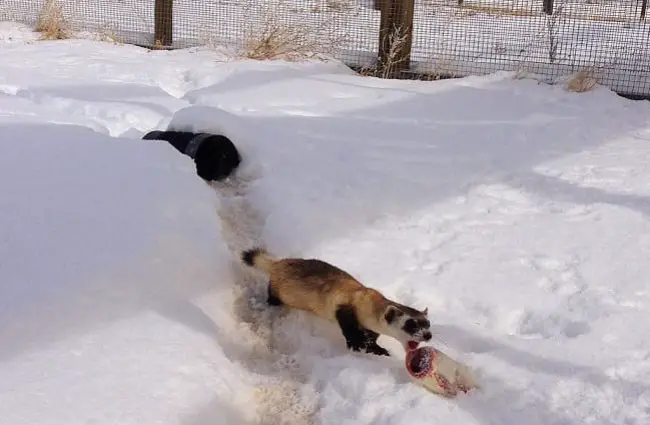
Caring for Black-Footed Ferrets in Captivity: A Zookeeper’s Guide
Caring for Black-Footed Ferrets in a zoo or conservation facility is a highly specialized and critical task, contributing directly to the species’ survival. Zookeepers play a vital role in maintaining healthy breeding populations and preparing individuals for potential reintroduction.
Key Tasks and Considerations:
- Enclosure Design:
- Mimic natural burrows with complex tunnel systems, multiple chambers, and substrate for digging.
- Provide secure, escape-proof enclosures with appropriate temperature and humidity control.
- Ensure ample space for exercise and exploration, reflecting their active nature.
- Diet:
- Provide a diet primarily consisting of whole prey, such as prairie dog carcasses (if available and ethically sourced), rats, or mice, to meet their specific nutritional needs.
- Supplementation should be carefully managed by veterinary and nutritional experts.
- Feed on a schedule that aligns with their nocturnal activity.
- Health Monitoring:
- Regular veterinary checks, including vaccinations (especially for canine distemper and sylvatic plague), parasite control, and general health assessments.
- Monitor for signs of stress, illness, or injury, which can be subtle in mustelids.
- Maintain meticulous records of weight, diet, behavior, and medical history.
- Behavioral Enrichment:
- Offer a variety of enrichment items to stimulate natural behaviors, such as digging, hunting, and exploring. This can include puzzle feeders, novel scents, varying substrates, and rotating toys.
- Provide opportunities for climbing and hiding.
- Reproduction Management:
- Participate in Species Survival Plans (SSPs) to manage genetic diversity and breeding pairs.
- Monitor breeding cycles and provide appropriate denning sites for pregnant females.
- Handle kits minimally, especially in the early stages, to reduce stress on the mother and young.
- Pre-Release Conditioning (for reintroduction candidates):
- Gradually expose ferrets to natural prey and outdoor conditions.
- Minimize human interaction to foster wild instincts.
- Train ferrets to recognize and avoid predators.
What to Avoid:
- Over-handling: Minimize direct human contact, especially for ferrets destined for reintroduction.
- Inappropriate Diet: Avoid processed pet foods or diets not specifically formulated for obligate carnivores.
- Lack of Enrichment: A sterile, unchanging environment can lead to stress and abnormal behaviors.
- Exposure to Domestic Animal Diseases: Strict biosecurity protocols are essential to prevent transmission of diseases like canine distemper from domestic pets.
- Inadequate Space: Small or unstimulating enclosures are detrimental to their welfare.
Fascinating Facts About the Black-Footed Ferret
Here is a collection of intriguing facts that highlight the unique characteristics and remarkable journey of the Black-Footed Ferret:
- The Black-Footed Ferret is the only ferret species native to North America.
- It is one of the most endangered mammals on the continent, having been declared extinct twice before its rediscovery.
- A single ferret requires approximately 100 to 120 prairie dogs per year to survive.
- They are highly dependent on prairie dog burrows, using them for shelter, raising young, and caching food.
- Ferrets are primarily nocturnal, hunting under the cover of darkness.
- Their distinctive black mask helps reduce glare, aiding their vision during twilight hunts.
- The species was thought to be extinct in 1979, only to be rediscovered in Meeteetse, Wyoming, in 1981.
- All living Black-Footed Ferrets today are descendants of just seven wild individuals.
- They are solitary animals, except during the breeding season or when a mother is raising her kits.
- Kits are born blind and helpless, remaining underground for about six weeks.
- Sylvatic plague, a non-native disease, is a major threat to both ferrets and their prairie dog prey.
- Conservation efforts involve captive breeding, reintroduction, and vaccination programs.
- The Black-Footed Ferret is a flagship species for grassland conservation, symbolizing the health of prairie ecosystems.
- They communicate through a variety of vocalizations, including chattering, hissing, and a distinctive “huffing” sound.
- Ferrets can travel several miles in a single night while hunting.
Conclusion: A Beacon of Hope for Wildlife
The Black-Footed Ferret stands as a powerful symbol of nature’s resilience and the profound impact of dedicated conservation. From the brink of extinction, this remarkable mustelid has begun a slow but steady journey back, thanks to the tireless efforts of scientists, zookeepers, and conservationists. Its story reminds us that every species plays a vital role in the intricate tapestry of life, and that protecting these connections is not just about saving an animal, but about preserving the health and biodiversity of our planet. As we continue to learn more about this elusive prairie dweller, its future, though still challenging, shines brighter than ever before.
![Closeup of a beautiful Red Angus cowPhoto by: U.S. Department of Agriculture [pubic domain]https://creativecommons.org/licenses/by/2.0/](https://animals.net/wp-content/uploads/2020/03/Red-Angus-4-238x178.jpg "Red Angus")
![Closeup of a beautiful Red Angus cowPhoto by: U.S. Department of Agriculture [pubic domain]https://creativecommons.org/licenses/by/2.0/](https://animals.net/wp-content/uploads/2020/03/Red-Angus-4-100x75.jpg "Red Angus")