The blackbuck, Antilope cervicapra, is an iconic and captivating antelope native to the Indian subcontinent. Recognized for its striking appearance and graceful movements, this animal holds a significant place in both the natural world and human culture. This comprehensive guide delves into the life history, behavior, ecology, and conservation of the blackbuck, offering insights for students, animal enthusiasts, and aspiring zoologists alike.
Understanding the Black Buck
Physical Characteristics
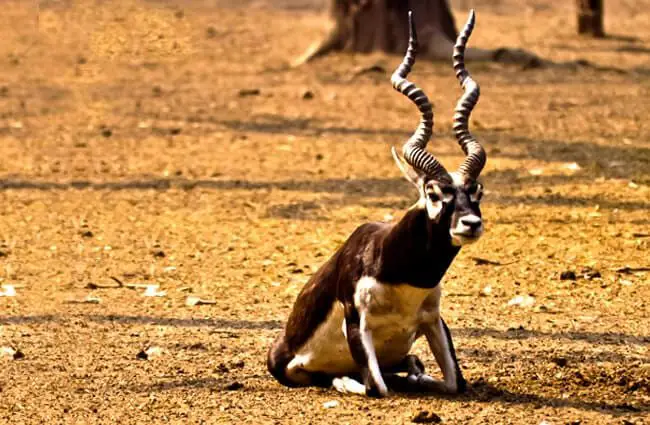
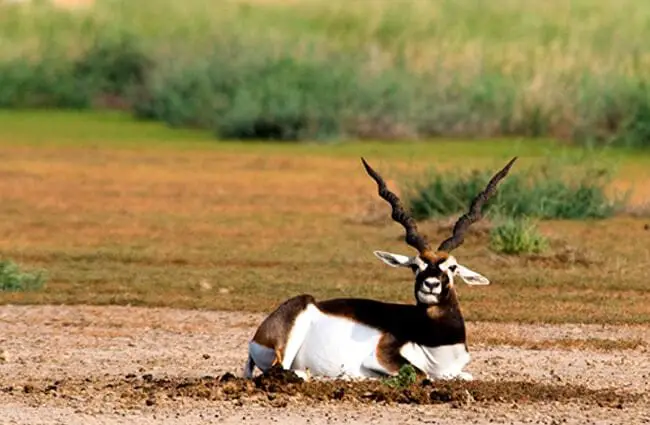
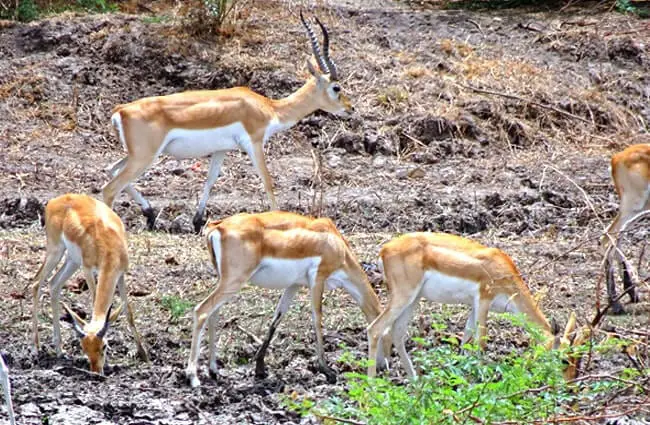
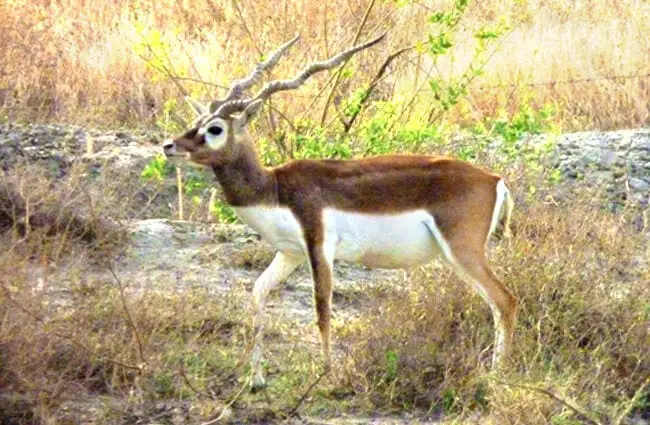
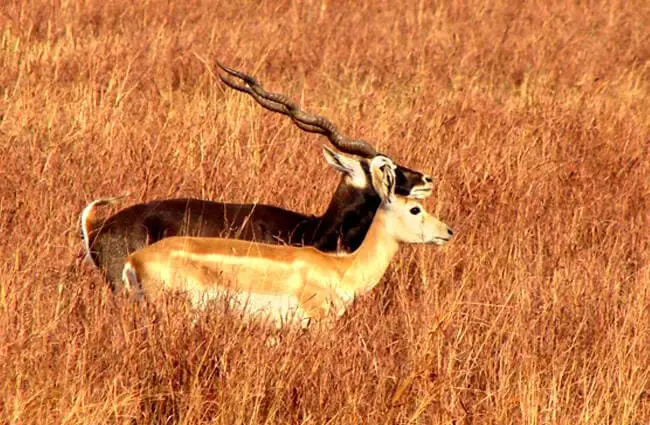
Male blackbucks are easily distinguished by their spiraled, ringed horns, which can reach lengths of up to 70 centimeters. Their coats are a dark brown to black, contrasting sharply with the white underbelly, muzzle, and eye rings. Females, known as does, are typically tan or yellowish‑brown and lack horns. Both sexes exhibit a characteristic white patch on the rump. Adult males typically weigh between 35 and 75 kilograms, while females are smaller, averaging 25 to 45 kilograms. The slender build and long legs contribute to their agility and speed, allowing them to outrun many predators.
Habitat and Distribution
Historically, blackbucks roamed across much of the Indian subcontinent, but their range has significantly reduced due to habitat loss and hunting. Today, they are primarily found in India, Nepal, and Pakistan. They prefer open grasslands, scrublands, and lightly wooded areas, often near sources of water. Blackbuck populations thrive in areas with a mix of grasses and herbs, providing both forage and cover. Several protected areas, including national parks and wildlife sanctuaries, are crucial for their conservation.
Life Cycle and Behavior
Diet and Foraging
Blackbucks are primarily grazers, feeding on grasses, leaves, herbs, and fruits. They are selective feeders, choosing nutritious plants and avoiding those with high fiber content. During the monsoon season, when grasses are abundant, they thrive on lush vegetation. In drier months, they rely on shrubs and herbs for sustenance. They obtain water from natural sources like ponds and rivers, but can also survive on the moisture content of plants.
Mating and Reproduction
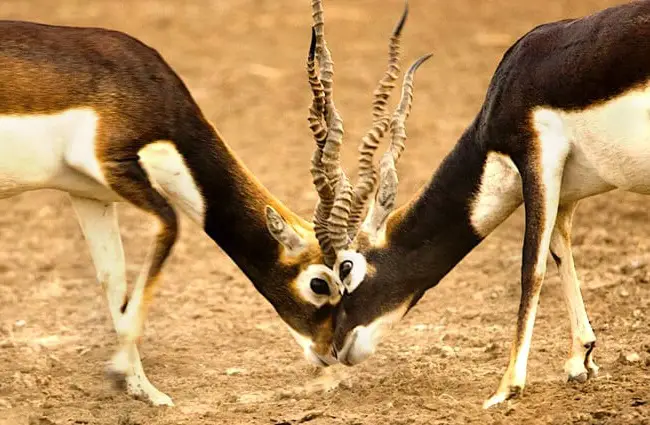
Blackbucks have a unique mating system called lekking. During the breeding season, males establish territories and display their prowess to attract females. They engage in elaborate courtship rituals, including vocalizations and displays of their horns. Males compete for dominance, often engaging in fierce battles. Females visit the lek, assess the males, and choose their mates. Gestation lasts approximately 150 to 160 days, and females typically give birth to a single fawn. Fawns are precocial, meaning they are relatively well‑developed at birth and can stand and walk shortly after. They remain hidden in dense vegetation for protection from predators and nurse from their mothers for several months.
Social Structure and Communication
Outside the breeding season, blackbucks live in herds composed of females, young, and subordinate males. Dominant males may form smaller bachelor groups. They communicate through a variety of methods, including vocalizations, scent marking, and body language. Alarm calls are used to warn the herd of approaching danger. Scent glands located on their legs play a role in communication, particularly during the breeding season.
Ecological Role and Interactions
Predators and Defense Mechanisms
Blackbucks are preyed upon by a variety of predators, including wolves, hyenas, leopards, and wild dogs. Their primary defense mechanism is speed and agility. They can run at speeds of up to 80 kilometers per hour and are adept at maneuvering through dense vegetation. They also rely on vigilance and alarm calls to alert the herd to danger. The presence of a large herd provides increased protection, as individuals can share the burden of vigilance.
Contribution to the Ecosystem
Blackbucks play an important role in maintaining the health of grassland ecosystems. Their grazing helps to control vegetation growth and promotes biodiversity. They also serve as a food source for predators, contributing to the overall food web. Their droppings help to fertilize the soil, enriching the vegetation. The presence of blackbuck populations can indicate the health and stability of a grassland ecosystem.
Blackbuck and Humans
Historical and Cultural Significance
Blackbucks have been revered in India for centuries. In ancient Hindu mythology, they were associated with Lord Krishna and were considered sacred animals. They feature prominently in art, literature, and religious ceremonies. Historically, blackbucks were hunted by royalty and nobility for sport, but this practice has declined in recent years. Today, they are a symbol of India’s rich biodiversity and cultural heritage.
Conservation Status and Threats
The blackbuck is currently listed as Near Threatened by the International Union for Conservation of Nature (IUCN). While their populations have stabilized in some areas, they continue to face numerous threats, including habitat loss, poaching, and competition with livestock. Fragmentation of habitat due to agricultural expansion and infrastructure development is a major concern. Effective conservation efforts are crucial to ensure their long‑term survival.
Conservation Measures
Conservation efforts include habitat protection and restoration, anti‑poaching patrols, community‑based conservation programs, and captive breeding programs. Establishing and managing protected areas is essential for safeguarding blackbuck populations. Engaging local communities in conservation efforts is crucial, as they often bear the brunt of human‑wildlife conflict. Raising awareness about the importance of blackbuck conservation can help garner support for these efforts.
Encountering Blackbuck in the Wild and in Captivity
What to do if you encounter Blackbuck
If you encounter blackbucks in the wild, observe them from a respectful distance. Do not approach or disturb them, especially during the breeding season. Avoid making loud noises or sudden movements. Keep your pets under control, as they may pose a threat to blackbucks. Report any signs of poaching or illegal activity to the authorities.
Caring for Blackbuck in Captivity
Zookeepers caring for blackbucks in captivity should provide them with a large, open enclosure that mimics their natural habitat. This should include ample grazing space, as well as areas for shelter and shade. A varied diet consisting of grasses, herbs, and supplemental feed should be provided. Regular veterinary care is essential to monitor their health and prevent disease. Enrichment activities, such as providing browse or puzzle feeders, can help stimulate their natural behaviors. It is crucial to avoid overstocking enclosures, as this can lead to stress and aggression.
The blackbuck remains a captivating symbol of the Indian subcontinent’s wildlife heritage. By understanding their life history, ecology, and the threats they face, we can contribute to their conservation and ensure that future generations continue to marvel at these graceful animals.
![Closeup of a beautiful Red Angus cowPhoto by: U.S. Department of Agriculture [pubic domain]https://creativecommons.org/licenses/by/2.0/](https://animals.net/wp-content/uploads/2020/03/Red-Angus-4-238x178.jpg "Red Angus")
![Closeup of a beautiful Red Angus cowPhoto by: U.S. Department of Agriculture [pubic domain]https://creativecommons.org/licenses/by/2.0/](https://animals.net/wp-content/uploads/2020/03/Red-Angus-4-100x75.jpg "Red Angus")