Few creatures evoke the primordial feel of ancient waterways quite like the Bichir. Often dubbed “living fossils,” these fascinating fish offer a glimpse into the evolutionary history of aquatic life, boasting characteristics that harken back millions of years. This guide dives into the world of Bichirs, exploring their biology, behavior, habitat, and role in both the natural world and human culture.
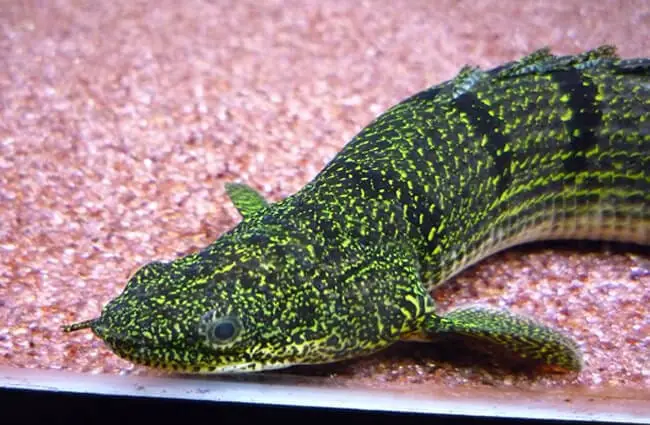
What is a Bichir?
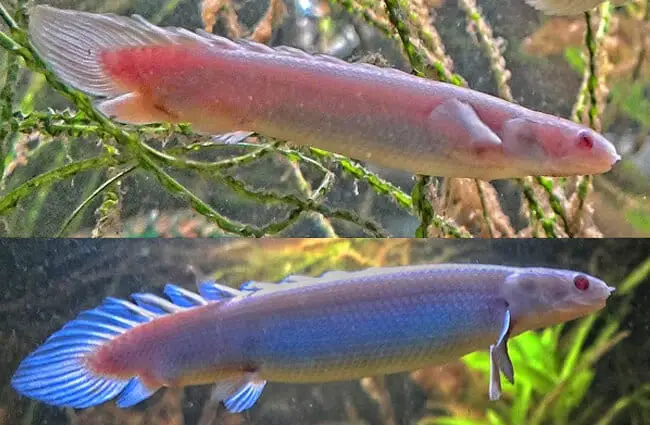
Bichirs belong to the family Polypteridae, which translates to “many wings” – a fitting name given their distinctive, rayed pectoral and pelvic fins. These fins allow Bichirs to “walk” across the substrate or even briefly venture onto land, an ability inherited from their ancient ancestors. There are several species of Bichir, varying in size and coloration, but all share this unique characteristic and a generally elongated body shape. They are freshwater fish native to Africa and are popular—though demanding—inhabitants of home aquariums.
A Glimpse into Evolutionary History
Bichirs are considered among the oldest lineages of ray‑finned fishes. Fossil records indicate that their ancestors swam in the waterways of Africa more than 100 million years ago, during the Cretaceous period. Their anatomy retains many primitive features, including a symmetrical tail (diphycercal), lung‑like swim bladders, and paired fins that resemble those of lobe‑finned fishes—the group from which terrestrial vertebrates evolved. Studying Bichirs provides valuable insights into the transition from aquatic to terrestrial life.
Habitat and Distribution
Bichirs are exclusively found in Africa, inhabiting a range of freshwater habitats. They thrive in slow‑moving rivers, swamps, floodplains, and lakes, preferring warm, murky waters with plenty of vegetation and submerged roots. Their distribution spans across much of sub‑Saharan Africa, including Nigeria, Sudan, Egypt, and the Democratic Republic of Congo. Specific species have more restricted ranges, often tied to particular river basins.
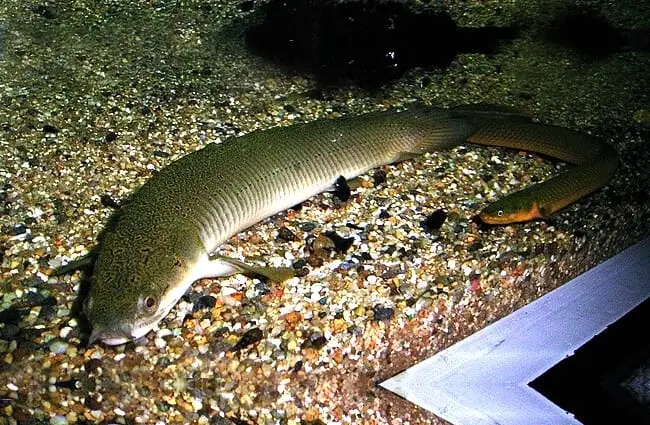
For those hoping to observe Bichirs in the wild, focus on the calmer sections of rivers and swamps during the dry season to increase the chances of a sighting. They often camouflage themselves among aquatic vegetation or hide beneath submerged debris, making them difficult to spot.
Diet and Feeding Behavior
Bichirs are opportunistic carnivores, feeding primarily on fish, crustaceans, insects, and amphibians. They are ambush predators, patiently lying in wait for prey to come within striking distance. Their slender bodies allow them to navigate through dense vegetation, and their sharp teeth ensure a secure grip on captured food. Interestingly, Bichirs can gulp air from the surface, using their swim bladder as a primitive lung to supplement their oxygen intake, especially in oxygen‑poor waters. This adaptation allows them to survive in conditions that would be fatal to most other fish.
Reproduction and Life Cycle
Bichir reproduction is influenced by water availability and seasonal flooding. Most species spawn during the rainy season when rising water levels create suitable breeding grounds in flooded vegetation. The female lays adhesive eggs among plants, and the male fertilizes them. A unique aspect of Bichir reproduction is their parental care: they guard the eggs and newly hatched fry, protecting them from predators and ensuring their survival. The fry are relatively large and well‑developed at hatching, capable of feeding on small invertebrates.
![Senegal Bichir in an aquariumPhoto by: Mitternacht90 at en.wikipedia [Public domain]](https://animals.net/wp-content/uploads/2019/08/Bichir-3-650x425.jpg)
Growth rates vary depending on the species and environmental conditions, but Bichirs can live for many years—some individuals in captivity have lived for over 25 years.
Ecological Role and Interactions
Bichirs play a crucial role in their freshwater ecosystems. As top predators of small fish and invertebrates, they help regulate population levels and maintain the balance of the food web. They are also prey for larger predators, such as crocodiles and large birds, contributing to the flow of energy through the ecosystem. Their tolerance of low oxygen levels makes them valuable indicators of environmental stress, as they can survive in conditions where other species would perish. Bichirs also interact with other fish species through competition for resources and habitat.
Bichirs and Humans
In some parts of Africa, Bichirs are considered a delicacy and are harvested for food. They are also occasionally kept as ornamental fish in aquariums, prized for their unique appearance and prehistoric charm. However, keeping Bichirs requires significant commitment and specialized knowledge, as they have specific requirements for water quality, diet, and tank size. They are not beginner‑level aquarium fish.
Encountering a Bichir in the Wild
If you encounter a Bichir while hiking or exploring near freshwater habitats in Africa, observe it from a distance. They are generally not aggressive toward humans, but it is important not to disturb their natural behavior. Avoid attempting to handle or capture them, as this can cause stress and injury to the animal. Respect their habitat and leave no trace of your visit.
Caring for Bichirs in Captivity
For zookeepers or aquarium enthusiasts, providing proper care for Bichirs requires meticulous attention to detail. A large tank—at least 180 gallons for adult specimens—with plenty of hiding places is essential. Maintaining optimal water quality, including appropriate temperature, pH, and filtration, is crucial. Their diet should consist of a variety of live or frozen foods, such as fish, shrimp, and insects. Regular monitoring of their health and behavior is also important to detect any signs of illness or stress.
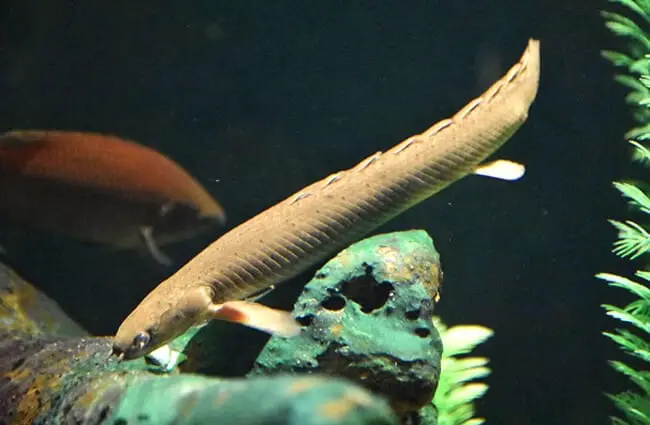
Avoid overcrowding the tank, as Bichirs can become territorial. Provide a secure lid, as they are capable of jumping. Regular water changes and thorough cleaning of the tank are essential to prevent the buildup of harmful bacteria and toxins.
Fascinating Bichir Facts
- Bichirs can “walk” on land for short distances using their pectoral fins.
- They possess a unique swim bladder that functions as a primitive lung.
- Some species can reach lengths of over 5 feet.
- They have been around for over 100 million years.
- Bichirs are primarily nocturnal predators, most active at night.
- They are surprisingly intelligent and can learn to recognize their keepers.
Bichirs stand as remarkable testaments to the enduring power of evolution. Their primitive features, unique adaptations, and fascinating behavior make them captivating subjects for scientists, aquarists, and nature enthusiasts alike. By understanding and appreciating these ancient fish, we can gain valuable insights into the history of life on Earth and the importance of conserving our planet’s biodiversity.
![Closeup of a beautiful Red Angus cowPhoto by: U.S. Department of Agriculture [pubic domain]https://creativecommons.org/licenses/by/2.0/](https://animals.net/wp-content/uploads/2020/03/Red-Angus-4-238x178.jpg "Red Angus")


![Closeup of a beautiful Red Angus cowPhoto by: U.S. Department of Agriculture [pubic domain]https://creativecommons.org/licenses/by/2.0/](https://animals.net/wp-content/uploads/2020/03/Red-Angus-4-100x75.jpg "Red Angus")