The Betta: A Jewel of the Aquatic World, From Wild Swamps to Home Aquariums
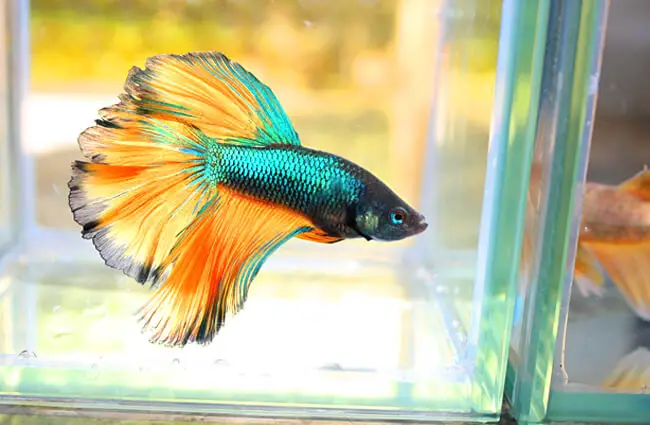
Often recognized by their flowing fins and vibrant colors, the Betta fish, scientifically known as Betta splendens, is far more than just a pretty face in a tank. This captivating creature, also famously called the Siamese fighting fish, boasts a rich history, complex behaviors, and a fascinating biology that makes it a true marvel of the natural world. From its humble origins in the shallow waters of Southeast Asia to its celebrated status in human culture, the Betta offers a window into the intricate dance of evolution and adaptation.
Unveiling the Wild Betta: Habitat and Natural Environment
To truly appreciate the Betta, one must first understand its ancestral home. Wild Bettas originate from the slow-moving, often oxygen-depleted waters of Southeast Asia, specifically countries like Thailand, Cambodia, Laos, and Vietnam. Their natural habitat includes rice paddies, floodplains, canals, and stagnant ponds. These environments are characterized by:
- Shallow Depths: Often no more than a few inches deep.
- Dense Vegetation: Abundant aquatic plants provide cover from predators and strong currents.
- Warm Temperatures: Tropical climates maintain water temperatures typically between 75-82°F (24-28°C).
- Fluctuating Conditions: These areas can experience periods of drought and heavy rainfall, leading to significant changes in water levels and quality.
- Low Oxygen Levels: The decomposition of organic matter in stagnant waters often depletes dissolved oxygen, a challenge the Betta has uniquely overcome.
An animal lover hoping to find a Betta in the wild would need to travel to these regions and search in the specific types of shallow, vegetated waters described. Observing them in their natural state requires patience and a keen eye, as their wild coloration is often more subdued than their domesticated counterparts, allowing them to blend into their surroundings.
The Betta’s Evolutionary Journey: A Breath of Fresh Air
The Betta’s ability to thrive in challenging environments is a testament to its remarkable evolutionary adaptations. The most significant of these is the presence of a specialized organ known as the labyrinth organ. This unique respiratory structure, located in the fish’s head, allows the Betta to directly breathe atmospheric oxygen. This adaptation was crucial for survival in their native habitats, where water can become severely deoxygenated, especially during dry seasons.
This evolutionary advantage means that while Bettas are aquatic, they are not entirely dependent on dissolved oxygen in the water, unlike many other fish species. They regularly surface to gulp air, a behavior that is both fascinating to observe and vital for their survival. The development of the labyrinth organ places Bettas within the suborder Anabantoidei, often referred to as “labyrinth fish,” a group that includes gouramis and paradise fish, all sharing this incredible adaptation.
What’s on the Menu? The Betta’s Diet
In the wild, Bettas are primarily carnivorous, opportunistic predators. Their diet consists mainly of small invertebrates found in their aquatic environment. This includes:
- Insect larvae (such as mosquito larvae)
- Small crustaceans
- Zooplankton
- Worms
- Other small aquatic insects
Their upturned mouths are perfectly adapted for feeding on the surface, where many of these prey items reside. They are not scavengers and require a diet rich in protein to thrive. For a zookeeper caring for a Betta in captivity, this means providing a high-quality, varied diet. Recommended foods include:
- High-quality Betta pellets or flakes specifically formulated for carnivorous fish.
- Frozen or freeze-dried bloodworms, brine shrimp, and daphnia as treats or supplements.
- Live foods like mosquito larvae or small worms, if available and safe, to mimic their natural diet and stimulate hunting instincts.
Overfeeding should be avoided, as it can lead to digestive issues and poor water quality. Small, frequent feedings are generally preferred.
The Dance of Life: Mating and Reproduction
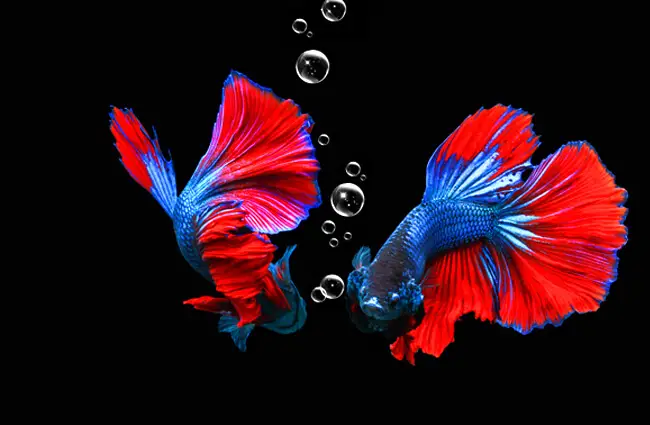
Betta reproduction is a captivating and intricate process, primarily driven by the male’s elaborate courtship display and construction of a bubble nest. This behavior is a hallmark of many labyrinth fish.
- Courtship: The male Betta initiates courtship by flaring his fins and gills, displaying his vibrant colors to attract a female. If receptive, the female will respond by darkening her colors and displaying vertical stripes, indicating readiness to spawn.
- Bubble Nest Construction: Prior to spawning, the male meticulously builds a “bubble nest” at the water’s surface, often anchored to floating vegetation. He does this by gulping air and blowing mucus-coated bubbles, creating a protective raft for the eggs.
- Spawning Embrace: The male then wraps his body around the female in a “nuptial embrace,” gently squeezing her to release eggs. As the eggs are released, they are fertilized by the male.
- Egg Collection and Placement: The eggs, being heavier than water, sink. The male, and sometimes the female, will diligently collect the eggs in their mouths and deposit them into the bubble nest. This process can be repeated many times over several hours, resulting in hundreds of eggs.
- Parental Care: After spawning, the female is typically chased away by the male, as he becomes fiercely protective of the nest. The male Betta takes sole responsibility for guarding the eggs, constantly maintaining the bubble nest and retrieving any fallen eggs.
- Hatching and Fry Care: The eggs hatch within 24-48 hours. The tiny fry remain in the nest, feeding on their yolk sacs for a few days. The male continues to guard them until they are free-swimming and able to fend for themselves, usually after 3-5 days. At this point, the male’s parental duties conclude, and he may even view the fry as food.
Betta’s Role in the Ecosystem and Interactions with Other Animals
In their natural habitat, Bettas play a vital role within their ecosystem. As small, carnivorous fish, they contribute to the control of insect populations, particularly mosquito larvae, which can be beneficial in areas where mosquito-borne diseases are prevalent. This makes them a natural form of pest control.
Their interactions with other animals are typical of a small predator and prey species:
- Predators: Bettas are prey for larger fish, birds, snakes, and even some amphibians. Their ability to hide in dense vegetation and their quick darting movements are crucial for evading these threats.
- Prey: Their diet consists of smaller invertebrates, as mentioned, making them a part of the food web that transfers energy from primary consumers to higher trophic levels.
- Competition: They compete with other small fish species for food resources and territory, especially in their often-crowded natural environments.
- Symbiotic Relationships: While not extensively documented for specific symbiotic relationships, their presence contributes to the overall biodiversity and health of the wetland ecosystems they inhabit.
A hiker encountering a Betta in the wild should observe from a respectful distance, appreciating its natural behavior without disturbing its habitat or attempting to interact directly with the fish. Maintaining the integrity of its environment is paramount.
The Betta and Humanity: Culture, Conflict, and Companionship
The Betta’s interaction with humans has a long and complex history, evolving from traditional practices to modern pet ownership.
- Historical Fighting Fish: For centuries, Bettas were bred and kept in Thailand (formerly Siam) for their aggressive nature and fighting prowess. These “fighting fish” were a popular form of entertainment, with wagers placed on the outcomes of their battles. This selective breeding for aggression is how they earned the moniker “Siamese fighting fish.”
- Ornamental Fish Trade: In the 19th century, Bettas were introduced to the Western world, initially as curiosities and later as popular aquarium fish. Selective breeding shifted from aggression to aesthetics, resulting in the astonishing variety of colors, fin shapes, and patterns seen today. This cultural shift transformed them from combatants to living jewels.
- Contribution to Human Culture: Beyond their role as pets, Bettas have inspired art, literature, and even scientific research into animal behavior and genetics. Their vibrant appearance makes them a muse for photographers and artists, while their complex social dynamics offer insights for ethologists.
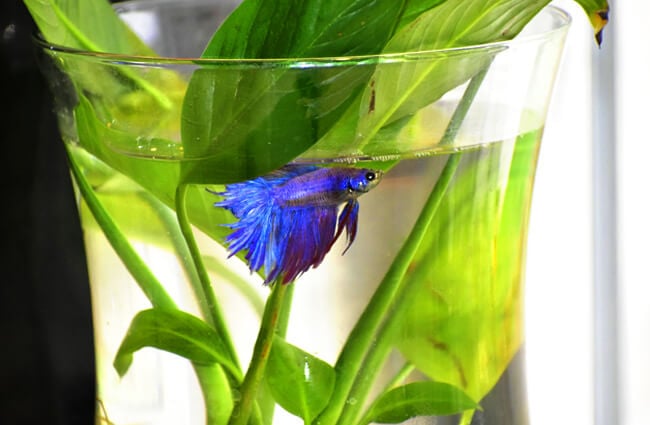
- Responsible Pet Ownership: Today, Bettas are among the most popular aquarium fish globally. However, their popularity has sometimes led to misconceptions about their care. The practice of keeping them in tiny bowls or vases, often marketed with plants, is detrimental to their health and well-being. These environments are far too small, lack proper filtration, and do not provide adequate space or stimulation.
For a zookeeper or dedicated Betta enthusiast, providing optimal captive care involves:
- Tank Size: A minimum of 5 gallons (preferably 10 gallons or more) for a single Betta.
- Water Parameters: Stable temperature (75-82°F / 24-28°C), pH 6.5-7.5, and regular water changes to maintain pristine conditions.
- Filtration: A gentle filter (sponge filter or baffled hang-on-back filter) is essential, as strong currents stress Bettas.
- Decorations: Plenty of hiding spots and resting places, such as live or silk plants, caves, and smooth driftwood. Avoid sharp decorations that can tear their delicate fins.
- Social Interaction: Bettas are generally solitary and highly territorial, especially males. They should typically be housed alone. While “Betta sororities” (groups of females) can sometimes work in very large, heavily planted tanks with careful monitoring, it is not recommended for beginners. Males should never be housed together or with other male labyrinth fish.
- Health Monitoring: Regular observation for signs of illness, such as fin rot, lethargy, loss of appetite, or changes in color. A varied, high-quality diet and clean water are the best preventative measures.
Fascinating Facts About Betta Fish
The world of Bettas is full of intriguing details:
- Color Changing: Bettas can change the intensity of their colors based on mood, health, and environmental factors. A stressed or sick Betta may appear dull, while an excited or healthy one will display vibrant hues.
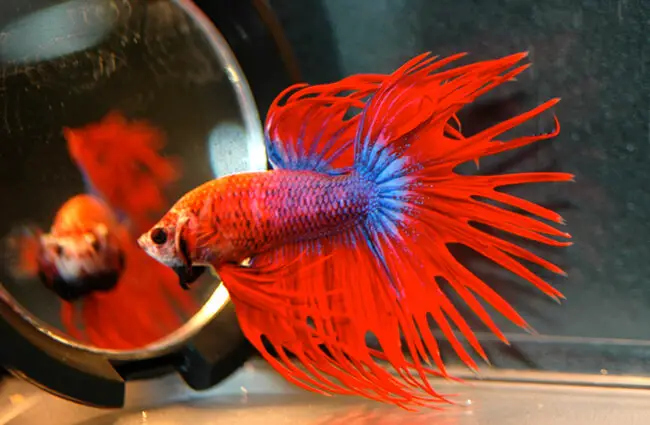
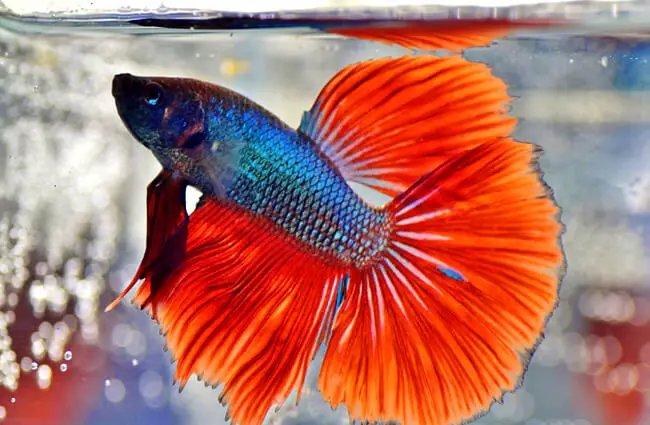
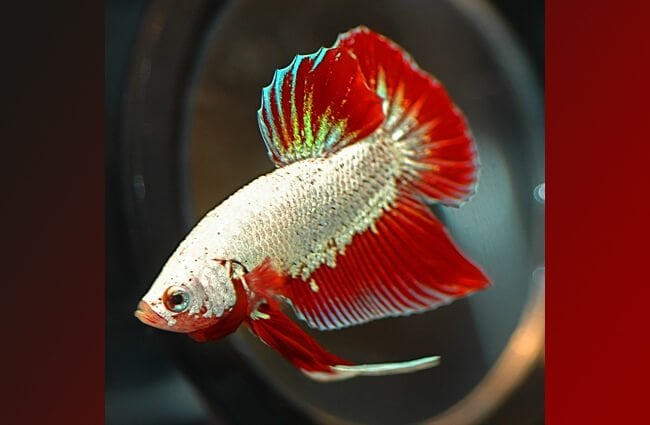
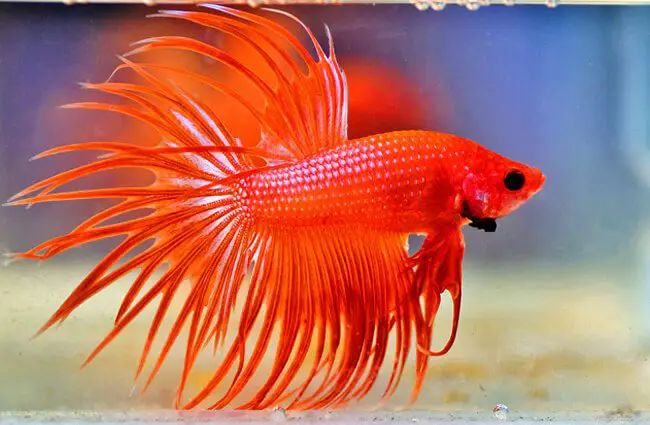
- Fin Variety: Through selective breeding, an incredible array of fin types has been developed, including Veil Tail, Crowntail, Halfmoon, Plakat, Delta, and Super Delta, each with its unique beauty.
- Aggression is Primarily Male: While females can be territorial, the extreme aggression for which Bettas are famous is predominantly a male trait, especially towards other males.
- Hearing: Bettas possess a lateral line system, which helps them detect vibrations and movements in the water, aiding in hunting and avoiding predators.
- Lifespan: With proper care, Bettas can live for 3-5 years, sometimes even longer, in captivity.
- Intelligence: Bettas are known to recognize their owners and can even be trained to perform simple tricks, such as following a finger or swimming through hoops.
- Sleep Patterns: Bettas do sleep, often resting motionless at the bottom or surface of the tank, sometimes even wedged into plants or decorations.
Conclusion: A Legacy of Resilience and Beauty
From the murky, oxygen-poor waters of Southeast Asia to the carefully curated environments of modern aquariums, the Betta fish stands as a testament to nature’s ingenuity. Its evolutionary adaptations, complex behaviors, and stunning beauty have captivated humans for centuries. Understanding the Betta’s natural history and specific needs is not just about responsible pet ownership; it is about appreciating a truly unique creature that has carved out its niche in the world, both wild and domesticated. Whether you are a student researching its biology, an aspiring zoologist studying its behavior, or simply an admirer of its vibrant display, the Betta offers endless opportunities for discovery and wonder.
![Closeup of a beautiful Red Angus cowPhoto by: U.S. Department of Agriculture [pubic domain]https://creativecommons.org/licenses/by/2.0/](https://animals.net/wp-content/uploads/2020/03/Red-Angus-4-238x178.jpg "Red Angus")
![Closeup of a beautiful Red Angus cowPhoto by: U.S. Department of Agriculture [pubic domain]https://creativecommons.org/licenses/by/2.0/](https://animals.net/wp-content/uploads/2020/03/Red-Angus-4-100x75.jpg "Red Angus")