The twilight chorus of the forest holds many secrets, but few are as captivating as the distinctive call of the Barred Owl. Often described as sounding like, “Who cooks for you? Who cooks for you all?” this vocalization is a hallmark of North America’s woodlands and a delightful invitation into the world of one of our most charismatic nocturnal predators. From its striking appearance to its complex ecological role, the Barred Owl offers a wealth of fascinating insights for anyone curious about the natural world.
Join us as we delve deep into the life of Strix varia, exploring everything from its preferred haunts to its interactions with other species and even humans. Whether you are a budding ornithologist, a student researching wildlife, or simply an admirer of these magnificent birds, prepare to be enlightened by the wonders of the Barred Owl.
Meet the Barred Owl: An Introduction to a Forest Dweller
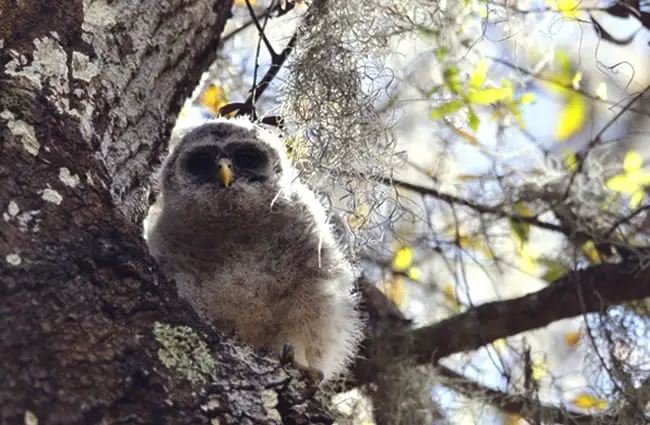
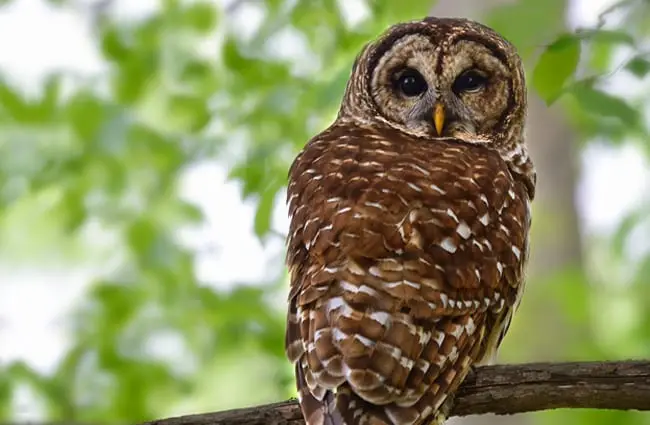
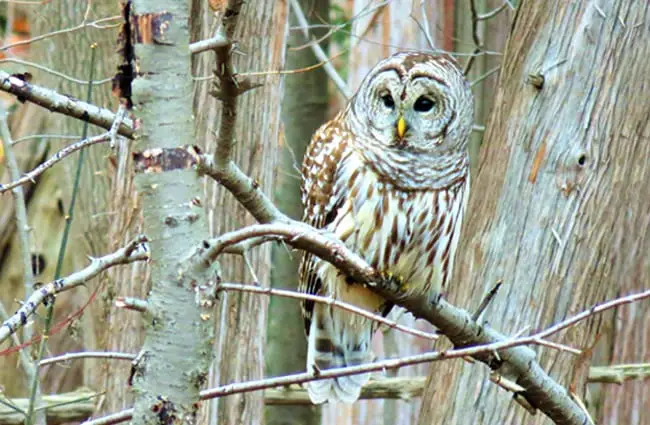
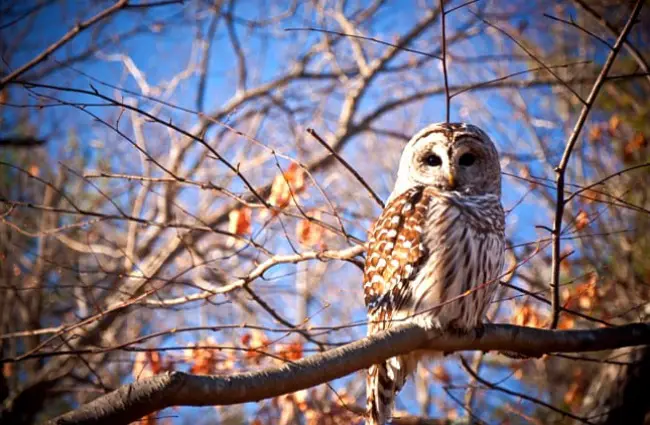
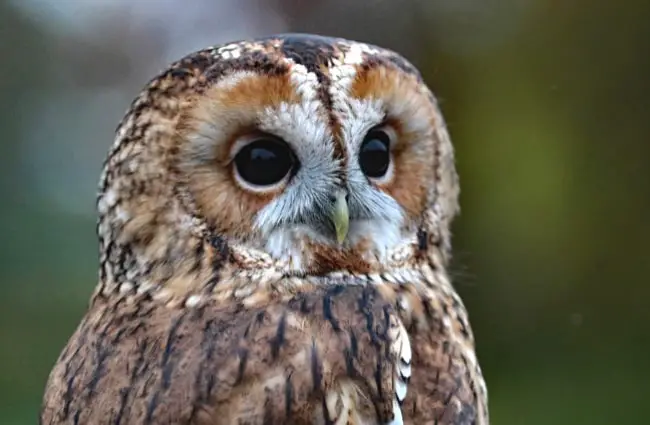
The Barred Owl is a medium-sized, stocky owl with a large, rounded head and no ear tufts. Its plumage is a beautiful mosaic of browns and whites, featuring vertical streaking on the belly and horizontal barring on the chest, which gives the species its common name. Unlike many owls, the Barred Owl possesses dark brown eyes, giving it a gentle, soulful expression that contrasts with the piercing yellow eyes of many other owl species. Adults typically measure between 17 and 24 inches in length with a wingspan of 38 to 49 inches, making them a substantial presence in the forest canopy.
These owls are primarily nocturnal, though they are often active during the day, especially at dawn and dusk, or on cloudy days. Their presence is most often revealed by their distinctive hooting call, which can carry through the dense forest, announcing their territory and presence.
Where to Find Them: Barred Owl Habitat and Distribution
Barred Owls are creatures of the forest, preferring dense, mature woodlands with a mix of deciduous and coniferous trees. They are particularly fond of areas near water sources, such as swamps, river bottoms, and riparian zones, where the canopy is thick and provides ample cover for roosting and nesting. The presence of large, old trees with cavities is crucial for their nesting success.
Historically, the Barred Owl was primarily an inhabitant of eastern North America, ranging from southeastern Canada down to Florida and west to eastern Texas. However, in recent decades, this species has undergone a significant range expansion, moving westward across the Great Plains and into the Pacific Northwest. This expansion is attributed to factors such as habitat changes, including the maturation of forests in previously open areas, and potentially a reduction in competition or predation from other large raptors.
The Barred Owl’s Menu: What Do They Eat?
As opportunistic predators, Barred Owls have a diverse diet, reflecting the availability of prey in their varied habitats. Their keen hearing and excellent night vision make them formidable hunters. Small mammals form the bulk of their diet, including voles, mice, shrews, squirrels, rabbits, and even opossums. They are also adept at catching birds, from songbirds to grouse, and will readily consume amphibians such as frogs and salamanders, and reptiles like snakes and lizards. In aquatic environments, they have been observed preying on fish and crayfish. Insects, too, can supplement their diet, particularly larger beetles and moths.
This varied diet highlights their adaptability and their crucial role in maintaining the balance of their ecosystems by controlling populations of various small animals.
A Deeper Dive: Ecology and Life History
For those seeking a more comprehensive understanding, the Barred Owl’s life history and ecological interactions offer fascinating insights into avian biology and conservation.
Evolutionary Journey and Range Expansion
The Barred Owl’s evolutionary history is marked by its remarkable and relatively recent westward expansion. While the species has long been established in eastern North America, its push into western North America, particularly the Pacific Northwest, is a phenomenon that has captured the attention of ornithologists. This expansion is thought to be facilitated by human-altered landscapes, such as the planting of trees in previously treeless areas and fire suppression, which allowed forests to mature and connect, creating suitable corridors for the owls. This westward movement has brought the Barred Owl into direct competition with the threatened Spotted Owl (Strix occidentalis), leading to complex ecological challenges and conservation concerns for the latter species.
Mating, Nesting, and Raising Young
Barred Owls are monogamous and typically form long-term pair bonds. The breeding season usually begins in late winter or early spring, with courtship involving elaborate hooting duets and mutual preening. They do not build their own nests but instead utilize natural tree cavities, abandoned nests of other large birds such as hawks or crows, or even artificial nest boxes. The female typically lays 2 to 4 white, spherical eggs. Incubation, primarily performed by the female, lasts about 28 to 33 days.
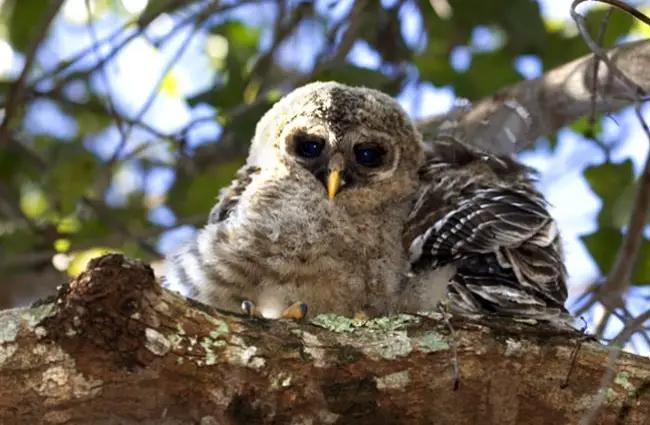
Once hatched, the owlets are altricial, meaning they are helpless and dependent on their parents. Both parents participate in feeding the young, with the male often bringing food to the female, who then feeds the owlets. The young fledge, or leave the nest, at about 4 to 5 weeks of age, but they remain dependent on their parents for several more weeks, learning essential hunting and survival skills before dispersing to establish their own territories.
Ecosystem Contributions and Interspecies Interactions
As apex predators in their niche, Barred Owls play a vital role in their ecosystems. By preying on small mammals and other animals, they help regulate populations, contributing to the overall health and balance of the forest. Their presence indicates a healthy, mature forest ecosystem.
Interactions with other animals are varied:
- Prey: Small mammals, birds, amphibians, reptiles, and insects.
- Competitors: Other raptors, particularly Great Horned Owls, which are larger and can sometimes prey on Barred Owls. The aforementioned competition with Spotted Owls in the west is a significant ecological issue.
- Predators: Great Horned Owls are the primary natural predators of adult Barred Owls. Raccoons and snakes may prey on eggs and owlets in nests.
Barred Owls and Humans: Coexistence and Care
Our interactions with wildlife are always a delicate balance, and the Barred Owl is no exception. Understanding how to observe them respectfully and what to do in specific situations is key to fostering a positive relationship with these magnificent birds.
Finding Barred Owls in the Wild: Tips for Animal Lovers
For those eager to experience the magic of a Barred Owl encounter, patience and a keen understanding of their habits are essential. Here’s how to increase your chances:
- Listen for Their Call: The “Who cooks for you? Who cooks for you all?” call is unmistakable. Listen for it at dusk, dawn, or even during cloudy days. Once you hear it, try to pinpoint the direction.
- Target the Right Habitat: Focus your search on dense, mature forests, especially those near water sources like rivers, swamps, or lakes. Look for large trees with dense canopies.
- Look for Roosting Spots: During the day, Barred Owls often roost quietly in dense foliage, close to the trunk of a tree. Look for “whitewash” (droppings) on the ground below a tree, or regurgitated pellets, which indicate a regular roosting spot.
- Be Patient and Quiet: Owls have excellent hearing. Move slowly and quietly, and avoid sudden movements. Binoculars are invaluable for observing them without disturbance.
- Respect Their Space: If you find an owl, maintain a respectful distance. Do not try to approach too closely or disturb them, especially if they are nesting.
What to Do if You Encounter a Barred Owl (for Hikers)
Encountering a Barred Owl in the wild is a truly special experience. Here’s how to ensure it’s positive for both you and the owl:
- Observe from a Distance: The most important rule is to give the owl space. Do not approach it, especially if it appears to be nesting or has young.
- Stay Calm and Quiet: Avoid loud noises or sudden movements that could startle the bird.
- Do Not Feed It: Never offer food to a wild owl. This can habituate them to humans, leading to dependency and potential harm.
- If an Owl Appears Aggressive: While rare, a nesting owl might swoop close to deter perceived threats. If this happens, slowly back away from the area. Do not wave your arms or try to hit the owl.
- Injured or Distressed Owl: If you find an owl that appears injured, sick, or entangled, do not attempt to help it yourself. Contact a local wildlife rehabilitator or animal control agency immediately.
Barred Owls in Human Culture
While not as prominent in folklore as some other owl species, the Barred Owl contributes to human culture through its evocative presence in nature. Its distinctive call is often featured in nature documentaries and soundscapes, symbolizing the wild, untamed beauty of North American forests. Birdwatchers and nature photographers actively seek them out, celebrating their beauty and unique behaviors. For many, the Barred Owl represents the mystery and wisdom often associated with owls, inspiring a deeper connection to the natural world and a desire for conservation.
Caring for Barred Owls in Captivity: A Zookeeper’s Guide
Caring for a Barred Owl in a zoological setting requires specialized knowledge and dedication to replicate its natural environment and meet its complex needs. Here are key considerations for zookeepers:
- Enclosure Design:
- Size: Provide a spacious aviary that allows for flight and exercise. Dimensions should be generous, allowing for natural behaviors.
- Perching: Offer a variety of perches at different heights and diameters, mimicking natural branches. Include both horizontal and vertical elements.
- Shelter: Ensure ample sheltered areas, including natural tree cavities or artificial nest boxes, for roosting, nesting, and protection from weather.
- Substrate: Use natural substrates like wood chips, leaf litter, or sand to promote natural foraging behaviors and hygiene.
- Water: Provide a clean, shallow water source for drinking and bathing.
- Diet:
- Variety: A captive diet must mimic their natural varied prey. This includes rodents (mice, rats), chicks, and occasionally fish or insects.
- Whole Prey: Offer whole prey items to ensure complete nutrition and to provide enrichment through dissection.
- Supplementation: Consult with a veterinary nutritionist to ensure proper calcium and vitamin supplementation, especially for growing birds or breeding pairs.
- Feeding Schedule: Feed typically once a day, often in the evening, to align with their natural activity patterns.
- Enrichment:
- Foraging: Hide food items to encourage natural hunting behaviors.
- Sensory: Introduce new scents, sounds (e.g., recordings of forest sounds), or visual stimuli.
- Physical: Provide branches for shredding, toys, or puzzle feeders.
- Social: If housed in a pair, ensure compatibility and monitor interactions.
- Health Monitoring:
- Daily Checks: Observe appetite, activity levels, droppings, and general demeanor.
- Regular Vet Checks: Schedule routine veterinary examinations, including weight checks, physical exams, and fecal analyses.
- Feather Condition: Monitor feather health, as poor feather condition can indicate nutritional deficiencies or stress.
- What to Avoid:
- Over-handling: Minimize direct handling to reduce stress.
- Inconsistent Diet: Avoid feeding only one type of prey, which can lead to nutritional deficiencies.
- Sterile Environments: Do not keep owls in barren enclosures lacking enrichment or natural elements.
- Loud Noises/Sudden Movements: Maintain a calm and predictable environment around the enclosure.
- Inappropriate Perches: Avoid perches that are too smooth, too narrow, or of uniform diameter, as this can lead to foot problems.
Fascinating Facts About the Barred Owl
Here is a collection of intriguing tidbits about these captivating birds:
- Distinctive Call: The Barred Owl’s “Who cooks for you? Who cooks for you all?” call is one of the most recognizable sounds of the North American forest. They have up to 13 different calls.
- Dark Eyes: Unlike most other owl species in North America, Barred Owls have dark brown eyes, giving them a unique and often perceived “friendly” appearance.
- Diurnal Activity: While primarily nocturnal, Barred Owls are more likely to be seen hunting during the day than many other owl species, especially on overcast days.
- Opportunistic Hunters: Their diet is incredibly varied, ranging from small mammals and birds to frogs, snakes, and even fish and crayfish.
- Nocturnal Fishermen: Barred Owls are one of the few owl species known to regularly fish, wading into shallow water or snatching fish from the surface.
- Range Expansion: They have significantly expanded their range westward over the last century, moving into areas previously occupied by Spotted Owls.
- Nest Robbers: They do not build their own nests, preferring to use abandoned nests of other large birds or natural tree cavities.
- Long Lifespan: In the wild, Barred Owls can live for 10 to 15 years, and even longer in captivity, sometimes reaching over 20 years.
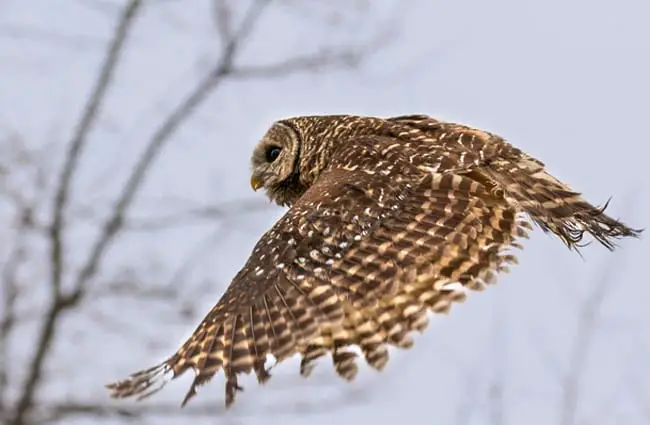
- Silent Flight: Like most owls, their specialized feather structure allows for nearly silent flight, making them incredibly effective ambush predators.
- Territorial Calls: Their hooting calls serve not only for communication but also to mark and defend their territories from other owls.
Conclusion: The Enduring Allure of the Barred Owl
The Barred Owl, with its haunting call and captivating presence, is more than just another bird in the forest. It is a testament to the intricate beauty and delicate balance of nature. From its recent evolutionary journey across the continent to its vital role in the ecosystem, this species offers endless opportunities for study and appreciation. Whether you are a seasoned zoologist, an eager student, or simply someone who enjoys the quiet majesty of the wild, the Barred Owl invites us all to listen closely, observe carefully, and cherish the wonders that thrive in our shared natural world.
![Closeup of a beautiful Red Angus cowPhoto by: U.S. Department of Agriculture [pubic domain]https://creativecommons.org/licenses/by/2.0/](https://animals.net/wp-content/uploads/2020/03/Red-Angus-4-238x178.jpg "Red Angus")
![Closeup of a beautiful Red Angus cowPhoto by: U.S. Department of Agriculture [pubic domain]https://creativecommons.org/licenses/by/2.0/](https://animals.net/wp-content/uploads/2020/03/Red-Angus-4-100x75.jpg "Red Angus")