The Ghost of the Night: Unveiling the Enigmatic Barn Owl
Imagine a silent hunter, a pale specter gliding through the moonlit landscape, its heart-shaped face a beacon in the darkness. This is the Barn Owl, a creature of profound beauty and remarkable adaptation that has captivated human imagination for centuries. From ancient barns to open fields, this avian marvel plays a crucial role in ecosystems worldwide, a testament to its evolutionary success. Join us on a journey to uncover the secrets of Tyto alba, a species that truly embodies the wild spirit of the night.
Who Are the Barn Owls? A Glimpse into Their World
Physical Characteristics: Nature’s Masterpiece of Stealth
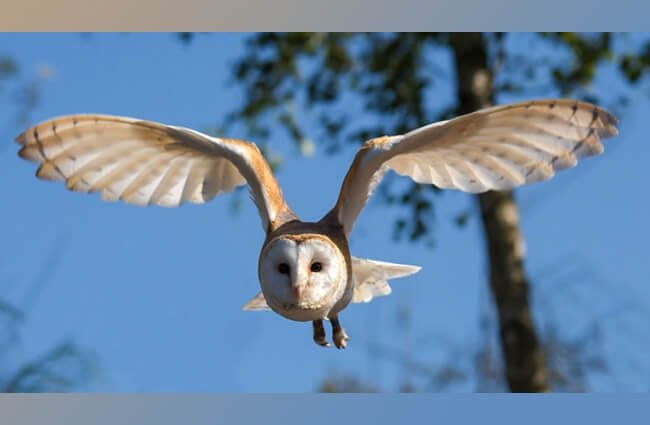
The Barn Owl is instantly recognizable by its distinctive appearance. Its most striking feature is the heart-shaped facial disc, a parabolic reflector that funnels sound to its ears, aiding in its unparalleled auditory hunting. Plumage typically ranges from a pale, almost pure white underside to a golden-buff or rusty-brown back, often speckled with fine grey and black markings. These variations can lead to different subspecies appearing more reddish or whiter, depending on their geographic location.
Measuring about 32 to 40 centimeters (13 to 16 inches) in length with a wingspan of 100 to 125 centimeters (39 to 49 inches), Barn Owls are medium-sized owls. Their light build, combined with specialized serrations on their flight feathers, allows for incredibly silent flight, making them virtually undetectable to their prey. Their eyes are relatively small for an owl, but their vision is excellent in low light, though their hearing is their primary hunting tool in complete darkness.
Global Wanderers: Barn Owl Habitats and Distribution
One of the most widespread land birds on Earth, the Barn Owl boasts a nearly cosmopolitan distribution, found on every continent except Antarctica. This remarkable global presence speaks volumes about its adaptability. Barn Owls thrive in open country, including grasslands, farmlands, marshes, and even suburban areas, preferring habitats with a good supply of small mammal prey and suitable nesting sites.
Their name, “Barn Owl,” is no coincidence. These birds frequently nest and roost in human-made structures such as old barns, abandoned buildings, church steeples, and even haystacks. Beyond human structures, they also utilize natural cavities like tree hollows, cliff crevices, and riverbanks. The availability of safe, sheltered nesting and roosting sites is a critical factor in their local distribution, making them a familiar sight in many agricultural landscapes.
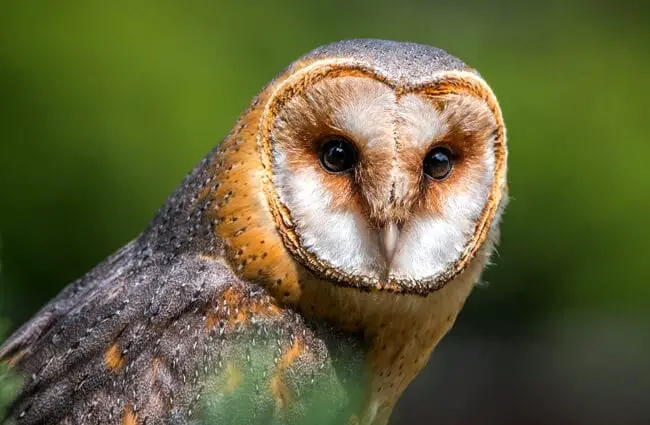
A Hunter’s Life: Diet and Predation
The Barn Owl is a highly efficient nocturnal predator, specializing in hunting small mammals. Its diet consists predominantly of voles, shrews, mice, and other rodents, making it an invaluable natural pest controller for farmers. On occasion, they may also consume small birds, insects, or amphibians, but these form a minor part of their diet.
Their hunting strategy is a marvel of natural engineering. Flying low over fields, often in a characteristic wavering flight pattern, they use their acute hearing to pinpoint prey hidden beneath vegetation or snow. The asymmetrical placement of their ears, with one slightly higher than the other, allows them to triangulate the exact location of a sound source with astonishing precision. Once a target is identified, the owl descends swiftly and silently, snatching its unsuspecting prey with powerful talons. After consuming their prey whole, Barn Owls regurgitate indigestible parts, such as bones and fur, in the form of compact pellets, which are a treasure trove for researchers studying their diet.
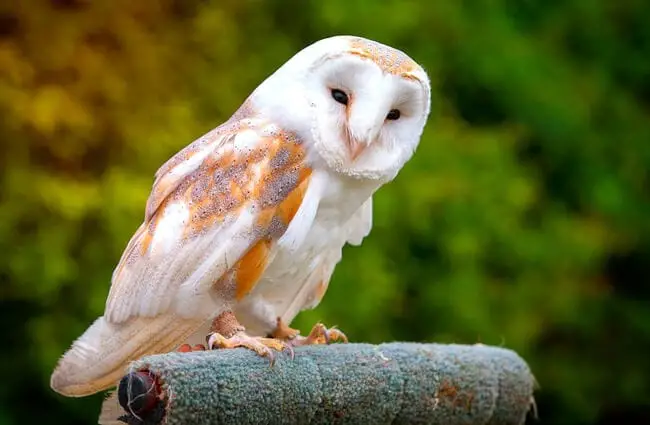
The Circle of Life: Mating, Reproduction, and Family
Barn Owls typically form monogamous pairs, though some instances of polygyny have been observed. Courtship involves aerial displays, mutual preening, and the male presenting food to the female. Breeding can occur year-round in tropical regions, but in temperate zones, it is usually concentrated from spring to late summer, often with two broods per year if food is abundant.
The female lays a clutch of 2 to 18 white, oval eggs directly onto the floor of the nest cavity, without building an elaborate nest structure. Incubation, primarily by the female, lasts about 30 to 34 days. The young, known as owlets, are altricial, meaning they are born helpless, blind, and covered in sparse down. The male provides food for the female and young during this period. As the owlets grow, both parents hunt tirelessly to feed their rapidly developing offspring. Fledging occurs at around 50 to 70 days, but the young remain dependent on their parents for several more weeks, honing their hunting skills before dispersing to find their own territories.
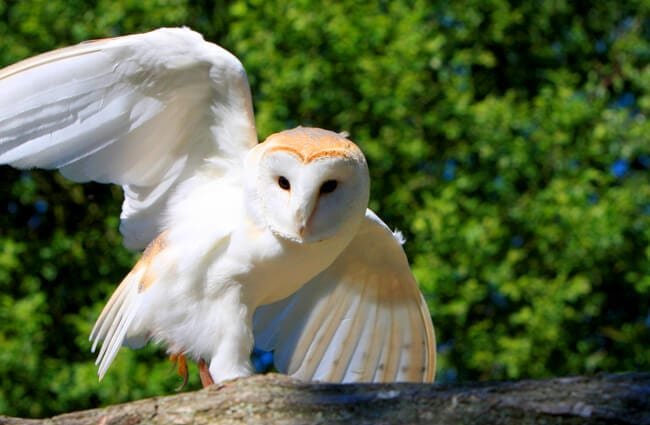
Barn Owls in the Ecosystem: Nature’s Pest Control
The Barn Owl’s contribution to its ecosystem is profoundly significant, primarily through its role as a top-tier predator of small mammals. By consuming thousands of rodents annually, Barn Owls provide an invaluable natural pest control service, helping to regulate rodent populations that can otherwise cause extensive damage to crops and stored grains. This ecological service reduces the need for chemical rodenticides, benefiting both the environment and human health.
Their interaction with other animals is largely defined by their predatory role. While they are apex predators of their primary prey, Barn Owls themselves can become prey for larger raptors like Great Horned Owls, eagles, or even large mammalian predators, particularly when young or vulnerable. They generally do not compete directly with other nocturnal predators for food due to their specialized hunting techniques and preferred prey, thus fitting neatly into the intricate web of life.
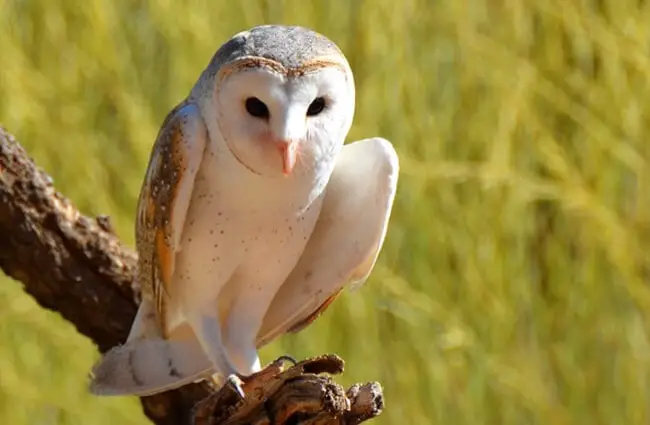
Barn Owls and Humanity: A Shared History
Cultural Significance: Whispers in the Night
Throughout history, the Barn Owl has held a complex and often contradictory place in human culture. Its nocturnal habits, silent flight, and haunting calls have led to its association with mystery, wisdom, and sometimes, ill omens or death in various folklore traditions. In some cultures, owls were revered as symbols of knowledge and foresight, while in others, their appearance was feared as a harbinger of misfortune. The Barn Owl’s distinctive appearance, particularly its pale face and silent demeanor, has contributed to its “ghost owl” moniker, weaving it into countless tales and superstitions across continents.
Coexistence and Conservation: Our Role
Human interaction with Barn Owls is multifaceted. Historically, their presence in barns was often welcomed for their pest control abilities. However, modern agricultural practices, including the use of pesticides and the conversion of traditional barns, have posed significant challenges. Habitat loss, particularly the destruction of old buildings and natural nesting sites, along with secondary poisoning from rodenticides, are major threats. Road mortality is also a concern, as owls often hunt along roadsides where prey is abundant.
Conservation efforts are crucial for the continued survival of Barn Owl populations. These include the installation of artificial nest boxes in suitable habitats, which have proven highly successful in providing safe breeding sites. Promoting sustainable farming practices that reduce pesticide use and preserve natural habitats also benefits these owls. Educating the public about the ecological value of Barn Owls encourages coexistence and fosters a greater appreciation for these magnificent birds.
Spotting the Ghost: Tips for Wildlife Enthusiasts
For animal lovers hoping to catch a glimpse of a Barn Owl in the wild, patience and a keen eye are essential. Barn Owls are primarily nocturnal, so the best time to look is at dusk or dawn. Focus your search on open country, farmlands, and areas with old barns or abandoned buildings. Look for signs of their presence, such as white droppings (whitewash) on ledges or walls, and especially owl pellets, which are regurgitated undigested parts of their prey. Listening for their distinctive hissing or screeching calls, rather than the hooting associated with other owl species, can also help locate them. Remember to observe from a distance using binoculars, causing no disturbance to these sensitive creatures.
Encountering a Barn Owl: What to Do
If you are a hiker or simply enjoying the outdoors and encounter a Barn Owl, the most important rule is to observe from a respectful distance. Do not approach the bird, attempt to feed it, or make loud noises that could startle it. If the owl appears injured or distressed, do not attempt to handle it yourself. Instead, contact your local wildlife rehabilitation center or animal control agency immediately. They have the expertise and equipment to safely assist the bird. Your responsible actions can make a significant difference in the well-being of wildlife.
Caring for Captive Barn Owls: A Zookeeper’s Guide
Caring for Barn Owls in captivity requires specialized knowledge and dedication to ensure their welfare. Zookeepers must provide an enclosure that is spacious, secure, and mimics their natural habitat as much as possible, offering ample perching opportunities at various heights and textures. A sheltered roosting area is crucial for privacy and security. The diet should consist of whole prey items, such as mice, rats, and chicks, supplemented with appropriate vitamins and minerals to prevent nutritional deficiencies. Food should be offered daily, typically in the evening, and uneaten portions removed promptly.
Environmental enrichment is vital for captive Barn Owls to stimulate natural behaviors and prevent boredom. This can include varied feeding methods, puzzle feeders, different perches, and occasional introduction of novel objects. Regular health checks, including monitoring weight, appetite, and droppings, are essential. Handling should be minimized to reduce stress, and when necessary, performed calmly and efficiently with appropriate protective gear. For breeding programs, providing a suitable nest box and ensuring a quiet, undisturbed environment are key to success. Maintaining detailed records of diet, health, and behavior is paramount for long-term care and scientific understanding.
Fascinating Facts About Barn Owls
- Silent Hunters: Barn Owls possess specialized flight feathers with serrated edges and a velvety surface, allowing them to fly almost completely silently, a crucial adaptation for ambushing prey.
- Aural Acuity: Their asymmetrical ear openings, one higher than the other, enable them to pinpoint the exact location of prey in complete darkness with incredible precision, creating a three-dimensional sound map.
- Rodent Control Experts: A single Barn Owl family can consume thousands of rodents in a year, making them highly effective natural pest controllers.
- Pellet Power: Barn Owls regurgitate indigestible parts of their prey, such as bones, fur, and feathers, in compact pellets. These pellets are invaluable to scientists for studying their diet and local ecosystem health.
- Global Reach: The Barn Owl is one of the most widely distributed land birds in the world, found on every continent except Antarctica, showcasing its remarkable adaptability to diverse environments.
- Lifespan Variations: While Barn Owls in the wild typically live for 1 to 2 years, individuals in captivity can live for 15 to 20 years or even longer under optimal care.
- Not a “Screech Owl”: Despite their common, eerie calls, Barn Owls are not “screech owls.” True screech owls belong to a different genus, Megascops. Barn Owls are known for their hisses, snores, and a distinctive, drawn-out screech.
- Facial Disc Function: The heart-shaped facial disc acts like a satellite dish, collecting and funneling sound waves to their ears, enhancing their auditory perception.
- Egg Laying Strategy: Females lay eggs asynchronously, meaning they lay them over several days, resulting in chicks of different ages and sizes within the same brood. This strategy helps ensure that at least some chicks survive if food becomes scarce.
- Nocturnal Vision: While their hearing is paramount, Barn Owls also possess excellent low-light vision, allowing them to navigate and hunt effectively during twilight and moonlit nights.
Conclusion: Guardians of the Night
The Barn Owl, with its ghostly appearance and silent flight, is far more than just a beautiful bird. It is a vital component of ecosystems worldwide, a natural pest controller, and a testament to the power of evolutionary adaptation. Understanding its biology, behavior, and ecological role not only enriches our appreciation for the natural world but also underscores our responsibility in its conservation. By protecting their habitats, reducing pesticide use, and providing safe nesting sites, we ensure that the haunting beauty of the Barn Owl continues to grace our nights for generations to come. These guardians of the night are a living legacy, reminding us of the intricate balance of nature and our place within it.
![Closeup of a beautiful Red Angus cowPhoto by: U.S. Department of Agriculture [pubic domain]https://creativecommons.org/licenses/by/2.0/](https://animals.net/wp-content/uploads/2020/03/Red-Angus-4-238x178.jpg "Red Angus")
![Closeup of a beautiful Red Angus cowPhoto by: U.S. Department of Agriculture [pubic domain]https://creativecommons.org/licenses/by/2.0/](https://animals.net/wp-content/uploads/2020/03/Red-Angus-4-100x75.jpg "Red Angus")