Unveiling the World of the Baldpate
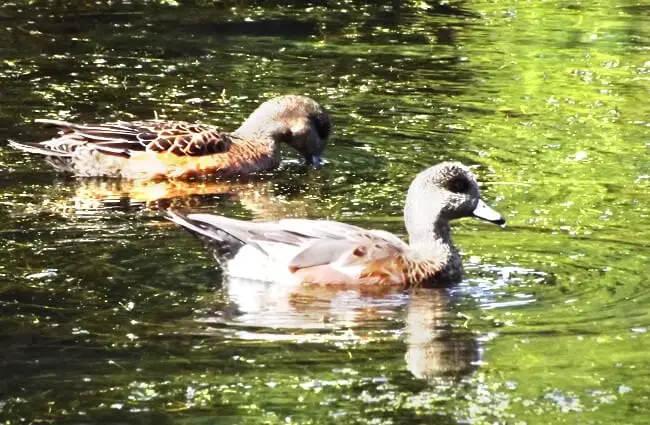
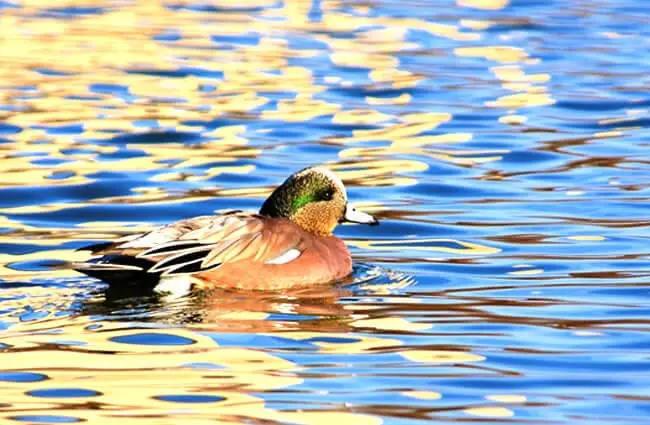
The name “Baldpate” evokes a rather curious image. However, this moniker doesn’t refer to a hairless creature, but to a strikingly handsome duck scientifically known as the American Wigeon (Mareca americana). This bird, a member of the dabbling duck family, is a familiar sight across North America, celebrated for its beauty, adaptable nature, and intriguing behaviors. This comprehensive guide dives deep into the life of the Baldpate, from its habitat and diet to its complex mating rituals and its role within the ecosystem.
Habitat and Distribution
Baldpates are widespread, breeding across western and central North America, from Alaska and Canada down to the western United States. Their breeding grounds favor open wetlands, including marshes, prairies, and grasslands near ponds and lakes. These areas provide ample foraging opportunities and safe nesting sites. During the non‑breeding season, Baldpates migrate south, wintering in the southern United States, Mexico, and parts of Central America. They can be found in a variety of aquatic habitats during these months, including estuaries, coastal marshes, and large lakes.
Their adaptability allows them to thrive in both freshwater and brackish environments. The presence of lush vegetation is crucial, offering both food and cover. Understanding their preferred habitats is key for both birdwatchers hoping to spot them and conservationists working to protect their populations.
Evolutionary History
The evolutionary lineage of the American Wigeon, like that of all ducks, traces back to early waterfowl that emerged during the Paleogene period. Over the last 20 million years, these birds diversified, adapting to various ecological niches. The Wigeon, belonging to the Anatinae subfamily, shares a common ancestor with other dabbling ducks, such as the Mallard and the Gadwall.
Fossil evidence suggests that the ancestors of modern Wigeons likely originated in North America. Over time, they evolved specialized features, such as a broad, flat bill adapted for grazing on vegetation and strong legs for efficient walking and foraging on land. Genetic studies continue to refine our understanding of the Wigeon’s evolutionary relationships and the factors that have shaped its unique characteristics.
Diet and Foraging Behavior
The Baldpate is predominantly herbivorous, feeding on aquatic and terrestrial vegetation. They are particularly fond of grasses, sedges, and agricultural crops. Unlike some ducks that dive for food, Baldpates are dabblers, tipping their bodies forward to reach submerged vegetation or grazing on land.
A fascinating aspect of the Baldpate’s diet is its habit of “pasturing” on lawns and golf courses. They meticulously graze on the tender blades of grass, often following behind grazing animals like cattle to feed on freshly cropped vegetation. This behavior can sometimes lead to conflicts with landowners, but it highlights their remarkable adaptability and foraging efficiency.
Mating and Reproduction
Baldpates are generally monogamous, forming pair bonds that may last for one or more breeding seasons and sometimes for life. The mating season begins in early spring, with males displaying elaborate courtship rituals to attract females. These displays involve head‑pumping, whistling calls, and impressive aerial maneuvers. Males may also engage in competitive displays, chasing each other or engaging in brief skirmishes to establish dominance.
Once a pair bond is formed, the female selects a nesting site, typically a depression in the ground concealed among vegetation. She lines the nest with down feathers and plant material, creating a comfortable and insulated chamber for her eggs. A clutch usually consists of 6 to 12 eggs, which the female incubates for around 23 to 25 days.
Ducklings are precocial, meaning they are relatively well‑developed at hatching and can walk and feed themselves shortly after emerging from the egg. The female diligently protects and guides her brood, leading them to foraging areas and shielding them from predators. Ducklings fledge, or develop their flight feathers, at around 40 to 50 days old.
Ecological Role and Interactions
Baldpates play a vital role in wetland ecosystems. As herbivores, they help to control vegetation growth, preventing overgrowth and maintaining habitat diversity. Their foraging activities also contribute to nutrient cycling, enriching the soil and promoting plant growth. They serve as prey for various predators, including foxes, coyotes, hawks, and eagles, contributing to the food web’s stability.
They often coexist with other waterfowl species, such as Mallards, Canada Geese, and Teal. While they generally exhibit a degree of tolerance toward other ducks, competition for food and nesting sites can occur, especially during peak breeding seasons. They can also influence vegetation patterns, impacting the habitats available to other animals.
Baldpates and Humans
Historically, Baldpates were hunted for their meat and feathers. While hunting regulations have helped to stabilize their populations, habitat loss remains a significant threat. Wetland drainage for agriculture, urbanization, and infrastructure development has reduced their breeding and wintering grounds.
Conservation efforts focus on protecting and restoring wetlands, implementing sustainable land management practices, and regulating hunting activities. Birdwatchers and nature enthusiasts can contribute by supporting conservation organizations, advocating for wetland protection, and responsibly enjoying these magnificent birds in their natural habitat.
Interesting Facts
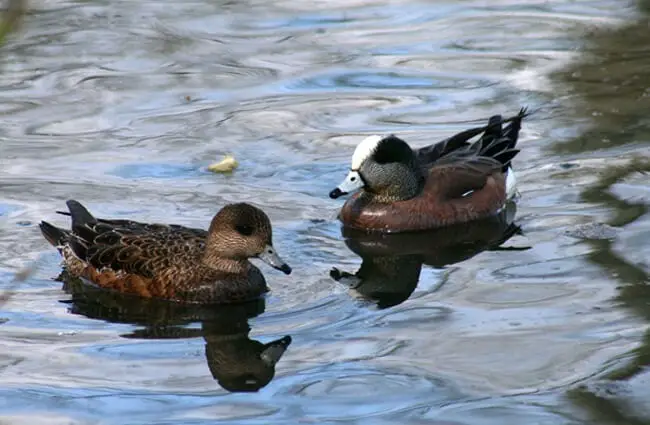
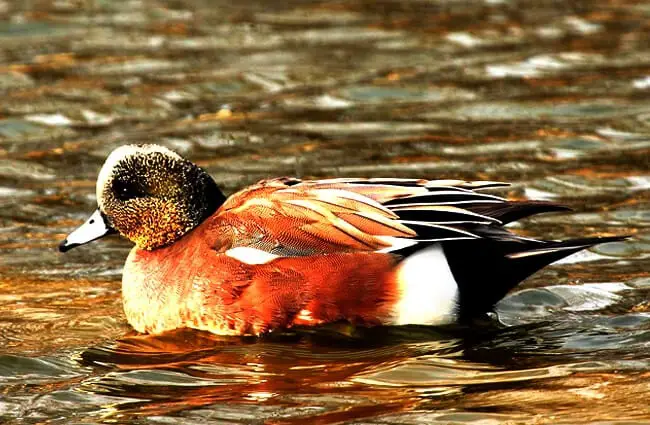
- The name “Baldpate” comes from the distinctive white patch on the male’s head.
- Baldpates are strong fliers, capable of migrating long distances.
- They are known for their graceful and agile flight maneuvers.
- Baldpates have a unique vocalization, a high‑pitched whistle that can be heard over long distances.
- They are often among the first ducks to arrive on breeding grounds in the spring.
Encountering a Baldpate in the Wild
If you encounter a Baldpate in the wild, observe it from a respectful distance. Avoid approaching too closely or disturbing its natural behavior. If you are near a nest, give it a wide berth to avoid causing stress to the female and her eggs. Report any injured or distressed birds to your local wildlife rehabilitation center. Remember to appreciate these beautiful creatures responsibly, ensuring their continued survival for generations to come.
Caring for Baldpates in Captivity
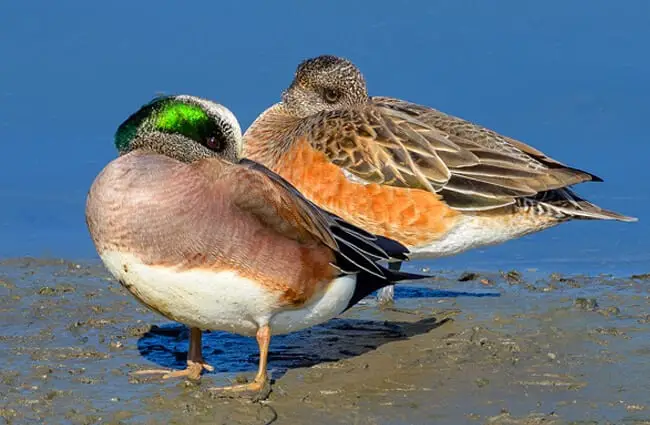
For zookeepers and wildlife rehabilitators caring for Baldpates in captivity, a species‑appropriate diet is crucial. This includes a mix of waterfowl feed, chopped greens, and aquatic vegetation. Providing ample swimming water and a secure, spacious enclosure is essential for their physical and mental well‑being. Enrichment activities, such as foraging opportunities and social interaction with other ducks, can help to stimulate their natural behaviors and prevent boredom. Regular veterinary checkups are vital to monitor their health and address any potential medical issues. It’s also important to minimize human contact to avoid habituation and stress.
The Baldpate, a symbol of wetland beauty and resilience, continues to captivate birdwatchers, researchers, and nature enthusiasts alike. By understanding its biology, behavior, and ecological role, we can better appreciate this remarkable duck and work toward ensuring its long‑term survival.
![Closeup of a beautiful Red Angus cowPhoto by: U.S. Department of Agriculture [pubic domain]https://creativecommons.org/licenses/by/2.0/](https://animals.net/wp-content/uploads/2020/03/Red-Angus-4-238x178.jpg "Red Angus")
![Closeup of a beautiful Red Angus cowPhoto by: U.S. Department of Agriculture [pubic domain]https://creativecommons.org/licenses/by/2.0/](https://animals.net/wp-content/uploads/2020/03/Red-Angus-4-100x75.jpg "Red Angus")