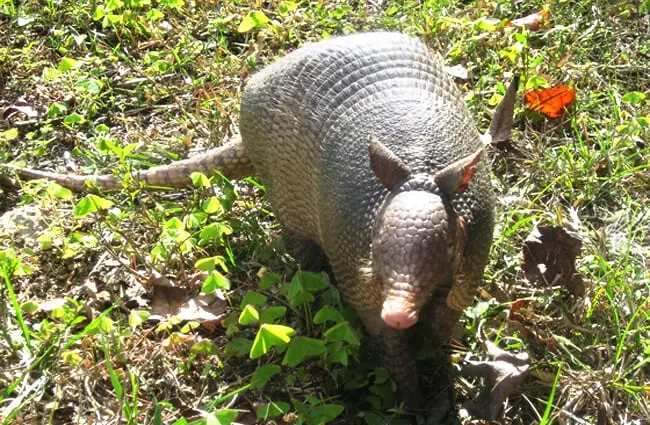
Armadillos, those uniquely armored mammals, possess a charm and resilience that has captivated observers for centuries. Often seen scurrying through undergrowth or rooting for insects, these creatures are far more complex and fascinating than their simple appearance suggests. This comprehensive guide delves into the world of armadillos, exploring their evolution, behavior, ecology, and interactions with both the natural world and humankind.
Understanding the Armadillo
The name “armadillo” comes from the Spanish word for “little armored one,” a fitting description for these creatures whose leathery armor plates, known as osteoderms, cover their backs. These plates are embedded within their skin and provide substantial protection against predators and harsh environments. But armadillos are not simply walking tanks; they are adaptable survivors with a rich history and a surprisingly important role in their ecosystems.
Evolutionary History and Diversity
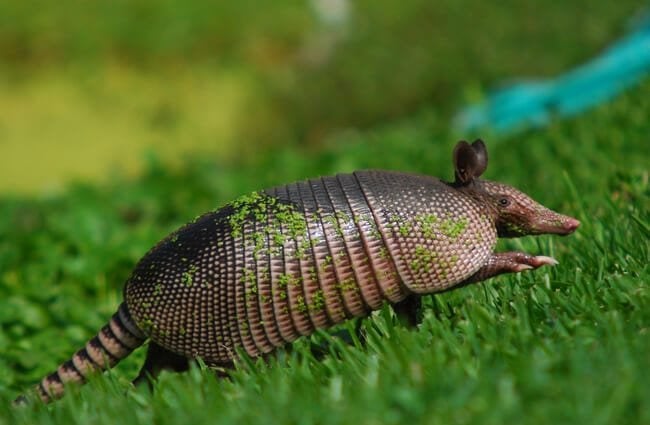
The evolutionary story of armadillos begins in the Paleocene epoch, around 56 million years ago, in South America. They are part of the Xenarthra order, a group that also includes sloths and anteaters, all sharing unique vertebral characteristics. Early armadillos were larger than many modern species, some exceeding the size of a large dog. Over millions of years, they diversified, with numerous species evolving to fill various ecological niches. Today, 21 species of armadillos exist, ranging in size and habitat preference. The nine-banded armadillo is the most widespread, extending its range as far north as the United States.
Habitat and Distribution
Armadillos are native to the Americas, with the highest concentration of species found in South America. Their habitats are incredibly diverse, ranging from grasslands and rainforests to scrublands and semi-deserts. The nine-banded armadillo, however, is remarkably adaptable and has expanded its range significantly, becoming established in the southeastern United States. They favor areas with loose soil suitable for burrowing, often found near water sources. They construct burrows for shelter and raising young, and these burrows can be quite elaborate, sometimes with multiple entrances and chambers.
Diet and Foraging Behavior
Armadillos are primarily insectivores, with their diet consisting largely of insects, grubs, and invertebrates. They use their keen sense of smell to locate prey, often digging with their powerful claws to unearth hidden insects. However, their diet is not limited to insects. They also consume fruits, seeds, fungi, and occasionally small vertebrates. They are primarily crepuscular and nocturnal, meaning they are most active during dawn, dusk, and nighttime hours. This behavior helps them avoid the heat of the day and reduce the risk of predation.
Reproduction and Life Cycle
The reproductive strategies of armadillos vary depending on the species. The nine-banded armadillo usually gives birth to a single young, although twins are occasionally observed. This is because the female carries one developing embryo at a time. Gestation periods vary but are generally around 58 days. Young armadillos, known as pups, are born with soft skin and unformed armor. The armor begins to harden within a few weeks. Pups remain with their mother for several months, learning essential foraging and survival skills.
Ecological Role and Interactions
Armadillos play a crucial role in their ecosystems. Their burrowing activities help aerate the soil and contribute to nutrient cycling. They also serve as prey for various predators, including coyotes, bobcats, and foxes. Their foraging habits help control insect populations. Interestingly, they can also disperse fungal spores, contributing to fungal diversity. They often share their burrows with other animals, providing shelter for reptiles, birds, and other mammals.
Armadillos and Humans
Historically, armadillos were hunted for food and their armor, but today habitat loss and road mortality pose the greatest threats to many species. In some areas, they are considered agricultural pests due to their burrowing habits. However, they are also valued for their role in controlling insect populations. In certain cultures, they hold symbolic significance and feature in folklore and art. Their unique anatomy has also made them subjects of medical research.
Encountering Armadillos in the Wild
If you encounter an armadillo in the wild, it’s best to observe it from a distance. They are generally shy creatures and will likely retreat if approached too closely. Do not attempt to handle or feed them. If you encounter an armadillo near a road, exercise caution and be aware of its unpredictable movements. If you find an injured or orphaned armadillo, contact a local wildlife rehabilitation center for assistance.
Armadillo Care in Captivity
Caring for armadillos in captivity requires specialized knowledge and facilities. They need spacious enclosures with soft substrate for burrowing and ample space for foraging. Their diet should be varied and include insects, fruits, and vegetables. Maintaining appropriate temperature and humidity levels is crucial. Regular veterinary care is essential to monitor their health and prevent disease. Enrichment activities, such as puzzle feeders and digging areas, can help stimulate their natural behaviors. It’s important to provide a quiet and secure environment to minimize stress.
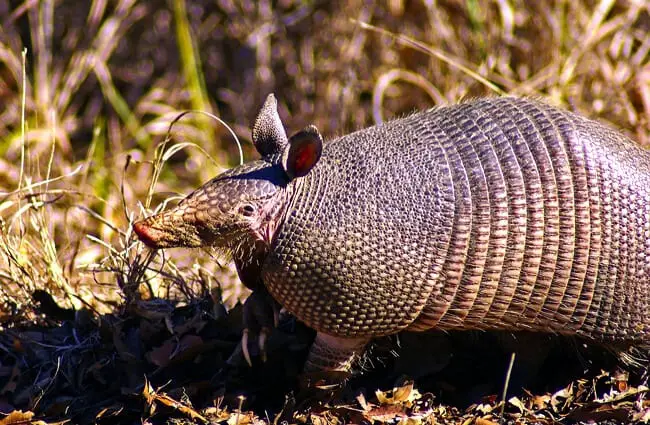
Interesting Armadillo Facts
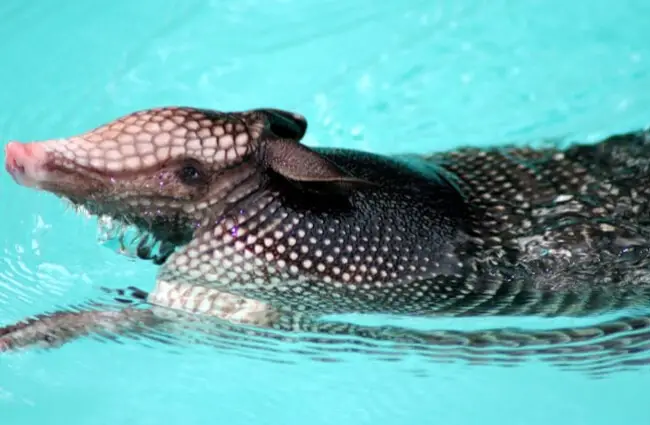
- Some armadillo species can float! They inflate their intestines with air to increase buoyancy.
- They have poor eyesight but a very keen sense of smell.
- Their body temperature is relatively low compared to other mammals.
- The pink fairy armadillo is the smallest species, measuring only about 4 to 5 inches in length.
- Armadillos are found in a variety of habitats, from rainforests to grasslands.
- They are related to sloths and anteaters.
- The nine-banded armadillo is the most common species in the United States.
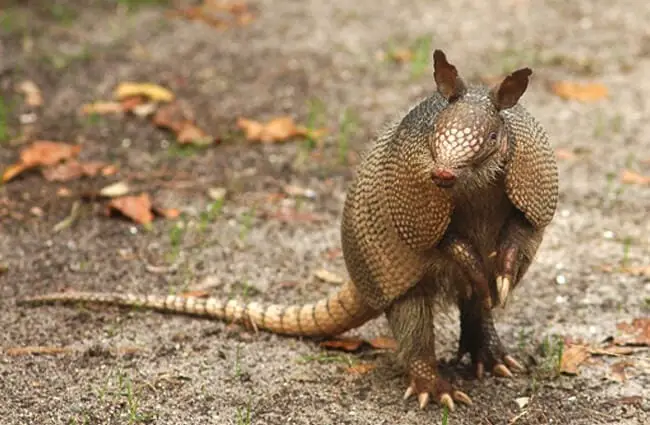
Armadillos represent a remarkable example of adaptation and resilience. Their unique armor, intriguing behaviors, and ecological importance make them captivating creatures worthy of our attention and conservation efforts. By understanding these fascinating mammals, we can appreciate their role in the natural world and ensure their survival for generations to come.
![Closeup of a beautiful Red Angus cowPhoto by: U.S. Department of Agriculture [pubic domain]https://creativecommons.org/licenses/by/2.0/](https://animals.net/wp-content/uploads/2020/03/Red-Angus-4-238x178.jpg "Red Angus")


![Closeup of a beautiful Red Angus cowPhoto by: U.S. Department of Agriculture [pubic domain]https://creativecommons.org/licenses/by/2.0/](https://animals.net/wp-content/uploads/2020/03/Red-Angus-4-100x75.jpg "Red Angus")