
Angelfish: The Aquatic Angels of the Amazon and Beyond
Among the myriad wonders of the aquatic world, few creatures capture the human imagination quite like the Angelfish. With their distinctive, disc-shaped bodies, flowing fins, and serene demeanor, these fish truly live up to their celestial name. Often gracing the tanks of aquarists worldwide, Angelfish are far more than just beautiful pets; they are fascinating subjects of study, embodying complex behaviors and ecological roles within their natural habitats. From the murky depths of the Amazon basin to the vibrant coral reefs, these elegant swimmers offer a captivating glimpse into the intricate tapestry of aquatic life.
What Exactly Are Angelfish?
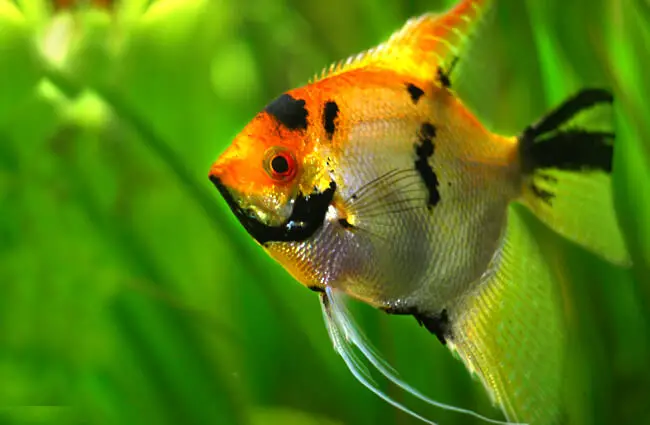
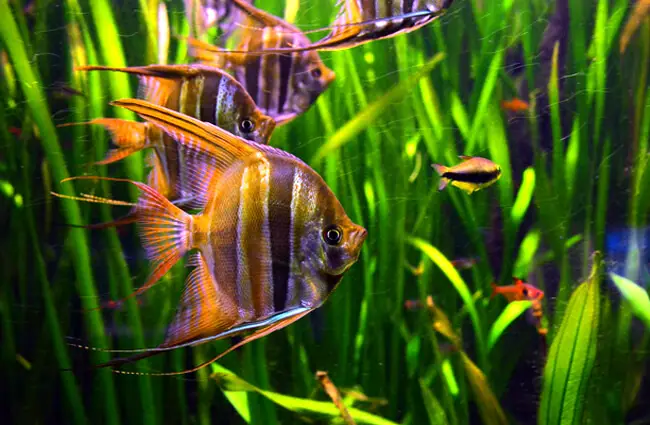
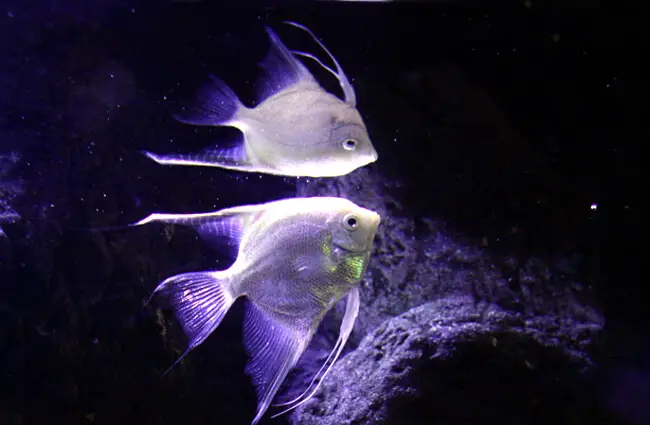
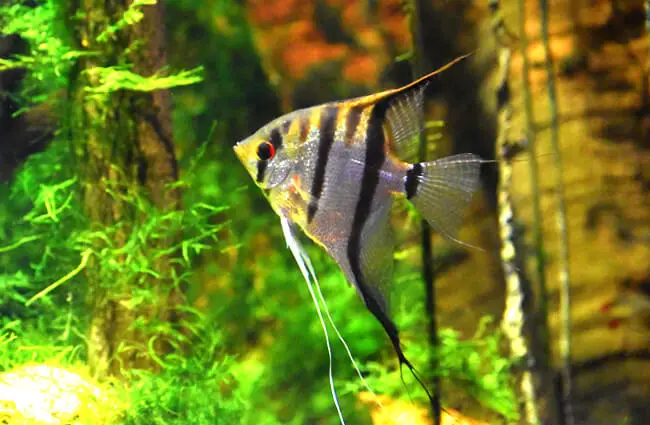
The term “Angelfish” broadly refers to two distinct groups of fish, both renowned for their striking appearance. The most commonly recognized are the freshwater Angelfish, belonging to the genus Pterophyllum within the Cichlidae family. These are the iconic, tall-finned beauties frequently seen in home aquariums. Their bodies are laterally compressed, giving them a narrow profile when viewed head-on, an adaptation that allows them to navigate dense vegetation with ease. They possess long, flowing dorsal and anal fins, often extending into graceful streamers, and elongated pelvic fins that act like delicate feelers.
Marine Angelfish, on the other hand, belong to the family Pomacanthidae. While sharing the “angelfish” moniker due to their similar graceful appearance and compressed bodies, they are distinct species inhabiting coral reefs. This article will primarily focus on the freshwater Angelfish, the true “angels” of the Amazon, unless otherwise specified.
Where Do Angelfish Live? Unveiling Their Natural Habitat
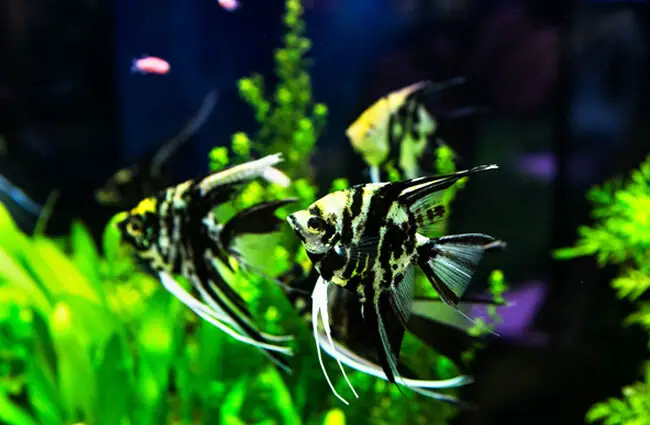
Freshwater Angelfish are native to the tropical waters of South America, primarily found in the Amazon River basin and its tributaries. Their preferred habitats are typically slow-moving, warm, and often acidic waters. These environments include:
- Flooded Forests: During the rainy season, vast areas of the Amazon rainforest become submerged, creating a labyrinth of underwater trees and roots. Angelfish thrive here, using the vertical structures for camouflage and shelter.
- Swamps and Marshes: Areas with dense vegetation provide ample hiding spots from predators and a rich source of food.
- Clear and Blackwater Rivers: While they can be found in various river types, they often prefer blackwater rivers, which are characterized by their tea-stained appearance due to decaying vegetation, leading to lower pH levels.
To find Angelfish in the wild, an animal lover would need to venture into these specific regions of South America. Look for areas with submerged roots, fallen branches, and dense aquatic plants, often in calmer sections of rivers or oxbow lakes. Their narrow profile makes them masters of camouflage among vertical structures, so keen observation is key.
The Diet of the Angelfish: What Sustains These Aquatic Beauties?
In their natural environment, Angelfish are opportunistic omnivores with a strong carnivorous inclination. Their diet is varied and depends heavily on the availability of food sources within their specific habitat. A typical wild Angelfish diet includes:
- Small Invertebrates: This forms a significant portion of their diet, including insect larvae, small crustaceans, and worms.
- Zooplankton: Microscopic animals drifting in the water column are a readily available food source.
- Small Fish: Angelfish are known to prey on smaller fish, especially fry, when the opportunity arises. Their predatory instincts are quite pronounced.
- Plant Matter: While not their primary food source, they will occasionally graze on algae or other soft plant material.
This diverse diet ensures they obtain all necessary nutrients to thrive in their complex ecosystems.
Evolutionary Journey: Tracing the Angelfish Lineage
Angelfish, as members of the Cichlidae family, share a common ancestry with a vast and diverse group of freshwater fish. Cichlids are renowned for their rapid speciation and adaptability, particularly evident in the Great Lakes of Africa. While Angelfish inhabit a different continent, their evolutionary success in the Amazon basin is a testament to the cichlid lineage’s ability to exploit various ecological niches.
Their distinctive body shape, with its extreme lateral compression and elongated fins, is a specialized adaptation for navigating dense aquatic vegetation and avoiding predators. This morphology allows them to blend seamlessly with the vertical lines of submerged roots and plant stems, making them incredibly difficult to spot. Over millennia, natural selection has refined these traits, leading to the elegant and efficient swimmers we observe today.
Mating and Reproduction: A Dance of Devotion
Angelfish exhibit fascinating reproductive behaviors, forming monogamous pairs that display strong parental care. The process begins with courtship, where a male and female will select each other, often engaging in fin-flaring and gentle nudging. Once a pair has bonded, they will choose a suitable spawning site, which can be a broad leaf, a flat rock, or even a piece of submerged wood. Both parents meticulously clean the chosen surface in preparation.
The female then lays a line of adhesive eggs, often numbering in the hundreds, which the male immediately fertilizes. This process is repeated until all eggs are laid. Following fertilization, both parents diligently guard the eggs, fanning them with their fins to ensure proper oxygenation and removing any unfertilized or fungused eggs to prevent contamination. This parental care continues after the eggs hatch, with the fry remaining attached to the spawning site for a few days before becoming free-swimming. The parents will then herd and protect their young, guiding them to food sources and defending them fiercely from potential threats. This level of biparental care is a hallmark of many cichlid species and contributes significantly to the survival of their offspring.
Angelfish in the Ecosystem: Contributions and Interactions
Within their native Amazonian ecosystems, Angelfish play a vital role. As predators of small invertebrates and fish, they help regulate populations of these organisms, contributing to the overall balance of the food web. Their presence indicates a healthy aquatic environment with sufficient food sources and suitable habitat. Conversely, they also serve as a food source for larger predatory fish and birds, integrating them firmly into the natural cycle of life and death.
Their unique body shape and camouflage allow them to interact with their environment in specific ways, utilizing dense vegetation for both hunting and evasion. They are not typically considered a keystone species, but their contribution to the biodiversity and trophic dynamics of their habitats is undeniable.
Angelfish and Humanity: From Aquariums to Conservation
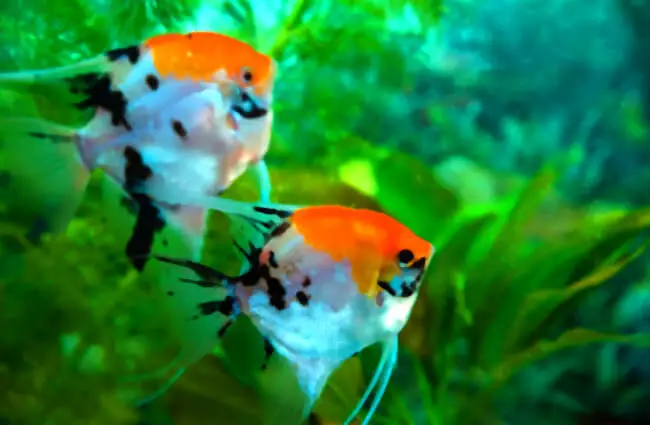
The interaction between Angelfish and humans is multifaceted, primarily revolving around the aquarium trade. Their beauty and relatively peaceful nature have made them one of the most popular freshwater aquarium fish globally. This popularity has led to extensive captive breeding programs, resulting in numerous color morphs and fin variations not typically found in the wild. While this has made Angelfish widely accessible, it also highlights the importance of responsible breeding practices to maintain genetic diversity and health.
Beyond the aquarium, Angelfish contribute to human culture through their aesthetic appeal, inspiring art, photography, and even serving as symbols of grace and tranquility. From a scientific perspective, their complex social behaviors and reproductive strategies make them valuable subjects for ethological studies.
Conservation efforts for wild Angelfish populations focus on protecting their Amazonian habitats from deforestation, pollution, and overfishing. Maintaining the health of these vital ecosystems is crucial not only for Angelfish but for countless other species that call the Amazon home.
Encountering Angelfish in the Wild: A Guide for the Adventurous Hiker
Should a fortunate hiker or explorer encounter Angelfish in their natural Amazonian habitat, the best course of action is observation and respect. These fish are generally shy and will retreat if they feel threatened. Here are some guidelines:
- Observe from a Distance: Maintain a respectful distance to avoid startling the fish or disrupting their natural behavior.
- Do Not Touch or Disturb: Never attempt to catch, touch, or harass wild Angelfish. This can cause stress, injury, or disrupt their delicate ecosystem.
- Leave No Trace: Ensure no litter or pollutants are left behind. The Amazon’s waters are pristine and vulnerable.
- Appreciate the Moment: Take time to observe their elegant movements and how they interact with their environment. It is a rare and privileged experience.
Caring for Angelfish in Captivity: A Zookeeper’s Handbook
For zookeepers or dedicated aquarists, providing optimal care for Angelfish in a captive environment requires attention to detail, mimicking their natural conditions as closely as possible. Here are key tasks and considerations:
- Habitat Replication:
- Tank Size: A minimum of 20 gallons for a single Angelfish, with larger tanks (55+ gallons) preferred for pairs or groups to accommodate their size and territorial nature.
- Water Parameters: Maintain stable water temperature between 76-82°F (24-28°C), a pH of 6.0-7.5 (slightly acidic to neutral), and soft water (GH 3-8 dGH). Regular water testing is essential.
- Decor: Provide ample vertical structures such as tall plants, driftwood, and smooth rocks to mimic their natural habitat and offer hiding spots.
- Filtration: A robust filtration system is crucial to maintain pristine water quality, but ensure water flow is gentle, as Angelfish prefer calmer waters.
- Dietary Management:
- Offer a varied diet consisting of high-quality flake or pellet food formulated for cichlids.
- Supplement with live or frozen foods such as bloodworms, brine shrimp, and daphnia to replicate their natural carnivorous diet and provide essential nutrients.
- Feed small amounts multiple times a day rather than one large meal to prevent overfeeding and maintain water quality.
- Social Structure:
- Angelfish can be kept in pairs or groups, but careful observation is needed, especially during breeding, as they can become territorial.
- When housing multiple Angelfish, ensure adequate space and visual breaks in the tank to reduce aggression.
- Choose tank mates carefully; avoid fin-nippers or overly aggressive species, and ensure other fish are not small enough to be considered prey.
- Health Monitoring:
- Regularly inspect fish for signs of disease, such as clamped fins, lesions, unusual swimming patterns, or changes in appetite.
- Quarantine new fish before introducing them to the main display.
- Maintain excellent water quality, as poor conditions are a primary cause of stress and disease.
- What to Avoid:
- Overcrowding: Leads to stress, aggression, and poor water quality.
- Rapid Water Parameter Changes: Angelfish are sensitive to sudden shifts in temperature, pH, or hardness.
- Incompatible Tank Mates: Avoid very small fish that can be eaten or aggressive fish that will harass Angelfish.
- Poor Diet: A monotonous or low-quality diet can lead to nutritional deficiencies and weakened immune systems.
A Huge List of Interesting Angelfish Facts
- Angelfish can live for 10-12 years in well-maintained aquariums, sometimes even longer.
- Their scientific name, Pterophyllum, translates to “winged leaf,” aptly describing their flat, tall bodies and flowing fins.
- Wild Angelfish typically display vertical stripes, which serve as excellent camouflage among submerged roots and plants. Many captive-bred varieties have lost these stripes due to selective breeding.
- They are known for their intelligence and can recognize their owners, often swimming to the front of the tank when a familiar face approaches.
- Angelfish are part of the Cichlidae family, a group of fish known for their complex social behaviors and high level of parental care.
- The largest freshwater Angelfish species, Pterophyllum altum, can grow quite large, reaching heights of up to 15 inches (38 cm) including their fins.
- They possess a unique “nuchal hump” on their forehead, particularly noticeable in mature males of some species, though less pronounced than in other cichlids.
- Angelfish communicate through a variety of subtle body language cues, including fin movements, changes in coloration, and specific swimming patterns.
- Their eyes are adapted for vision in dimly lit, often tannin-stained waters, allowing them to spot prey and predators effectively.
- Despite their graceful appearance, Angelfish can be surprisingly territorial, especially during breeding periods.
- They are often used as “dither fish” in larger cichlid tanks, as their calm presence can help reduce aggression among other cichlids.
From the serene depths of the Amazon to the vibrant confines of an aquarium, the Angelfish remains a creature of profound beauty and biological intrigue. Its elegant form, complex behaviors, and vital role in its ecosystem offer endless fascination for anyone willing to look a little closer. Whether you are a student delving into aquatic biology, an animal lover dreaming of wild encounters, or a zookeeper dedicated to their care, the Angelfish provides a rich tapestry of knowledge and wonder.
![Closeup of a beautiful Red Angus cowPhoto by: U.S. Department of Agriculture [pubic domain]https://creativecommons.org/licenses/by/2.0/](https://animals.net/wp-content/uploads/2020/03/Red-Angus-4-238x178.jpg "Red Angus")

![Closeup of a beautiful Red Angus cowPhoto by: U.S. Department of Agriculture [pubic domain]https://creativecommons.org/licenses/by/2.0/](https://animals.net/wp-content/uploads/2020/03/Red-Angus-4-100x75.jpg "Red Angus")