
A Comprehensive Guide to the Majestic Amazon Parrot
The Amazon parrot, a vibrant symbol of the rainforest, captivates with its intelligence, longevity, and striking plumage. Belonging to the genus Amazona, these birds are much more than just beautiful creatures; they are integral to the ecosystem and possess a fascinating natural history. This guide delves into the world of Amazon parrots, exploring their habitat, behavior, evolution, and relationship with both the environment and humans.
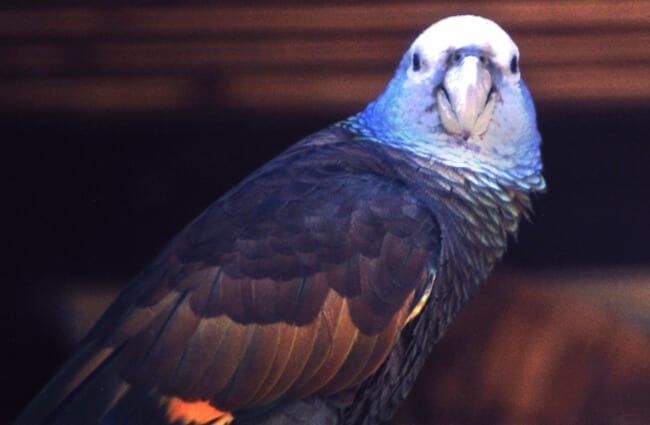
Understanding Amazon Parrot Species
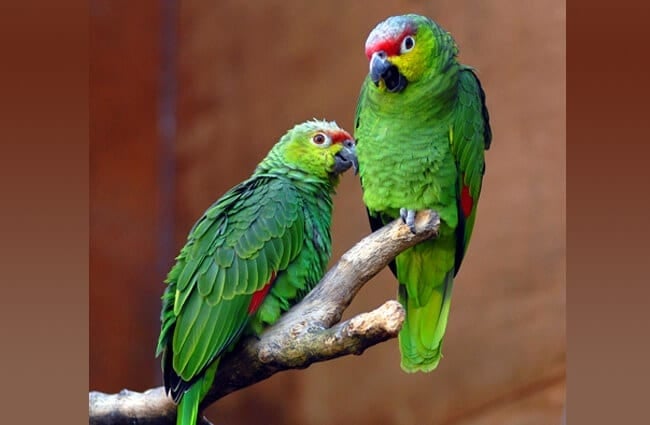
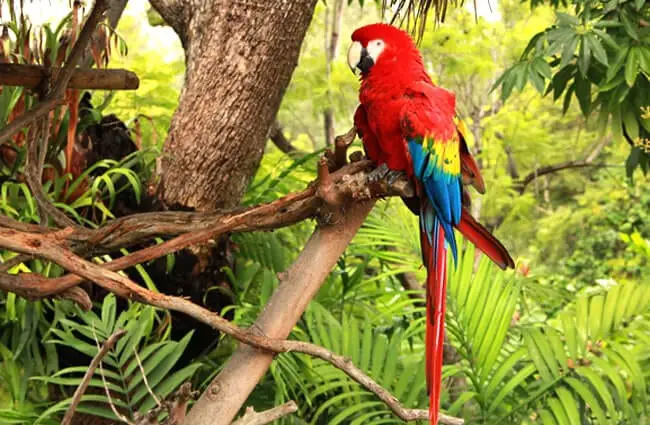
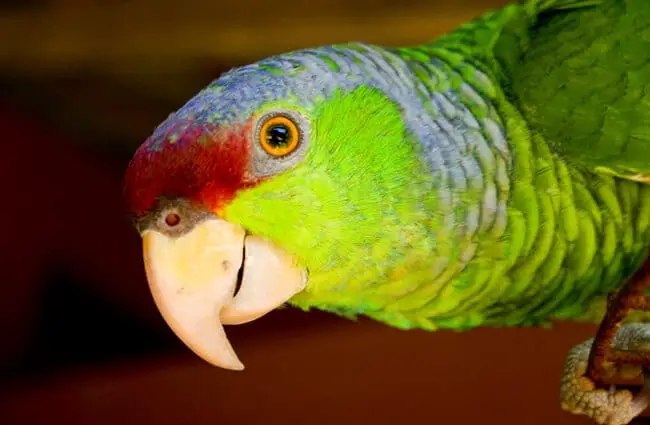
The Amazona genus encompasses over 30 distinct species, each with unique characteristics. Common examples include the Yellow‑Naped Amazon, the Blue‑Fronted Amazon, the Lilac‑Crowned Amazon, and the Orange‑Winged Amazon. Size varies between species, but most Amazon parrots range from 10 to 14 inches in length. Plumage is generally green, providing excellent camouflage within the rainforest canopy, but many species boast vibrant accents of blue, yellow, red, or purple. These colors serve important roles in species recognition and mating displays.
Habitat and Distribution
Amazon parrots primarily inhabit the Amazon basin of South America. Their range, however, extends beyond this iconic region, encompassing Central America, Mexico, and the Caribbean islands. They thrive in a variety of habitats, including tropical rainforests, humid forests, and mangrove swamps. Amazon parrots prefer areas with dense vegetation, providing both food and protection from predators. They are typically found at elevations ranging from sea level to over 6,500 feet.
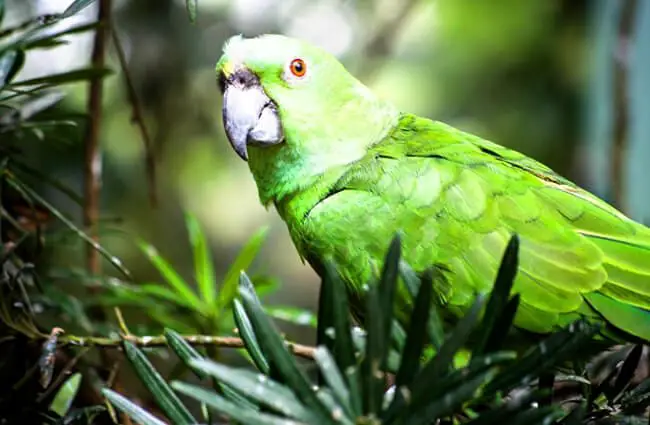
Evolutionary History
The evolutionary origins of Amazon parrots can be traced back to the early Tertiary period, approximately 50 million years ago. Fossil evidence suggests that early parrot ancestors likely originated in Australia and dispersed to other parts of the world, including South America, where the Amazona genus eventually diversified. The diversification of Amazon parrot species is believed to have been driven by geographic isolation, adaptation to different habitats, and competition for resources. Studying their genetic makeup continues to provide insight into their evolutionary relationships.
Diet and Foraging Behavior
Amazon parrots are primarily frugivores, meaning their diet consists largely of fruit. They also consume seeds, nuts, berries, and occasionally flowers and leaves. Their strong beaks are perfectly adapted for cracking open hard shells and extracting the nutritious contents. Amazon parrots are highly intelligent foragers, using their problem‑solving skills to locate and access food sources. They often forage in flocks, maximizing their efficiency and providing increased protection from predators. Clay licks are also an important part of their diet, providing essential minerals and neutralizing toxins found in some fruits.
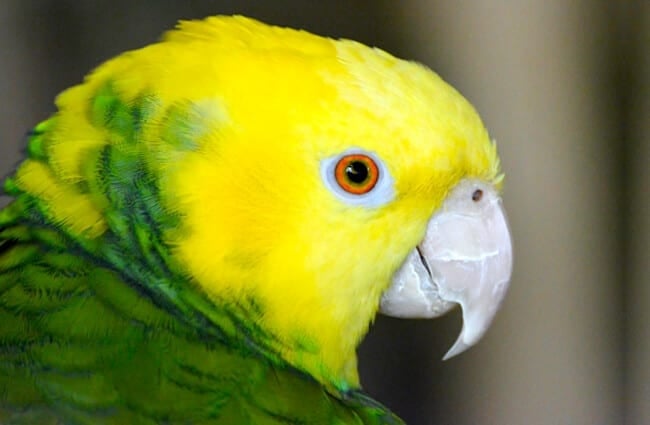
Mating and Reproduction
Amazon parrots are generally monogamous, forming long‑term pair bonds that can last for life. They typically reach sexual maturity around 3 to 5 years of age. The breeding season varies depending on the species and geographic location, but generally occurs during the drier months. Amazon parrots nest in tree cavities, often utilizing abandoned woodpecker holes or natural crevices. The female typically lays between 2 and 5 eggs, which are incubated for approximately 26 to 30 days. Both parents participate in feeding and caring for the chicks, which fledge around 10 to 12 weeks of age.
Ecological Role and Interactions
Amazon parrots play a crucial role in maintaining the health of the rainforest ecosystem. As seed dispersers, they help to propagate plant life throughout the forest. By consuming fruits and seeds, they transport them to new locations, promoting genetic diversity and aiding in forest regeneration. They also serve as prey for predators such as hawks, eagles, and snakes. Furthermore, Amazon parrots interact with other animals through cooperative feeding and social behavior. Their presence is often an indicator of a healthy and thriving rainforest environment.
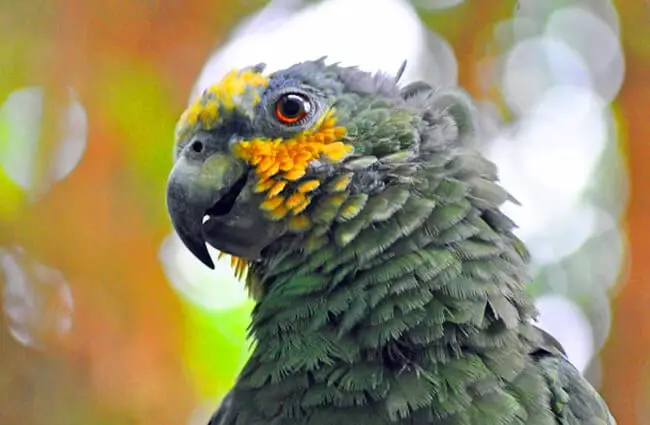
Amazon Parrots and Human Culture
For centuries, Amazon parrots have held significant cultural value for indigenous peoples of the Amazon basin. They are often featured in mythology, folklore, and art. The feathers of Amazon parrots are used in ceremonial headdresses and decorations. Historically, Amazon parrots were also kept as companions and status symbols. However, the demand for these birds as pets has unfortunately led to population declines in some areas. Their intelligence and ability to mimic human speech have made them popular as pets, but responsible ownership and conservation efforts are crucial to ensure their long‑term survival.
Human‑Parrot Interaction & Conservation Status
Many Amazon parrot species face threats such as habitat loss, deforestation, and illegal pet trade. The destruction of rainforest habitat is the most significant threat, as it reduces their food sources and nesting sites. Illegal poaching for the pet trade also decimates wild populations. Several species are listed as endangered or vulnerable by conservation organizations. Efforts to protect Amazon parrots include habitat conservation, anti‑poaching patrols, and sustainable forestry practices. Supporting organizations dedicated to parrot conservation and avoiding the purchase of illegally sourced parrots are essential steps toward ensuring their survival.
Encountering Amazon Parrots in the Wild
If you are fortunate enough to encounter Amazon parrots in the wild, observe them from a respectful distance. Avoid making loud noises or sudden movements, which could startle them. Do not attempt to approach or feed them, as this can disrupt their natural behavior. Report any suspicious activity, such as poaching or illegal pet trade, to local authorities. Enjoy the opportunity to witness these magnificent creatures in their natural habitat and appreciate their vital role in the rainforest ecosystem.
Caring for Amazon Parrots in Captivity (Zookeepers & Owners)
Providing adequate care for Amazon parrots in captivity requires a significant commitment. They need a spacious enclosure with plenty of room to exercise and play. A varied diet consisting of fruits, seeds, nuts, and formulated parrot food is essential. Enrichment activities, such as puzzle toys and foraging opportunities, are crucial to stimulate their intelligence and prevent boredom. Regular veterinary checkups are necessary to ensure their health and well‑being. Avoid exposing them to toxins, such as lead and zinc, which can be fatal. Social interaction with humans and other parrots is also important to prevent loneliness and behavioral problems.
Fascinating Facts About Amazon Parrots
- Amazon parrots can live for 50 to 80 years, or even longer in some cases.
- They are renowned for their ability to mimic human speech and other sounds.
- Some species are capable of solving complex puzzles and problems.
- They have zygodactyl feet, meaning they have two toes pointing forward and two pointing backward, which helps them grip branches and manipulate objects.
- Amazon parrots can recognize individuals by their faces and voices.
- They communicate with each other using a variety of vocalizations, body language, and facial expressions.
The Amazon parrot is truly a remarkable creature, a testament to the beauty and complexity of the natural world. By understanding their biology, behavior, and ecological role, we can appreciate their importance and work toward ensuring their survival for generations to come.
![Closeup of a beautiful Red Angus cowPhoto by: U.S. Department of Agriculture [pubic domain]https://creativecommons.org/licenses/by/2.0/](https://animals.net/wp-content/uploads/2020/03/Red-Angus-4-238x178.jpg "Red Angus")



![Closeup of a beautiful Red Angus cowPhoto by: U.S. Department of Agriculture [pubic domain]https://creativecommons.org/licenses/by/2.0/](https://animals.net/wp-content/uploads/2020/03/Red-Angus-4-100x75.jpg "Red Angus")