The high Andes mountains are home to a captivating creature, the alpaca. Often mistaken for a small llama, this domesticated South American camelid boasts a luxurious fleece and a gentle disposition. More than just a pretty face, the alpaca plays a vital role in the ecology and culture of its native lands and increasingly around the world. This guide delves into the fascinating world of alpacas, covering their history, biology, behavior, and their interactions with humans.
Understanding the Alpaca: A Closer Look
Physical Characteristics and Types
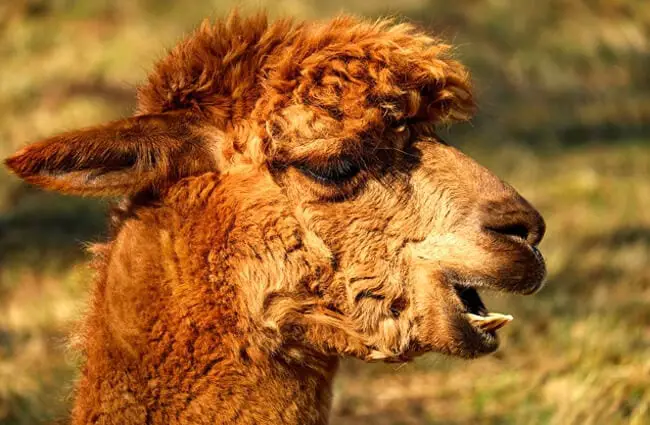
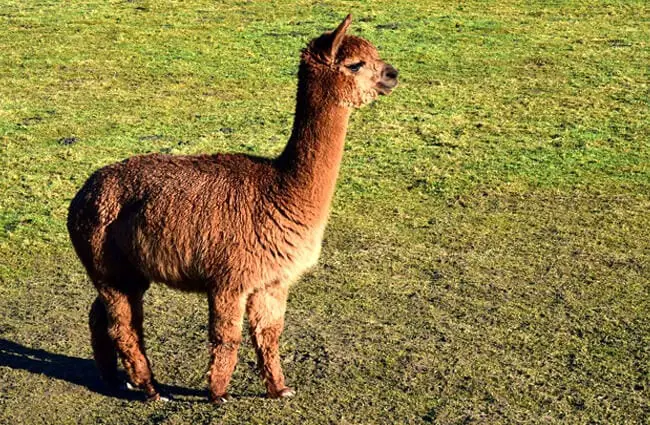
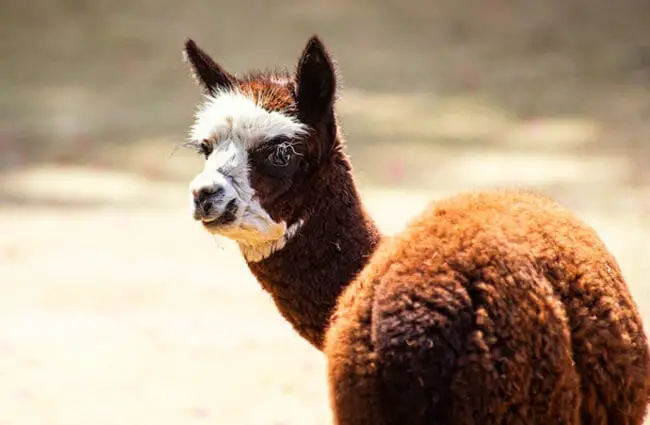
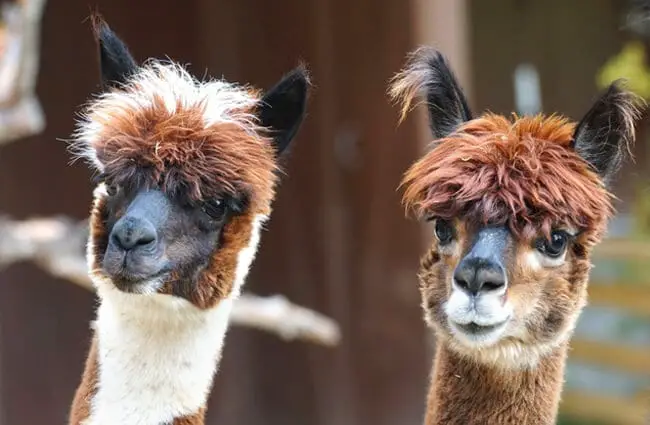
Alpacas are relatively small, standing around 3 feet tall at the withers and weighing between 100 and 200 pounds. Their most distinguishing feature is, of course, their fleece. Unlike sheep’s wool, alpaca fiber is hypoallergenic, incredibly soft, and available in a wide range of natural colors, from white and beige to browns, grays, and even black. There are two breeds of alpaca: the Suri and the Huacaya. The Huacaya, comprising approximately 90% of the alpaca population, has a dense, crimped fleece that gives it a fluffy appearance. The Suri alpaca, rarer and more prized, has a silky, pencil-lock fleece that hangs straight down. The difference in fleece type affects the texture and use of the fiber.
Habitat and Distribution
Native to the Andes Mountains of Peru, Bolivia, Ecuador, and Chile, alpacas thrive at altitudes between 11,500 and 16,000 feet. This high altitude environment presents challenges like low oxygen levels and harsh weather, but alpacas are well adapted to these conditions. Their efficient respiratory system allows them to extract sufficient oxygen from the thin air, and their thick fleece provides insulation against the cold. While historically confined to South America, alpacas have been exported to many countries, including the United States, Canada, Australia, and Europe. They are now successfully raised on farms around the world.

The Alpaca Life Cycle: From Birth to Maturity
Diet and Foraging Behavior
Alpacas are herbivores, and their diet primarily consists of grasses, hay, and supplemental feed. They are efficient grazers, and their three compartment stomach allows them to extract maximum nutrients from their food. Unlike goats, alpacas are gentle on vegetation, and they don’t typically strip bark from trees or damage root systems. They also exhibit a unique foraging behavior called “selective grazing,” where they carefully choose the most nutritious plants. Providing a balanced diet is crucial for maintaining their health and producing high-quality fleece.
Mating, Reproduction, and Raising Cria
Alpacas are induced ovulators, meaning they ovulate in response to mating. The breeding season typically occurs in the fall and winter. Gestation lasts approximately 11.5 months, and females usually give birth to a single offspring, called a cria. Crias are typically born during daylight hours and weigh between 8 and 15 pounds. They are able to stand and nurse within a few hours of birth. Alpaca mothers are very protective of their crias, and they will aggressively defend them from potential threats. Weaning typically occurs around six months of age. Proper nutrition and healthcare are essential for both the mother and the cria to ensure a healthy start in life.
Alpaca Behavior and Social Structure
Social Dynamics and Herd Behavior
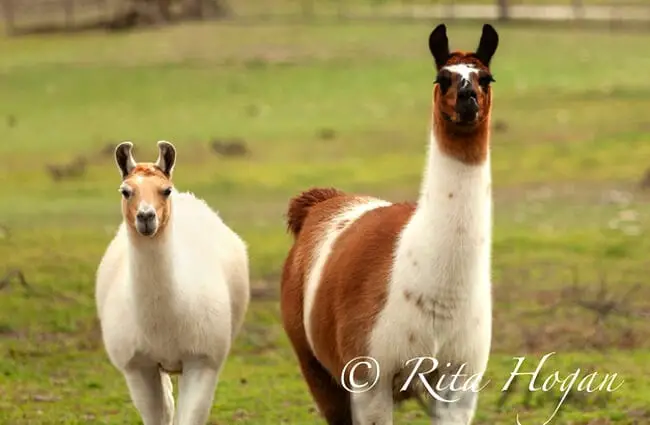
Alpacas are social animals, and they thrive in herds. They establish a social hierarchy based on age, size, and temperament. Dominant individuals have priority access to food and mates. Herds provide protection from predators and facilitate breeding opportunities. Alpacas communicate with each other through a variety of vocalizations, body language, and scent marking. They are known for their gentle and inquisitive nature, but they can also be shy and reserved around unfamiliar people or animals.
Unique Communication Methods: Humming and Alarm Calls
One of the most distinctive alpaca behaviors is “humming.” Alpacas hum for a variety of reasons, including contentment, curiosity, and communication with other herd members. They also emit a range of other vocalizations, including clucking, snorting, and screaming. When threatened, alpacas will emit a sharp alarm call to alert the herd. They may also stomp their feet, spit, or run away. Understanding their communication signals is essential for maintaining a harmonious relationship with these animals.
Alpacas and Their Ecosystem
Role in the Andean Highlands
Historically, alpacas have played a vital role in the ecosystem of the Andean Highlands. They are well adapted to grazing on the sparse vegetation at high altitudes, and they help to maintain the health of the grasslands. Their soft footpads minimize soil erosion, and their manure provides valuable nutrients for plant growth. Alpacas also support the livelihoods of indigenous communities, providing them with fiber for clothing and textiles, as well as a source of income.
Interactions with Other Animals and Predators
In their native habitat, alpacas coexist with a variety of other animals, including vicuñas, guanacos, and llamas. They may also interact with predators such as pumas and foxes. Alpacas are alert and vigilant, and they use their herd behavior to protect themselves from threats. Domesticated alpacas often graze alongside other livestock, such as sheep and goats. They are generally peaceful and compatible with other animals, but it is important to provide adequate space and resources to prevent competition.
Alpacas and Humans: A Long History
Domestication and Cultural Significance
Alpacas were domesticated in the Andes Mountains thousands of years ago by indigenous peoples. They were selectively bred for their luxurious fleece, which was highly valued for its softness, warmth, and durability. Alpaca fiber played a central role in Andean culture, used for clothing, textiles, and ceremonial objects. The animals were also considered sacred, and they were often depicted in art and mythology.
Modern Uses: Fiber Production and Agritourism
Today, alpacas are raised around the world for their fiber. Alpaca fiber is a sustainable and eco friendly alternative to traditional wool, and it is used in a wide range of products, including clothing, blankets, and yarn. Alpaca farming is also becoming increasingly popular as an agritourism activity, offering visitors the opportunity to learn about these fascinating animals and experience life on a working farm.
Encountering Alpacas: Safety and Etiquette
If You Meet an Alpaca in the Wild (or on a Farm)
While rare to encounter in the wild outside of South America, you might meet alpacas on a farm. Approach them calmly and quietly. Avoid sudden movements or loud noises. Allow the alpacas to approach you if they are curious. Do not attempt to feed them without permission from the farm owner. Respect their personal space and avoid crowding them.
Caring for Alpacas: A Zookeeper’s Guide
For zookeepers, alpaca care involves providing a spacious enclosure with ample grazing area. A balanced diet of hay, grass, and supplemental feed is crucial. Regular health checks, vaccinations, and parasite control are essential. Providing shelter from extreme weather conditions is also important. Enrichment activities, such as toys and puzzles, can help to keep them mentally stimulated. Avoid overhandling, as alpacas can be shy and easily stressed.
Alpacas play a vital role in the ecology and culture of their native lands and around the world. Their gentle nature, social behavior, and sustainable fiber make them valued companions for farmers, artisans, and visitors alike. By respecting their needs and environment, we can ensure these remarkable animals continue to thrive for generations to come.
![Closeup of a beautiful Red Angus cowPhoto by: U.S. Department of Agriculture [pubic domain]https://creativecommons.org/licenses/by/2.0/](https://animals.net/wp-content/uploads/2020/03/Red-Angus-4-238x178.jpg "Red Angus")


![Closeup of a beautiful Red Angus cowPhoto by: U.S. Department of Agriculture [pubic domain]https://creativecommons.org/licenses/by/2.0/](https://animals.net/wp-content/uploads/2020/03/Red-Angus-4-100x75.jpg "Red Angus")