A Living Fossil The Alligator Gar
The Alligator Gar Atractosteus spatula is a truly remarkable fish, a relic of a prehistoric past that continues to thrive in the waterways of North America. Often described as a living fossil, this impressive predator boasts a unique combination of primitive features and specialized adaptations that make it a fascinating subject for scientists and nature enthusiasts alike. This article delves into the world of the Alligator Gar, exploring its history, biology, behavior, and its role within the ecosystem.
Origins and Evolution
The Alligator Gar belongs to the family Lepisosteidae, which is among the most ancient groups of ray‑finned fishes. Their lineage dates back to the Cretaceous period over 100 million years ago, when dinosaurs still roamed the Earth. Fossil evidence suggests that gars once had a much wider distribution, with relatives found in Eurasia. The modern Alligator Gar is primarily found in the southeastern United States, inhabiting the Mississippi River basin and the Gulf Coast states. Its evolutionary success can be attributed to its adaptability and resilience, enabling it to survive major environmental shifts over millions of years. The name “gar” comes from the Native American word for spear, referencing the fish’s elongated snout.
Physical Characteristics and Habitat
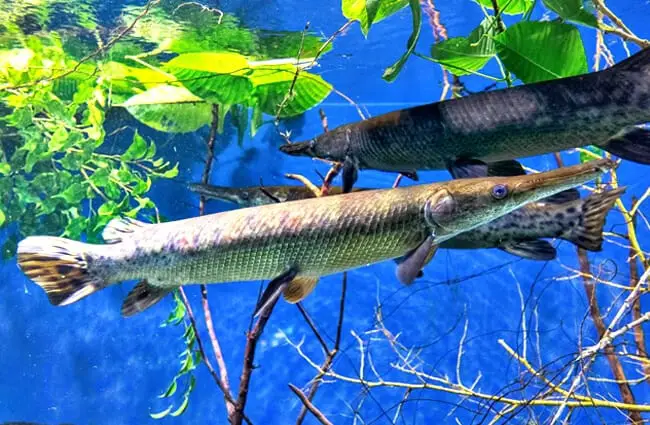
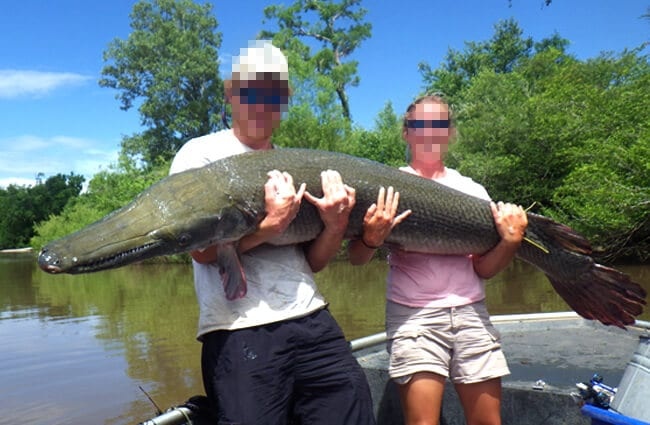
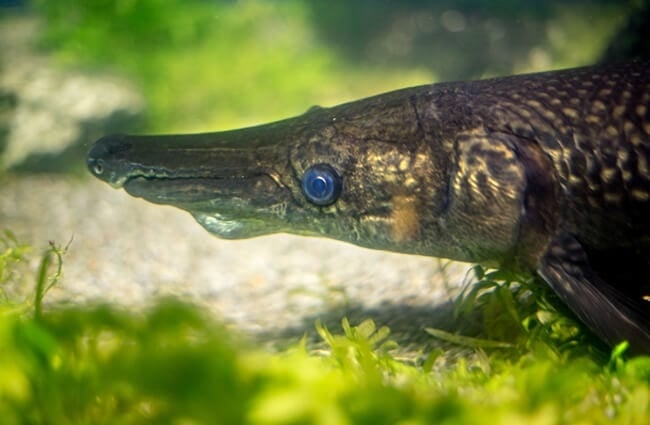
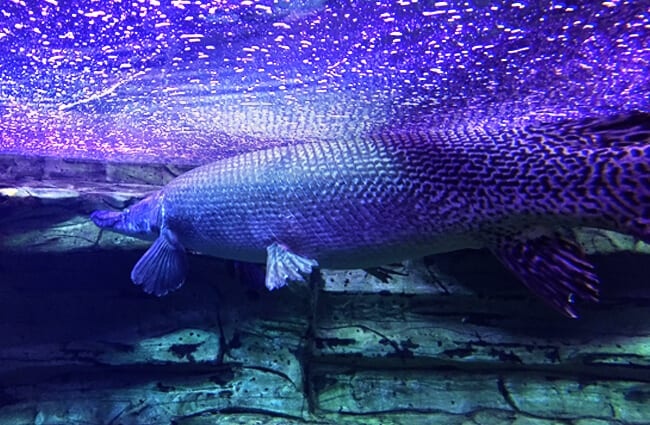
The Alligator Gar is aptly named because of its alligator‑like head and powerful jaws filled with sharp teeth. Adults can reach impressive sizes exceeding 8 feet in length and weighing over 300 pounds. They possess a long, cylindrical body covered in thick, ganoid scales that provide excellent protection. These diamond‑shaped scales give the fish a bony, armor‑like covering. Their coloration ranges from olive brown to dark green, providing camouflage in murky waters.
Alligator Gars prefer slow‑moving rivers, swamps, marshes, and large lakes. They favor areas with abundant vegetation and plenty of cover. They are tolerant of a wide range of water conditions, including low oxygen levels and varying temperatures. Their habitat choices determine that they are primarily concentrated in the southeastern United States.
Diet and Hunting Strategies
Alligator Gars are apex predators with a voracious appetite. Their diet consists primarily of fish, but they also consume amphibians, reptiles, birds, and occasionally small mammals. Juvenile gars feed on invertebrates and small fish, gradually transitioning to larger prey as they grow.
They are ambush predators lying in wait among vegetation or submerged structures. They employ a unique hunting technique that uses their long snout to detect vibrations and electrical fields generated by potential prey. Once a target is within range, they strike with incredible speed, using their powerful jaws to capture and hold their victim. Their teeth are designed for grasping rather than chewing, so they typically swallow their prey whole. They are opportunistic feeders and adjust their diet based on prey availability.
Reproduction and Life Cycle
Alligator Gars have a fascinating reproductive strategy. They are broadcast spawners, meaning they release eggs and sperm into the water column for fertilization. Spawning typically occurs in spring and early summer in shallow, vegetated areas. Females can lay tens of thousands of eggs.
However, the survival rate of these eggs and larvae is low. There is little to no parental care. The young gars are vulnerable to predation and competition for resources. It takes several years for them to reach maturity. Females grow larger and mature later than males. Their lifespan can exceed 30 years.
Ecological Role and Interactions
As apex predators, Alligator Gars play a crucial role in maintaining the health and balance of their ecosystems. They help regulate populations of prey species, preventing any single species from becoming dominant. They also contribute to nutrient cycling through their feeding habits.
They interact with other species in various ways. Larger Alligator Gars may occasionally prey on smaller fish and other predators. They share their habitat with a variety of other fish, reptiles, birds, and mammals. Their presence indicates a healthy and diverse aquatic environment.
Alligator Gar and Humans
Historically, Alligator Gars were an important food source for Native American tribes and early settlers. Their meat was consumed, and their scales were used for making tools. However, in recent decades their populations have declined due to habitat loss, pollution, and overfishing.
Today they are a popular target for recreational fishermen. They are also sometimes caught as bycatch in commercial fisheries. Conservation efforts are underway to protect their habitat and manage their populations. These efforts include implementing fishing regulations, restoring wetlands, and educating the public about the importance of these remarkable fish.
Spotting Alligator Gar in the Wild
If you are venturing into the waterways of the southeastern United States, you might be fortunate enough to encounter an Alligator Gar. Look for slow‑moving rivers, swamps, and lakes with abundant vegetation. They often bask near the surface, occasionally exposing their snout. They can be difficult to spot due to their camouflaged coloration and their tendency to remain hidden among vegetation. If you do encounter one, observe it from a safe distance and avoid disturbing its habitat.
Caring for Alligator Gar in Captivity
Keeping an Alligator Gar in captivity requires a significant commitment and specialized knowledge. They need a very large tank or pond with plenty of swimming space. A powerful filtration system is essential to maintain water quality. They are carnivorous and require a diet of fish and other meaty foods. Regular health checks and monitoring are crucial. It is important to provide them with a stimulating environment with plenty of hiding places and opportunities for exploration. Due to their size and specific needs, caring for an Alligator Gar is not suitable for novice aquarists.
Fascinating Facts About Alligator Gar
- Alligator Gars can breathe air. They have a vascularized swim bladder that allows them to gulp air at the surface.
- They have been known to reach lengths of over 8 feet and weigh over 300 pounds.
- Their scales are incredibly tough and resistant to damage.
- They are among the oldest surviving lineages of ray‑finned fishes.
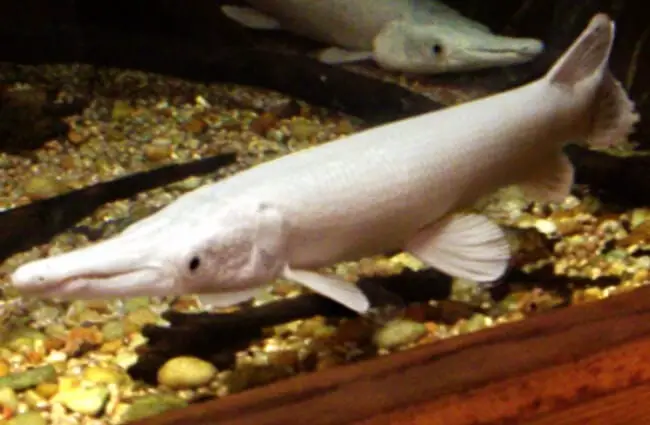
- Albino Alligator Gars are rare but do occur.
- They are relatively long‑lived with a lifespan of over 30 years.
- Females grow larger and live longer than males.
The Alligator Gar is a truly remarkable creature, a living testament to the resilience and adaptability of life on Earth. By understanding and appreciating these magnificent fish, we can help ensure their survival for generations to come. Their continued presence in our waterways is not only a symbol of a healthy ecosystem but also a link to a prehistoric past.
![Closeup of a beautiful Red Angus cowPhoto by: U.S. Department of Agriculture [pubic domain]https://creativecommons.org/licenses/by/2.0/](https://animals.net/wp-content/uploads/2020/03/Red-Angus-4-238x178.jpg "Red Angus")
![Closeup of a beautiful Red Angus cowPhoto by: U.S. Department of Agriculture [pubic domain]https://creativecommons.org/licenses/by/2.0/](https://animals.net/wp-content/uploads/2020/03/Red-Angus-4-100x75.jpg "Red Angus")