In the vast, sun-drenched landscapes of Africa, a creature of remarkable intelligence, cooperation, and beauty roams, often misunderstood and tragically endangered. This is the African Wild Dog, Lycaon pictus, a true marvel of evolution and a testament to the power of teamwork. Known by many names, including the Painted Wolf, Cape Hunting Dog, or African Hunting Dog, its scientific name, Lycaon pictus, translates aptly to “painted wolf,” a nod to its uniquely mottled coat that makes each individual distinct.
Far from being mere wild canids, these animals are highly social, strategic hunters whose lives are woven into the very fabric of the African savanna. Their existence offers a window into complex social structures, sophisticated communication, and an enduring struggle for survival against a rapidly changing world. Join us on a journey to uncover the secrets of this extraordinary predator, from its ancient lineage to its vital role in today’s ecosystems, and discover why the African Wild Dog truly deserves our attention and protection.
The Basics: An Introduction to the Painted Wolf
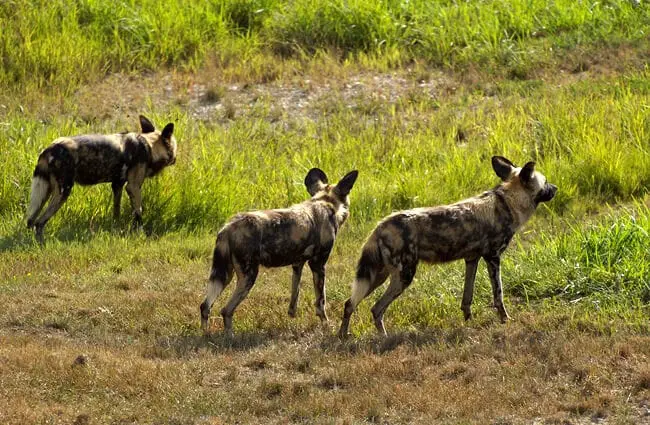
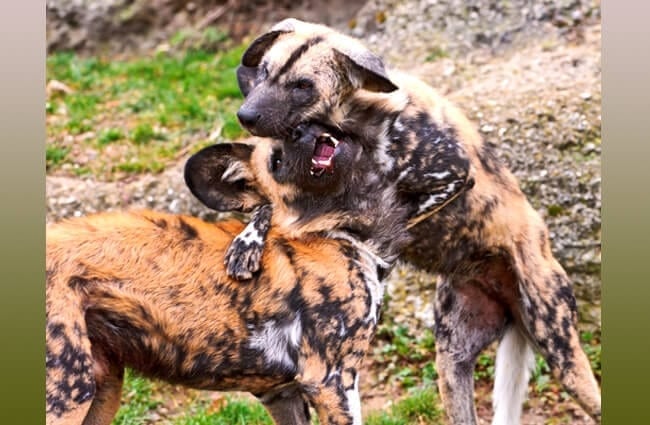
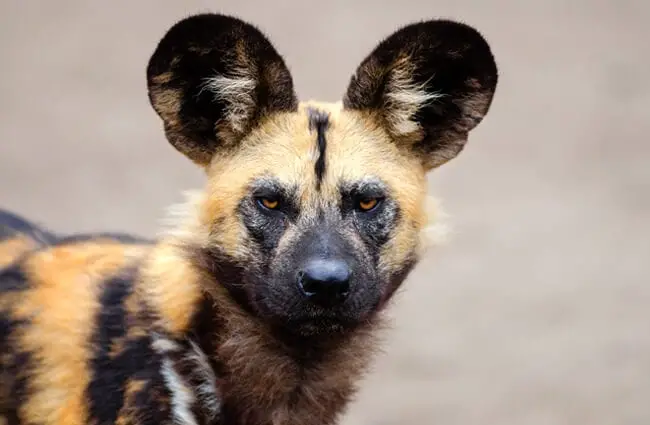
The African Wild Dog is easily recognizable by its striking, irregular coat patterns of black, brown, white, and yellow fur, which vary so much that no two individuals look exactly alike. Unlike other canids, they possess only four toes on each foot, lacking the dewclaw found in most dogs. Their large, rounded ears act like satellite dishes, helping them pinpoint prey over long distances. Lean and athletic, they are built for endurance, capable of running at speeds up to 45 miles per hour for several miles.
These highly social animals live in packs, typically ranging from 2 to 27 individuals, though historical accounts mention much larger groups. Each pack operates with a remarkable level of cooperation, from hunting to raising pups, making them one of Africa’s most successful predators. Their primary habitat spans the savannas and arid zones of sub-Saharan Africa, though their range has drastically shrunk due to human encroachment.
Habitat and Distribution: Where the Wild Dogs Roam
African Wild Dogs are creatures of the open plains, preferring grasslands, savannas, and sparse woodlands. Historically, their range covered most of sub-Saharan Africa, from the Sahara’s edge down to the southern tip of the continent. Today, their populations are fragmented and largely confined to a few strongholds, primarily in Southern and East Africa.
- Key Regions: Botswana (Okavango Delta), Namibia, Zimbabwe, Tanzania (Selous Game Reserve, Ruaha National Park), and parts of South Africa (Kruger National Park) are among the best places to observe these elusive animals.
- Preferred Biomes: They thrive in areas with sufficient prey availability and minimal human disturbance. Their preference for open country allows them to utilize their exceptional stamina and cooperative hunting tactics effectively.
- Factors Influencing Distribution: Habitat loss and fragmentation due to agriculture and human settlement are the primary drivers of their shrinking range. Disease transmission from domestic dogs and direct persecution also play significant roles.
For the animal lover hoping to find African Wild Dogs in the wild, patience and a knowledgeable guide are essential. Focus on the aforementioned national parks and reserves, particularly during the dry season when water sources concentrate prey. Look for signs of recent kills or listen for their distinctive “hoo” calls at dawn or dusk.
The Evolutionary Journey: A Unique Canid Lineage
The African Wild Dog holds a unique position within the canid family. Unlike wolves, coyotes, or domestic dogs, which belong to the genus Canis, the African Wild Dog is the sole surviving member of the genus Lycaon. This distinction highlights its ancient and separate evolutionary path.
- Divergence: Genetic studies suggest that Lycaon pictus diverged from other canids millions of years ago, developing specialized adaptations for its African environment.
- Unique Adaptations:
- Four Toes: The absence of a dewclaw is thought to be an adaptation for speed and endurance running, reducing drag and increasing efficiency over long distances.
- Specialized Dentition: Their teeth are adapted for a hypercarnivorous diet, with powerful shearing carnassials for processing meat and bone.
- Social Complexity: While many canids are social, the African Wild Dog’s level of communal care and hunting coordination is exceptionally refined, a key to their survival in a competitive landscape.
Diet and Hunting Strategies: Masters of Cooperation
African Wild Dogs are obligate carnivores, meaning their diet consists almost entirely of meat. Their hunting prowess is legendary, boasting one of the highest success rates among all large predators, often exceeding 80% on certain prey.
- Primary Prey: Medium-sized antelopes form the bulk of their diet, including impala, kudu, springbok, wildebeest calves, and gazelles. They will also opportunistically hunt smaller prey like rodents, birds, and even larger animals if the pack is large enough.
- Cooperative Hunting: This is their defining characteristic. Packs employ sophisticated strategies:
- Stamina Pursuit: They wear down prey over long distances, often targeting the weakest or slowest individuals.
- Relay Chasing: Different pack members take turns leading the chase, conserving energy and maintaining relentless pressure.
- Flanking and Ambush: Some dogs may circle around to cut off escape routes or drive prey towards waiting pack members.
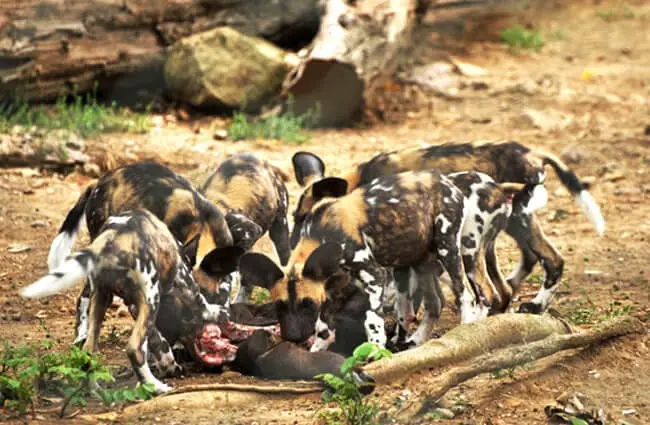
- Feeding Hierarchy: Despite their cooperative hunting, there is a clear hierarchy at a kill. Pups are always given priority, followed by the dominant pair, and then the rest of the pack. This ensures the survival of the next generation and maintains pack cohesion.
Mating and Reproduction: A Community Effort
Reproduction in African Wild Dog packs is a highly structured affair, primarily dominated by a single breeding pair, typically the alpha male and female. This social control helps regulate pack size and ensures resources are directed towards the most viable offspring.
- Mating Season: Breeding usually occurs once a year, often between March and June, though it can vary geographically.
- Gestation and Denning: After a gestation period of approximately 70 days, the alpha female gives birth to a large litter of pups, averaging 10 to 12, but sometimes up to 20. She dens in abandoned aardvark burrows, rock crevices, or self-dug holes.
- Communal Pup Rearing: This is where the pack’s cooperation truly shines. All members participate in raising the pups:
- They bring regurgitated meat back to the den for the mother and pups.
- They guard the den from predators.
- Older siblings act as “aunties” and “uncles,” playing with and teaching the young.
- Pup Development: Pups emerge from the den at about 3-4 weeks old and are weaned around 5 weeks. They begin to accompany the pack on hunts at 3-4 months and are fully integrated by 12-18 months.
Ecosystem Role and Interactions with Other Animals
As apex predators, African Wild Dogs play a crucial role in maintaining the health and balance of their ecosystems.
- Population Control: By preying on herbivores, they help regulate prey populations, preventing overgrazing and promoting healthier vegetation. They often target the old, sick, or weak, which helps strengthen the overall gene pool of their prey species.
- Competition with Other Carnivores: They share their habitat with other large predators like lions, leopards, and hyenas.
- Lions: Lions are the biggest threat to wild dogs, often killing them if encountered, viewing them as competition for food. Wild dogs generally avoid areas with high lion densities.
- Hyenas: Spotted hyenas frequently scavenge wild dog kills, often outnumbering and driving off the dogs. Despite this, wild dogs are known to stand their ground or even chase off smaller groups of hyenas.
- Leopards and Cheetahs: These predators typically occupy different niches or are less of a direct threat to adult wild dogs, though they may pose a risk to pups.
African Wild Dogs and Human Culture
Despite their ecological importance, African Wild Dogs have historically been viewed with suspicion and even hostility by some human cultures, often due to misunderstandings about their hunting behavior.
- Indigenous Beliefs: In some traditional African cultures, the wild dog is seen as a symbol of courage, teamwork, or even a trickster spirit. Their cooperative nature has sometimes been admired, while their efficiency as hunters has also led to fear.
- Art and Symbolism: Depictions of wild dogs can be found in ancient rock art in Southern Africa, suggesting a long-standing presence and interaction with human communities. These images often highlight their distinctive appearance and hunting prowess.
- Modern Perception: In recent times, as their endangered status has become more widely known, there has been a shift towards appreciation and a desire for conservation, particularly in the scientific community and among wildlife enthusiasts.
Interaction with Humans and Conservation Challenges
The relationship between African Wild Dogs and humans is complex and often fraught with conflict, leading to their critically endangered status.
- Habitat Loss and Fragmentation: The expansion of human settlements, agriculture, and infrastructure development directly reduces and fragments their habitat, isolating populations and hindering gene flow.
- Human-Wildlife Conflict: Wild dogs are sometimes persecuted by livestock farmers who fear for their animals, despite evidence suggesting that wild dogs rarely prey on domestic stock if natural prey is available. This conflict often leads to retaliatory killings.
- Disease Transmission: Contact with domestic dogs can lead to the transmission of diseases like rabies and canine distemper, which can decimate entire wild dog packs.
- Road Accidents: As their ranges shrink and overlap more with human areas, road accidents become a significant threat.
- Conservation Efforts:
- Protected Areas: Establishing and expanding national parks and reserves is crucial for providing safe havens.
- Corridors: Creating wildlife corridors helps connect fragmented populations, allowing for movement and genetic exchange.
- Community Engagement: Educating local communities about the ecological value of wild dogs and implementing compensation schemes for livestock losses can reduce conflict.
- Disease Management: Vaccination programs for domestic dogs in areas bordering wild dog habitats help prevent disease transmission.
- Translocation: Moving individuals or packs to new, suitable habitats to establish new populations or bolster existing ones.
Encountering African Wild Dogs in the Wild: A Hiker’s Guide
For a hiker fortunate enough to encounter African Wild Dogs, it is a rare and unforgettable experience. These animals are generally shy and will avoid human contact, but knowing how to react is important.
- Stay Calm and Observe: The most important rule is to remain calm. Wild dogs are not typically aggressive towards humans.
- Maintain Distance: Keep a respectful and safe distance. Never approach them, especially if they are with pups or on a kill.
- Do Not Interfere: Do not attempt to feed them, call to them, or otherwise interact. Observe quietly.
- Make Yourself Known (if necessary): If a pack seems curious and approaches too closely, stand tall, make yourself appear larger, and speak in a firm, calm voice. Avoid sudden movements.
- Never Run: Running can trigger a chase instinct in any canid.
- Report Sightings: If you are in a protected area, report your sighting to park authorities. This information is valuable for conservation monitoring.
For the Aspiring Zoologist: Deep Dive into Wild Dog Research
The African Wild Dog offers a wealth of research opportunities for aspiring zoologists, particularly in the fields of behavioral ecology, conservation biology, and population genetics.
- Key Research Areas:
- Social Dynamics: Investigate pack hierarchies, cooperative breeding, and the roles of individual members.
- Hunting Efficiency: Study the variables influencing hunting success, prey selection, and energy expenditure.
- Communication: Analyze their complex vocalizations and body language.
- Disease Ecology: Research the impact of diseases and develop mitigation strategies.
- Habitat Connectivity: Model and assess the effectiveness of wildlife corridors.
- Human-Wildlife Conflict Mitigation: Develop and test strategies to reduce conflict with local communities.
- Field Observation Tips:
- Patience is Key: Wild dogs are elusive. Long hours of observation are often required.
- Dawn and Dusk: These are prime activity times for hunting and social interactions.
- Vehicle-Based Observation: In many reserves, observing from a vehicle minimizes disturbance.
- Ethical Conduct: Always prioritize the welfare of the animals and adhere to research permits and guidelines.
A Zookeeper’s Guide: Caring for African Wild Dogs in Captivity
Caring for African Wild Dogs in a zoological setting requires a deep understanding of their complex social, physical, and psychological needs to ensure their welfare and contribute to conservation breeding programs.
Essential Tasks and Considerations:
- Enclosure Design:
- Spaciousness: Requires large, naturalistic enclosures that allow for running, exploration, and privacy.
- Substrate: Varied substrates (soil, grass, sand) for digging and natural behaviors.
- Shelter: Provide multiple den sites, shaded areas, and elevated platforms.
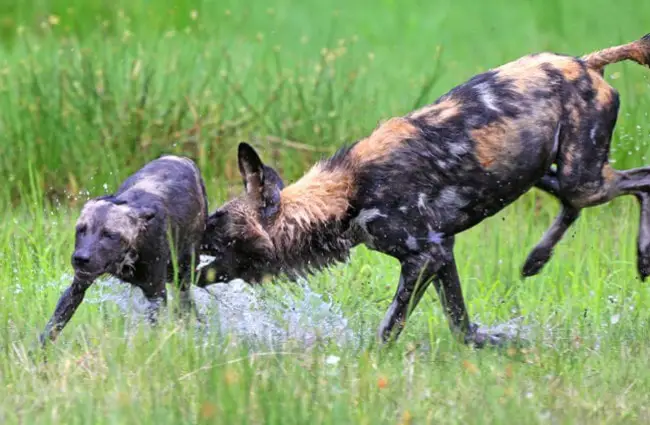
- Water Features: A pool or large water trough for drinking and cooling off, as they enjoy water.
- Security: Robust fencing to prevent escapes and protect from external threats.
- Social Structure:
- Pack Living: They must be housed in social groups. Introducing new individuals requires careful planning and monitoring.
- Dominance: Recognize and respect the natural pack hierarchy.
- Diet and Nutrition:
- Hypercarnivorous Diet: High-quality commercial carnivore diets supplemented with whole prey items (e.g., rabbits, chickens) to provide essential nutrients, bone, and fur for dental health.
- Feeding Schedule: Mimic natural feeding patterns, often large meals less frequently.
- Enrichment Feeding: Hide food, use puzzle feeders, or scatter feed to encourage natural foraging behaviors.
- Health Monitoring:
- Regular Vet Checks: Routine examinations, vaccinations (especially against canine distemper and rabies), and parasite control.
- Behavioral Observation: Daily monitoring for changes in appetite, activity levels, social interactions, and physical condition.
- Dental Care: Crucial due to their diet; whole prey helps, but professional dental cleanings may be necessary.
- Environmental Enrichment:
- Physical Enrichment: Toys, climbing structures, varied terrain, digging opportunities.
- Sensory Enrichment: Novel scents, sounds, and visual stimuli.
- Cognitive Enrichment: Puzzle feeders, training for cooperative behaviors.
- Social Enrichment: Opportunities for play, grooming, and interaction within the pack.
- Breeding Programs:
- Studbook Management: Participate in Species Survival Plans (SSPs) to maintain genetic diversity.
- Denning Areas: Provide secure, quiet den boxes for breeding females.
- Pup Rearing: Allow the pack to raise pups communally, intervening only if necessary for health or safety.
What to Avoid:
- Isolation: Housing wild dogs individually or in unnaturally small groups can lead to severe stress and behavioral issues.
- Inadequate Space: Small, barren enclosures prevent natural behaviors and lead to stereotypic pacing.
- Lack of Enrichment: A monotonous environment will result in boredom and stress.
- Inconsistent Routine: While some novelty is good, a predictable daily routine for feeding and care reduces anxiety.
- Over-Handling: Minimize direct human contact unless medically necessary, as they are wild animals.
- Poor Diet: Feeding an unbalanced diet can lead to nutritional deficiencies and health problems.
A Huge List of Interesting Facts About African Wild Dogs
- Unique Coat Patterns: Each African Wild Dog has a unique coat pattern, as distinct as a human fingerprint, making individual identification easy for researchers.
- Only Four Toes: They are the only canid species to lack a dewclaw on their forelegs, an adaptation for speed and endurance.
- Exceptional Stamina: They can run at speeds of up to 45 miles per hour and maintain a pace of 37 miles per hour for up to 3 miles.
- Highly Social: They live in packs with complex social structures, where cooperation is paramount for survival.
- Communal Pup Rearing: All pack members, not just the parents, participate in raising the pups, bringing them food and protecting them.
- Dominant Breeding Pair: Typically, only the alpha male and female breed, ensuring resources are concentrated on their offspring.
- Regurgitation for Pups: Adults will regurgitate meat for pups and even for sick or injured pack members who cannot hunt.
- Distinctive Calls: They communicate using a variety of vocalizations, including a unique “hoo” call used to gather the pack and a chirping sound during greetings.
- High Hunting Success Rate: With a success rate often over 80%, they are among the most efficient hunters in Africa.
- Nocturnal and Diurnal: While often active during the day, especially at dawn and dusk, they can also hunt at night, particularly in hotter climates.
- Endangered Species: They are one of Africa’s most endangered carnivores, with fewer than 7,000 individuals remaining in the wild.
- Large Litters: They have the largest litters of any canid, averaging 10-12 pups, which is an adaptation to high pup mortality.
- Nomadic Lifestyle: Packs often have vast home ranges and can travel many miles in a day, following prey.
- Unique Scientific Name: Lycaon pictus means “painted wolf,” reflecting their distinctive coloration.
- Clean Killers: Despite their fearsome reputation, they are known for quick, efficient kills, minimizing suffering for their prey.
- Playful Nature: Despite their serious hunting skills, wild dogs are highly playful, engaging in elaborate greeting ceremonies and games within the pack.
- Sensitive to Disturbance: They are easily disturbed by human presence, which contributes to their decline in fragmented habitats.
- Disease Vulnerability: Highly susceptible to diseases like rabies and canine distemper, often contracted from domestic dogs.
- Important Scavengers: While primarily hunters, they will also scavenge, playing a role in carcass removal.
- No Two Alike: The unique pattern of their coat is like a human fingerprint, making each individual distinct.
Conclusion: A Future for the Painted Wolf
The African Wild Dog stands as a powerful symbol of nature’s ingenuity and the profound beauty of cooperation. From their intricate social structures and sophisticated hunting tactics to their vital role in maintaining ecological balance, these painted wolves are truly extraordinary. Their journey through evolutionary history has equipped them with unique adaptations, yet their future hangs precariously in the balance due to human pressures.
Understanding the African Wild Dog is not just an academic exercise; it is a call to action. Whether you are a student researching their habitat, an animal lover dreaming of a safari encounter, an aspiring zoologist charting their behaviors, a hiker respecting their space, or a zookeeper dedicating care, every interaction and every piece of knowledge contributes to their survival. By championing conservation efforts, supporting protected areas, and fostering a deeper appreciation for these magnificent creatures, we can ensure that the haunting beauty of the Painted Wolf continues to grace the African plains for generations to come.
![Closeup of a beautiful Red Angus cowPhoto by: U.S. Department of Agriculture [pubic domain]https://creativecommons.org/licenses/by/2.0/](https://animals.net/wp-content/uploads/2020/03/Red-Angus-4-238x178.jpg "Red Angus")
![Closeup of a beautiful Red Angus cowPhoto by: U.S. Department of Agriculture [pubic domain]https://creativecommons.org/licenses/by/2.0/](https://animals.net/wp-content/uploads/2020/03/Red-Angus-4-100x75.jpg "Red Angus")