The Majestic African Lion: Unraveling the Secrets of Africa’s Apex Predator
Few creatures command the awe and respect quite like the African Lion. With its powerful roar echoing across the savanna and its regal presence, the lion has long captivated human imagination, earning its title as the “King of the Jungle,” despite predominantly inhabiting grasslands. This magnificent big cat is not just a symbol of strength and courage, but a vital component of its ecosystem, playing a crucial role in maintaining the delicate balance of life in Africa. From its intricate social structures to its formidable hunting prowess, the African Lion offers a wealth of fascinating insights for anyone eager to delve deeper into the natural world.
Unveiling the African Lion: Basic Facts and Characteristics
Physical Grandeur: A Closer Look at the Lion’s Anatomy
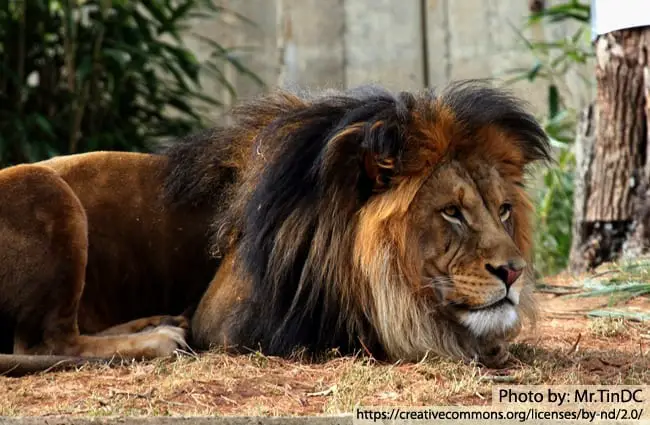
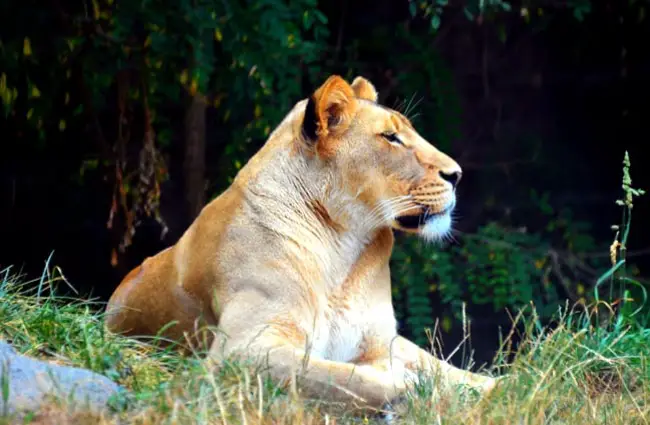
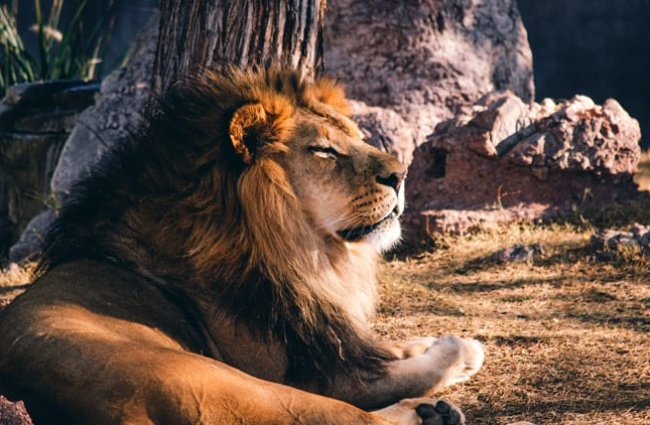
African Lions are truly impressive animals, characterized by their robust build and distinctive features. Adult males are particularly striking, often weighing between 330 to 550 pounds (150-250 kg) and standing about 4 feet (1.2 meters) tall at the shoulder. Their most iconic feature is, of course, the magnificent mane, a dense growth of hair around the head and neck that varies in color from blonde to black. The size and darkness of a male’s mane can often indicate his age, health, and testosterone levels, serving as a visual signal of dominance to rivals and attractiveness to females. Females, or lionesses, are generally smaller and more agile, typically weighing 260 to 400 pounds (120-180 kg) and lacking a mane, which aids in their primary role as hunters.
Where the Wild Things Roam: Habitat and Distribution
The African Lion’s preferred habitat is primarily the vast savannas, grasslands, and open woodlands of sub-Saharan Africa. These environments provide ample prey, sufficient water sources, and scattered cover for hunting and resting. Historically, lions ranged across much of Africa, parts of the Middle East, and even into India. Today, their populations are fragmented and significantly reduced, largely confined to protected areas and national parks in East and Southern Africa, such as the Serengeti in Tanzania, the Maasai Mara in Kenya, and Kruger National Park in South Africa. For animal lovers hoping to spot these incredible creatures in the wild, these regions offer the best opportunities, often through guided safaris that respect both the animals and their environment.
The Pride Life: Social Structure and Dynamics
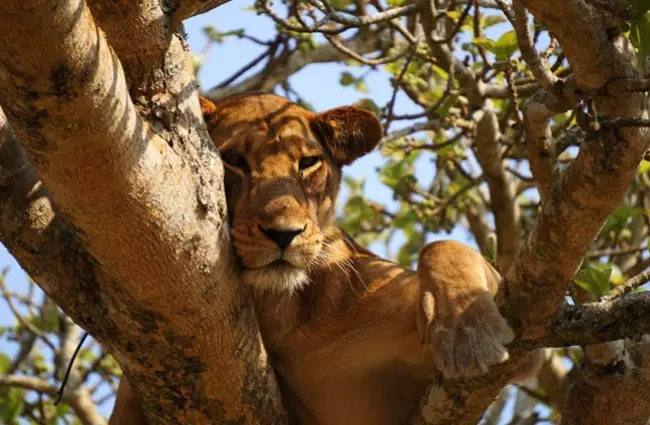
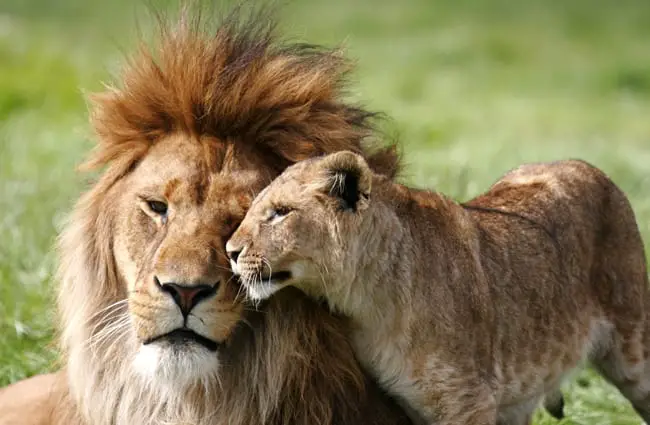
Unlike most other big cats, African Lions are highly social animals, living in groups known as prides. A typical pride consists of several related adult females, their offspring, and a smaller number of adult males. The size of a pride can vary significantly, from just a few individuals to over 40. Lionesses form the stable core of the pride, often staying together for their entire lives, cooperating in hunting and cub-rearing. Males, on the other hand, typically join a pride for a few years before being challenged and displaced by younger, stronger males. The males’ primary role is to protect the pride’s territory from rival males and other predators, a duty they often announce with their powerful, resonant roars that can be heard up to 5 miles (8 km) away.
A Hunter’s Feast: Diet and Hunting Strategies
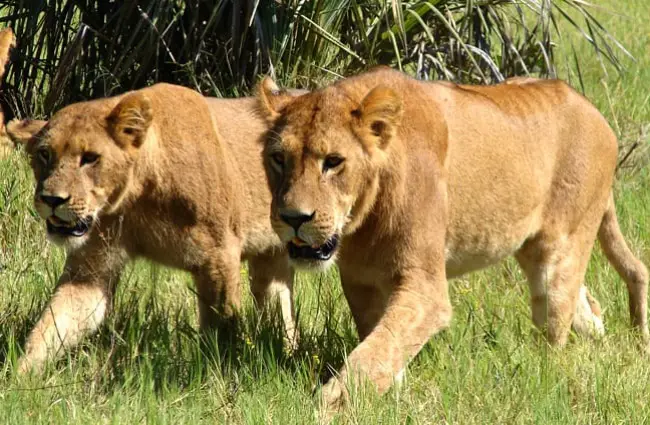
As apex predators, African Lions sit at the top of the food chain. Their diet primarily consists of large ungulates such as wildebeest, zebra, buffalo, and various antelope species. While males are larger and stronger, lionesses do the majority of the hunting, often working cooperatively. Their hunting strategy is a marvel of teamwork: they stalk their prey, using cover and the element of surprise, before launching a coordinated attack to bring down even large animals. Lions are primarily nocturnal hunters, using the cover of darkness to their advantage. They are also opportunistic feeders and will readily scavenge carrion or steal kills from other predators like hyenas, demonstrating their adaptability and efficiency in securing food.
Life Cycle and Legacy: Reproduction and Evolution
The Circle of Life: Mating and Cub Rearing
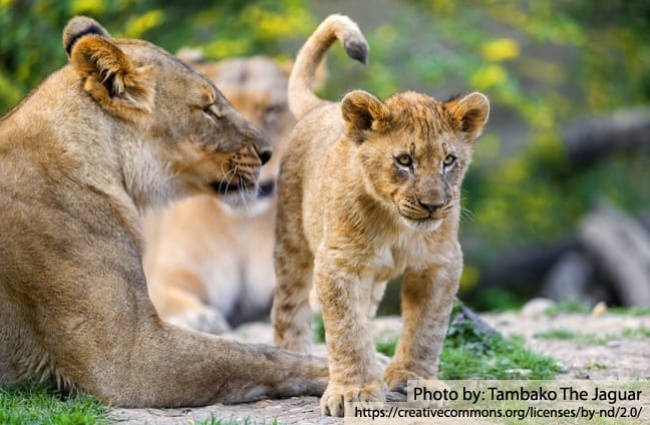
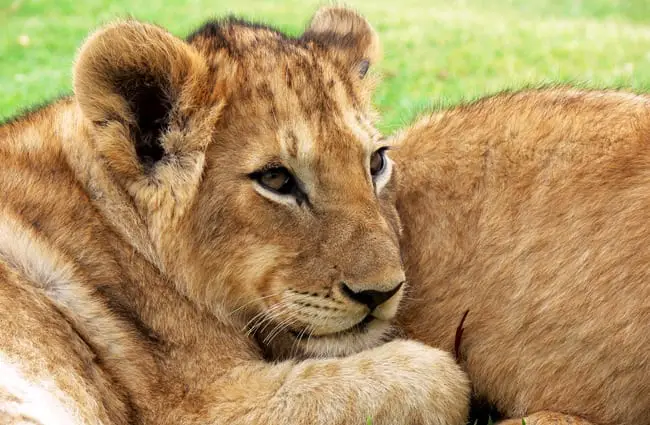
Lionesses can breed year-round, and their mating rituals are intense but brief. A pair may mate multiple times a day for several days. After a gestation period of approximately 110 days, a lioness typically gives birth to a litter of one to four cubs in a secluded den, away from the main pride. Newborn cubs are tiny, blind, and utterly helpless, weighing only about 2 to 4 pounds (1-2 kg). The mother keeps them hidden for the first few weeks, moving them frequently to avoid detection by predators. Once they are strong enough, she introduces them to the pride, where they are often cared for communally by other lionesses. This communal rearing increases the cubs’ chances of survival, though infanticide by new dominant males is a grim reality, as they seek to bring females into estrus to sire their own offspring.
Echoes of the Past: Evolutionary Journey
The evolutionary history of the African Lion is a fascinating tale of adaptation and survival. Lions belong to the genus Panthera, which includes other big cats like tigers, jaguars, and leopards. Genetic studies suggest that modern lions diverged from their common ancestor with other big cats approximately 1 to 2 million years ago. Over millennia, they adapted to the diverse environments of Africa, developing their unique social structure and hunting strategies. While the African Lion (Panthera leo leo) is the most recognized subspecies, other subspecies, like the Asiatic Lion (Panthera leo persica), represent remnants of a much wider historical distribution, highlighting the species’ ancient lineage and its journey across continents.
The Lion’s Role: Ecosystem and Interactions
Apex Predator: Shaping the Ecosystem
As an apex predator, the African Lion plays a critical role in maintaining the health and balance of its ecosystem. By preying on large herbivores, lions help to regulate their populations, preventing overgrazing and ensuring the vitality of plant communities. This in turn benefits smaller herbivores and the entire food web. Lions also contribute to the ecosystem as scavengers, cleaning up carcasses and preventing the spread of disease. Their presence is a strong indicator of a healthy and thriving environment, making them a keystone species whose impact reverberates throughout the entire savanna.
Interactions with Other Wildlife
Life on the savanna is a complex web of interactions, and lions are at the center of many. They share their habitat with a variety of other predators, most notably spotted hyenas. These two species are often in direct competition for food, leading to frequent clashes over kills. Lions will also interact with other large carnivores like cheetahs and African wild dogs, often dominating them and sometimes even killing their young. Their relationship with their prey is, of course, one of predator and prey, but even here, there’s a dynamic balance. Prey animals develop keen senses and evasive strategies, constantly evolving in response to the lion’s hunting prowess, creating a perpetual evolutionary arms race.
Lions and Humanity: Culture, Coexistence, and Conservation
Symbol of Power: The Lion in Human Culture
Throughout history, the African Lion has held a profound place in human culture. Its image is synonymous with strength, courage, royalty, and nobility. Lions appear in ancient Egyptian mythology, where deities like Sekhmet were depicted with lioness heads. They feature prominently in heraldry, symbolizing power and valor, and are national emblems for many countries. In literature, art, and folklore across Africa and beyond, the lion is a recurring motif, representing both the untamed wilderness and the pinnacle of natural majesty. This deep cultural connection underscores the importance of their continued existence.
Encountering Lions in the Wild: Safety First
For those fortunate enough to encounter an African Lion in its natural habitat, safety is paramount. When on a safari, it is crucial to remain inside your vehicle at all times. Lions generally perceive vehicles as large, harmless objects and will often ignore them. Never attempt to approach a lion on foot, as this can be extremely dangerous. If, by rare chance, a hiker finds themselves in an unexpected close encounter with a lion, the advice is to remain calm, avoid direct eye contact, make yourself appear as large as possible, and back away slowly without turning your back or running. Running can trigger a chase response. Making loud noises or throwing objects might deter a curious or aggressive lion, but the best strategy is always prevention and respect for their space.
Guardians of the Giants: Conservation Challenges
Despite their iconic status, African Lions face severe threats, leading to a significant decline in their populations across the continent. The primary challenges include habitat loss and fragmentation due to human encroachment and agricultural expansion. Human-wildlife conflict is another major issue, as lions sometimes prey on livestock, leading to retaliatory killings by local communities. Poaching for their body parts, though less prevalent than for rhinos or elephants, also poses a threat. Conservation efforts are vital and involve protecting existing habitats, creating wildlife corridors, working with local communities to mitigate conflict, and combating illegal wildlife trade. Supporting responsible tourism and conservation organizations plays a crucial role in securing a future for these magnificent cats.
Caring for the King: Insights for Zookeepers
Caring for African Lions in a captive environment requires a deep understanding of their natural behaviors and needs. Zookeepers perform a range of specialized tasks to ensure the well-being of these powerful animals. Key responsibilities include:
- Diet Management: Providing a meticulously balanced diet of high-quality meat, often supplemented with vitamins and minerals, to mimic their natural carnivorous diet and ensure optimal health.
- Habitat Enrichment: Designing and maintaining spacious enclosures that offer a variety of terrains, climbing structures, shade, and water features. Enrichment activities, such as puzzle feeders, scent trails, and novel objects, are crucial to stimulate their minds and prevent boredom.
- Social Grouping: Carefully managing pride dynamics within the captive environment, ensuring compatible individuals are housed together to promote natural social behaviors.
- Veterinary Care: Implementing a rigorous schedule of preventative veterinary care, including regular health checks, vaccinations, and prompt treatment for any illnesses or injuries.
- Safety Protocols: Adhering to strict safety protocols for both staff and the public, given the inherent danger of working with large predators. This includes secure enclosures, controlled access, and specialized training for all personnel.
Zookeepers must avoid practices that could lead to stress or unnatural behaviors, such as inadequate enclosure size, insufficient enrichment, or inappropriate social groupings. The goal is always to provide an environment that supports both the physical and psychological health of these incredible animals.
Fascinating Facts About African Lions
- Loudest Roar: A lion’s roar can reach up to 114 decibels and be heard from 5 miles (8 km) away, primarily used to communicate with other pride members and mark territory.
- Only Truly Social Cat: Lions are the only cat species that live in large, complex social groups called prides.
- Female Hunters: While males protect the pride, lionesses do about 90% of the hunting, often working together in coordinated attacks.
- Mane Significance: A male’s mane not only protects him during fights but also signals his health and dominance, with darker, fuller manes often indicating higher testosterone and better fitness.
- Speed and Stamina: Lions can run at speeds of up to 50 mph (80 km/h) over short distances, but they lack stamina for long chases.
- Lazy Kings: Lions are known for their extensive rest periods, often sleeping or resting for 16 to 20 hours a day.
- Rough Tongues: A lion’s tongue is covered in sharp, backward-facing spines called papillae, which help them strip meat from bones and groom themselves.
- Nocturnal Prowess: Their excellent night vision gives them a significant advantage when hunting after dark.
Conclusion: A Future for the King
The African Lion is more than just a magnificent animal; it is a symbol of wild Africa, a crucial component of its ecosystems, and a creature deeply woven into the fabric of human culture. Understanding its biology, behavior, and the challenges it faces is the first step towards ensuring its survival. As zoologists and enthusiasts, our responsibility is to advocate for their protection, support conservation initiatives, and educate others about the vital role these majestic predators play. Only through concerted global efforts can we ensure that the roar of the African Lion continues to echo across the savannas for generations to come, a testament to the enduring power and beauty of the natural world.
![Closeup of a beautiful Red Angus cowPhoto by: U.S. Department of Agriculture [pubic domain]https://creativecommons.org/licenses/by/2.0/](https://animals.net/wp-content/uploads/2020/03/Red-Angus-4-238x178.jpg "Red Angus")
![Closeup of a beautiful Red Angus cowPhoto by: U.S. Department of Agriculture [pubic domain]https://creativecommons.org/licenses/by/2.0/](https://animals.net/wp-content/uploads/2020/03/Red-Angus-4-100x75.jpg "Red Angus")