Discovering the Rudd: A Glimpse into the Golden Jewel of Freshwater
In the intricate tapestry of freshwater ecosystems, some creatures shine with an understated brilliance. Among them is the Rudd, Scardinius erythrophthalmus, a fish that captivates with its shimmering scales and vibrant fins. Often overlooked in favor of its larger or more exotic cousins, the Rudd is a fascinating subject for anyone curious about aquatic life, from the casual observer to the dedicated ichthyologist. This article delves into the world of the Rudd, exploring its biology, behavior, ecological role, and its surprising interactions with both nature and humanity.
The Rudd’s Identity: A Flash of Gold and Red
The Rudd is a member of the Cyprinidae family, which includes carps and minnows, making it a relative of many familiar freshwater species. Its scientific name, Scardinius erythrophthalmus, literally translates to “red-eyed fish,” a nod to one of its most distinctive features. But the Rudd is more than just its eyes.
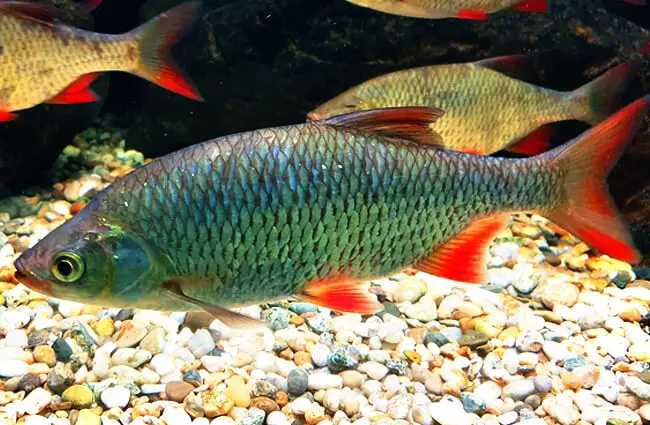
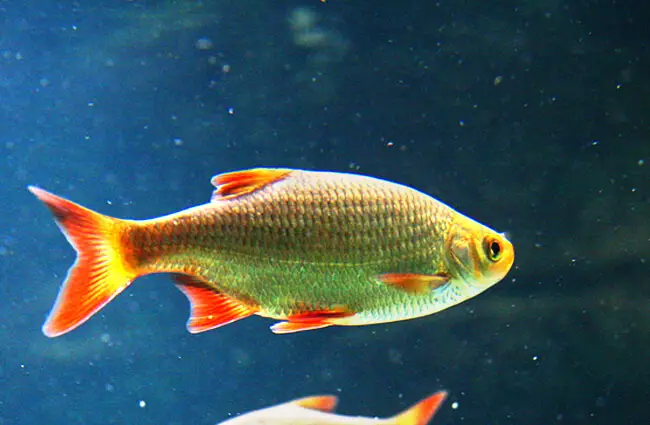
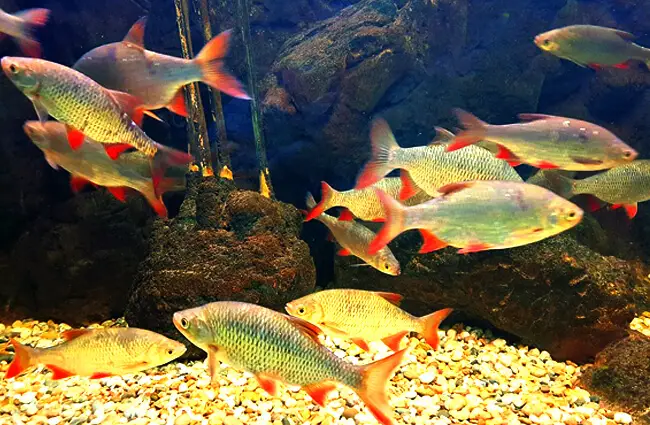
- Appearance: Rudds typically boast a deep, golden-bronze coloration along their flanks, fading to a silvery-white belly. Their most striking characteristic, however, is the brilliant red or orange hue of their fins, particularly the pectoral, pelvic, and anal fins. The dorsal fin is often a darker, reddish-brown.
- Body Shape: They possess a deep, laterally compressed body, giving them a somewhat disc-like profile. This shape is well-suited for navigating through dense aquatic vegetation.
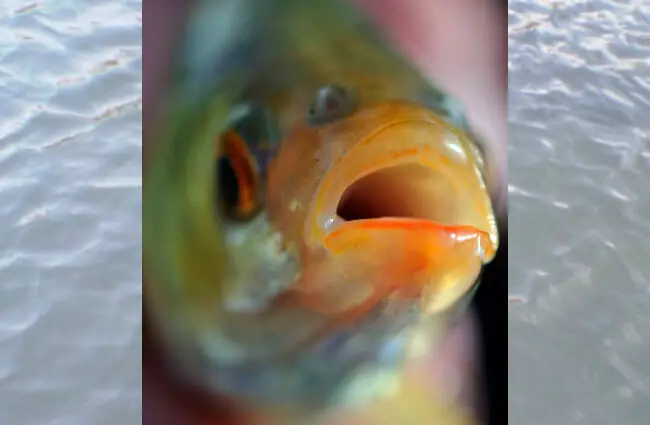
- Mouth: A key identifier is their distinctly upturned mouth, an adaptation perfectly suited for surface feeding, allowing them to snatch insects from the water’s surface with ease.
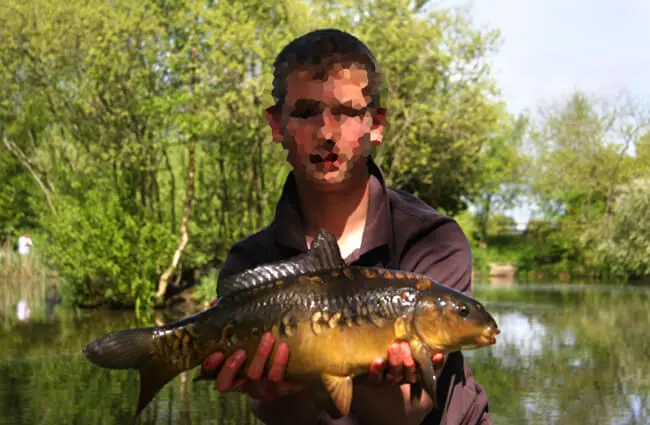
- Size: While most Rudds encountered are between 15 to 30 centimeters (6 to 12 inches) in length, they can grow larger, with some specimens reaching up to 45 centimeters (18 inches) and weighing over 2 kilograms (4.4 pounds) in ideal conditions.
- Distinguishing from Roach: Rudds are often confused with Roach (Rutilus rutilus). A quick way to tell them apart is the Rudd’s upturned mouth and the position of its dorsal fin, which is set further back, almost directly above the pelvic fins. The Roach, by contrast, has a more terminal mouth and its dorsal fin typically aligns with its pelvic fins.
Where the Rudd Calls Home: Habitat and Distribution
The Rudd is a widespread species across Europe and parts of Asia, showcasing its adaptability to various freshwater environments. Its natural range extends from Western Europe, through Central and Eastern Europe, and into parts of Western Asia. However, its popularity in angling and the aquarium trade has led to its introduction, sometimes invasively, into other parts of the world, including North America, where it can pose a threat to native species.
- Preferred Habitats: Rudds thrive in still or slow-moving waters. Their ideal homes include:
- Lakes and ponds
- Canals and backwaters
- Slow-flowing rivers and streams
- Reservoirs
- Oxbow lakes
- Vegetation is Key: A critical feature of Rudd habitat is the presence of abundant aquatic vegetation. This dense plant life provides shelter from predators, serves as a rich feeding ground for insects and other invertebrates, and offers ideal spawning sites. They are often found in the shallower, vegetated margins of larger water bodies.
- Water Conditions: While tolerant of a range of conditions, Rudds prefer clear, well-oxygenated water. They can, however, tolerate some degree of turbidity and lower oxygen levels, which contributes to their success in various environments.
The Rudd’s Menu: A Diverse Diet
As an omnivorous species, the Rudd has a varied diet that shifts slightly with age and seasonal availability. This dietary flexibility is another factor contributing to its widespread success.
- Surface Feeding Specialists: Their upturned mouth is a clear indicator of their preference for surface feeding. Adult Rudds are particularly adept at consuming terrestrial insects that fall onto the water’s surface, such as flies, beetles, and ants.
- Aquatic Invertebrates: Below the surface, they forage for a wide array of aquatic invertebrates. This includes:
- Zooplankton (especially when young)
- Insect larvae (e.g., chironomids, mayfly nymphs)
- Small crustaceans
- Snails and other mollusks
- Plant Matter: Aquatic vegetation forms a significant part of the adult Rudd’s diet. They graze on various submerged and emergent plants, consuming algae, plant shoots, and detritus. This herbivorous component makes them distinct from many other cyprinids.
- Opportunistic Feeders: Rudds are opportunistic and will take advantage of whatever food sources are readily available, making them highly adaptable to different environments.
Life Cycle and Reproduction: The Spawning Spectacle
The reproductive cycle of the Rudd is a fascinating annual event, typically occurring in the spring and early summer when water temperatures rise.
- Sexual Maturity: Rudds usually reach sexual maturity between 2 to 3 years of age, depending on environmental conditions and food availability.
- Spawning Season: Spawning generally takes place from April to July, when water temperatures are consistently above 15°C (59°F).
- Spawning Grounds: Like their preferred habitat, spawning occurs in shallow, heavily vegetated areas. The dense plant growth provides an ideal substrate for egg attachment and offers protection for the developing fry.
- Egg Laying: Females can lay a substantial number of eggs, ranging from 90,000 to 200,000 per kilogram of body weight. The eggs are small, adhesive, and typically deposited in batches onto submerged aquatic plants.
- Fertilization: Multiple males will often attend a single female during spawning, releasing milt to fertilize the eggs externally. There is no parental care after the eggs are laid.
- Hatching and Development: Depending on water temperature, the eggs hatch within 3 to 10 days. The newly hatched fry are tiny and initially feed on their yolk sac before transitioning to zooplankton. They remain in the protective cover of vegetation until they are large enough to venture into more open water.
The Rudd’s Role in the Ecosystem: Friend or Foe?
Rudds play a multifaceted role in their native ecosystems, acting as both prey and predator, and influencing the aquatic environment in various ways. However, their introduction into non-native habitats can disrupt delicate ecological balances.
- Prey Species: Young and adult Rudds serve as an important food source for a variety of predators, including larger piscivorous fish (such as pike, perch, and zander), otters, and fish-eating birds like herons and cormorants.
- Insect Control: By consuming large quantities of aquatic and terrestrial insects, Rudds contribute to the natural regulation of insect populations, which can be beneficial in some contexts.
- Algae and Plant Consumption: Their herbivorous diet helps to control the growth of aquatic vegetation and algae, potentially influencing water clarity and nutrient cycling.
- Competition: In their native range, Rudds compete with other cyprinids for food and habitat. This competition is a natural part of the ecosystem.
- Invasive Species Concerns: When introduced to non-native environments, Rudds can become invasive.
- They can outcompete native fish species for food and habitat.
- Their prolific breeding can lead to rapid population growth, further exacerbating competition.
- They can alter food webs and nutrient dynamics, potentially impacting water quality and native plant communities.
- Hybridization with native species, such as the Golden Shiner (Notemigonus crysoleucas) in North America, can dilute genetic diversity and threaten the integrity of native populations.
Rudd and Humans: From Angling to Aquariums
The Rudd has a long history of interaction with humans, primarily through recreational activities and the ornamental fish trade.
- Angling: Rudds are a popular target for recreational anglers, particularly in Europe. They are known for their spirited fight on light tackle and are often sought after by coarse fishermen. Their attractive appearance also makes them a prized catch.
- Aquarium Trade: Young Rudds are sometimes kept in large, coldwater aquariums or outdoor ponds. Their vibrant colors and active swimming make them an appealing addition, though their potential size and need for specific conditions mean they are not suitable for typical home aquariums.
- Bait Fish: In some regions, Rudds are used as live bait for larger predatory fish, a practice that has unfortunately contributed to their spread as an invasive species.
- Cultural Significance: While not as prominent as carp or salmon, the Rudd holds a place in local angling traditions and natural history literature in areas where it is common.
- Conservation and Management: In their native range, Rudd populations are generally stable. However, in areas where they are invasive, significant management efforts are undertaken to control their numbers and mitigate their impact on native ecosystems. This often involves fishing regulations, habitat restoration, and public awareness campaigns.
Interesting Facts About the Rudd
- The Rudd’s scientific name, Scardinius erythrophthalmus, comes from Greek words meaning “fish with red eyes.”
- They are excellent jumpers and can often be seen leaping out of the water to catch flying insects.
- Rudds can form large shoals, especially when young, providing safety in numbers from predators.
- Their ability to hybridize with other cyprinids, particularly the Roach, creates “rudd-roach hybrids” which can be difficult to identify.
- The oldest recorded Rudd lived for over 15 years in captivity, though their lifespan in the wild is typically shorter.
- They are highly sensitive to changes in water temperature and oxygen levels, which can influence their activity and feeding patterns.
Encountering Rudd in the Wild: A Guide for Animal Lovers and Hikers
For those hoping to spot a Rudd in its natural habitat, a keen eye and a bit of patience are all that is needed.
- Where to Look: Focus on still or slow-moving waters with abundant aquatic vegetation. Lakes, ponds, and the calm backwaters of rivers are prime locations. Look for areas with lily pads, reeds, or submerged grasses.
- When to Look: Rudds are most active during daylight hours, especially in the warmer months. Early morning and late afternoon are often the best times for observation.
- How to Spot Them:
- Look for flashes of gold and red near the surface or among the vegetation.
- Observe the water’s surface for subtle ripples or splashes, indicating a Rudd rising to take an insect.
- Use polarized sunglasses to reduce glare and improve visibility into the water.
- Remain quiet and still, as sudden movements can scare them away.
- What to Do: If you encounter a Rudd, simply observe it from a respectful distance. Do not attempt to catch or disturb the fish unless you are an authorized angler with the appropriate permits. Appreciate its beauty and its role in the ecosystem.
Caring for Rudd in Captivity: Advice for Zookeepers and Enthusiasts
Keeping Rudds in a captive environment, such as a large aquarium or outdoor pond, requires specific considerations to ensure their health and well-being.
- Tank/Pond Size: Rudds are active swimmers and can grow quite large. A minimum of 200 liters (50 gallons) for a small group of young Rudds is recommended, with significantly larger volumes (several hundred to thousands of liters) needed for adults or multiple specimens in a pond setting.
- Water Parameters:
- Temperature: Coldwater fish, ideally between 10-22°C (50-72°F). Avoid sudden fluctuations.
- pH: Slightly alkaline to neutral, 7.0-8.0.
- Hardness: Moderate to hard water.
- Filtration: Robust filtration is essential to maintain excellent water quality, as Rudds can produce a fair amount of waste. Regular water changes are also crucial.
- Oxygenation: Ensure good aeration, especially in warmer temperatures, as they prefer well-oxygenated water.
- Aquascape and Enrichment:
- Substrate: A fine gravel or sand substrate is suitable.
- Vegetation: Abundant live aquatic plants are vital. They provide shelter, security, and a natural food source. Consider hardy species like Anacharis, Hornwort, or Vallisneria.
- Hiding Spots: Include driftwood, rocks, or artificial caves to offer additional refuge.
- Open Swimming Space: Ensure there are open areas for them to swim freely.
- Diet in Captivity:
- Offer a varied diet of high-quality flakes or pellets formulated for coldwater fish.
- Supplement with live or frozen foods such as bloodworms, daphnia, brine shrimp, and small insects (e.g., crickets, mealworms).
- Provide blanched vegetables like peas, spinach, or spirulina wafers to mimic their natural herbivorous intake.
- Feed small amounts multiple times a day rather than one large meal.
- Tank Mates: Rudds are generally peaceful and can be kept with other similarly sized, peaceful coldwater fish like other cyprinids (e.g., minnows, goldfish in very large ponds) or temperate species. Avoid aggressive or fin-nipping species.
- Health Monitoring: Regularly observe for signs of stress or disease, such as clamped fins, lethargy, loss of appetite, or visible lesions. Maintain a clean environment to prevent common fish ailments.
- Avoid:
- Overcrowding, which leads to stress and poor water quality.
- Sudden changes in water parameters.
- Keeping them in small, unfiltered bowls or tanks.
- Introducing wild-caught Rudds into an existing captive population without proper quarantine, due to disease risk.
- Releasing captive Rudds into the wild, especially in non-native areas, to prevent ecological harm.
The Enduring Appeal of the Rudd
From its shimmering scales to its vital role in freshwater ecosystems, the Rudd is a testament to the diversity and resilience of aquatic life. Whether observed in its natural habitat, admired by an angler, or cared for in a specialized aquarium, this golden jewel of the waterways offers endless opportunities for study and appreciation. Understanding the Rudd not only enriches our knowledge of individual species but also deepens our appreciation for the delicate balance of the freshwater world, urging us to protect these environments for generations to come.
![Closeup of a beautiful Red Angus cowPhoto by: U.S. Department of Agriculture [pubic domain]https://creativecommons.org/licenses/by/2.0/](https://animals.net/wp-content/uploads/2020/03/Red-Angus-4-238x178.jpg "Red Angus")
![Closeup of a beautiful Red Angus cowPhoto by: U.S. Department of Agriculture [pubic domain]https://creativecommons.org/licenses/by/2.0/](https://animals.net/wp-content/uploads/2020/03/Red-Angus-4-100x75.jpg "Red Angus")