The aquatic world holds many ancient secrets, and among the most fascinating is the story of the Bowfin. Often described as a living fossil, this remarkable fish offers a unique window into the evolutionary history of vertebrates. More than just a curiosity for ichthyologists, the Bowfin is a vital component of its ecosystem and a captivating subject for nature enthusiasts.
What is a Bowfin?
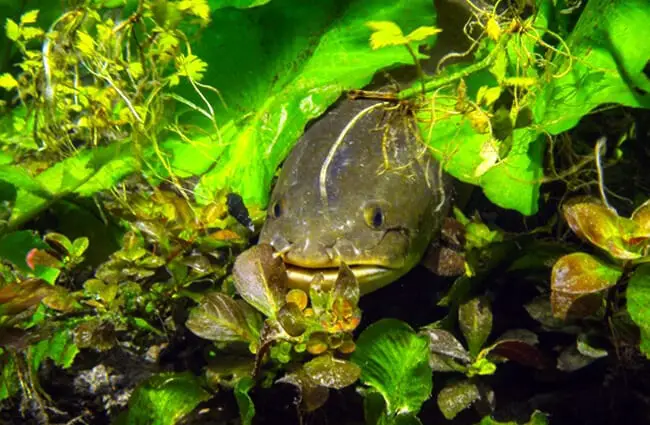
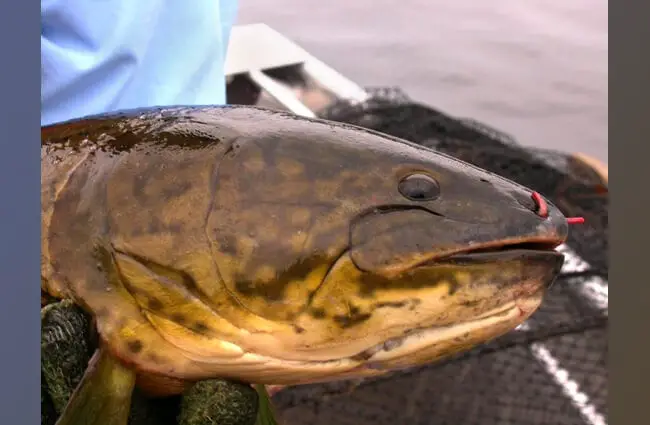
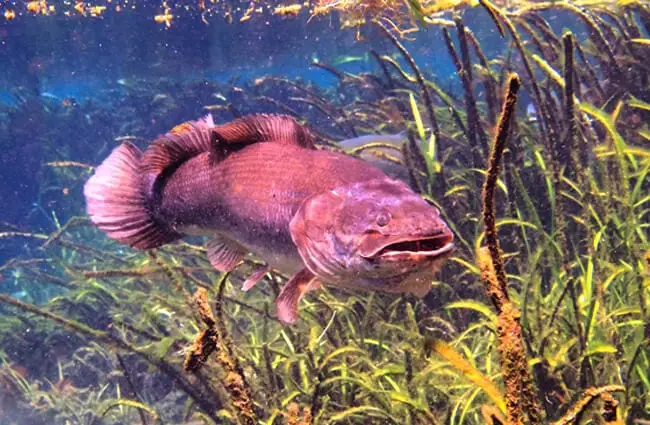
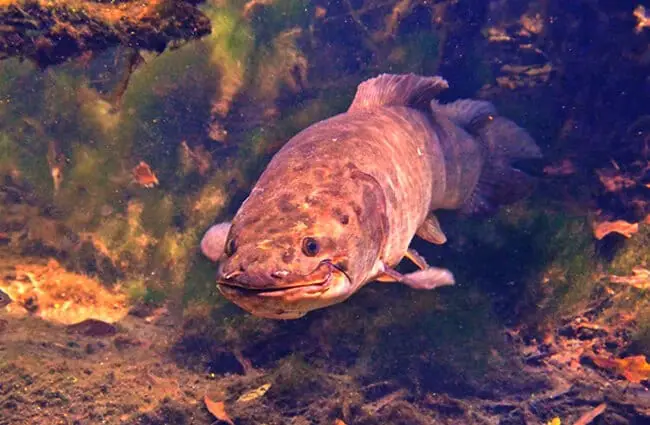
The Bowfin, Amia calva, is a freshwater fish native to North America. It is the sole surviving member of the order Amiiformes, a group that flourished during the Mesozoic Era alongside the dinosaurs. This lineage stretches back more than 150 million years, earning the Bowfin its “living fossil” moniker. Its appearance is quite distinctive. Bowfin have long, cylindrical bodies that range from olive to brown in color, often marked with dark vertical bars or blotches. A prominent black eye and a large, rounded caudal fin complete the picture. Adults typically measure between 20 and 30 inches in length, though some individuals can grow considerably larger.
Habitat and Distribution
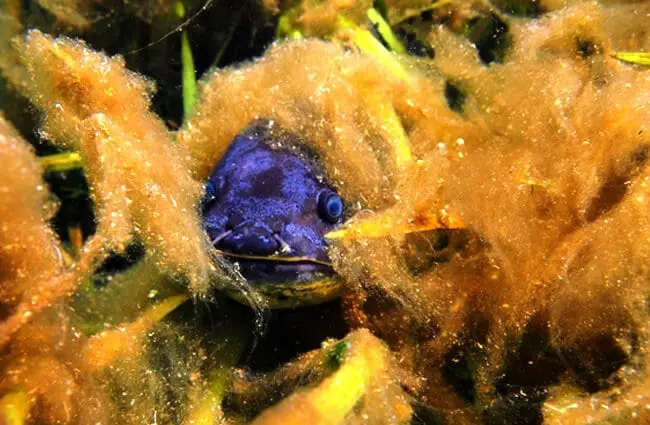
Bowfin are found throughout eastern and central North America, from the southeastern Canadian provinces to the Gulf Coast states and into parts of the Midwest. They prefer sluggish waters such as swamps, marshes, canals, and quiet backwaters of rivers and lakes. Bowfin thrive in slow-moving waters that maintain adequate oxygen levels, and they are especially abundant in heavily vegetated areas, which provide cover and breeding grounds.
Bowfin Biology and Behavior
Dietary Habits
Bowfin are opportunistic predators with a varied diet. Primarily they consume fish, but they are not averse to amphibians, crustaceans, and even insects. Younger Bowfin focus more on invertebrates, while adults transition to a predominantly fish-based diet. They ambush their prey, lying in wait among vegetation before striking with surprising speed. Their large mouths and sharp teeth are perfectly adapted for capturing and holding onto slippery fish. This predatory behavior is a crucial component of the ecosystem, helping to regulate populations of other species.
Unique Breathing Mechanism
Perhaps the most fascinating aspect of Bowfin biology is its ability to breathe air. While possessing gills for extracting oxygen from water, Bowfin also have a modified swim bladder that functions as a primitive lung. This allows them to gulp air from the surface, particularly in oxygen-poor waters or when chasing prey. This adaptation is crucial for survival in stagnant, vegetated environments where oxygen levels can fluctuate dramatically. The swim bladder is richly vascularized, enabling efficient gas exchange.
Reproduction and Life Cycle
Mating Rituals and Nest Building
Bowfin exhibit an intriguing reproductive strategy. In spring, males create shallow depressions in the substrate using their tails. They then attract females to these nests through elaborate courtship displays. Once a female deposits her eggs, the male diligently guards and aerates them with his tail, ensuring sufficient oxygenation. This parental care is somewhat unusual among primitive fishes and contributes to the survival of the next generation. The eggs are adhesive and attach to vegetation, providing further protection.
Growth and Longevity
Bowfin growth rates vary depending on environmental conditions and food availability. They reach sexual maturity around three to four years of age. Lifespans can be surprisingly long, with some individuals living for over a decade. Larger specimens are often older, reflecting their continued growth throughout life. The ability to adapt to changing conditions and thrive in diverse habitats contributes to their longevity.
Ecological Role and Interactions
Bowfin as a Predator and Prey
Bowfin play a significant role in maintaining the balance of aquatic ecosystems. As top predators of small fish, they help control populations of smaller fish and invertebrates. They, in turn, can be preyed upon by larger fish, birds, and mammals. This predator-prey relationship is vital for ensuring the health and stability of the food web. The removal of Bowfin from an ecosystem can have cascading effects, disrupting the natural order.
Interactions with Other Species
Bowfin often coexist with a variety of other fish species, including bass, catfish, and sunfish. They are generally tolerant of other species but may exhibit territorial behavior during the breeding season. They also share their habitat with amphibians, reptiles, and waterfowl, creating a complex and interconnected community. Their presence contributes to the overall biodiversity of the ecosystem.
Bowfin and Humans
Historical and Cultural Significance
Native American tribes traditionally valued Bowfin as a food source and utilized its strong scales for making tools and implements. The fish held cultural significance in some tribes, often appearing in stories and ceremonies. Early European settlers also recognized the value of Bowfin as a food fish, though it never became as popular as other freshwater species.
Bowfin as a Game Fish
Today, Bowfin are primarily sought after by recreational anglers. They are known for their aggressive strikes and powerful fight, making them a challenging and rewarding game fish. Many anglers practice catch and release, recognizing the importance of conserving this unique species. Specialized fishing techniques, such as using surface lures, are often employed to target Bowfin.
Conservation Status and Threats
While Bowfin are not currently listed as endangered or threatened, they face several potential threats. Habitat loss and degradation due to pollution and urbanization are major concerns. Overfishing in some areas can also impact populations. Climate change and the increasing frequency of extreme weather events pose additional risks. Conservation efforts focused on protecting and restoring Bowfin habitat are crucial for ensuring the long‑term survival of this remarkable fish.
Encountering a Bowfin in the Wild
If you encounter a Bowfin while hiking or boating, observe it from a respectful distance. Avoid disturbing its habitat or attempting to handle the fish. Remember that Bowfin are an important part of the ecosystem and deserve our protection. If you are an angler, practice responsible fishing techniques and adhere to local regulations.
The Bowfin stands as a living testament to the enduring power of evolution. Its ancient lineage, unique adaptations, and ecological role make it a truly remarkable creature. By understanding and appreciating this fascinating fish, we can contribute to its conservation and ensure that it continues to thrive for generations to come.
![Closeup of a beautiful Red Angus cowPhoto by: U.S. Department of Agriculture [pubic domain]https://creativecommons.org/licenses/by/2.0/](https://animals.net/wp-content/uploads/2020/03/Red-Angus-4-238x178.jpg "Red Angus")
![Closeup of a beautiful Red Angus cowPhoto by: U.S. Department of Agriculture [pubic domain]https://creativecommons.org/licenses/by/2.0/](https://animals.net/wp-content/uploads/2020/03/Red-Angus-4-100x75.jpg "Red Angus")