Imagine a fish that predates the dinosaurs, a living relic armored with bony plates and possessing a lineage stretching back over 200 million years. This is the sturgeon, a truly remarkable creature that occupies a unique place in the natural world. More than just an ancient fish, sturgeons play a vital role in the health of our freshwater ecosystems and have captivated humans for centuries.
Understanding the Sturgeon
What is a Sturgeon?
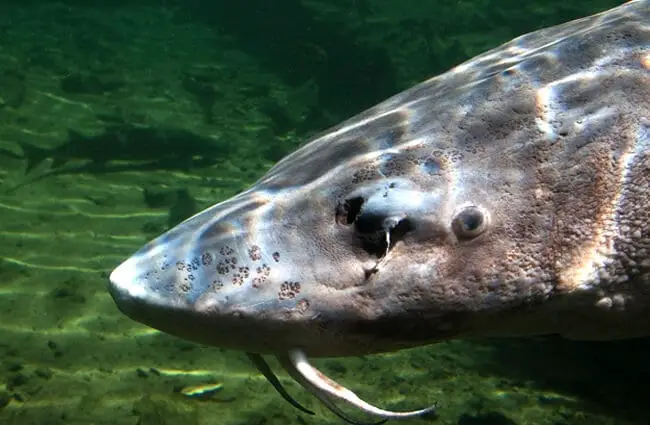
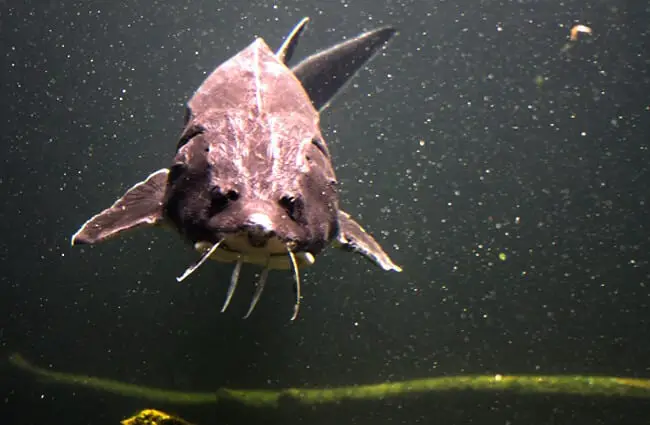
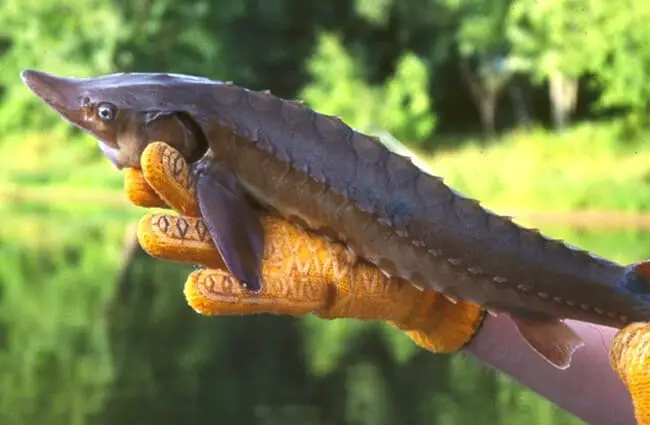
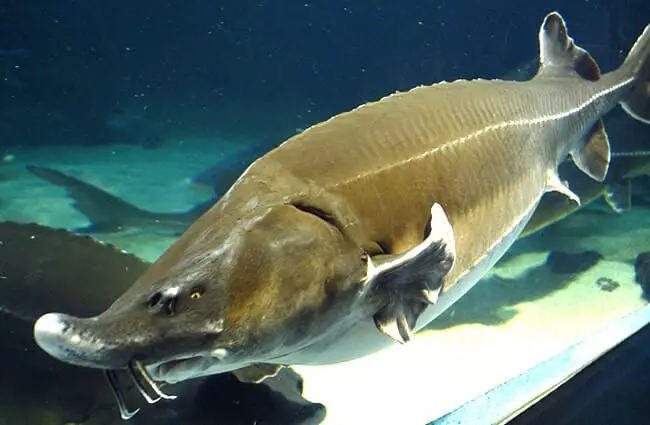
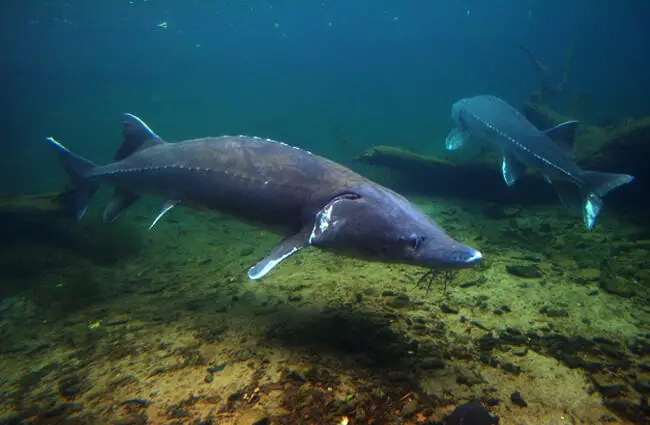
Sturgeons are large, anadromous ray‑finned fish belonging to the family Acipenseridae. “Anadromous” means they migrate from saltwater to freshwater to spawn. They are easily recognizable by their elongated bodies, four barbels near the mouth, and five rows of bony scutes running along their sides and back. Unlike most bony fishes, sturgeons possess a cartilaginous skeleton rather than a fully bony one. There are about 27 species of sturgeon found across North America, Europe, and Asia.
Habitat and Distribution
Sturgeon inhabit temperate and subtropical rivers, lakes, and coastal waters. They prefer deep, clear waters with rocky or sandy bottoms. Different species have varying ranges. For example, the White Sturgeon is native to the Pacific Northwest of North America, while the Atlantic Sturgeon is found along the eastern coast of North America. Historically, they were abundant, but populations have dramatically declined due to overfishing, habitat loss, and dam construction.
A Journey Through Time: Sturgeon Evolution
The evolutionary history of sturgeons is fascinating. Their lineage extends back to the Late Triassic period, over 200 million years ago – predating many familiar dinosaur species. They are considered living fossils, retaining many primitive characteristics. Early sturgeons likely inhabited shallow marine environments, gradually adapting to freshwater habitats. Their cartilaginous skeletons are thought to be a primitive trait, similar to those found in sharks and rays. The absence of fully developed bony tissue allowed them to maintain flexibility while developing robust protective armor. Fossil records show that sturgeons were once much more diverse, with numerous species inhabiting a wider range of environments.
Sturgeon Diet and Feeding Habits
Sturgeons are bottom feeders, meaning they primarily consume food found on the river or lakebed. Their diet varies depending on the species and age, but generally includes insect larvae, crustaceans, mollusks, and small fish. They use their barbels to detect food in murky waters. These barbels are highly sensitive, allowing them to locate prey through taste and touch. Sturgeons don’t have teeth; instead they use their tough, sucker‑like mouths to vacuum up food from the substrate. Young sturgeons feed on smaller invertebrates, while larger adults can consume larger prey items. Their feeding habits play a critical role in maintaining the health of the benthic ecosystem.
Reproduction and Life Cycle
Sturgeons are known for their slow growth and late maturity. They don’t reach sexual maturity until several years, or even decades, old, depending on the species. Spawning typically occurs in the spring, in large rivers or near the mouths of tributaries. Sturgeons are broadcast spawners, meaning they release their eggs and sperm into the water column for fertilization. The eggs are adhesive and stick to rocks, vegetation, or the gravel bottom. After fertilization, the eggs hatch into larvae, which drift downstream and feed on plankton. The larvae gradually develop into juveniles, eventually migrating to deeper waters. Sturgeons can live for a very long time, with some species exceeding 100 years. Their long lifespan and late maturity make them particularly vulnerable to overfishing and habitat loss.
Ecological Role and Interactions
Sturgeons are important indicators of freshwater ecosystem health. Their presence signifies a clean and well‑functioning aquatic environment. They help control populations of invertebrates and small fish, contributing to the balance of the food web. As bottom feeders, they also play a role in nutrient cycling. Sturgeons interact with other species in various ways. They may prey on smaller fish and can be preyed upon by larger predators such as larger fish, sharks, or seals. Their eggs and larvae are consumed by a variety of aquatic organisms. Changes in sturgeon populations can have cascading effects throughout the ecosystem.
Sturgeon and Humans: A Complex Relationship
Historical and Cultural Significance
For centuries, sturgeons have been valued by humans for their meat and, most importantly, their eggs, which are used to produce caviar. Caviar became a delicacy enjoyed by royalty and the wealthy, driving extensive fishing efforts. Sturgeons also hold cultural significance for many indigenous communities, who have traditionally harvested them for food and ceremonial purposes. Their images appear in art and folklore, reflecting their importance in local cultures.
Conservation Concerns and Current Status
Unfortunately, most sturgeon species are now threatened or endangered. Overfishing, habitat loss due to dam construction, pollution, and poaching have decimated populations worldwide. The slow growth and late maturity of sturgeons make them particularly vulnerable to these threats. International conservation efforts are underway to protect sturgeon populations, including fishing regulations, habitat restoration, and captive breeding programs. The Convention on International Trade in Endangered Species (CITES) regulates the trade of sturgeon products to prevent illegal fishing and poaching. Sustainable aquaculture practices are also being developed to reduce the pressure on wild populations.
Encountering a Sturgeon: What to Do
If you are lucky enough to encounter a sturgeon in the wild, observe it from a respectful distance. Do not attempt to feed or touch the animal. Report your sighting to local wildlife authorities, as this information can help with conservation efforts. If you suspect illegal fishing or poaching, report it immediately to the authorities. Remember, these ancient creatures are a precious part of our natural heritage and deserve our protection.
Caring for Sturgeons in Captivity
For zookeepers and aquarists caring for sturgeons, specific attention must be paid to their unique needs. They require large, well‑oxygenated tanks with sandy or gravel substrates. A varied diet consisting of prepared sturgeon food, invertebrates, and small fish is essential. Regular water quality monitoring and maintenance are crucial to prevent disease. Sturgeons are sensitive to water parameters, so maintaining stable temperature, pH, and ammonia levels is vital. Avoid overcrowding, as this can lead to stress and disease. Provide enrichment activities, such as varying the feeding location or introducing new objects to the tank, to stimulate their natural behaviors. Observe the sturgeons regularly for any signs of illness, such as changes in behavior, appetite, or physical appearance.
The sturgeon, a relic of a bygone era, stands as a testament to the resilience and adaptability of life. Its story is a reminder of the delicate balance of our ecosystems and the importance of conservation. By understanding and protecting these magnificent creatures, we can ensure that they continue to thrive for generations to come.
![Closeup of a beautiful Red Angus cowPhoto by: U.S. Department of Agriculture [pubic domain]https://creativecommons.org/licenses/by/2.0/](https://animals.net/wp-content/uploads/2020/03/Red-Angus-4-238x178.jpg "Red Angus")
![Closeup of a beautiful Red Angus cowPhoto by: U.S. Department of Agriculture [pubic domain]https://creativecommons.org/licenses/by/2.0/](https://animals.net/wp-content/uploads/2020/03/Red-Angus-4-100x75.jpg "Red Angus")