
The Majestic Asian Elephant: A Comprehensive Guide
The Asian elephant, a symbol of strength, wisdom, and good fortune, is one of the most intelligent and fascinating creatures on Earth. These gentle giants play a crucial role in the ecosystems they inhabit and hold deep cultural significance for many societies. This guide explores the multifaceted world of the Asian elephant, from its evolutionary history and ecological importance to its behavior, conservation status, and interactions with humans.
A Glimpse into the Past: Evolution and Subspecies
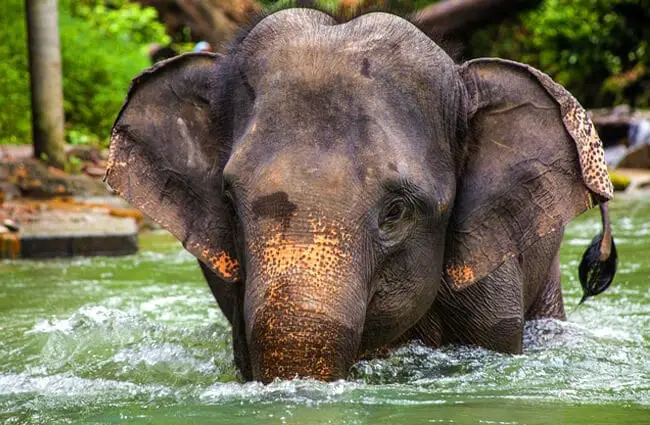
The evolutionary history of the Asian elephant traces back millions of years. Modern elephants are part of the Proboscidea order, which once included many diverse species. The Asian elephant (Elephas maximus) is one of three extant elephant species, the others being the African bush elephant and the African forest elephant. Fossil evidence suggests that the ancestors of modern Asian elephants originated in Africa and migrated eastward into Asia.
Currently, four subspecies of Asian elephant are recognized:
- Sri Lankan Elephant (Elephas maximus maximus): The largest subspecies, found in Sri Lanka, generally darker in color and possessing greater body mass.
- Indian Elephant (Elephas maximus indicus): The most widespread subspecies, inhabiting mainland Asia, including India, Nepal, Bangladesh, Bhutan, and Myanmar.
- Sumatran Elephant (Elephas maximus sumatranus): The smallest subspecies, found on the island of Sumatra in Indonesia.
- Bornean Elephant (Elephas maximus borneensis): Also known as the pygmy elephant, it was historically found in the northeastern part of Borneo. This subspecies is now extinct in the wild and was the smallest of the Asian elephants.
Each subspecies exhibits subtle variations in size, coloration, and behavior, adapted to their specific environments.
Habitat and Distribution: Where Asian Elephants Roam
Asian elephants are native to the forests and grasslands of South and Southeast Asia. Their distribution ranges from India and Sri Lanka to Indonesia and parts of China. They thrive in a variety of habitats, including tropical evergreen forests, semi-evergreen forests, moist deciduous forests, dry deciduous forests, grasslands, wetlands, and bamboo forests. These habitats provide essential resources such as food, water, and shelter.
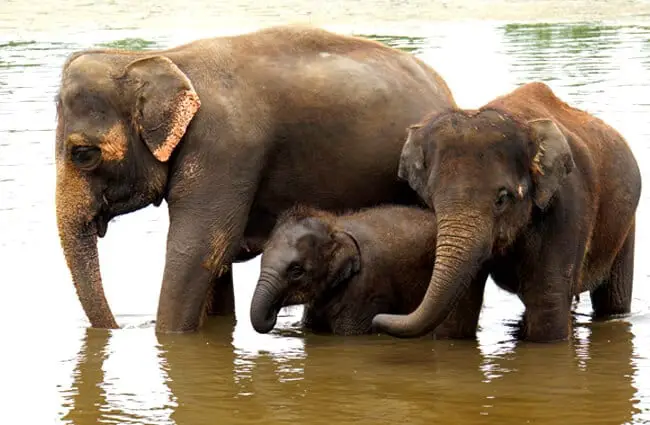
Elephants prefer areas with access to rivers and waterholes because they require a significant amount of water daily. They are also often found in areas with bamboo groves, which form an important part of their diet. The availability of suitable habitat is a critical factor in the survival of Asian elephant populations.
Diet and Feeding Habits: What Do Asian Elephants Eat?
Asian elephants are herbivores with a highly varied diet. They consume grasses, leaves, bark, roots, fruits, and twigs. Each day, they eat up to 150 kilograms of vegetation, spending up to 16 hours foraging and feeding.
Elephants are known as keystone species because their feeding habits significantly shape the structure and composition of their ecosystems. They help disperse seeds, create clearings in forests, and maintain the health of vegetation. They also dig for minerals and salts, which are essential for their health. Because their digestive system is relatively inefficient, a significant portion of the food they consume remains undigested. This material is then dispersed through their dung, further contributing to seed dispersal and nutrient cycling.
Social Behavior and Communication: Life in a Herd
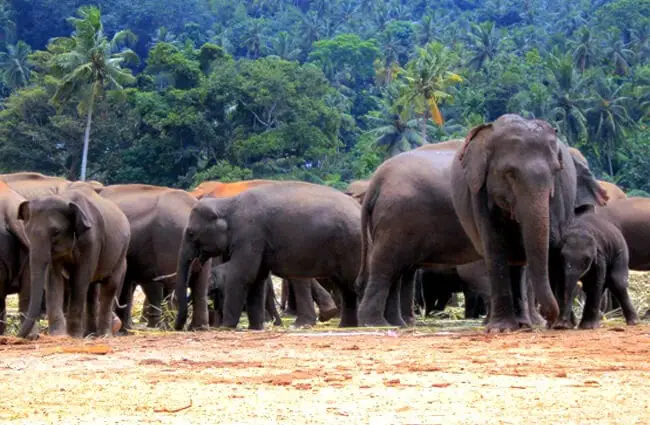
Asian elephants are highly social animals, living in complex matriarchal herds. Herds typically consist of related females and their offspring, led by the oldest and most experienced female, known as the matriarch. Males often leave the herd upon reaching adolescence and may live solitary lives or form loose bachelor groups.
Elephants communicate through vocalizations, body language, and scent marking. They produce trumpets, rumbles, and roars. They also use infrasound, which are low-frequency sounds that can travel long distances. The trunk serves many purposes, including smelling, touching, grasping, and social interaction such as greeting other elephants and expressing affection.
Reproduction and Life Cycle: From Calf to Adult
Asian elephants have a relatively slow reproductive rate. Females reach sexual maturity around nine or ten years of age, while males mature around 15 to 20 years. Gestation lasts approximately 22 months, the longest for any mammal.
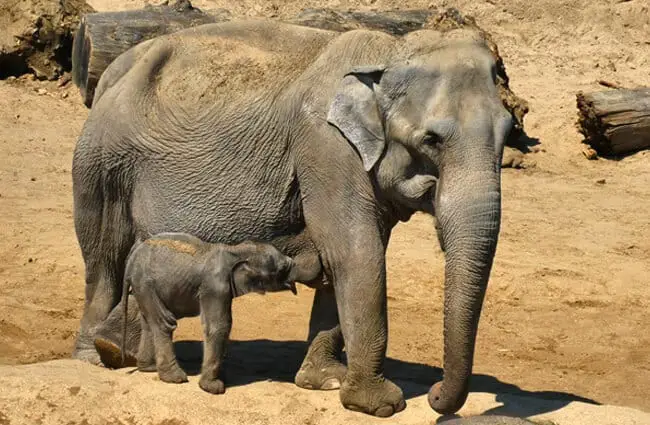
Females typically give birth to a single calf, although twins occasionally occur. Calves are highly dependent on their mothers and remain closely bonded for several years. They are nursed for up to three years but may continue to associate with their mothers for much longer. Elephants can live up to 60 or 70 years in the wild.
Ecological Role and Interactions with Other Species
Asian elephants play a vital role in maintaining the health and diversity of their ecosystems. Their feeding habits help shape forest and grassland structure, and they create waterholes that benefit other wildlife. Their dung supplies nutrients for plants and supports a variety of insects and other invertebrates.
Elephants interact with many other animals, including tigers, leopards, monkeys, and birds. While they often compete with other herbivores for food, they also provide benefits to some species. For example, certain birds feed on insects attracted to elephants, and some monkeys follow elephants to harvest fruits that the elephants drop.
Humans and Elephants: A Complex Relationship
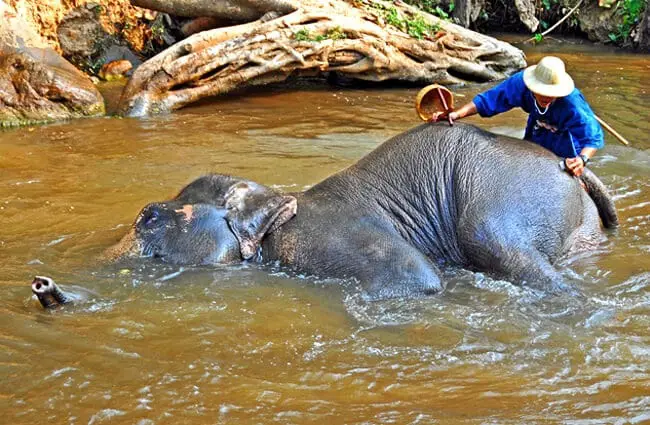
The relationship between humans and elephants has been complex and often fraught with conflict. Historically, elephants were used for labor, transportation, and warfare. In some cultures, they are revered as sacred animals and symbols of good luck and prosperity.
As human populations have grown and habitats have been destroyed, conflicts between humans and elephants have increased. Elephants often raid crops, causing economic losses for farmers, and may attack humans if they feel threatened. Poaching for ivory remains a significant threat despite international efforts to curb it.
Conservation Status and Threats
The Asian elephant is listed as Endangered on the IUCN Red List. The global population is estimated to be between 40,000 and 50,000 individuals. Major threats include habitat loss and fragmentation, poaching, and human elephant conflict.
Conservation efforts focus on protecting and restoring habitat, conducting anti poaching patrols, implementing community based conservation programs, and mitigating human elephant conflict. International cooperation is essential to ensure the long term survival of Asian elephants.
Interesting Facts
- An elephant’s trunk contains over 40,000 muscles.
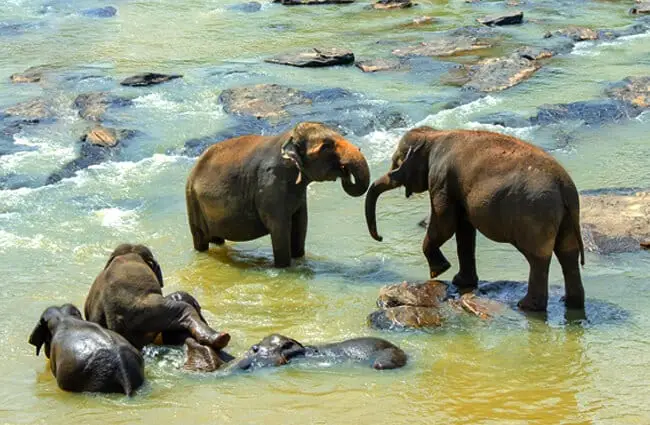
- Elephants can swim well and often use water to cool down.
- They communicate with each other using infrasound, which travels long distances.
- Elephants have excellent memories and can remember other elephants and locations for many years.
- Their tusks continue to grow throughout their lives.
- Elephants exhibit complex emotions, including grief, joy, and empathy.
The Asian elephant is a truly remarkable creature, worthy of our admiration and protection. By understanding their biology, behavior, and the threats they face, we can work together to ensure their survival for generations to come.
![Closeup of a beautiful Red Angus cowPhoto by: U.S. Department of Agriculture [pubic domain]https://creativecommons.org/licenses/by/2.0/](https://animals.net/wp-content/uploads/2020/03/Red-Angus-4-238x178.jpg "Red Angus")




![Closeup of a beautiful Red Angus cowPhoto by: U.S. Department of Agriculture [pubic domain]https://creativecommons.org/licenses/by/2.0/](https://animals.net/wp-content/uploads/2020/03/Red-Angus-4-100x75.jpg "Red Angus")