
The ocean’s depths hold many mysteries, but few creatures command as much awe and respect as the Killer Whale, or Orca. Often misunderstood and sometimes feared, this magnificent marine mammal is far more than its formidable name suggests. It is a creature of profound intelligence, complex social structures, and unparalleled hunting prowess, a true apex predator that reigns supreme across the world’s oceans.
Join us on a journey to uncover the fascinating world of the Orca, from its evolutionary roots to its intricate role in marine ecosystems, its interactions with humans, and the captivating details of its daily life. Prepare to be amazed by the true king of the ocean.
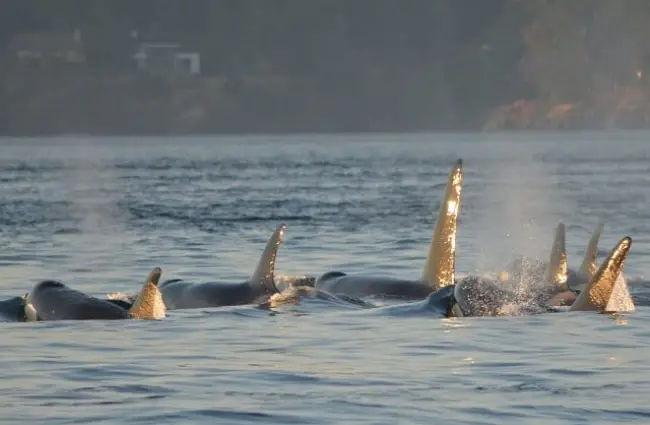
Unveiling the Orca: Basic Biology and Global Reach
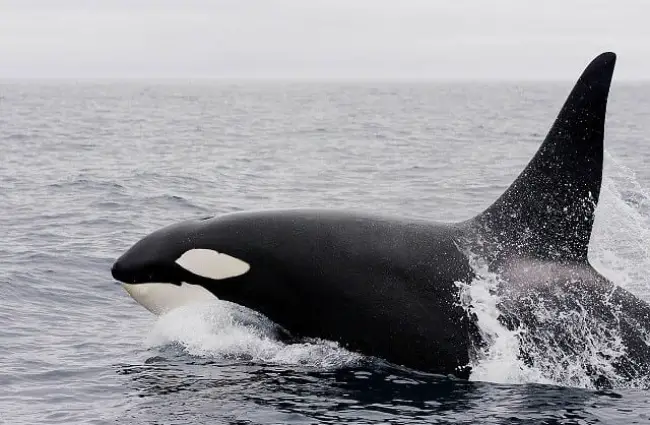
Despite its common moniker, the Killer Whale is not a whale in the traditional sense, but rather the largest member of the dolphin family (Delphinidae). Its scientific name, Orcinus orca, hints at its power, with “Orcinus” meaning “of the kingdom of the dead” or “belonging to Orcus” (the Roman god of the underworld), and “orca” referring to a large-bellied pot or jar, possibly alluding to its shape. These striking black and white cetaceans are instantly recognizable, characterized by their robust bodies, prominent dorsal fins, and distinctive white patches above their eyes and on their bellies.
A Global Citizen: Orca Habitats
One of the most remarkable aspects of the Killer Whale is its unparalleled distribution. Orcas are found in every ocean on Earth, from the frigid polar regions to the warm tropical seas. This global presence makes them the most widely distributed marine mammal. While they are adaptable, certain areas are known hotspots for Orca populations, often correlating with abundant food sources.
- Preferred Environments: Orcas thrive in both coastal and offshore waters, though many populations show a preference for cooler, nutrient-rich waters found in high latitudes. These areas support a diverse array of prey, from fish to seals and whales.
- Where to Find Them: For animal lovers hoping to spot an Orca in the wild, prime locations include the Pacific Northwest (especially the waters off British Columbia and Washington State), Alaska, Norway, Iceland, the Antarctic Peninsula, and the waters off Argentina (Valdes Peninsula). Whale watching tours in these regions offer the best opportunities, often guided by experts who understand Orca behavior and migration patterns.
- Seasonal Movements: Some populations exhibit seasonal migrations, following prey availability or moving to warmer waters for breeding.
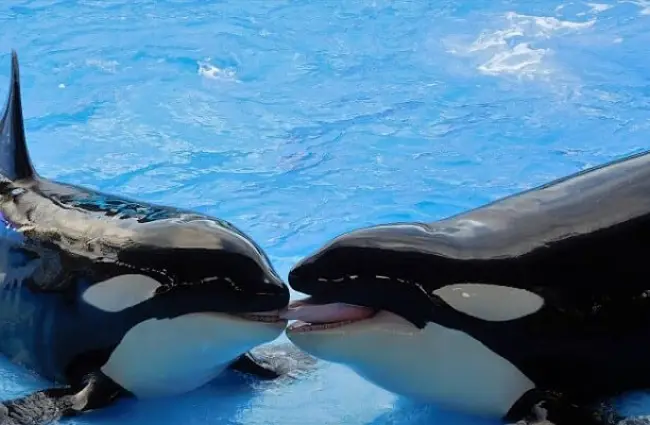
The Apex Predator’s Diet: What Makes a “Killer Whale”?
The “Killer Whale” name is well-earned when considering their diet. Orcas are apex predators, meaning they sit at the very top of the food chain with no natural predators of their own. Their diet is incredibly diverse, but individual populations often specialize in certain prey types, leading to distinct “ecotypes” with unique hunting strategies.
- Generalist vs. Specialist: While some Orcas are generalists, consuming a wide variety of prey, many populations are highly specialized.
- Fish Eaters: Resident Orcas, particularly in the Pacific Northwest, primarily feed on fish, with Chinook salmon being a favorite. They use sophisticated echolocation to locate schools of fish and cooperative hunting techniques to herd them.
- Marine Mammal Hunters: Transient or Biggs Killer Whales, also found in the Pacific Northwest, specialize in hunting marine mammals such as seals, sea lions, porpoises, and even other whales. Their hunting methods are often dramatic, involving ambushes, powerful tail slaps, and coordinated attacks.
- Other Prey: Depending on the region, Orcas may also prey on sharks, rays, seabirds, and squid. Antarctic Orcas, for example, are known to hunt penguins and seals, sometimes creating waves to wash seals off ice floes.
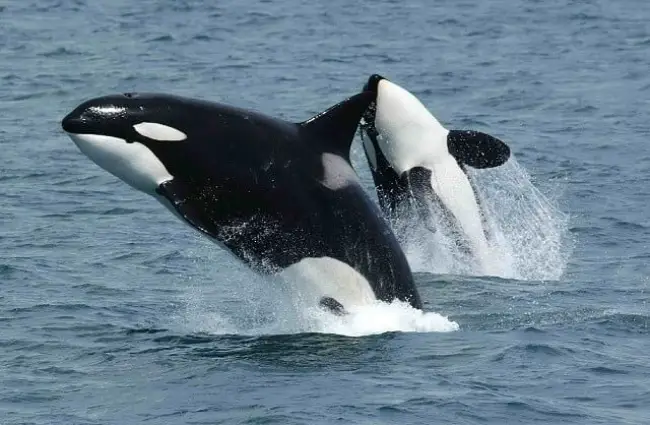
A Deep Dive into Orca Life: Evolution, Society, and Reproduction
An Ancient Lineage: The Orca’s Evolutionary History
The evolutionary journey of the Killer Whale is a testament to adaptation and survival. As members of the order Cetacea, Orcas evolved from land-dwelling mammals that returned to the sea approximately 50 million years ago. Their closest living relatives are other oceanic dolphins. The distinct black and white coloration, powerful build, and sophisticated echolocation abilities are all products of millions of years of natural selection, honing them into the ultimate marine predators.
- Dolphin Family Tree: Orcas diverged from other dolphins relatively recently in evolutionary terms, showcasing rapid adaptation to their diverse ecological niches.
- Fossil Record: While the fossil record for cetaceans is rich, specific Orca fossils are less common, making their exact evolutionary path within the dolphin family a subject of ongoing research. However, genetic studies strongly support their placement as the largest dolphin.
The Power of the Pod: Social Structure and Communication
Orcas are profoundly social animals, living in highly organized family groups called pods. These pods are matriarchal, meaning they are led by the oldest female, who guides the group based on her vast experience and knowledge of hunting grounds and migration routes. This complex social structure is a cornerstone of their success.
- Matriarchal Society: The matriarch’s wisdom is crucial for the pod’s survival, passed down through generations.
- Lifelong Bonds: Orcas typically stay with their birth pods for their entire lives, forming incredibly strong and stable family units.
- Complex Communication: Pods communicate through a sophisticated array of clicks, whistles, and pulsed calls. Each pod often has its own unique dialect, a fascinating cultural trait that helps distinguish different groups. Echolocation, the emission of sound waves and interpretation of their echoes, is vital for navigation and hunting in the often murky underwater world.
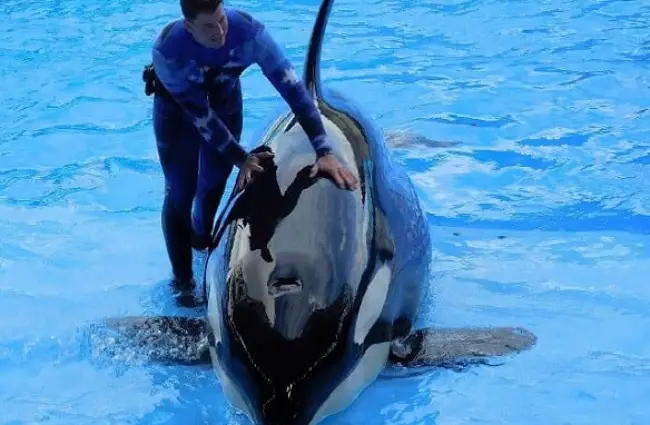
The Circle of Life: Mating and Reproduction
Orca reproduction is a slow and energy-intensive process, reflecting their long lifespan and the significant investment in raising each calf.
- Sexual Maturity: Females typically reach sexual maturity between 6 and 10 years of age, while males mature later, around 10 to 13 years.
- Mating Season: Mating can occur year-round, but there may be peaks in certain seasons depending on the population and prey availability.
- Gestation: The gestation period is one of the longest among marine mammals, lasting approximately 15 to 18 months.
- Calf Rearing: A single calf is born, usually tail-first, and is immediately guided to the surface for its first breath. Calves are dependent on their mothers for an extended period, nursing for up to two years or more, and remaining close to the pod for protection and learning. The entire pod often participates in caring for and protecting the young.
- Lifespan: Female Orcas can live for 50 to 80 years, sometimes even longer, while males generally have a shorter lifespan of 30 to 50 years.
Ecosystem Engineers: Orcas’ Contribution to the Marine World
As apex predators, Orcas play a crucial role in maintaining the health and balance of marine ecosystems. Their presence can influence the behavior and populations of other species, a phenomenon known as a trophic cascade.
- Population Control: By preying on various marine animals, Orcas help regulate the populations of their prey species, preventing overgrazing or overpopulation that could destabilize the ecosystem.
- Natural Selection: They often target the weak, sick, or old, contributing to the natural selection process and ensuring the overall health and vigor of prey populations.
- Interaction with Other Animals:
- Prey: Their interactions with prey are direct and often dramatic, showcasing their hunting prowess.
- Competitors: While they have no natural predators, Orcas can compete with other large predators, such as large sharks, for food resources, though direct conflict is rare.
- Unique Relationships: There are documented instances of Orcas interacting with other cetaceans, sometimes playfully, sometimes aggressively, depending on the context and species.
Orcas and Humanity: Culture, Encounters, and Conservation
Orcas in Human Culture
The powerful presence of the Killer Whale has left an indelible mark on human culture across the globe. For millennia, indigenous coastal communities have revered Orcas, seeing them as symbols of strength, protection, and family.
- Mythology and Folklore: Many cultures, particularly those of the Pacific Northwest Indigenous peoples, feature Orcas prominently in their myths and legends. They are often depicted as powerful spirits, guardians of the sea, or even reincarnated ancestors.
- Art and Symbolism: Orcas frequently appear in traditional art, carvings, and totems, symbolizing wisdom, longevity, and community.
- Modern Perception: In contemporary culture, Orcas have gained widespread recognition through documentaries, films, and scientific research, shifting public perception from fear to fascination and a desire for conservation.
Encountering Orcas in the Wild: A Guide for Enthusiasts and Hikers
For those fortunate enough to witness Orcas in their natural habitat, it is an unforgettable experience. However, responsible viewing is paramount.
- Whale Watching: When seeking Orcas, choose reputable tour operators who adhere to wildlife viewing guidelines, maintaining respectful distances and minimizing disturbance. Look for tours that prioritize the animals’ well-being and educate passengers about conservation.
- If You Encounter an Orca (from a boat or shore):
- Maintain Distance: Always keep a safe and legal distance. Most regulations recommend staying at least 100 to 200 yards away.
- Do Not Pursue: Never chase or attempt to herd Orcas. Allow them to approach or depart on their own terms.
- Minimize Noise: Reduce engine noise and avoid sudden movements.
- Never Feed: Feeding wild animals can alter their natural behavior and make them dependent on humans, which is detrimental to their survival.
- Report Sightings: Consider reporting your sighting to local marine mammal research organizations, as this data contributes to scientific understanding and conservation efforts.
- Safety: While wild Orcas are not known to be aggressive towards humans in the open ocean, it is crucial to remember they are large, powerful predators. Respect their space and observe from a distance.
Orcas in Captivity: A Zookeeper’s Perspective
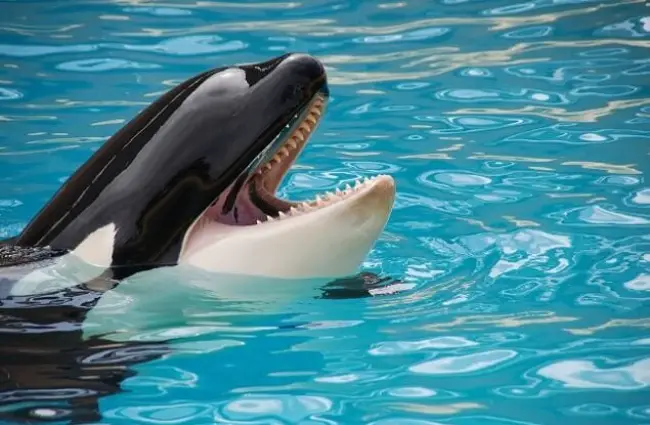
Caring for Orcas in captivity presents unique challenges and responsibilities. While the practice of keeping Orcas in marine parks is increasingly debated, zookeepers dedicated to their care strive to provide the best possible environment.
- Essential Zookeeper Tasks:
- Diet and Nutrition: Providing a carefully balanced diet of high-quality fish and supplements, tailored to the individual Orca’s age, size, and health.
- Veterinary Care: Regular health checks, preventative medicine, and immediate attention for any medical issues.
- Enrichment: Designing and implementing daily enrichment activities to stimulate their highly intelligent minds and encourage natural behaviors. This includes varied toys, puzzles, and interaction with trainers.
- Social Needs: Ensuring appropriate social groupings, as Orcas are profoundly social animals. Isolation can lead to stress and behavioral problems.
- Habitat Maintenance: Meticulously cleaning and maintaining their pools to ensure optimal water quality and a safe environment.
- Behavioral Training: Using positive reinforcement to facilitate husbandry procedures, medical examinations, and mental stimulation.
- What to Avoid:
- Isolation: Orcas thrive in social groups, so prolonged isolation should be strictly avoided.
- Lack of Enrichment: A sterile, unchanging environment can lead to boredom, stress, and repetitive behaviors (stereotypies).
- Inadequate Space: While no captive environment can replicate the ocean, providing the largest possible and most complex habitats is crucial.
- Forced Interactions: All interactions should be voluntary and based on positive reinforcement, avoiding any methods that cause stress or fear.
- Unnatural Diets: Feeding inappropriate or low-quality food can lead to nutritional deficiencies and health problems.
Fascinating Facts About Killer Whales
The more we learn about Orcas, the more incredible they become. Here is a list of intriguing facts:
- Brain Power: Orcas have the second-largest brains among all marine mammals, after sperm whales, indicating their high intelligence.
- Cultural Transmission: Different Orca pods exhibit distinct cultures, including unique dialects, hunting techniques, and even food preferences, passed down through generations.
- “Spyhopping”: Orcas often lift their heads vertically out of the water to look around, a behavior known as “spyhopping.”
- “Wave Washing”: Some Antarctic Orcas have developed a sophisticated hunting technique where they create a coordinated wave to wash seals off ice floes into the water.
- No Sense of Smell: Unlike many mammals, Orcas lack a sense of smell, relying instead on their acute hearing and vision.
- Teeth for Tearing: An adult Orca has between 40 and 56 conical, interlocking teeth, perfectly adapted for grasping and tearing prey, not chewing.
- Fast Swimmers: Orcas can reach speeds of up to 35 miles per hour (56 km/h) in short bursts, making them one of the fastest marine mammals.
- Deep Divers: While often seen near the surface, Orcas can dive to depths of over 1,000 feet (300 meters) in pursuit of prey.
- Long-Lived Females: Female Orcas experience menopause and can live for decades after their reproductive years, playing a vital role as matriarchs, guiding their pods with accumulated knowledge.
- Global Distribution Record: They hold the record for the widest distribution of any marine mammal, found in all oceans.
Conclusion: Guardians of the Deep
The Killer Whale, or Orca, is a creature of immense power, beauty, and complexity. From its ancient lineage to its sophisticated social structures and diverse hunting strategies, every aspect of its life speaks to a remarkable evolutionary success story. As apex predators, Orcas are indispensable to the health of our oceans, acting as vital regulators within their ecosystems.
Our understanding of these magnificent animals continues to grow, revealing not just their intelligence and adaptability, but also their vulnerability to human impacts. Whether you are a student researching their habitats, an animal lover hoping for a glimpse in the wild, or an aspiring zoologist eager to learn more, the Orca offers endless opportunities for discovery and inspiration. By respecting their space, supporting conservation efforts, and continuing to learn, we can ensure that these guardians of the deep continue to thrive for generations to come.
![Closeup of a beautiful Red Angus cowPhoto by: U.S. Department of Agriculture [pubic domain]https://creativecommons.org/licenses/by/2.0/](https://animals.net/wp-content/uploads/2020/03/Red-Angus-4-238x178.jpg "Red Angus")


![Closeup of a beautiful Red Angus cowPhoto by: U.S. Department of Agriculture [pubic domain]https://creativecommons.org/licenses/by/2.0/](https://animals.net/wp-content/uploads/2020/03/Red-Angus-4-100x75.jpg "Red Angus")